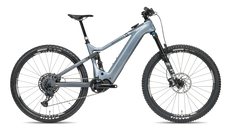
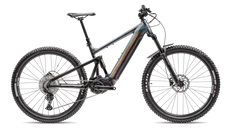
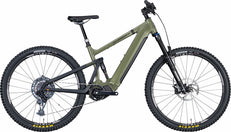
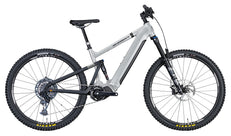
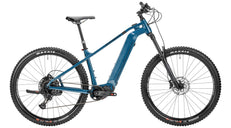
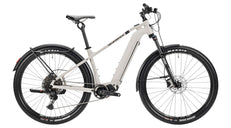
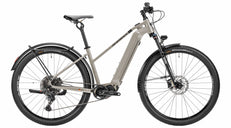
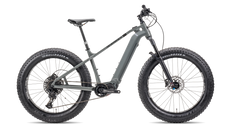
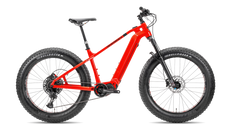
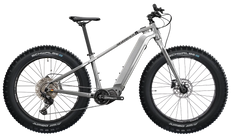
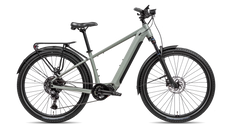
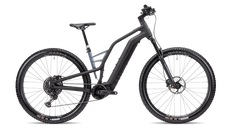
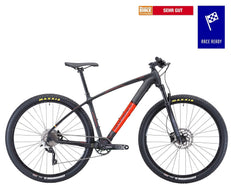
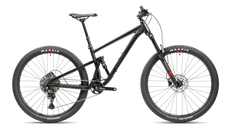
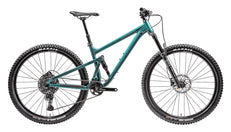
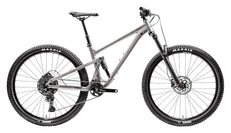
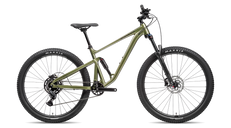
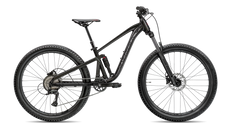
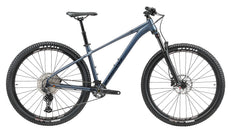
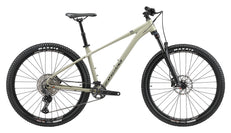
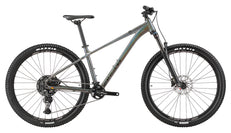
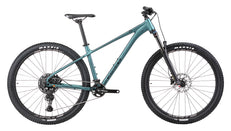
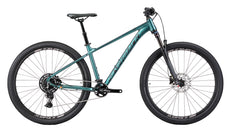
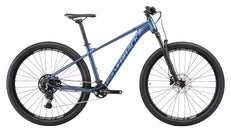
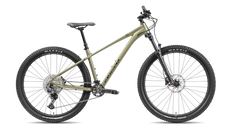
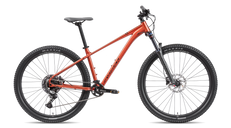
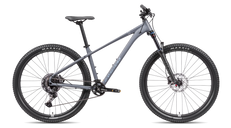
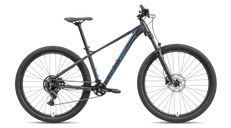
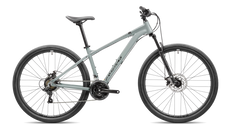
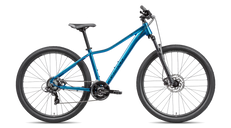
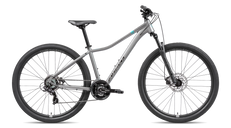
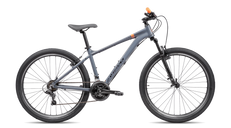
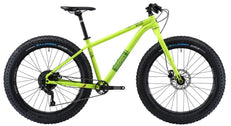
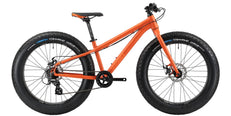
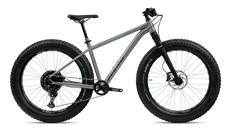
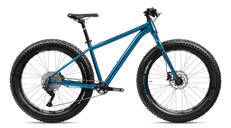
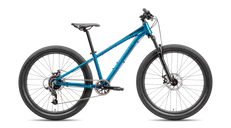
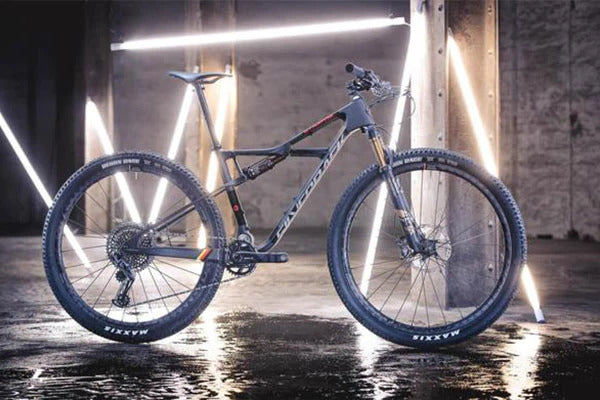
Gravel Bicycle

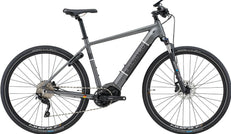
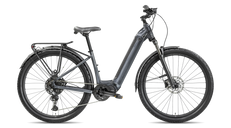
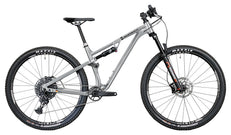
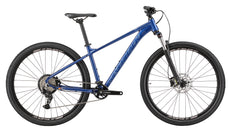
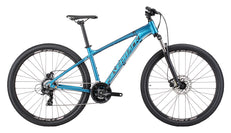
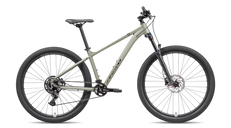
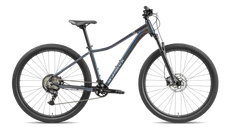
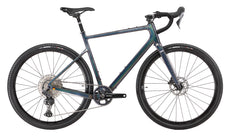
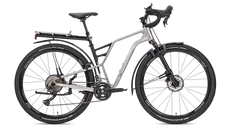
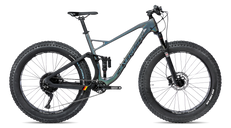
Scento Metro HD

Commute | Hybrid | Aluminium

  • ★★★★★
    ★★★★★
  • 700C
  • 12.34kg
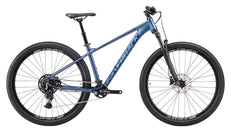
  • €899,00

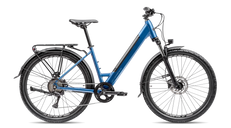
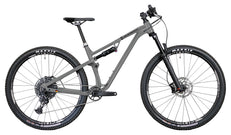
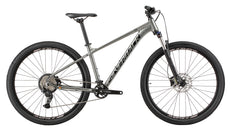
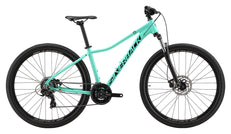
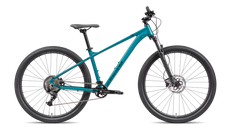
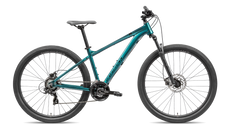
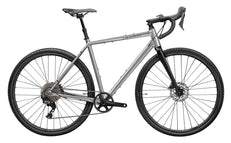
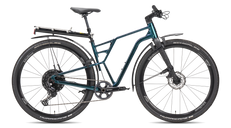
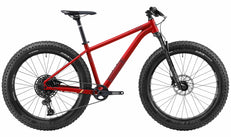
Scento Metro MD

Commute | Hybrid | Aluminium

Scento Metro MD
Explore icon-arrow
  • ★★★★★
    ★★★★★
  • 700C
  • 12.64kg
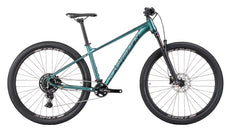
  • €799,00

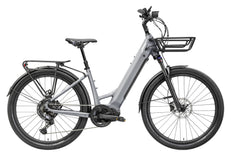
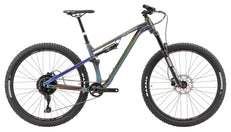
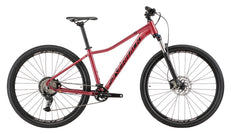
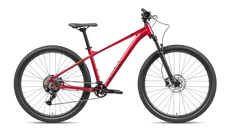
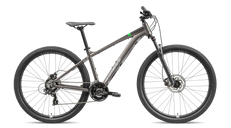
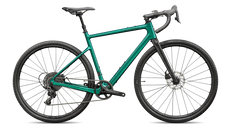
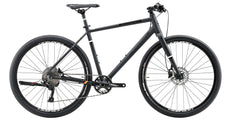
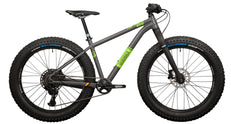
Scento Path HD

Commute | Hybrid | Aluminium

  • ★★★★★
    ★★★★★
  • 63mm Travel
  • 700C
  • 13.88kg
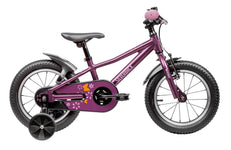
  • €899,00

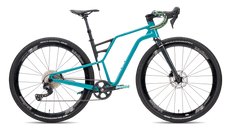
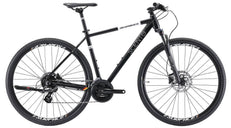
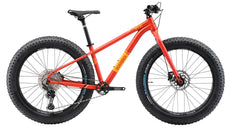
Scento Path MD

Commute | Hybrid | Aluminium

Scento Path MD
Explore icon-arrow
  • ★★★★★
    ★★★★★
  • 63mm Travel
  • 700C
  • 13.88kg
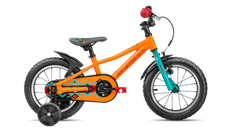
  • €799,00

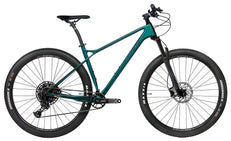
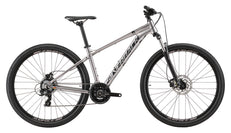
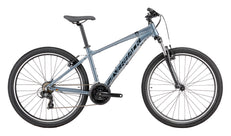
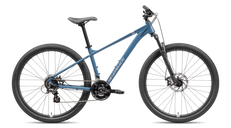
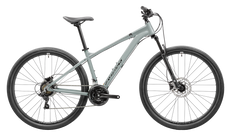
Scento Path V

Commute | Hybrid | Aluminium

Scento Path V
Explore icon-arrow
  • ★★★★★
    ★★★★★
  • 700C
  • 12.04kg
  • €699,00

FAQ's

Gravel bikes are built for mixed terrain: road, gravel paths, farm roads, and light trails. Compared to road bikes they typically have wider tyre clearance, more stable geometry, and often mounts for bags and accessories.

Silverback gravel bikes are built to feel confident on rough roads, loose gravel, and everyday tarmac. We focus on stable geometry, generous tyre clearance, reliable braking, and practical component choices, so the bike stays comfortable and controlled when the surface changes. You get the efficiency of a road bike, with the extra grip, comfort, and confidence needed for mixed terrain.

Yes, Silverback gravel bikes are a strong choice for bikepacking and long-distance touring because they balance efficiency, comfort, and versatility. Wider tyres help reduce fatigue on rough surfaces, stable handling keeps the bike predictable with bags fitted, and practical gearing makes climbs easier when you are carrying extra weight. For touring, I would always prioritize durable tyres, comfortable contact points, and enough gearing range before chasing the lightest possible setup.

It depends on terrain. For smoother hardpack, mid‑width tyres roll fast; for rougher gravel, wider tyres add control and comfort. Many riders love something in the ~35–45 mm range if the frame supports it.

Cyclocross bikes are designed around short, intense racing: quicker handling, often tighter clearances. Gravel bikes prioritize stability, comfort, and versatility over long distances, usually with more clearance and mounts.

Yes. They’re versatile, stable, and comfortable especially with wider tyres so they’re often easier to live with than a pure road bike.

Silverback gravel bikes are available in both full carbon and alloy frame options, depending on the model and riding goal. The SIABLO CF GRX uses a full carbon frame with carbon fork, 700C x 40C wheels, 1x12 Shimano gearing, and weighs around 9.5 kg, making it the better choice for performance gravel, fast mixed-terrain rides, and longer days where lower weight matters. The SE:SERIES GR AL 11 uses an alloy frame with alloy fork, 700C x 40C wheels, 1x11 Shimano gearing, and weighs around 12.2 kg, making it a practical, durable, and value-focused choice for fitness riding, commuting, and everyday gravel use.

Absolutely. Put on durable tyres, add lights, and consider mudguards if your route is wet. Gravel bikes are some of the best “one bike” solutions.

Start with your height and inseam, then check reach and stand-over comfort, because gravel bikes need to feel stable and easy to control on mixed surfaces. As a simple guide: 150–160 cm usually suits XS / 47–50 cm, 160–170 cm suits S / 50–53 cm, 170–178 cm suits M / 54–56 cm, 178–185 cm suits L / 56–58 cm, and 185–195 cm suits XL / 58–61 cm. If you are between sizes, choose the smaller size for a more agile feel and easier handling, or the larger size for a more stable, relaxed ride.

While buying gravel bikes, look with clear sizing info, tyre clearance, gearing range (especially for climbs), brake type, wheel quality, and mounts (bottles, racks, bags). Also confirm delivery/return policy and the assembly steps you’re comfortable doing.

A gravel bike usually weighs a little more than a pure road bike because it is built for wider tyres, stronger wheels, extra clearance, and rougher surfaces. In the Silverback gravel range, weights are roughly 9.5 kg to 12.2 kg depending on the frame and spec. The SIABLO CF GRX sits around 9.5 kg with a full carbon frame, while the SE:SERIES GR AL 11 is around 12.2 kg with an alloy frame. In real riding, the right tyres, comfort, and fit often matter more than chasing the lightest possible number.

Yes, commuting, fitness, weekend adventures, even light touring. If you want one bike to cover the most situations, gravel is a strong choice.

A good starter gravel bike should fit well, feel stable, and give you reliable braking, comfortable tyre clearance, and enough gearing for climbs. From Silverback, the SE:SERIES GR AL 11 is a strong entry point because its alloy frame is durable and practical, the 700C x 40C tyres give good comfort and control on mixed surfaces, and the 1x11 Shimano gearing keeps things simple while still offering useful range. For most new gravel riders, that balance of fit, tyres, braking confidence, and easy maintenance matters more than buying the lightest or most expensive bike.

A little, mainly due to tyres and riding position. Swap to faster slick/semi‑slick tyres (or a second wheelset) and the gap becomes surprisingly small.

Before buying a gravel bike, be clear about where you will ride most, smooth roads, rough gravel, forest paths, or mixed surfaces. Then check the key details: tyre clearance, gearing range for climbs, brake quality, frame material, and whether the bike has enough space and mounting options for bottles, bags, or bikepacking gear. For most riders, a 700C x 40C tyre setup is a very good all-round choice because it keeps the bike efficient on tarmac while adding comfort and grip on gravel. The right gravel bike should feel stable, comfortable, and practical for the rides you actually want to do.

The best gravel bicycle is the one that fits your body, your routes, and the type of riding you enjoy. If you want a lighter, faster, more performance-focused gravel bike, the Silverback SIABLO CF GRX is the stronger choice with its full carbon frame, carbon fork, 700C x 40C wheels, 1x12 Shimano gearing, and around 9.5 kg weight. If you want a durable, value-focused gravel bike for fitness, commuting, and everyday mixed-terrain riding, the SE:SERIES GR AL 11 is a great option with its alloy frame, 700C x 40C wheels, 1x11 Shimano gearing, and around 12.2 kg weight. For gravel, comfort, stability, and confidence over long hours matter more than chasing the lightest possible number.

Yes. Many riders choose gravel bikes for long tours because they handle mixed roads, carry gear well, and stay efficient over big distances provided you choose durable parts and the right tyres.

If you ride mixed surfaces or want one bike that can commute, train, and explore, it’s absolutely worth it. It’s one of the most versatile categories today.

A gravel bike can be very efficient and quick on the road, especially with faster tyres, but a dedicated road race bike will usually be faster in regular road racing because it has sharper aerodynamics, lighter road-focused gearing, and a more aggressive position. For real-world training, mixed routes, and rougher tarmac, though, a good gravel bike can be impressively fast while staying more comfortable and versatile.

Not necessarily. On rough roads, gravel paths, and longer mixed rides, a gravel bike can actually feel easier because the wider tyres and stable geometry reduce vibration and fatigue. On smooth tarmac, a road bike usually feels lighter and more responsive, but gravel bikes give you more comfort, grip, and confidence when the surface is not perfect.

Online chat is available 24/7

Open Chat
Google
4.8/5
star star star star star
Sold in 49 countries
logo
logo
banner