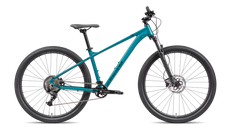
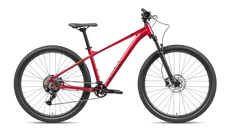
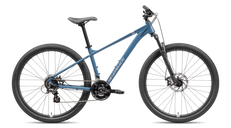
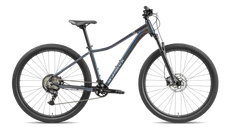
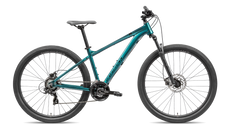
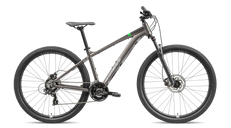
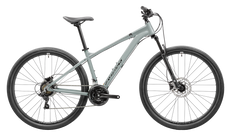
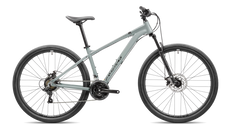
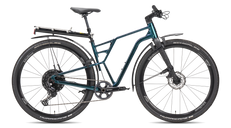
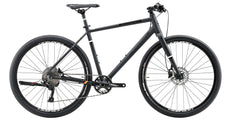
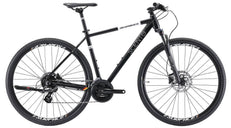
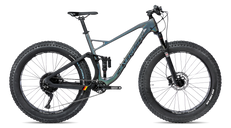
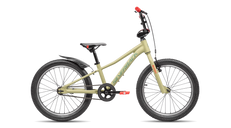
Fat Bike Hardtail – Lightweight & Efficient

Fat Bike Hardtail – The Perfect Balance

Efficient. Durable. Built to Perform.

Looking for a fat bike hardtail that balances performance, weight, and durability?

Hardtail fat bikes offer a direct, efficient riding experience with lower maintenance and strong reliability.

 Why Choose a Hardtail Fat Bike?

  • Lightweight compared to full suspension
  • Lower maintenance
  • Efficient power transfer
  • Ideal for mixed terrain

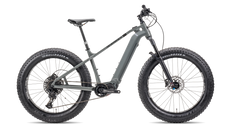
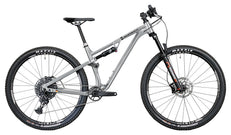
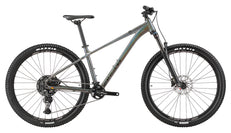
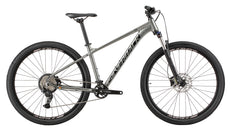
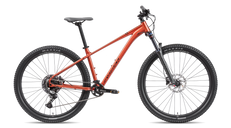
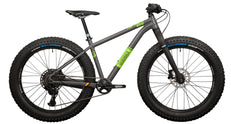
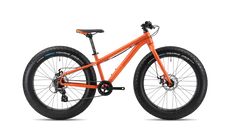
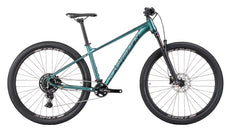
SE:Series Fat Deluxe #2

Hardtail | Fat Bike | Alloy

  • ★★★★★
    ★★★★★
  • Alloy Fork
  • 26" x 4.7" Wheels
  • 1x10 Speed Shimano
  • 15.24kg
  • €899,00
new lower price

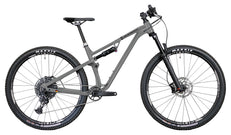
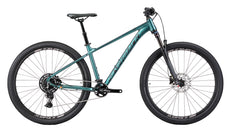
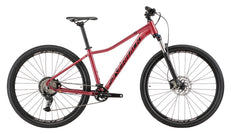
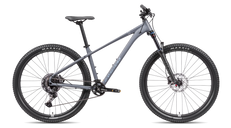
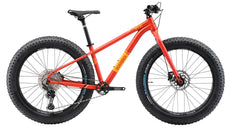
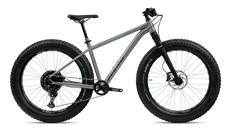
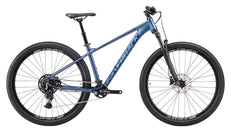
SE:Series Fat Adventure #2

Hardtail | Fat Bike | Alloy

  • ★★★★★
    ★★★★★
  • Alloy Fork
  • 26" x 4.7" Wheels
  • 1x11 Speed Shimano
  • 15.62kg
  • €899,00 (€1.399,00)

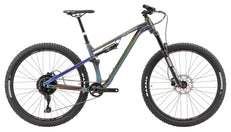
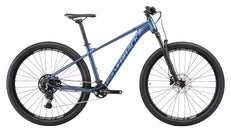
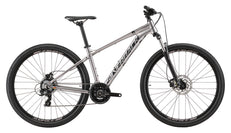
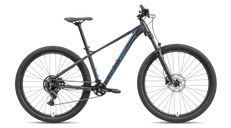
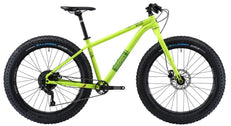
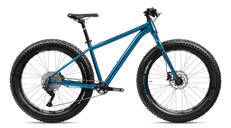
SE:Series Fat Explorer

Hardtail | Fat Bike | Alloy

  • ★★★★★
    ★★★★★
  • Carbon Rigid Fork
  • 26" x 4.7" Wheels
  • 1x12 Speed Shimano
  • 15.9kg
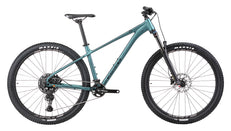
  • €1.399,00 (€1.699,00)

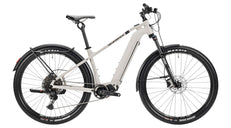
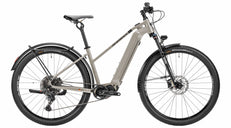
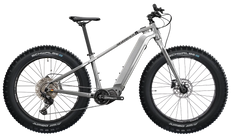
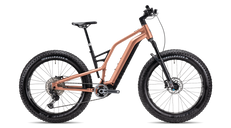
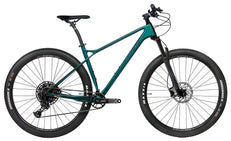
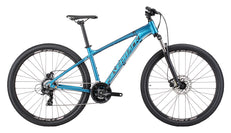
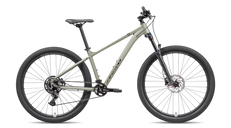
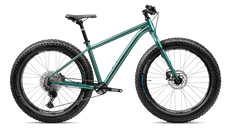
SilverRider Fat

Hardtail | E Fat | Alloy

  • ★★★★★
    ★★★★★
  • 120 mm fork
  • 26" x 4.8" Wheels
  • 1x12 Speed Shimano
  • EP-8 Shimano Motor
  • 85Nm Torque
  • 820Wh Battery
  • 24.8 kg
  • €4.299,00

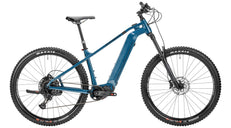
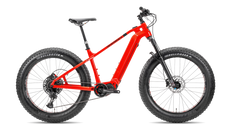
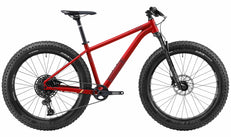
S-Electro Diamond Fat Explorer (Red)

Hardtail | E Fat | Alloy

  • ★★★★★
    ★★★★★
  • 120 mm fork
  • 26" x 4.7" Wheels
  • 1x12 Speed SRAM
  • EP-8 Shimano Motor
  • 85Nm Torque
  • 720Wh Battery
  • 24.8 kg
  • €4.499,00
graphic img
TRUST BAR

  • Engineered in Germany
  • 15+ years of fat bike expertise
  • Proven in real-world conditions
  • Durable components for long-term use
  • Optimised for efficiency and control

 Key Advantages

 1. Simplicity = Reliability

Fewer moving parts → fewer failures

 2. Efficient Riding

Direct power transfer → better pedaling efficiency

3. Lower Maintenance

No rear suspension = reduced servicing

 Common Problems in Cheap Hardtails

  • Weak frames
  • Poor geometry
  • Low-quality components

 Silverback Approach

  • Strong frame construction
  • Optimized geometry
  • Durable, proven components

Who Is It For?

✔ Riders wanting efficiency
✔ Riders looking for low maintenance
✔ Beginners and experienced riders

❌ Not ideal for:

  • aggressive downhill terrain

Hardtail vs Full Suspension

Feature: Weight

  • Hardtail: ✅ Lower
  • Full Suspension: ❌ Higher

Feature: Maintenance

  • Hardtail: ✅ Low
  • Full Suspension: ⚠️ Higher

Feature: Comfort

  • Hardtail: ⚠️ Medium
  • Full Suspension: ✅ High

 Explore Hardtail Fat Bikes

👉 Simple. Reliable. Efficient.

FAQs

Yes — it’s one of the best choices for beginners.

  • Simple design (no rear suspension)
  • Easy to maintain
  • Very stable due to wide tires

👉 Ideal for building confidence on any terrain.

A hardtail fat bike features:

  • Wide tires (4.0–4.8”)
  • Front suspension or rigid fork
  • No rear suspension

👉 This makes it lighter, simpler, and more efficient than full-suspension models.

It depends on your riding style:

  • Hardtail → more efficient, lighter, lower maintenance
  • Full suspension → more comfort, better on rough terrain

👉 For most riders, especially beginners → hardtail is the smarter choice

Yes — significantly.

  • fewer moving parts
  • no rear shock
  • simpler frame

👉 Lower maintenance cost and fewer issues over time.

Yes — especially on flat or mixed terrain.

👉 Because:

  • less weight
  • no energy loss through rear suspension

👉 They feel more responsive and efficient.

Yes — and they perform well on roads compared to other fat bikes.

  • smoother pedaling
  • better efficiency
  • Good for commuting

👉 Still slower than road bikes, but much more comfortable.

Not always.

  • Fat tyres already absorb shocks naturally.

👉 For:

  • snow
  • sand
  • light trails

👉 A hardtail is often completely sufficient

  • €600–€1,200 → entry-level
  • €1,200–€2,500 → mid-range
  • €2,500+ → high-end

👉 Better bikes offer:

  • stronger components
  • longer lifespan
  • better ride quality

Yes — especially on moderate terrain.

They offer:

  • efficient pedaling
  • stable handling
  • reduced fatigue (thanks to wide tyres)

👉 For very rough terrain, full suspension may be better.

Key factors:

  • Tire width (4.0–4.8”)
  • Frame geometry (stability)
  • Reliable components (brakes, drivetrain)
  • Balance between weight and durability
  • Focus on quality and simplicity over complexity

Online chat is available 24/7

Google
4.8/5
star star star star star
Sold in 49 countries
logo
logo
Banner