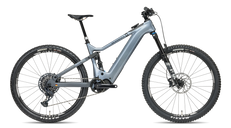
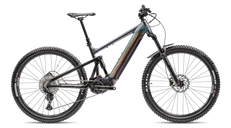
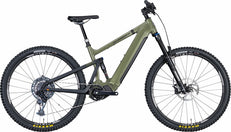
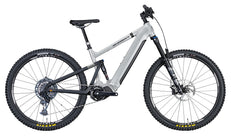
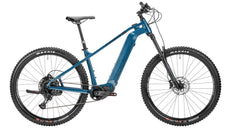
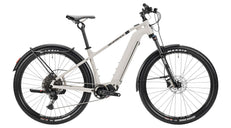
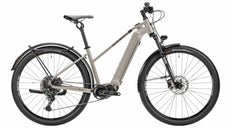
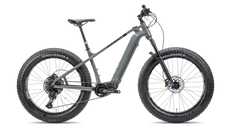
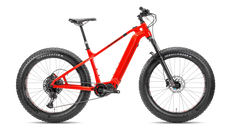
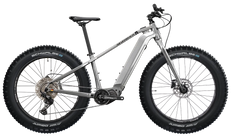
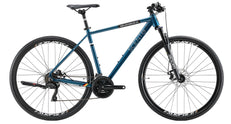
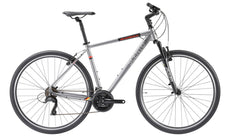
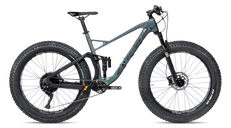
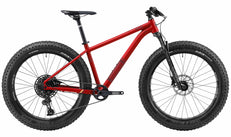
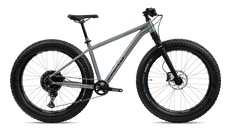
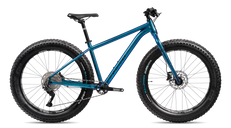
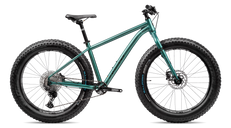
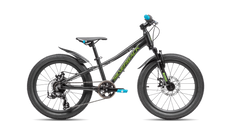
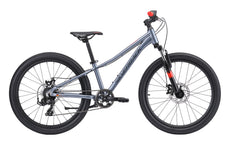
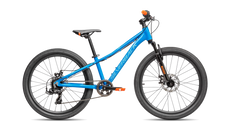
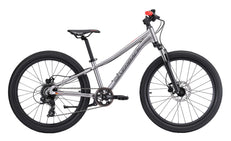
Find Your Hardtail Fat Bike
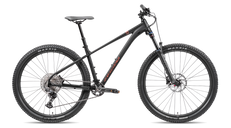
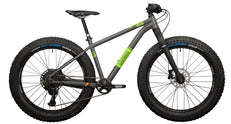
A hardtail has no rear suspension. It can use either a rigid fork or a suspension fork, so the bikes in this collection do not all offer the same ride feel or servicing requirements. Wide tyres are a defining feature of fat bikes, but suitability for a particular route depends on the bike's intended use, tyre setup and conditions.
Rigid-Fork Bikes for a Straightforward Setup
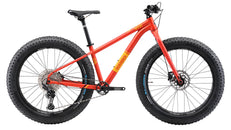
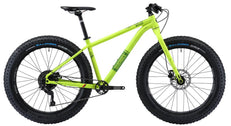
The SE:Series Fat Deluxe pairs a Shimano 1×10 drivetrain with an alloy fork. The SE:Series Fat Adventure is listed with an alloy rigid fork, a 1×11 drivetrain and Shimano hydraulic disc brakes. These are useful starting points when comparing uncomplicated builds for everyday adventures and touring.
Carbon-Fork and Suspension-Fork Options
The SE:Series Fat Single is listed with a carbon fork and Shimano Deore 1×12 drivetrain. The SE:Series Fat Explorer description also specifies a carbon fork and 4.7-inch tyres. For a different front-end setup, the SE:Series Fat SX is listed with a Bluto suspension fork and SX Eagle 1×12 drivetrain. Check each exact model and variant before choosing.
Electric Fat Bikes for Assisted Riding
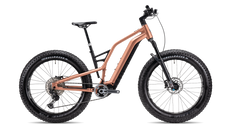
This collection also includes S-Electro Diamond Fat Explorer and Fat Adventurer listings. Their descriptions specify a 720 Wh internal battery that can be charged in the frame or removed. Electric and non-electric bikes should be compared separately for weight, servicing and riding requirements. Battery capacity alone does not establish range.
What Does Lightweight and Efficient Mean for Your Ride?
Complete-bike weight varies with frame size, fork, wheels, tyres, components and electric assistance. The SE:Series Fat Deluxe listing quotes 15.24 kg; this figure should not be applied to other models. Compare the exact build you are buying rather than assuming that every hardtail fat bike is equally light.
A rigid-fork setup avoids suspension-fork servicing, while a suspension-fork hardtail adds front suspension and its maintenance requirements. All bikes still need routine attention to tyres, drivetrain, brakes and fasteners. Choose a setup that balances your riding needs with the maintenance you are comfortable carrying out.
How to Choose the Right Fat Bike
Match the Bike to Your Terrain
Consider how much of your riding involves firm trails, loose surfaces, touring or everyday travel. Check the intended-use guidance for the specific model. Wide tyres do not guarantee grip on every surface, and snow, sand and wet conditions require an appropriate setup and riding technique.
Check Size, Tyres and Gearing
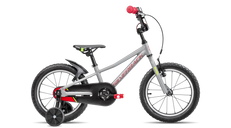
Compare the frame geometry and available sizes, then review wheel dimensions, tyre clearance and drivetrain specifications. Several adult SE:Series listings describe 4.7-inch tyres, while the SE Series Fat 24 description specifies 4.0-inch tyres. Specifications are model-specific and can vary between versions.
Plan Your Accessories and Maintenance
Before adding racks, mudguards, bags or replacement tyres, confirm mounting points and compatibility. Follow the manufacturer's pressure limits and servicing instructions. Review current availability, exact specifications and included equipment on the individual product page before ordering.


 150/145mm Travel
 29" x 2.5" Wheels
 1x12 Speed SRAM AXS
 EP-801 Shimano Motor
 85Nm Torque
 720Wh Battery
 from 20.9kg