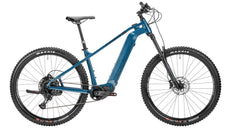
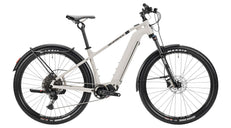
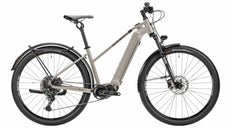
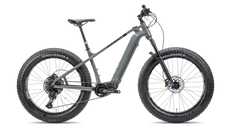
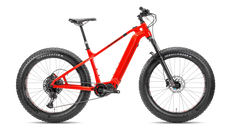
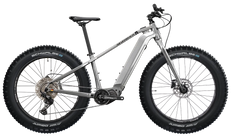
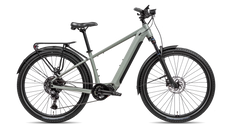
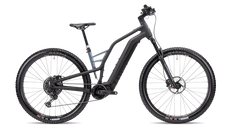
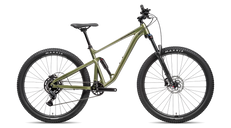
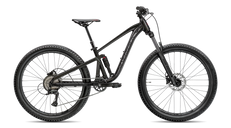
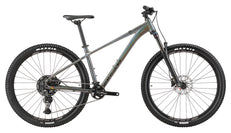
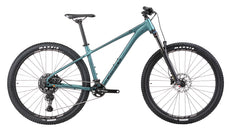
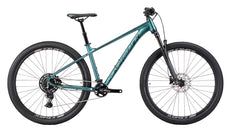
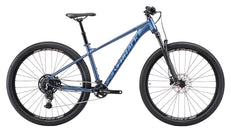
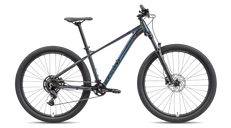
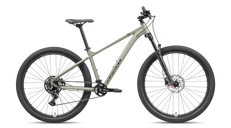
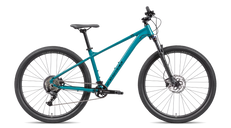
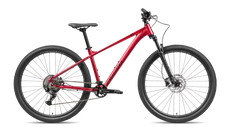
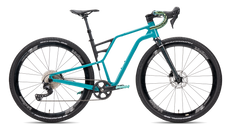
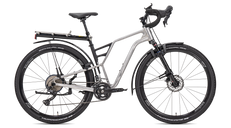
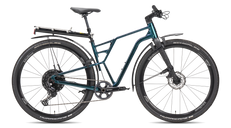
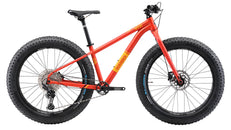
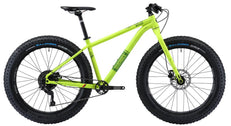
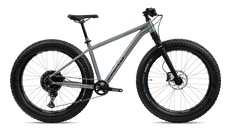
Why Choose a Full Suspension Fat Bike?
A full suspension fat bike pairs high-volume tyres with a suspension fork and a rear shock. The tyres and suspension perform different jobs: tyre volume helps the bike adapt to uneven and loose surfaces, while suspension manages impacts from roots, rocks and repeated trail bumps. Together, they offer an alternative to a rigid or hardtail fat bike for riders who spend more time on rough terrain.
Front and Rear Suspension for Rough Trails
Rear suspension allows the back wheel to move over obstacles rather than transmitting every impact directly through the frame. Alongside the front fork, it can help maintain wheel contact and reduce the harshness of uneven trails. Correct setup matters: suspension pressure, rebound and tyre pressure should suit your weight, terrain and riding style.
Wide Tyres for Changing Conditions
Fat-bike tyres provide a broad footprint that can be useful on loose ground, sand and snow. Grip and flotation depend on tyre tread, pressure, rider weight and surface conditions. Wide tyres are not a guarantee of traction on ice or in every type of snow, so adapt your riding to the conditions.
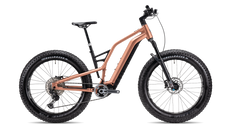
Discover the Silverback Synergy Carbon Fat Bike
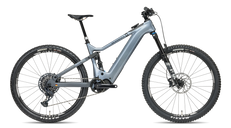
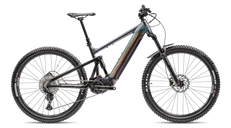
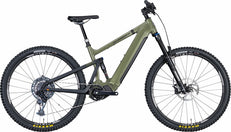
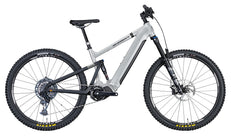
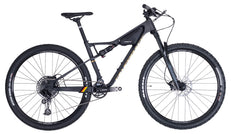
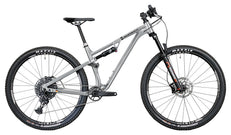
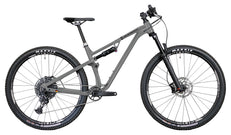
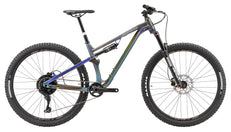
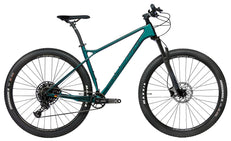
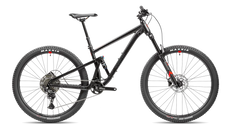
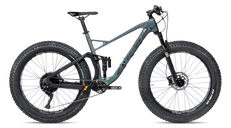
The Synergy brings full suspension to a carbon fat-bike platform. Its verified specification includes 120 mm of front suspension travel and 110 mm of rear travel through the IDS Revo suspension system. This combination is designed to absorb trail impacts while retaining the wide-tyre character that makes fat-bike riding distinctive.
Carbon Frame and IDS Revo Rear Suspension
The Synergy uses a carbon frame and Silverback's IDS Revo rear suspension. With 110 mm of rear travel, it offers a suspension-equipped option for riders looking beyond a rigid rear end. Check the product page for the current complete build, sizing and component details before choosing your bike.
120 mm Front Travel and 110 mm Rear Travel
The Synergy's front and rear travel figures describe how far the suspension can move; they are not tyre dimensions. Use them alongside frame geometry, fit and component specifications when comparing bikes. A well-matched setup is more useful than choosing by travel alone.
How to Choose Your Full Suspension Fat Bike
Start with Fit and Riding Terrain
Choose a frame size using the model's size guidance, then consider your usual routes. Riders tackling roots, rocks and uneven woodland trails may value rear suspension more than riders spending most of their time on smooth tracks. Consider your reach, riding position and confidence on the bike, not just your height.
Check Tyre Compatibility and Suspension Setup
Before changing tyres or wheels, confirm the frame, fork and rim compatibility for the exact build. Set up the fork and rear shock according to their manufacturers' instructions. Adjust tyre pressure within the tyre and rim limits, taking account of rider weight and terrain rather than relying on a single pressure recommendation for every ride.
Find Your Next Fat-Bike Adventure
Compare the Synergy carbon fat bike's sizing and current specifications to find out whether its full-suspension setup suits your riding. Start with fit, match the bike to your terrain and take time to dial in the suspension and tyres before heading onto the trail.


 150/145mm Travel
 29" x 2.5" Wheels
 1x12 Speed SRAM AXS
 EP-801 Shimano Motor
 85Nm Torque
 720Wh Battery
 from 20.9kg