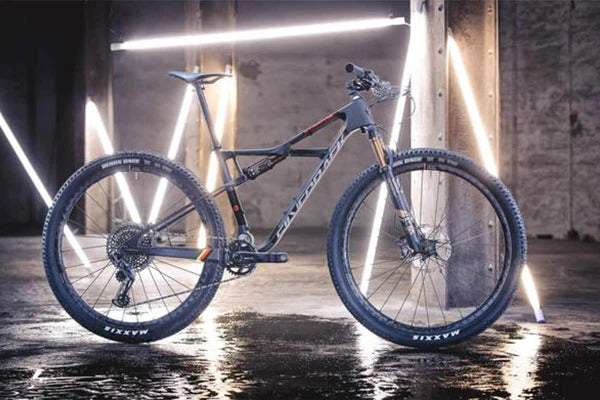
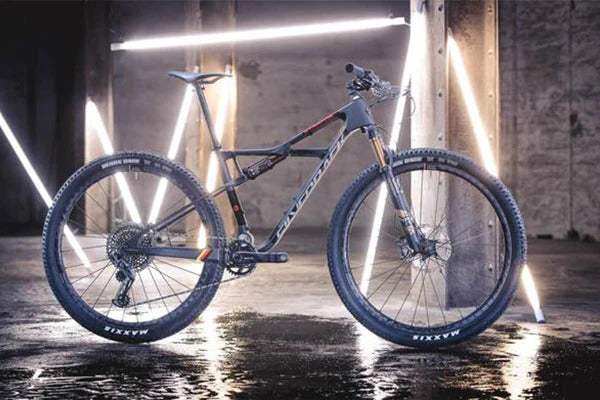
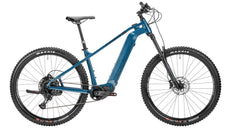
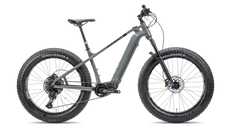
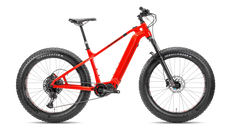
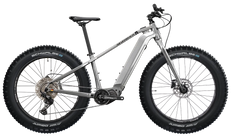
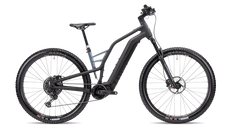
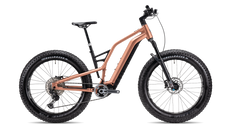
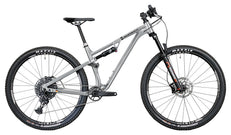
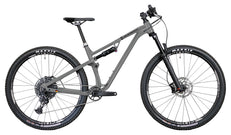
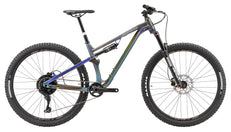
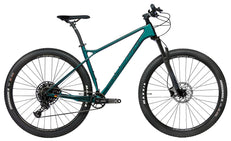
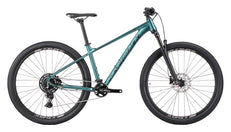
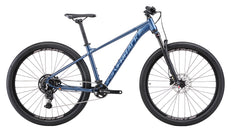
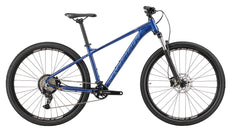
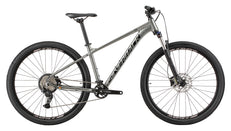
150/145mm Travel
 29" x 2.5" Wheels
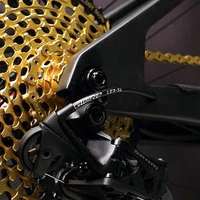
 1x12 Speed SRAM AXS
 EP-801 Shimano Motor
 85Nm Torque
 720Wh Battery
 from 20.9kg


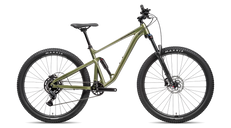
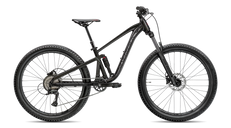
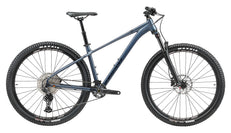
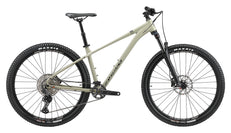
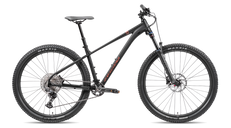
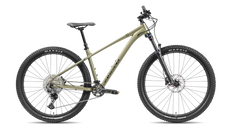
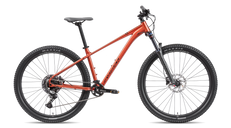
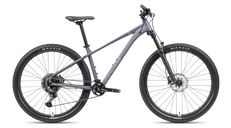
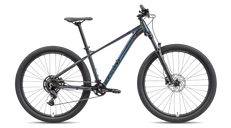
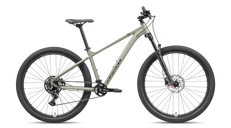
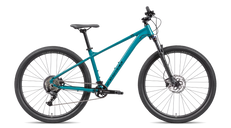
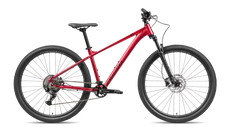
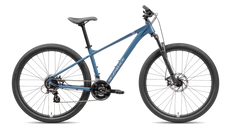
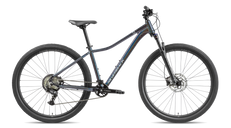
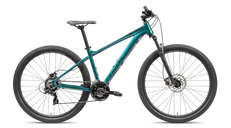
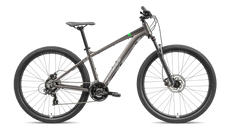
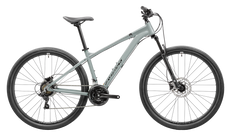
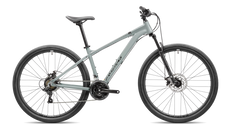
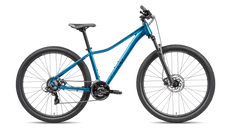
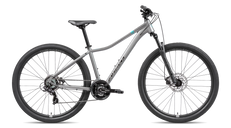
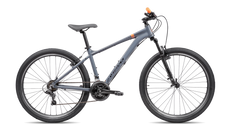
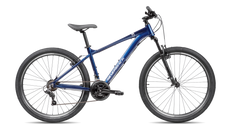
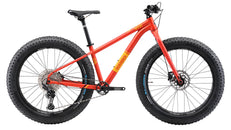
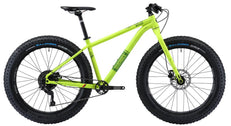
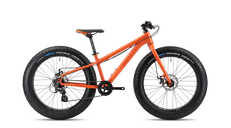
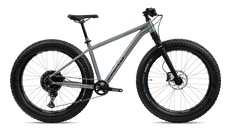
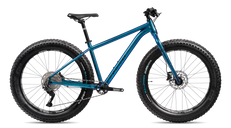
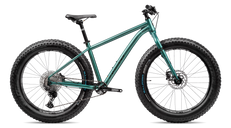
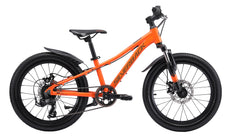
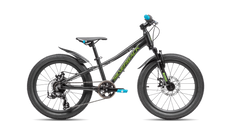
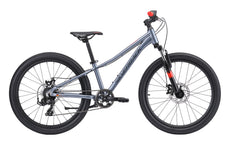
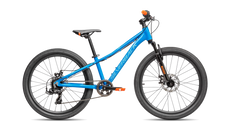
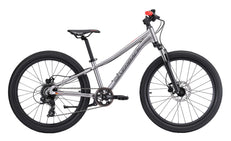
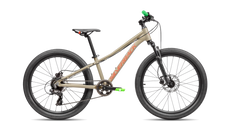
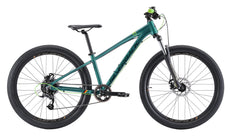
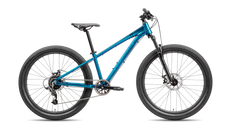
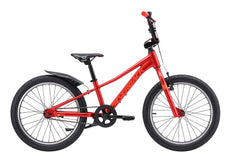
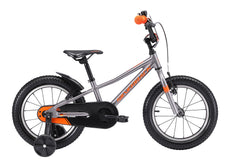
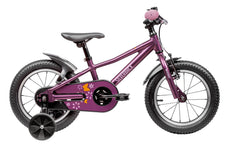
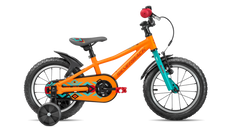
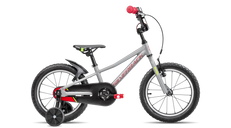
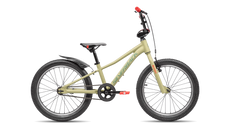




Your child does not automatically need stabilisers before learning to ride. A balance bike can let them practise pushing, gliding and steering before adding pedals. Stabilisers support a pedal bike so a child can practise pedalling, but they do not reproduce the same balancing experience as riding on two wheels. Choose the approach that fits your child’s current abilities, confidence and bicycle, rather than following a rigid age-based rule.
Balance bikes and stabilisers teach different parts of riding
A balance bike has no pedals. The rider moves it with their feet and can gradually practise short glides. A suitable fit lets them manage the bike and use its intended stopping method. The learning focus is balance and steering, with pedalling introduced later.
Stabilisers are supporting wheels fitted to a compatible pedal bike. They can make supported pedalling possible, but a rider still needs to learn independent balance when the supports are removed. Neither approach removes the chance of a fall or replaces supervision.
Start with our guide to choosing a learner bike to assess the complete bicycle and practice environment.
Stabilisers versus balance bike: a practical comparison
| Question | Balance bike | Pedal bike with stabilisers |
|---|---|---|
| Main practice task | Pushing, steering and gradually gliding | Pedalling and steering with additional support |
| Independent balance | Can be practised during glides | Still needs attention when supports are removed |
| Fit priority | Manageable size and appropriate foot contact | Suitable frame, accessible controls and approved setup |
| Next transition | Add pedalling and coordinate the new controls | Learn to balance without the supporting wheels |
| Important limitation | Does not teach pedalling by itself | Does not guarantee stability on every surface |
When a balance bike may be a useful starting point
A balance bike can suit a child who enjoys pushing along and is ready to experiment with lifting their feet briefly. It separates the balancing task from the pedalling task. The bike should be manageable enough for the child to steer, slow down and regain foot contact without feeling overwhelmed.
Do not assume every child will glide immediately or move to pedals within a particular number of sessions. Walking the bike is part of getting familiar with it. Keep practice short and let the child progress without pressure.
When stabilisers may be a practical option
Some children want to practise pedalling on a suitable bicycle they already own. Compatible stabilisers may offer a supported introduction. Have them fitted and adjusted according to the bicycle and stabiliser manufacturers’ instructions; do not assume a universal accessory fits every axle or frame.
Use the recommended practice surface and avoid treating the supports as protection against tipping. Uneven ground, slopes and obstacles can create problems. Follow the instructions instead of improvising an adjustment intended to force the child to balance.
If your child relies heavily on the supports, removing them is a new learning step, not simply an equipment change. Arrange a calm setting and consider help from a qualified cycling instructor.
Fit matters whichever route you choose
Measure before comparing bikes
Record current height and inseam using our inseam measuring guide. Check the exact model’s sizing information rather than choosing by birthday alone.
Do not buy a bike that needs growing into
A distant handlebar or unmanageable frame can make either approach frustrating. Our guide to growing room explains the difference between useful adjustment and a bicycle that is too large today.
Check stopping as carefully as starting
Teach the stopping method for the actual bicycle. When moving to a pedal bike, do not assume the child already understands its controls. Read our hand brakes versus coaster brake comparison before choosing a braking setup.
How to judge readiness for a pedal bike
Look for comfort steering, predictable stopping and willingness to try another task. A child who can glide may still need time to coordinate pedalling. A child who pedals confidently with stabilisers may still need balance practice. Progress is individual, and taking a step back is not failure.
Use a level, quiet, traffic-free space with close adult supervision. Fit a suitable cycling helmet, use closed shoes and secure loose clothing. Our kids’ bike safety guide covers additional pre-ride checks.
Choosing the eventual pedal bike
For riders whose measurements match the sizing guidance, compare the Skid 14 (New Gen) and Skid 16 (New Gen). These are pedal-bike options, not balance bikes, and accessory compatibility must be confirmed separately.
Older or taller beginners can investigate the Skid 20 (New Gen) or Spyke 20 (New Gen). Being new to cycling does not mean choosing the smallest wheel size.
Compare your next pedal bike: match your child’s measurements to the current product guidance, then arrange a supervised fit check before buying.
Get setup help: ask a qualified retailer or cycling instructor to assess fit, controls and a suitable transition plan. Do not remove pedals or change supporting equipment without checking suitability first.
Frequently asked questions
Are stabilisers a necessary stage?
No. Some children practise balance first and then move to pedals. Others use supported pedalling. Neither route is compulsory for every learner.
Can an older beginner use a balance-first approach?
Potentially, with appropriately sized equipment and suitable guidance. Do not force an older child onto a small bicycle designed for a younger rider.
Can I turn a pedal bike into a balance bike?
Ask a qualified retailer whether adaptation is appropriate for that model. Pedal removal alone does not guarantee a suitable fit, clearance or stopping setup.
Which approach guarantees faster learning?
Neither. Confidence, fit, practice opportunities and individual coordination all influence progress. Avoid setting a deadline.
Plan the next step around your child: explore the Silverback kids’ bike collection and choose a suitable pedal bike when they are ready, not because a timetable says they should be.