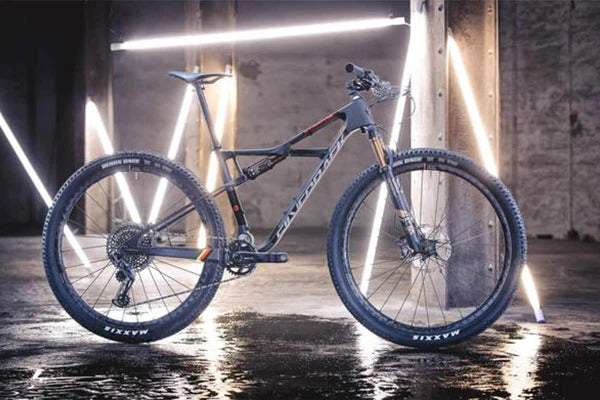
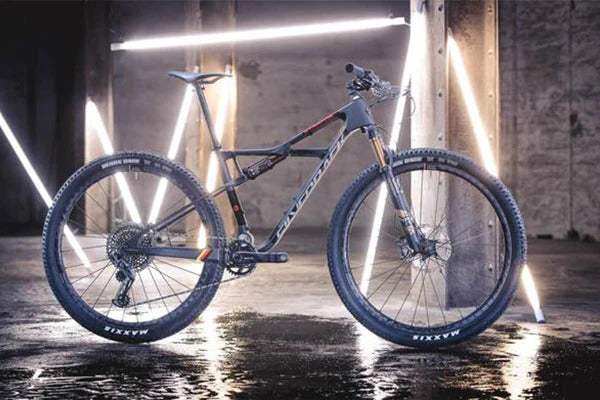
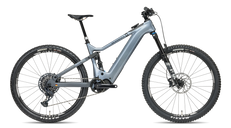
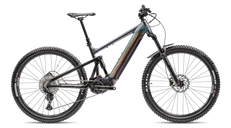
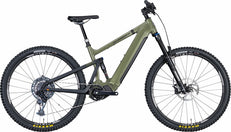
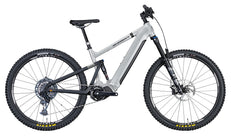
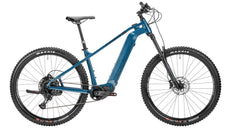
150/145mm Travel
 29" x 2.5" Wheels
 1x12 Speed SRAM AXS
 EP-801 Shimano Motor
 85Nm Torque
 720Wh Battery
 from 20.9kg


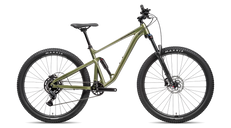
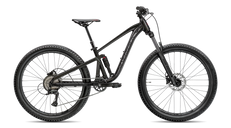
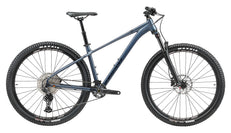
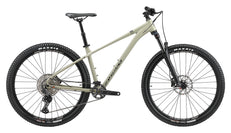
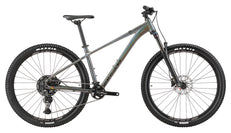
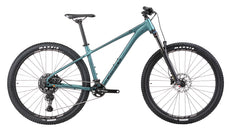
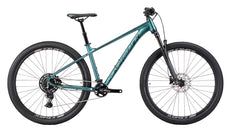
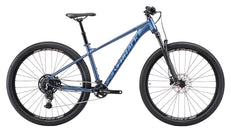
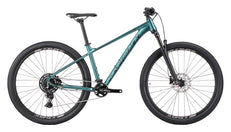
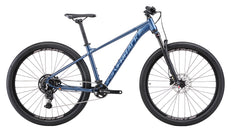
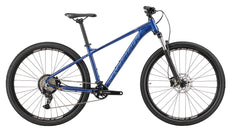
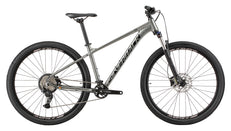
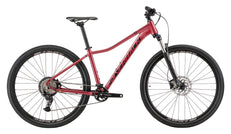
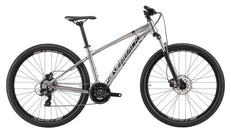
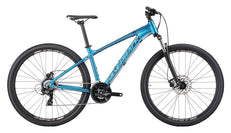
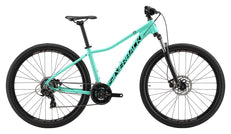
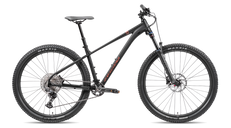
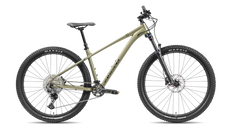
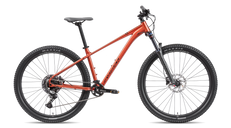
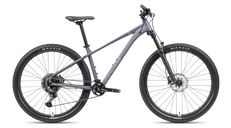
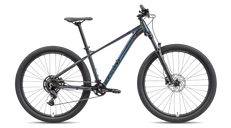
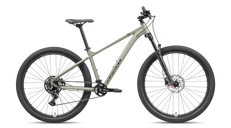
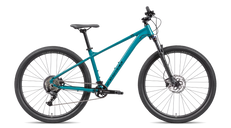
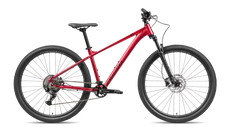
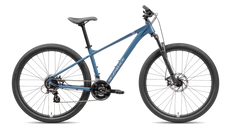
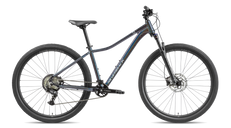
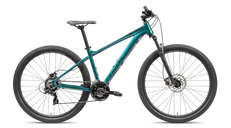
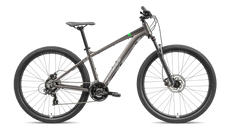
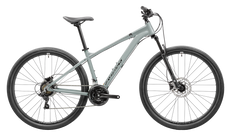
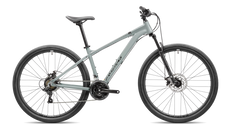
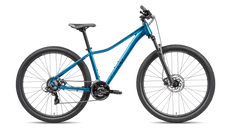
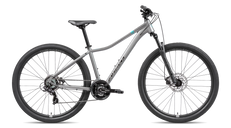
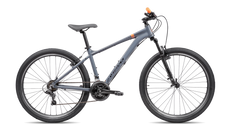
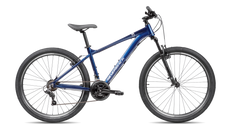
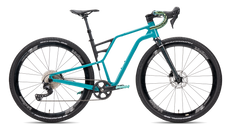
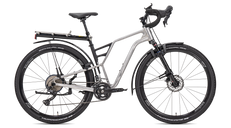
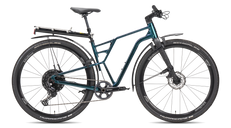
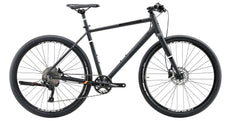
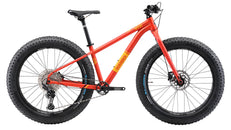
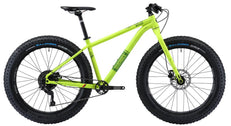
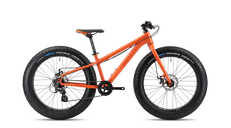
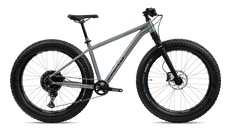
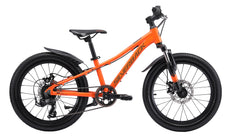
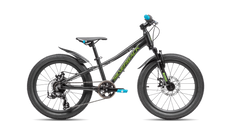
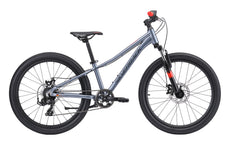
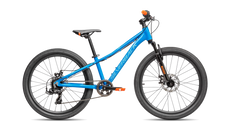
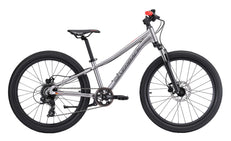
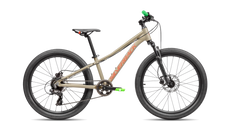
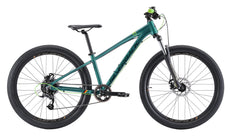
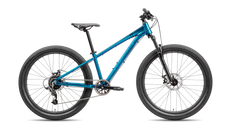
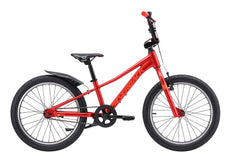
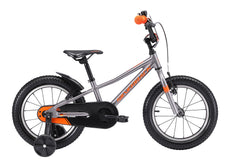
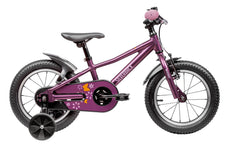
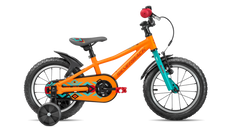
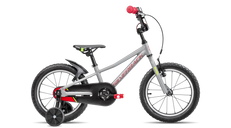
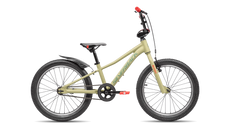





Should your child’s bike have hand brakes or a coaster brake? Choose a bicycle with a braking system your child can understand and operate reliably in a comfortable riding position. Hand brakes use handlebar levers; a coaster brake is operated by backpedalling and acts on the rear wheel. Neither is automatically the best choice for every child. Fit, adjustment, coordination and supervised practice matter more than a simple age rule.
What is the difference between hand brakes and a coaster brake?
Hand brakes let a rider operate the fitted brake or brakes using levers. The exact equipment varies: rim brakes and disc brakes can both be hand-operated, and the number of levers and their arrangement depend on the bicycle. Check the model’s instructions rather than assuming which lever controls which wheel.
A coaster brake is built into a suitable rear hub and activates when the rider pushes the pedals backward. Some bicycles combine it with a hand-operated front brake. Do not assume that the presence of a coaster brake means there are no hand controls to learn.
Our guide to choosing a learner bike explains why the whole bicycle and rider need to be assessed together.
Hand brakes versus coaster brakes at a glance
| Buying consideration | Hand brakes | Coaster brake |
|---|---|---|
| How the brake is operated | Squeezing the fitted handlebar lever | Pushing the pedals backward |
| What to assess | Finger reach, grip and controlled lever operation | Understanding of backpedalling and reliable pedal contact |
| Pedal positioning | Braking is controlled separately from the pedals | Backpedalling engages the brake rather than freely repositioning the cranks |
| Learning task | Coordinate steering and lever use | Distinguish forward pedalling from the braking action |
| Buying decision | Test the exact fitted controls | Test the complete braking setup, including any hand brake |
When hand brakes may be a good fit
The levers suit small hands
Your child should reach the levers without stretching their fingers excessively or rotating their wrists awkwardly. They need to keep a secure hold on the handlebars while applying the brakes. Some levers allow reach adjustment, but adjustment must follow the manufacturer’s instructions and cannot fix every unsuitable setup.
Your child can apply them progressively
Ask a qualified retailer to demonstrate the controls and check the adjustment. During supervised practice, look for a deliberate, repeatable stopping action rather than sudden grabbing or hesitation. Do not judge suitability from one stationary squeeze alone.
Separate pedal and brake control is useful
With a suitable hand-braked setup, the child can practise positioning the pedals for starting without using that movement as the braking input. This can be helpful, but it still requires coordination. A child accustomed to backpedalling to stop needs time to learn different controls.
When a coaster-brake setup may suit a child
Some learners find the backward pedal action straightforward, especially if they struggle with a particular hand lever. The important test is whether the child actually performs the action when asked to stop, not whether an adult thinks it should feel intuitive.
Watch for learners who backpedal while trying to arrange the pedals for a start, or lift their feet away when uncertain. These habits can complicate use of a coaster brake. If the bicycle also has a hand brake, practise that control too. No braking system removes the need for appropriate instruction and supervision.
Five checks to make before buying
Check overall fit first
A stretched riding position can make braking harder. Start with current measurements using our child inseam measuring guide. Avoid choosing a larger frame just to obtain a preferred brake type; our guide to buying growing room explains the trade-off.
Inspect the exact bicycle
Check current specifications, the assembled bike and its instructions. Equipment can differ between model generations. Our kids’ bike buying guide helps you compare the complete package rather than one component.
Test reach and understanding
Ask your child to explain and demonstrate how to stop. Make sure they can operate every fitted control in the intended riding position.
Practise controlled stops
Use a level, traffic-free practice area with close adult supervision. Begin at low speed and pause if the child becomes tired, upset or confused.
Have adjustment checked
Brake performance depends on condition and setup. Have a qualified retailer inspect unfamiliar equipment, and follow the bike’s maintenance instructions. Our kids’ bike safety guide covers additional pre-ride considerations.
Compare Silverback options using current specifications
For smaller riders, investigate the Skid 14 (New Gen) and Skid 16 (New Gen). For children whose measurements suggest a larger option, compare the Skid 20 (New Gen) and Spyke 20 (New Gen). These are fit-based starting points, not a claim that every listed model uses the same brake system.
Compare a relevant model: read its current brake specification and sizing guidance, then ask to test the actual controls with your child.
Before the first ride: have a qualified retailer check fit, brake adjustment and lever operation, and demonstrate the correct stopping technique for that bicycle.
Frequently asked questions
Are hand brakes always better for children?
No. A suitable, correctly adjusted system the child can use reliably matters more than a blanket ranking.
Can a child use both types on one bike?
Some bicycles combine them. Check the fitted equipment and teach the child how the complete system works.
Should I convert a coaster-brake bike to hand brakes?
Do not treat it as a simple swap. Frame, fork, wheel and component compatibility require professional assessment. A different complete bicycle may be more appropriate.
Does a birthday mean it is time to change brake type?
No. Assess fit, coordination and reliable operation rather than applying a universal age cutoff.
Choose controls your child can use: explore the Silverback kids’ bike collection, compare current equipment and prioritise predictable stopping over assumptions.