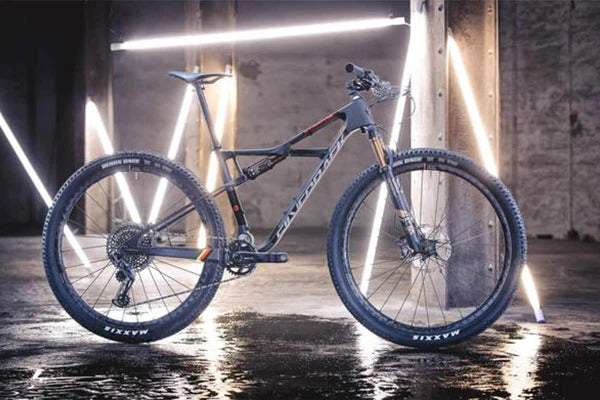
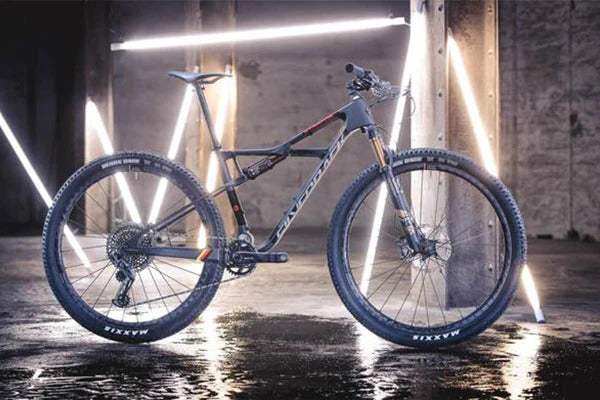
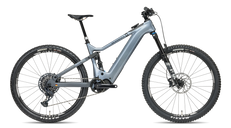
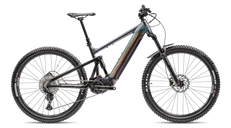
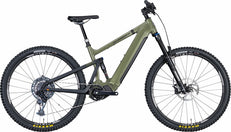
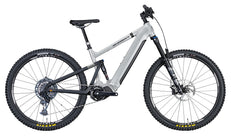
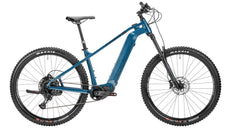
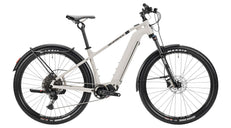
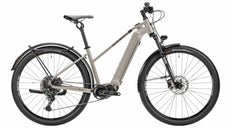
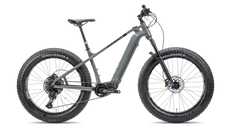
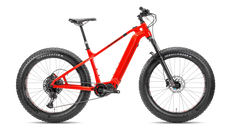
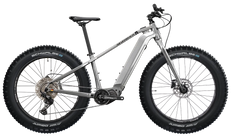
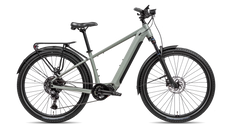
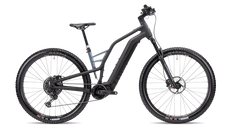
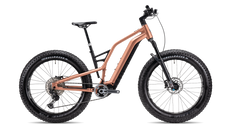
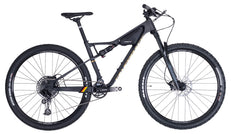
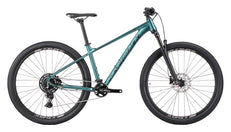
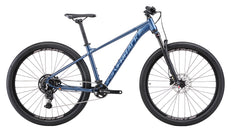
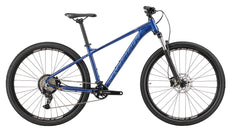
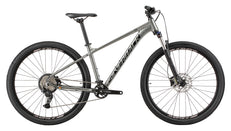
150/145mm Travel
 29" x 2.5" Wheels
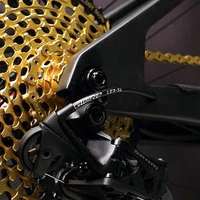
 1x12 Speed SRAM AXS
 EP-801 Shimano Motor
 85Nm Torque
 720Wh Battery
 from 20.9kg


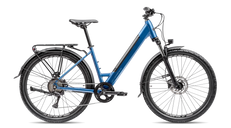
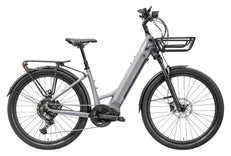
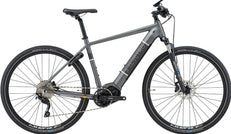
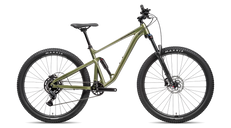
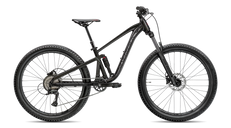
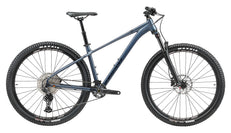
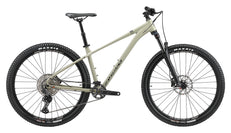
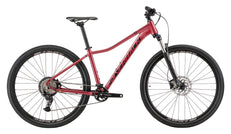
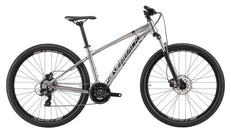
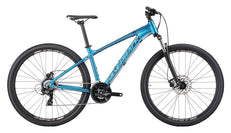
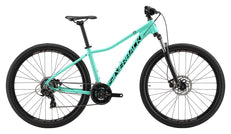
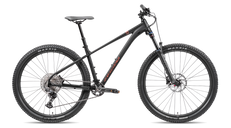
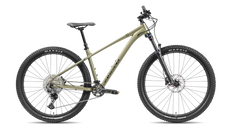
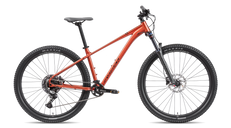
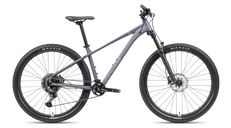
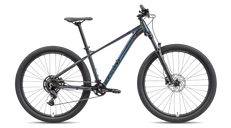
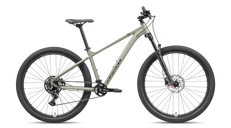
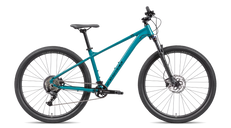
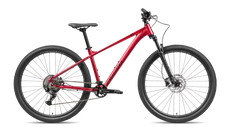
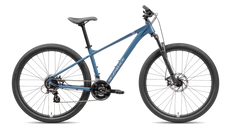
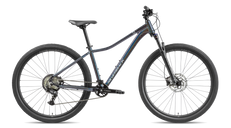
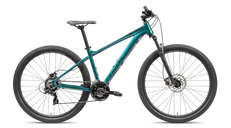
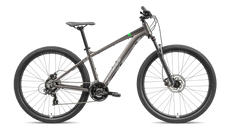
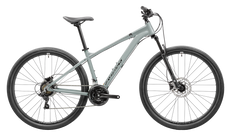
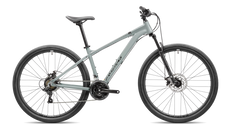
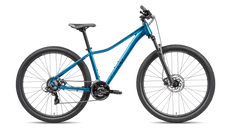
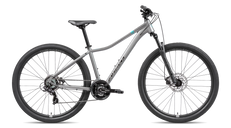
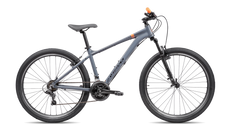
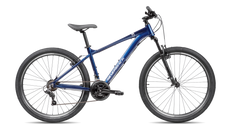
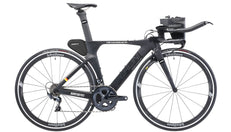
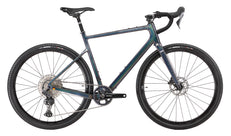
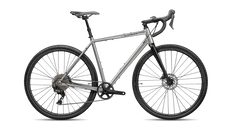
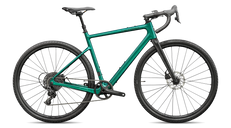
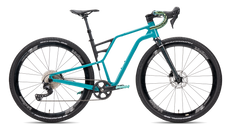
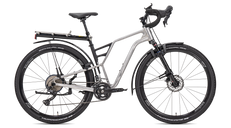
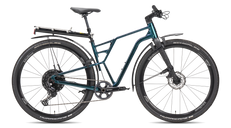
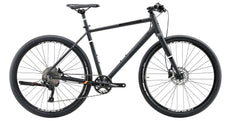
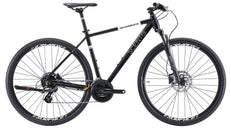
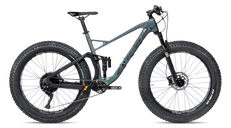
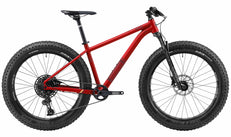
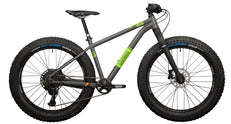
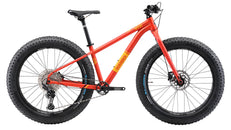
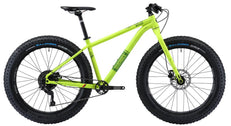
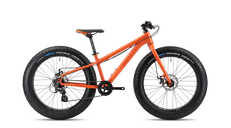
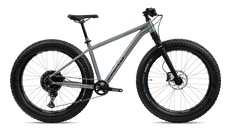
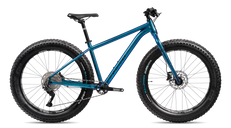
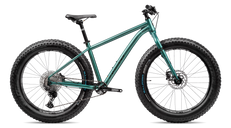
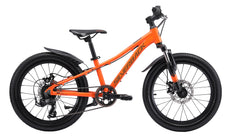
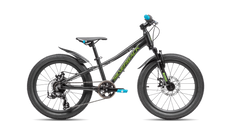
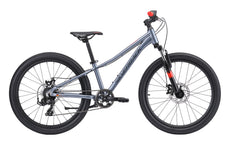
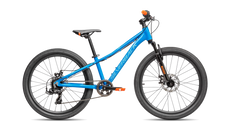
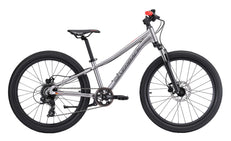
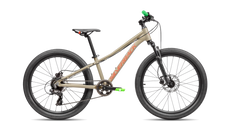
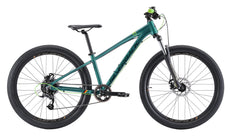
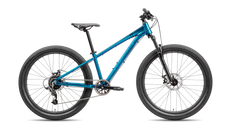
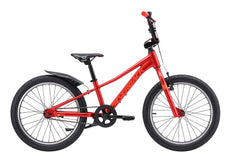
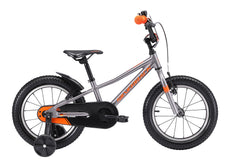
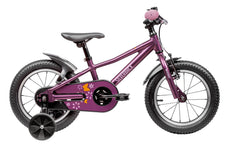
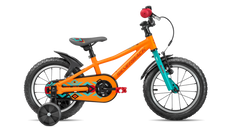
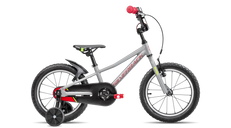
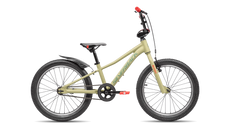




Should you buy a bigger bike so your child can grow into it? Usually, no: choose a bicycle your child can control comfortably now, with adjustment room that stays within the manufacturer’s limits. A larger wheel size is not a saving if it makes starting, stopping or steering intimidating. The useful question is not “How many birthdays will this last?” but “Can my child ride this confidently today?”
Growing room is not the same as an oversized bike
Children grow quickly, and nobody wants to replace a bike unnecessarily. Sensible growing room means a suitable frame with some remaining saddle adjustment. Oversizing means accepting a poor fit now in the hope that future growth will fix it. Lowering the saddle does not shorten a frame, bring distant handlebars closer or make brake levers easier to reach.
Start with our guide to choosing the right kids’ bike, then compare actual bicycles rather than using wheel size as the complete sizing system.
Five checks before choosing the larger size
1. Getting on and off
Your child should be able to mount and dismount without being lifted or catching themselves awkwardly on the frame. Check clearance using the manufacturer’s sizing guidance and the shoes they normally ride in. Frame shape matters, so two bikes with identical wheel sizes can feel different.
2. Comfortable handlebar reach
Look for relaxed shoulders and a natural bend in the elbows. Your child should turn the bars without stretching, locking their arms or sliding forward off the saddle. A test ride is more useful than a photograph of them sitting still.
3. Independent braking
Ask your child to operate the brakes in the intended riding position. They should reach the controls and apply them confidently without twisting their hands awkwardly. Ask a qualified bike shop to assess lever adjustment where available. Do not assume adjustment can correct an unsuitable overall fit.
4. Controlled starts and stops
In a traffic-free area, check that your child can start, ride slowly, turn and stop under control. A learner may need a different saddle setup from an experienced pedaller. Get fitting help rather than relying on a universal rule about how both feet should touch the ground.
5. Managing the bike off the saddle
Can your child push it, turn it around and recover after a wobble? If the bicycle feels unmanageable even before pedalling, buying extra size is unlikely to improve the experience. Our kids’ bike safety guide provides further checks before riding.
Correct fit versus buying a size up
| Decision point | Fits today with adjustment room | Too large today |
|---|---|---|
| Reach | Relaxed arms and accessible controls | Stretching or locked elbows |
| Stopping | Repeatable, controlled stops | Hesitation or awkward dismounting |
| Growth | Adjustment remains within marked limits | Future growth is needed to make it usable |
| Buying decision | Worth comparing with neighbouring sizes | Choose another size or frame design |
Compare neighbouring sizes, not just age labels
Age ranges are a starting point, not a fit guarantee. For smaller riders, compare the Skid 14 (New Gen) and Skid 16 (New Gen) against current measurements and sizing guidance. Do not jump a size simply because a birthday is approaching.
When considering 20-inch options, compare the Skid 20 (New Gen) and Spyke 20 (New Gen) for fit and intended riding. Check each current product page rather than assuming equal wheel sizes mean identical geometry or equipment.
Compare a relevant option: put your child’s measurements alongside the Skid 20 sizing information above, then arrange a hands-on fit check if they are near a size boundary.
For the next step, our 20-inch versus 24-inch comparison helps frame the decision. The Spyke 24 (New Gen) and Spyke 26 7spd (New Gen) are options to investigate, not automatic upgrades based on age alone.
A more practical way to protect your budget
Prioritise a suitable fit, straightforward maintenance and a model that matches the riding your child actually does. Keeping a bike clean and serviced can support continued use or eventual resale, although resale value is never guaranteed. If neither neighbouring size fits, try another frame design instead of forcing the choice.
Before buying: take current height and inseam measurements to a qualified retailer and ask to compare suitable sizes. Keep saddle and component adjustments within their stated limits.
Frequently asked questions
Can I lower the saddle on a bigger bike?
Sometimes, within the seatpost and frame limits, but this does not solve excessive reach or an unsuitable frame. Check the whole riding position.
What if my child is between sizes?
Compare both with a supervised test ride. Choose the one they can control now, and seek fitting advice if neither works comfortably.
Does a confident rider always need bigger wheels?
No. Confidence, measurements, frame geometry and intended riding all matter. Wheel size alone cannot determine the right bicycle.
How often should I check the fit?
Recheck during growth spurts and whenever your child looks cramped, stretched or less comfortable. Do not raise the saddle beyond its marked limits.
Find a bike that fits today: explore the Silverback kids’ bike collection, compare sizing guidance and choose confidence over unnecessary extra size.