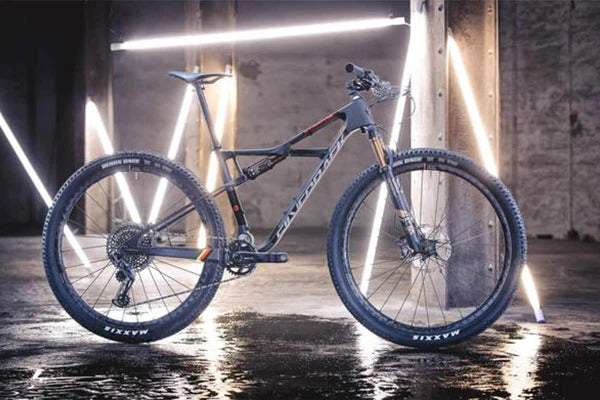
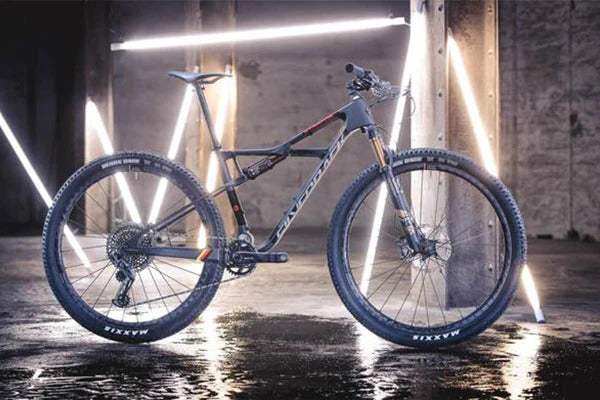
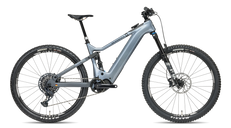
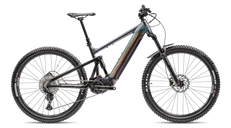
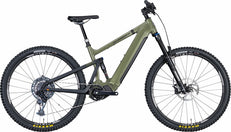
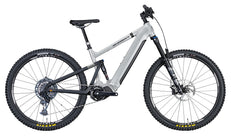
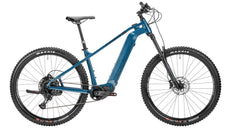
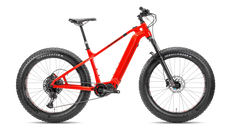
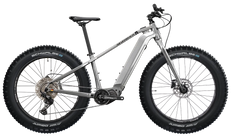
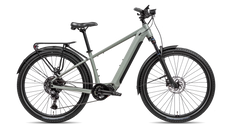
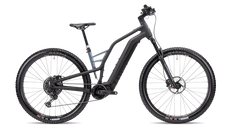
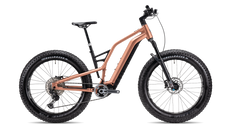
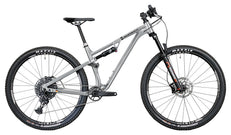
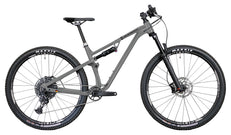
150/145mm Travel
 29" x 2.5" Wheels
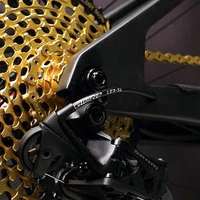
 1x12 Speed SRAM AXS
 EP-801 Shimano Motor
 85Nm Torque
 720Wh Battery
 from 20.9kg


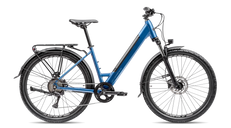
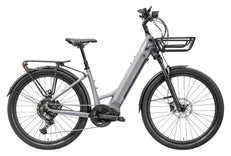
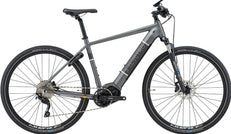
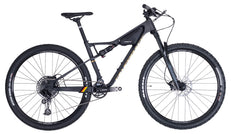
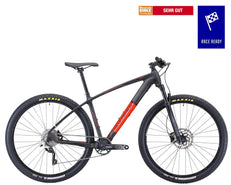
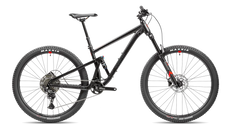
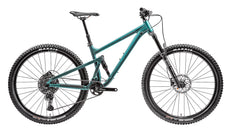
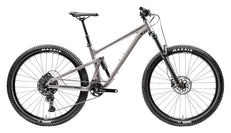
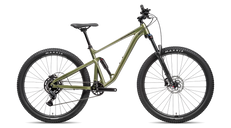
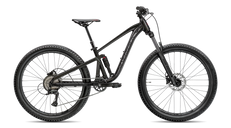
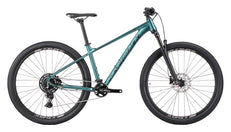
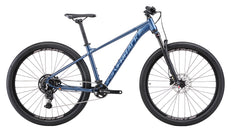
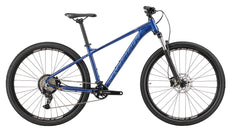
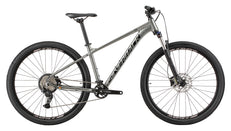
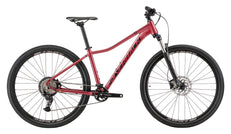
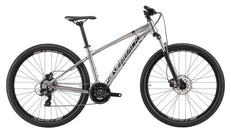
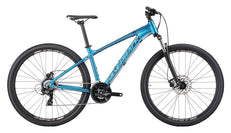
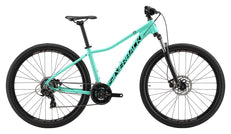
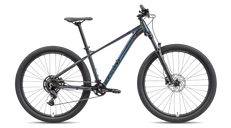
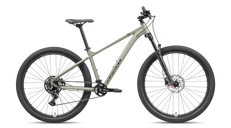
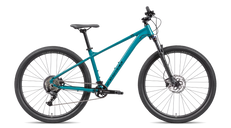
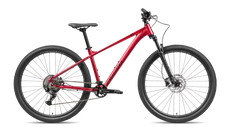
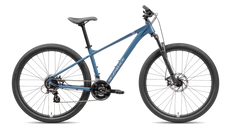
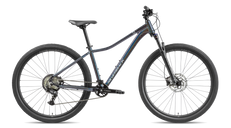
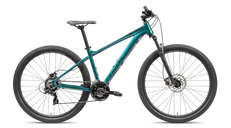
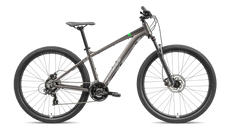
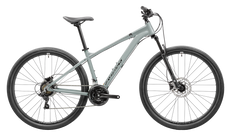
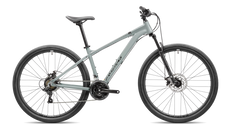
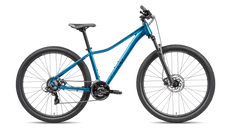
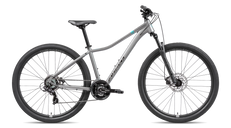
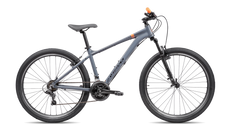
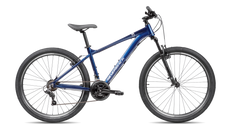
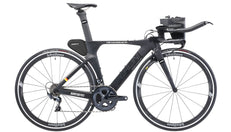
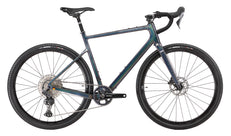
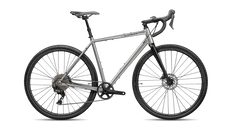
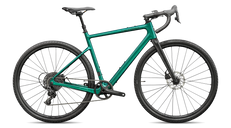
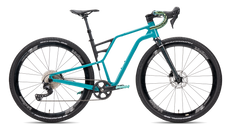
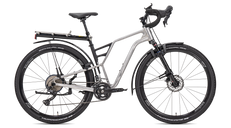
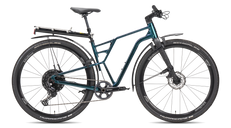
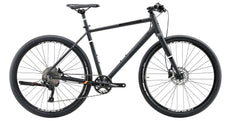
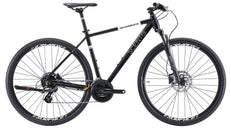
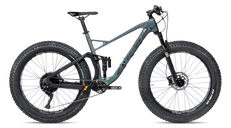
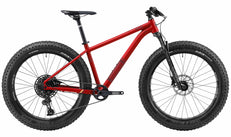
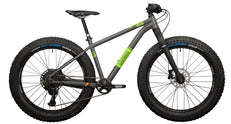
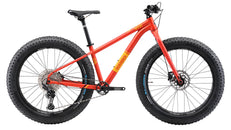
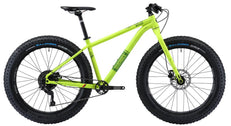
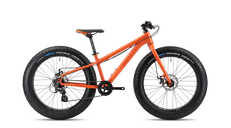
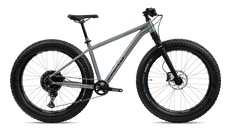
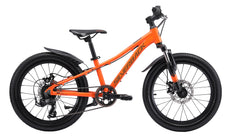
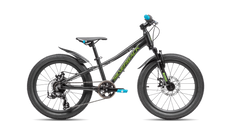
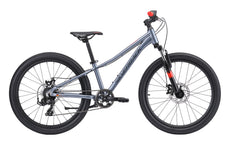
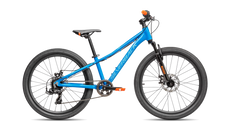
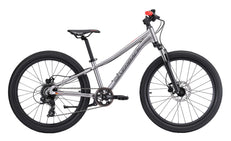
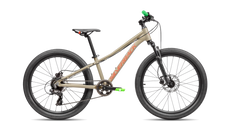
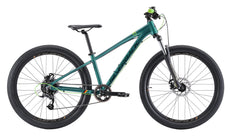
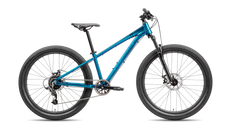
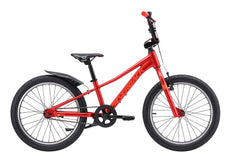
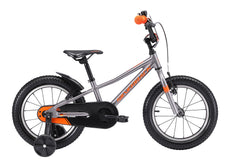




The safest bike for a child learning to ride is not a particular brand, wheel size or price point. It is a properly maintained bicycle that fits the child, has controls they can use, and suits their current skills and practice environment. No bicycle can remove the possibility of a fall. A thoughtful fit check and a calm, supervised learning area are more useful than a “safest bike” label.
Start with control, not the next birthday
A learner needs to get on, steer and stop without fighting an oversized frame or distant controls. Buying extra growing room can make those first attempts harder. Check current height and inseam, then compare the exact model’s sizing guidance. Our guide to measuring your child’s inseam explains a repeatable method.
During a hands-on check, look for relaxed arms, accessible controls and a comfortable way to mount and dismount. Saddle setup depends on the child’s learning stage and the bicycle design. Ask a qualified retailer to help rather than relying on one universal rule about foot contact or saddle height.
Five things to assess before buying
Brakes your child can actually operate
Ask the child to demonstrate the braking controls in the intended riding position. For hand brakes, check whether their fingers can reach and apply the levers without an awkward grip. If the bicycle uses a coaster brake, make sure they understand its action. Neither brake type guarantees a safer experience for every child; understanding and reliable operation matter.
A manageable bicycle
Your child should be able to push the bike, turn it around and recover from small wobbles. Weight matters, but a low weight figure does not compensate for poor fit or inaccessible controls. Compare how actual bikes feel instead of applying an unverified weight-to-bodyweight rule.
Predictable handling
Look for a relaxed riding position and steering your child can manage at low speed. Avoid choosing equipment solely because it looks like an adult mountain bike. Extra features are useful only when they suit the rider and terrain.
Appropriate condition and assembly
Before riding, have the brakes, tyres, steering, wheels and fasteners checked according to the bicycle’s instructions. A new bike still needs correct assembly and setup. A used bike may need assessment for wear or damage before it becomes a sensible learning option.
Protection from avoidable snags
Check the bicycle’s original guards and protective parts, where fitted, and follow its instructions. Tie shoelaces, secure loose clothing and avoid anything dangling near moving parts. Do not remove equipment simply to imitate a different model.
Balance bike, pedal bike or stabilisers?
Different children learn differently. A balance bike can let a child practise pushing, gliding and steering without adding pedalling. A pedal bike may suit a child ready to coordinate more tasks. Stabilisers can provide support, but they do not reproduce the same leaning and balancing experience as riding without them.
| Approach | What it can help practise | What to check |
|---|---|---|
| Balance bike | Gliding and steering | Fit, stopping method and manageable speed |
| Pedal bike | Pedalling alongside balance and braking | Control access and readiness to coordinate tasks |
| Pedal bike with stabilisers | Supported pedalling | Approved installation and an appropriate level surface |
Do not treat stabilisers as protection against every tip or loss of control. Follow the manufacturer’s guidance, especially about adjustment and suitable surfaces. If you want to adapt a pedal bike for balance practice, ask a qualified retailer whether that approach is appropriate for the particular bike.
Compare suitable sizes without declaring a winner
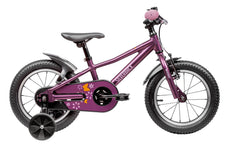
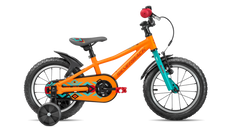
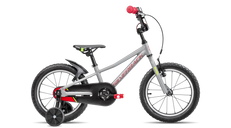
The Skid 14 (New Gen) and Skid 16 (New Gen) are options to investigate for children whose measurements match their sizing guidance. Neither should be chosen simply because a friend rides the same wheel size.
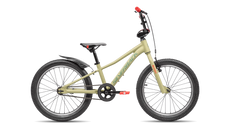
Some beginners are older or taller. Compare the Skid 20 (New Gen) and Spyke 20 (New Gen) if those models fit the rider and intended use. Do not assume beginner means the smallest bicycle.
Make a practical shortlist: compare those product pages with your child’s measurements, then arrange a hands-on fit check before deciding.
For larger riders, the Spyke 24 (New Gen) may belong in the comparison. Our 20-inch versus 24-inch guide explains why wheel size alone cannot settle the choice.
Make the first sessions easier to manage
Choose a quiet, level, traffic-free space away from vehicles, steep slopes, steps and water. Use a properly fitted cycling helmet, closed shoes and suitable clothing. Supervise closely, keep speeds low and start with short sessions. Practise stopping before adding distance or more complex turns.
Stop when the child becomes tired, distressed or unable to follow instructions. Confidence grows through manageable attempts, not pressure to keep up. Our kids’ bike safety guide provides more pre-ride considerations.
Before the first ride: ask a qualified retailer to check assembly, fit and braking, and show you the routine checks for your model.
Frequently asked questions
Are more expensive bikes automatically safer?
No. Price alone does not establish fit, condition or whether the child can use the controls. Assess the actual bicycle and rider together.
Should a beginner have suspension?
Not automatically. Choose equipment for the terrain and rider rather than assuming extra components make learning safer.
Can my child learn on a larger bike?
Only if the bicycle already fits and they can manage it. Read our guide to buying a bike to grow into before sizing up.
When should we stop a practice session?
Stop if control deteriorates, the child becomes upset or anything on the bicycle seems wrong. Resolve the issue before continuing.
Choose for your learner, not a safety slogan: browse the Silverback kids’ bike collection, compare fit guidance and prioritise comfortable control today.