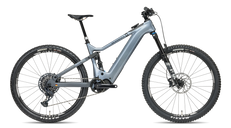
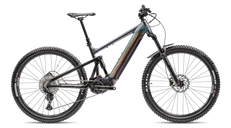
150/145mm Travel
 29" x 2.5" Wheels
 1x12 Speed SRAM AXS
 EP-801 Shimano Motor
 85Nm Torque
 720Wh Battery
 from 20.9kg
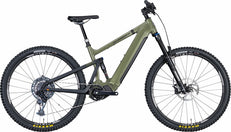
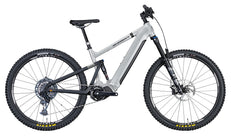
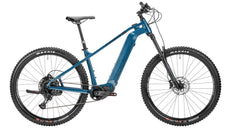
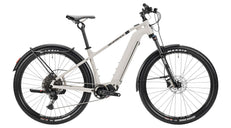
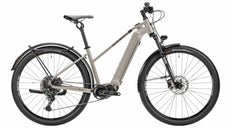
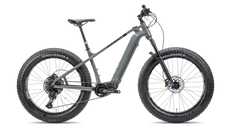
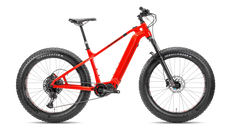

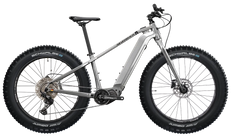

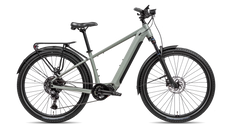
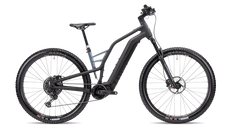
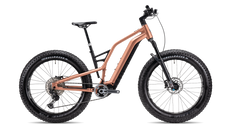
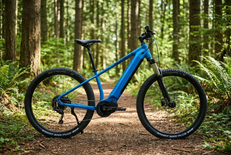
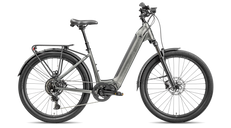
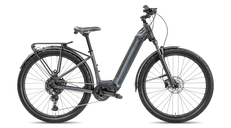
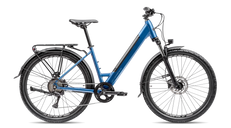
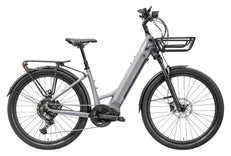
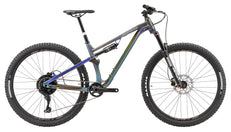
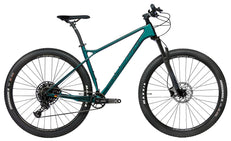
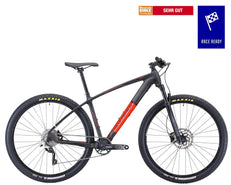
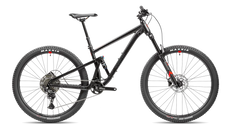
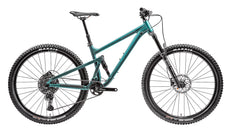
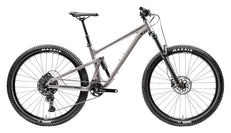
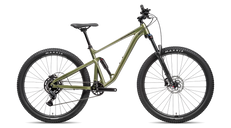
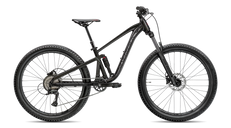
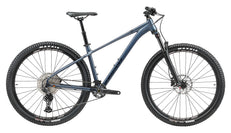
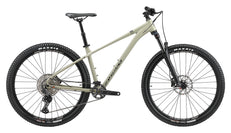
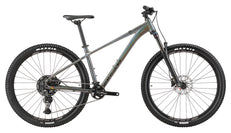
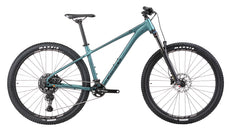
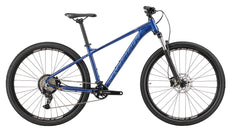
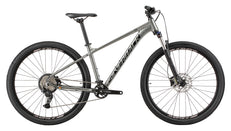
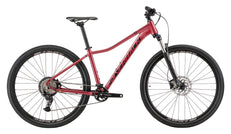
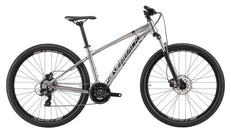
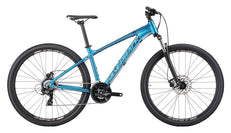
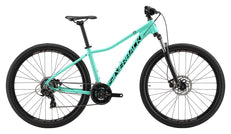
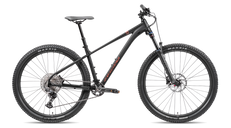
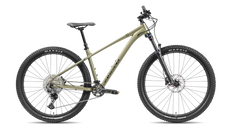
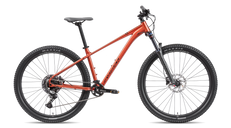
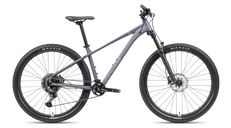
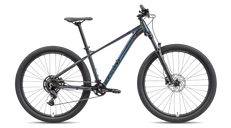
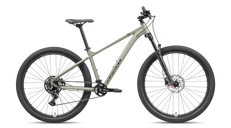
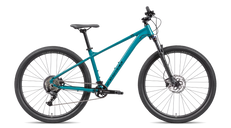
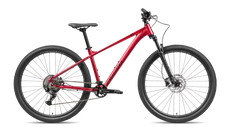
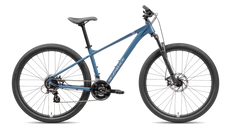
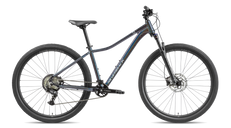
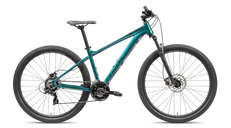
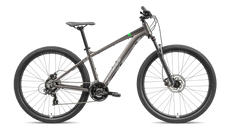
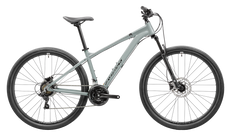
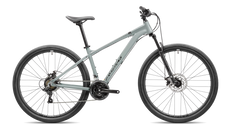
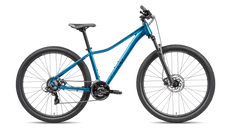
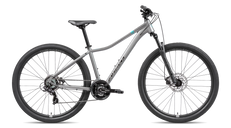
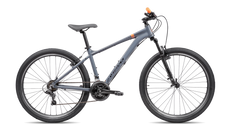
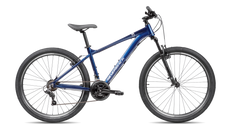
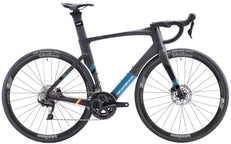
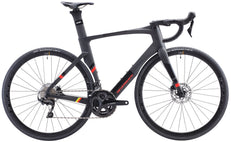
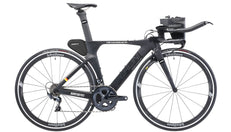
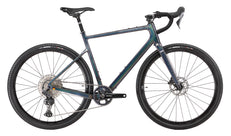
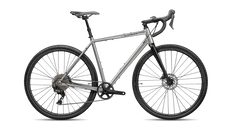
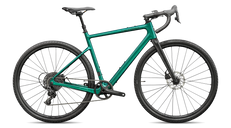
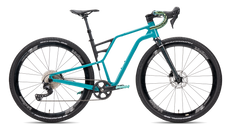
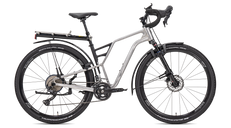
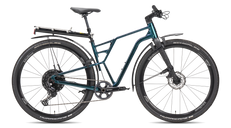
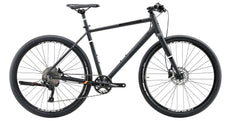
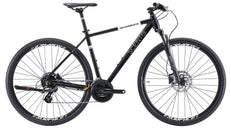
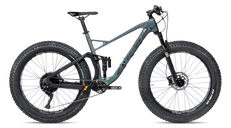
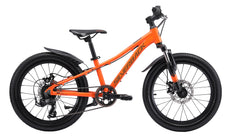
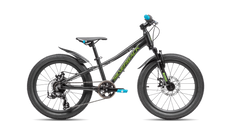
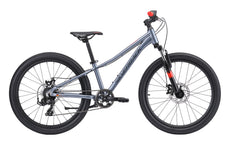
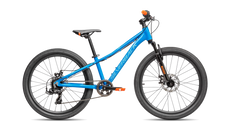




The best first gravel bike is one you can ride comfortably, maintain sensibly and use on your actual routes. Beginners often focus on an exciting frame or component label before checking fit, gearing and the equipment they will need. A more useful buying plan starts with where you ride and what the complete setup must do.
This guide explains ten common buying mistakes and what to check instead. Explore Silverback gravel bikes with a short list of your requirements, rather than assuming one specification makes a bike right for everyone.
Ten mistakes to avoid before ordering
1. Buying for an imaginary riding life
A bike for occasional smooth tracks may not need the same equipment as one intended for regular loaded adventures. Write down your usual surfaces, likely ride length and everyday carrying needs. Prioritise the rides you will do next month, not a remote expedition you have not planned. Our 2026 gravel bike buying guide helps turn those needs into a shortlist.
2. Choosing size by height alone
Height guidance is a starting point. Your proportions, preferred reach and existing comfortable bike also matter. Compare the manufacturer's size information and geometry; ask for advice if you are between sizes. Do not assume a smaller size automatically creates a better performance fit, or that a bigger frame can always be corrected with a shorter stem.
3. Assuming every gravel bike is upright
Gravel riding positions vary. The SilverRider Gravel Pro description highlights a lower, more aggressive cockpit. That may match some riders' goals, but it is not a universal beginner recommendation. Choose a position you can sustain comfortably rather than copying a photograph of a faster rider.
4. Treating one comfort feature as a complete solution
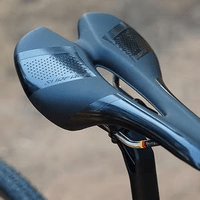
A suspension fork, different handlebar or softer saddle cannot automatically solve an unsuitable frame fit. Comfort comes from the whole setup and how you use it. Check the SilverRider Gravel Sport's current build and sizing if its drop-bar hand positions and suspension-fork approach suit your routes, then assess fit separately.
5. Buying a frame material instead of a bicycle
Do not assume carbon is always lighter or more comfortable, or that aluminium always offers the better purchase. Compare complete-bike specifications, fit and price. Without comparable verified weights, a material label is not proof of a weight difference. Leave room in the budget for useful equipment and routine care instead of spending everything on a frame preference.
6. Overlooking tyre and wheel compatibility
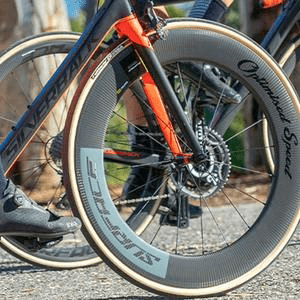
A gravel label does not establish maximum tyre clearance. Check the exact frame, fork, rim and tyre combination, including any hookless requirements. A tyre can measure differently from its printed width once mounted. Our gravel tyre-width guide explains why size, clearance and setup need to be considered together.
7. Counting gears instead of checking climbing ratios
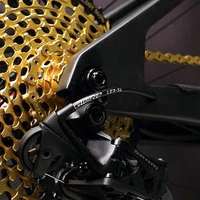
More advertised gears do not necessarily mean an easier climb. Compare the smallest chainring and largest rear sprocket, along with wheel size and your expected load. Choose a useful climbing gear before chasing a high top gear. The 1x-versus-2x gearing guide explains range, cadence gaps and compatibility without treating one layout as universally better.
8. Assuming every bag or rack will fit
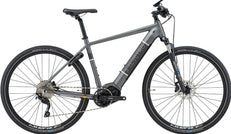
Check mounting provisions, clearance and all relevant load limits before buying luggage. A rack's stated capacity is not necessarily the bicycle's permitted load. The SilverRider Gravel Path description highlights an upright flat-bar layout and rear rack, but you should still confirm the supplied rack's limits and bag compatibility. Our bikepacking equipment guide covers practical loading checks.
9. Spending the entire budget on the bike
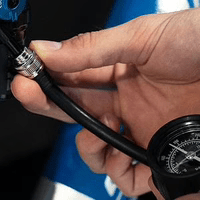
Plan for appropriate safety equipment, a pump, compatible repair supplies and any lights or carrying equipment your rides require. Include servicing and consumables rather than treating them as unexpected costs. Browse gravel bike accessories after writing the checklist, not as a reason to buy every available upgrade.
10. Skipping specification and service checks
Confirm the exact selected configuration, not just the model family name or an illustration. Ask about local servicing, replacement-part compatibility and the basic maintenance you will need to learn. A test ride or fitting discussion can be more valuable than comparing another small specification difference. Check current availability and product details at the time of purchase.
Compare priorities before comparing prices
| Your likely use | Prioritise | Avoid choosing solely by |
|---|---|---|
| Roads with occasional firm tracks | Comfortable fit, suitable tyres and useful cruising gears | Maximum tyre size |
| Regular rough-road exploration | Control, appropriate tyre setup and manageable climbing ratios | A single comfort component |
| Commuting and practical trips | Riding position, luggage compatibility and serviceability | A race-oriented appearance |
| Loaded overnight riding | Approved luggage system, load limits and low gearing | The lightest-looking frame |
Make a simple pre-purchase checklist
Before ordering, confirm your usual surfaces, likely size, preferred position and the selected build's specification. Check tyre compatibility and climbing gears. Add your essential equipment and servicing allowance to the price, then compare the complete package. If a detail is unclear, resolve it before buying rather than assuming an upgrade will be straightforward afterwards.
Frequently asked questions
Do beginners need a carbon gravel bike?
No particular material is essential. A suitable fit and appropriate complete build matter more than choosing a frame category first.
Can a flat-bar bike be useful for gravel?
Yes, where the bicycle's intended use, tyres and setup suit the route. Choose the grip and control layout you prefer rather than assuming drop bars are mandatory.
Should I upgrade immediately?
Address safety or fit issues first. Otherwise, ride the suitable original setup and identify a real problem before spending money on changes.
Is the bike in the banner a current offer?
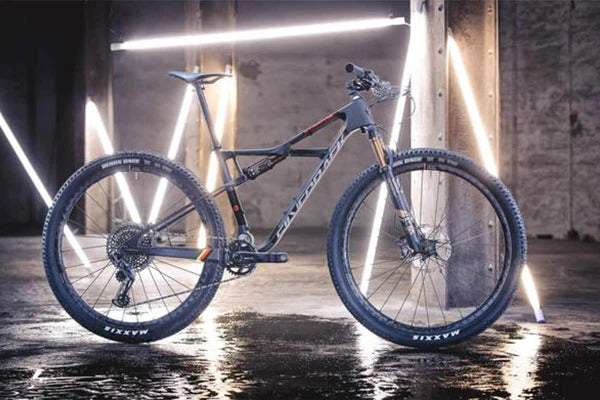
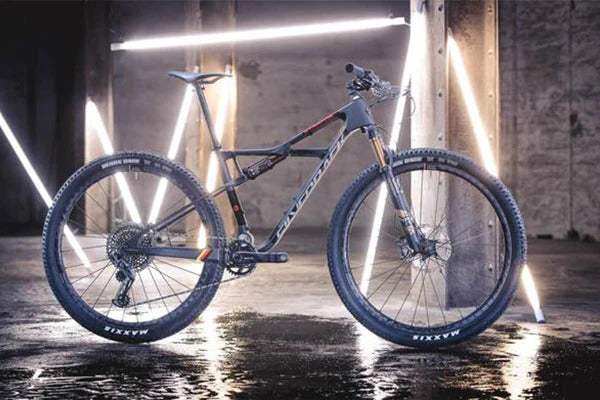
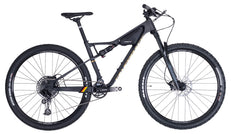
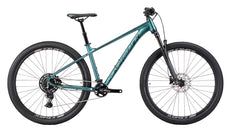
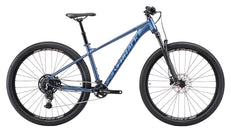
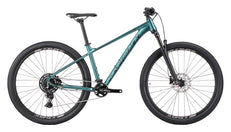
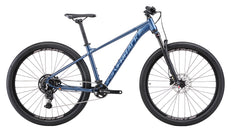
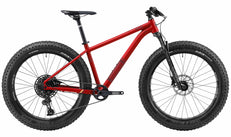
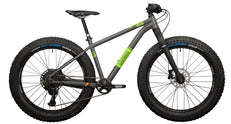
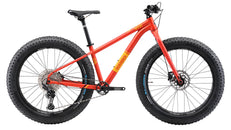
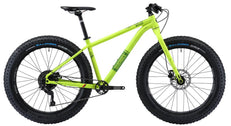
The image uses a genuine Silverback SIABLO CF model photograph as an illustration, not a statement about current availability or specifications.
Choose your first gravel bike with a clear plan
Focus on fit, your normal terrain and the complete cost of getting ready to ride. View the SE:SERIES GR AL 11's current specifications and sizing if its gravel-focused build belongs on your shortlist, and compare it against your own requirements before ordering.