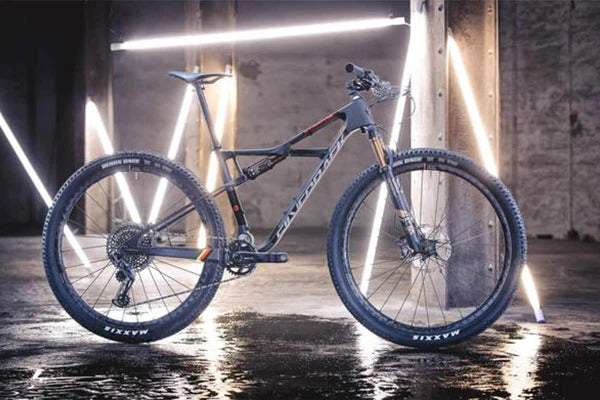
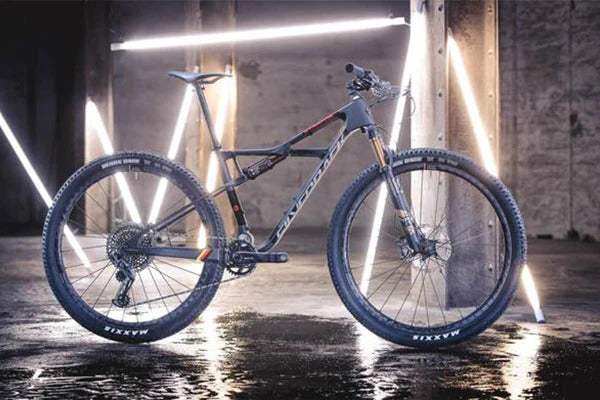
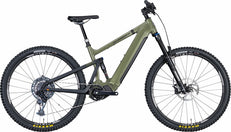
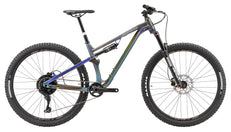
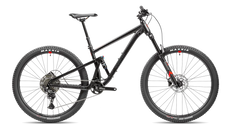
150/145mm Travel
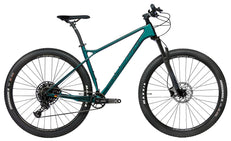
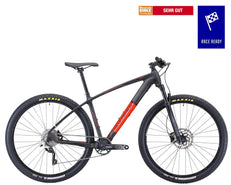
 29" x 2.5" Wheels
 1x12 Speed SRAM AXS
 EP-801 Shimano Motor
 85Nm Torque
 720Wh Battery
 from 20.9kg
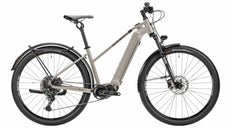
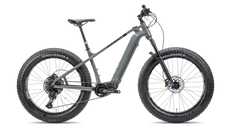
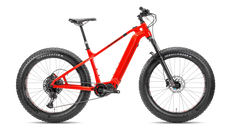

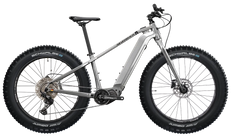

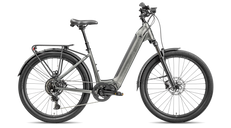
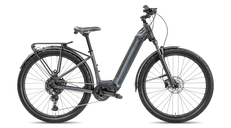
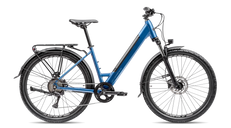
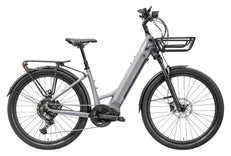
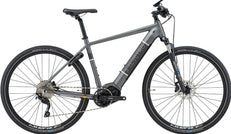
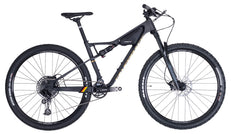
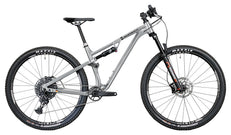
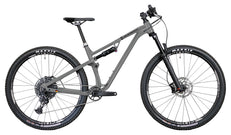
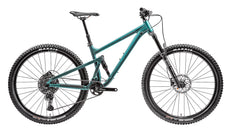
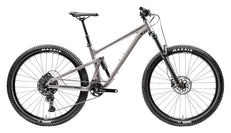
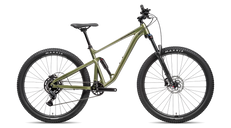
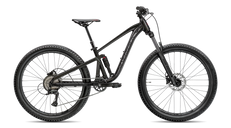
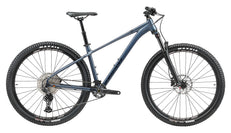
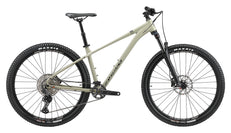
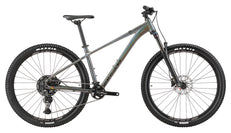
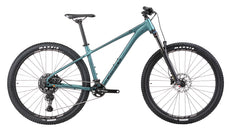
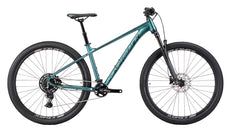
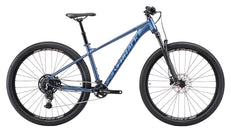
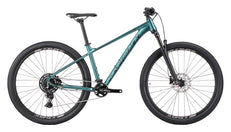
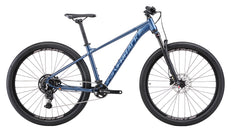
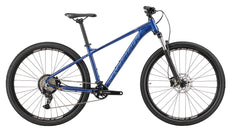
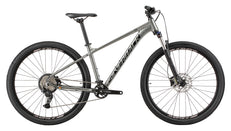
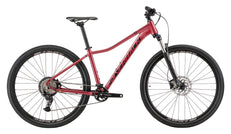
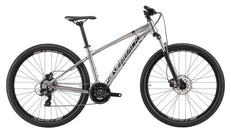
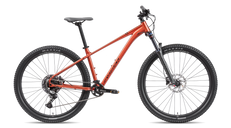
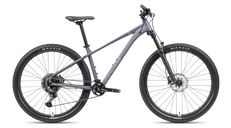
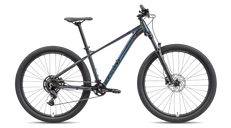
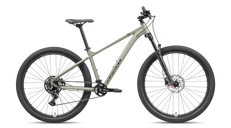
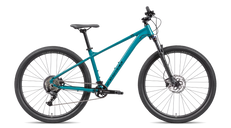
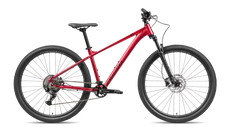
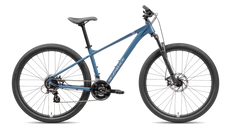
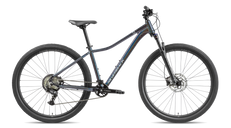
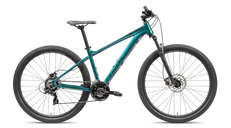
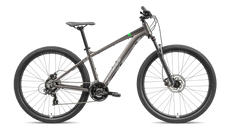
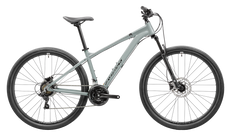
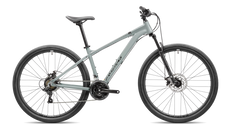
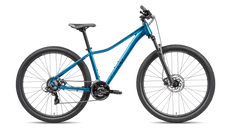
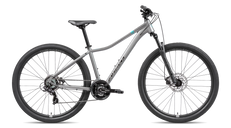
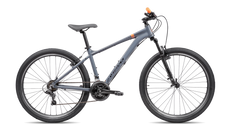
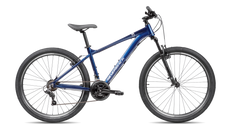
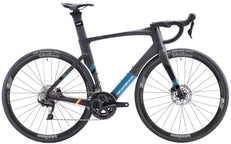
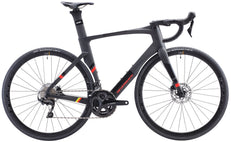
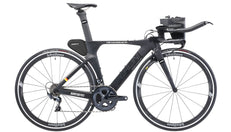
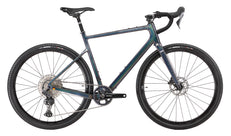
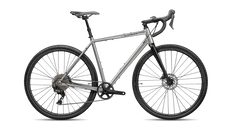
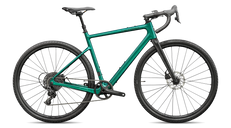
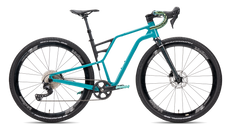
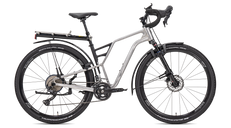
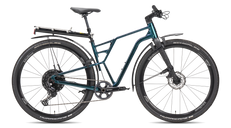
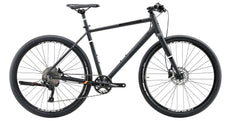
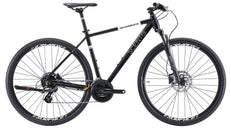
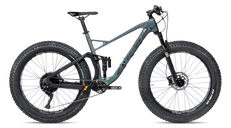
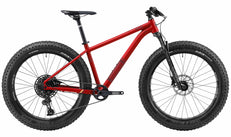
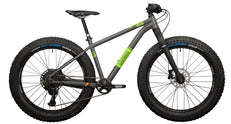
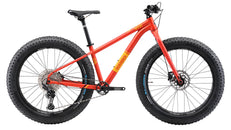
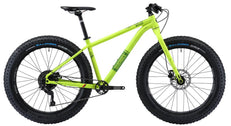
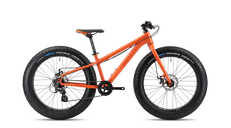
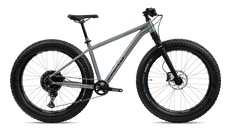
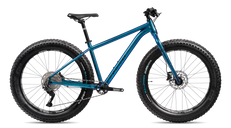
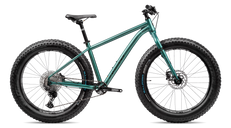





Choose 1x gravel gearing if you value one chainring, straightforward shifting and a setup whose actual range covers your routes. Choose 2x if closer cadence choices and a combination of low climbing gears and higher road gears suit your riding. Neither layout is automatically better: compare the easiest ratio, hardest ratio and gaps between gears before buying.
A bike with more advertised gears does not necessarily give you an easier climb. Start with your terrain, fitness, luggage and preferred pace. Explore Silverback gravel bikes with those needs in mind, then check the selected build's complete drivetrain specification.
What do 1x and 2x mean?
1x: one front chainring
A 1x drivetrain uses one chainring at the crank and a cassette at the rear. There is no front-derailleur shift to manage. That can make gear selection feel more straightforward, especially when terrain changes quickly. The useful range still depends on the chainring and cassette, not on the 1x label alone.
2x: two front chainrings
A 2x drivetrain adds a second chainring and front derailleur. This creates more combinations, although some overlap. Depending on the components, it can provide smaller steps between useful cruising gears alongside a broad range. You also need to manage front shifts and follow the drivetrain manufacturer's guidance on suitable combinations.
Compare the practical trade-offs
| Priority | 1x approach | 2x approach |
|---|---|---|
| Shift decisions | Rear shifts only | Front and rear shifts |
| Cadence choices | A wide-range cassette may have larger steps | Two rings can offer more closely spaced useful choices |
| Climbing | Depends on chainring and largest sprocket | Depends on smaller ring and largest sprocket |
| Road speed | Check largest usable ratio | Check larger ring and smallest sprocket |
| Maintenance | No front derailleur to adjust | Additional front shifting components to maintain |
These are layout differences, not guarantees about every complete groupset. A well-chosen 1x build may suit your roads better than an unsuitable 2x build, and the reverse can also be true.
Check climbing ratios before counting gears
Divide the chainring tooth count by the rear sprocket tooth count to compare a basic ratio. A lower number means less wheel rotation per crank revolution when wheel size is equal. Actual distance travelled also depends on the wheel-and-tyre circumference.
For illustration only, a 40-tooth chainring with a 42-tooth sprocket gives about 0.95. A 30-tooth inner ring with a 34-tooth sprocket gives about 0.88. The second example is lower despite using a smaller largest sprocket. These are arithmetic examples, not specifications or approved upgrade combinations for any Silverback model.
For loaded hills, start with the lowest gear you expect to need. A drivetrain that leaves you struggling up familiar climbs will not become more suitable when you add luggage.
Think about cadence on road sections
If you spend long periods on smooth roads, small shifts can help you keep a comfortable pedalling rhythm as wind and gradient change. Some wide-range cassettes introduce larger jumps. Whether that matters depends on your pace and preferences, not a universal rule that gravel riders must accept one system.
On variable tracks, you may value easy shift decisions more than small cadence changes. Try a comparable setup where possible and pay attention to how often you search for an in-between gear.
Compare Silverback builds without guessing
The SE:SERIES GR AL 11 description lists Shimano 11-speed GRX, a rigid aluminium fork and hydraulic disc brakes. Check the current crank, cassette and derailleur specification before drawing conclusions about its exact ratios. A groupset family name does not establish every tooth count.
The SilverRider Gravel Pro emphasises a performance-focused riding position, while the SilverRider Gravel Sport highlights rough-road comfort. The upright SilverRider Gravel Path adds practical carrying features. Compare the drivetrain of your selected configuration separately from those frame and cockpit differences.
Our 2026 gravel bike buying guide explains how to balance gearing with fit, equipment and budget.
Choose bikepacking gearing for the loaded route
Luggage changes the effort needed on climbs. Check the steepest likely sections and whether walking a short part is acceptable in your plan. Do not choose a high top gear at the expense of a usable climbing gear simply because it looks faster on paper.
Our gravel bikepacking equipment guide covers load planning. Tyre size also affects gearing distance per crank revolution; the gravel tyre-width guide explains why wheel-and-tyre changes need their own compatibility checks.
Do not assume conversion is a simple parts swap
Moving between 1x and 2x can involve shifters, cranksets, derailleurs, mounting provisions and chainline considerations. A wider cassette may exceed derailleur capacity or require other compatible components. Have a qualified mechanic assess the complete combination using manufacturer specifications.
Browse gravel bike accessories for practical ride equipment, but do not treat a matching speed count as proof that drivetrain parts work together. Price the complete conversion before deciding whether to modify a bike or choose a different build.
Frequently asked questions
Is 1x easier to use for beginners?
Rear-only shifting can be simpler to learn, but an appropriate low gear and comfortable fit matter more than the label.
Does 2x always climb better?
No. Compare the smallest chainring and largest sprocket on the actual builds, along with wheel size. Either layout can be geared too high for your needs.
Does 1x always weigh less?
Do not assume that without verified component or complete-bike weights. Different cassettes, cranks and other components affect the comparison.
Should I change a setup that already works?
Usually identify a specific problem first: inadequate climbing range, unwanted cadence gaps or maintenance issues. A fashionable layout is not a reason to replace a suitable drivetrain.
Choose ratios for the ride you actually do
Write down your climbing needs, road cruising preferences and luggage plans. Compare real ratios and compatibility before deciding between one or two chainrings. View the SE:SERIES GR AL 11's current build and sizing as part of your shortlist.