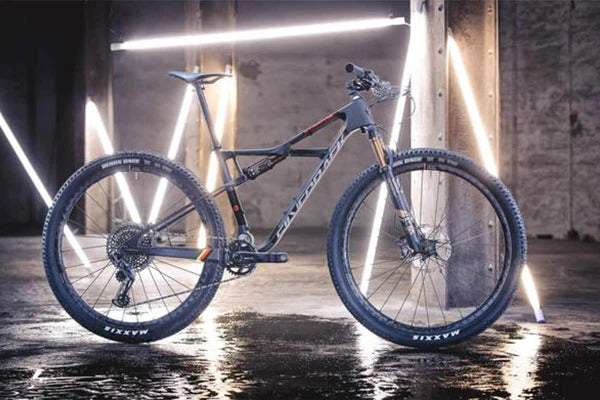
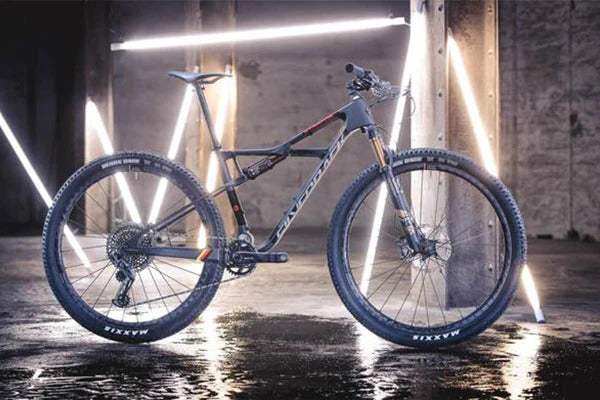
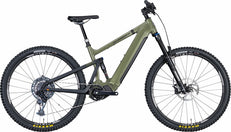
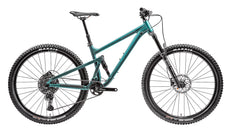
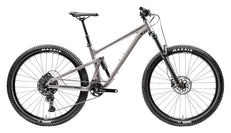
150/145mm Travel
 29" x 2.5" Wheels
 1x12 Speed SRAM AXS
 EP-801 Shimano Motor
 85Nm Torque
 720Wh Battery
 from 20.9kg
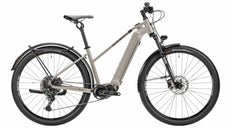
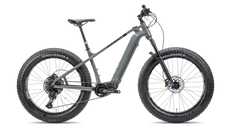
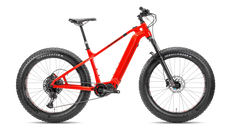

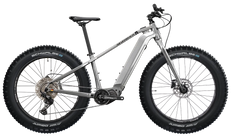

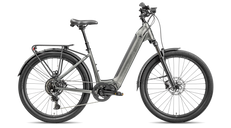
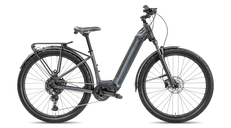
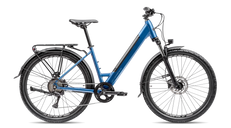
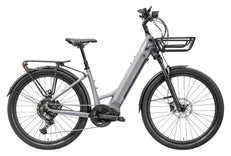
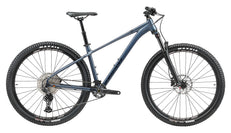
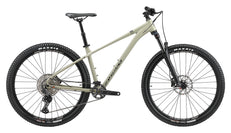
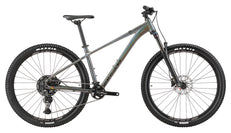
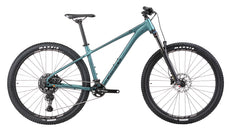
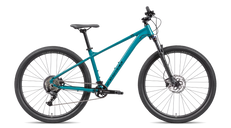
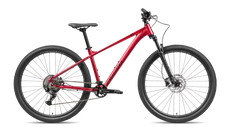
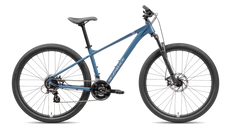
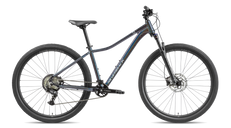
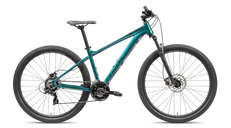
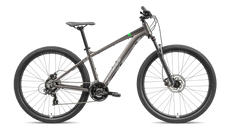
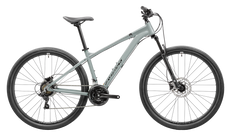
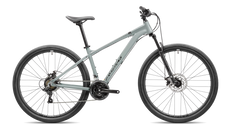
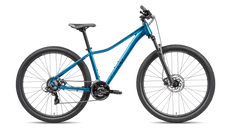
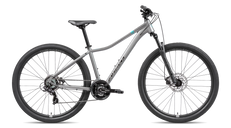
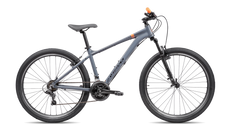
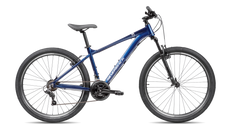
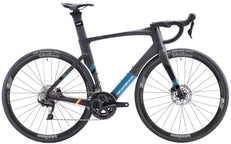
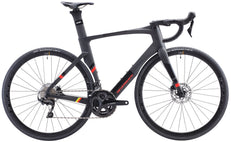
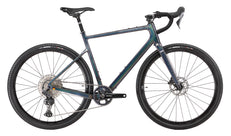
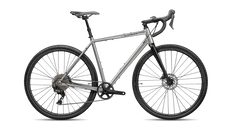
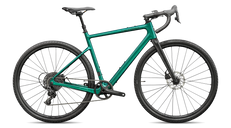
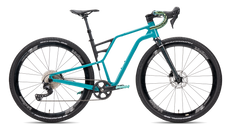
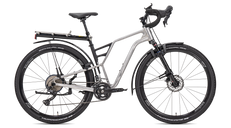
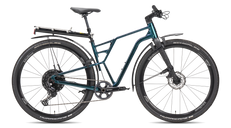
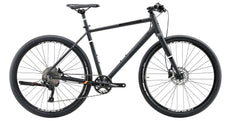
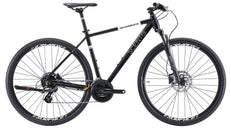
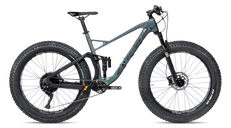
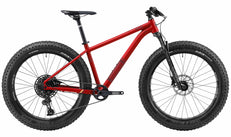
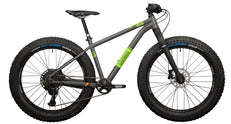
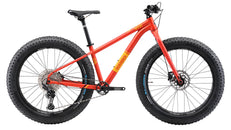
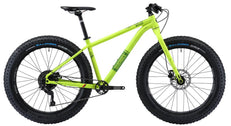
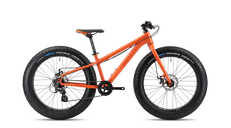
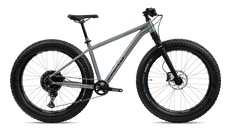
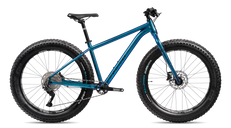
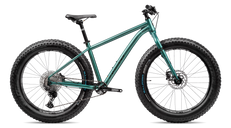
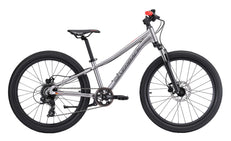
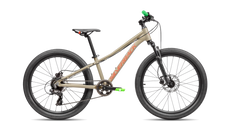
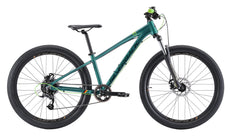
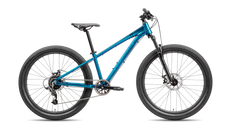




There is no single best gravel bike tyre width for every rider in 2026. Choose a size that suits your normal terrain, total riding load and comfort needs, then check that the tyre is compatible with your wheels and fits within the frame and fork limits. A wider tyre can offer more air volume, but it is not automatically faster, grippier or suitable for your bicycle.
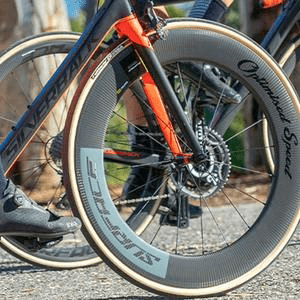
For mixed riding, compare moderate-width options before jumping to the widest possible fit. For rougher routes, additional volume may be useful if your bike supports it. Explore Silverback gravel bikes with clearance in mind, not just the tyre size shown in a photograph.
Which tyre widths should you compare?
The ranges below are buying categories, not universal fit recommendations. A specific tyre's casing, tread, construction and mounted width can matter as much as its printed size. Start with your bike's approved combinations, then narrow the choice by surface.
| Nominal width to compare | Typical reason to consider it | What to check |
|---|---|---|
| 35–40 mm | Road-heavy routes and smoother gravel | Enough comfort and casing protection for your tracks |
| 40–45 mm | A balance of mixed-surface riding and air volume | Measured width, tread and frame clearance |
| 45–50 mm | Rougher surfaces where more volume is useful | Explicit frame, fork and wheel compatibility |
| Wider than 50 mm | Specialised setups designed for larger tyres | Do not assume a conventional gravel frame accepts them |
Mostly tarmac and firm tracks
Look beyond width to tread design. A relatively smooth centre tread may suit firm surfaces, while shoulder tread can influence cornering behaviour on loose ground. A narrower tyre is not automatically faster once rough surfaces cause vibration and loss of control. Equally, extra width does not guarantee lower rolling resistance.
Loose gravel, rough tracks and luggage
More air volume can help you tune the setup for comfort and support. Total load matters, including bags, water and equipment. Do not simply lower pressure because the trail looks rough: the tyre still needs enough support to avoid damaging impacts and unstable handling.
Check the exact bike's clearance
Silverback models demonstrate why one recommendation cannot apply to an entire brand. The SIABLO CF GRX (New Gen) product description states clearance up to 700×42c or a 650b road-plus option. The SE:SERIES GR CF 11 description states up to 700×50c or 650b road-plus. These are different model-specific limits, not interchangeable permissions.
A maximum stated size does not mean every tyre carrying that label will fit identically. Confirm the current manufacturer's guidance for your frame size, fork, wheel and intended conditions. Allow the required clearance for debris and mud; do not ride a tyre that rubs the frame or fork.
For other models, check the selected build rather than transferring those limits. The SilverRider Gravel Pro description mentions wide tyres and tubeless wheels but that alone does not establish its maximum tyre clearance.
Understand printed width versus mounted width
The rim changes the result
A tyre's real width can differ from its label once mounted and inflated. Rim internal width, tyre construction and the specific combination influence the result. Confirm that the tyre maker and wheel maker approve the pairing, including any hookless requirements. Sharing the same wheel diameter is not enough to establish compatibility.
Measure before committing to a setup
After correct installation, check the actual tyre width and clearance according to the manufacturers' instructions. Inspect the tight areas around the fork, chainstays and seatstays. Mudguards introduce another clearance constraint. If you are unsure, ask a qualified mechanic to assess the combination rather than relying on a visual guess.
Choose pressure alongside width
The best pressure depends on rider and luggage weight, mounted tyre size, rim dimensions, casing and whether you use tubes or tubeless. Start from tyre and wheel manufacturer guidance, follow the more restrictive limits and adjust gradually on familiar terrain. Avoid a universal pressure number copied from another rider.
Too little support can cause rim strikes, squirm or air loss; excessive pressure can make rough ground less comfortable. Tubeless does not remove pressure limits or make every tyre-and-wheel combination compatible. Carry repair supplies suitable for your setup when browsing gravel bike accessories.
Do 650b wheels automatically solve clearance problems?
No. A smaller rim can allow a different tyre profile on some frames, but only where the manufacturer approves that configuration. Check tyre diameter, bottom-bracket clearance, wheel compatibility and any other model-specific restrictions. A general reference to road-plus does not specify every permitted tyre.
Comfort also comes from the bike around the tyre. The SilverRider Gravel Sport highlights a suspension fork and multiple drop-bar hand positions, while the SilverRider Gravel Path uses an upright flat-bar layout. Do not expect a tyre swap to correct an unsuitable riding position.
Buying advice: upgrade for a problem you can identify
Write down what your existing tyres do poorly: harshness, repeated damage, limited grip on a particular surface or excessive drag on road-heavy routes. Choose the tread, casing and compatible width that address that problem. Keep tyres that work well rather than replacing them only because a wider option is fashionable.
For wider purchase decisions, read Which Gravel Bike Should You Buy in 2026? and our beginner gravel buying guide. Fit and serviceability deserve attention alongside clearance.
Frequently asked questions
Is 40 mm enough for gravel?
It can suit some routes and riders, but the answer depends on the surface, casing, pressure and load. It is not a guarantee for every rough trail.
Can I fit 45 mm tyres to the SIABLO CF GRX New Gen?
The verified description states up to 700×42c. Do not exceed that stated limit based on another model's clearance; seek confirmation for any proposed alternative setup.
Are wider tyres better in mud?
Not automatically. Tread, soil conditions and clearance matter. A larger tyre that traps mud against the frame is not a useful upgrade.
Should beginners choose the widest possible tyre?
No. Start with a suitable approved setup and learn how it behaves on your usual routes. Width is one part of control, not a substitute for appropriate speed and technique.
Choose the right combination
Match the terrain, confirm tyre-and-rim compatibility, check clearance and tune pressure within the permitted limits. View the SIABLO CF GRX New Gen's current specifications to assess its fit for your riding before choosing a wheel-and-tyre setup.