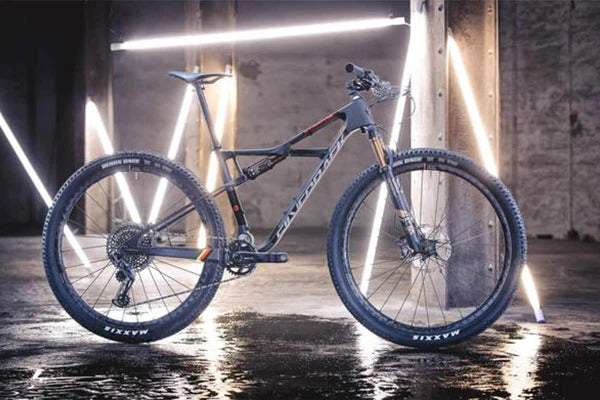
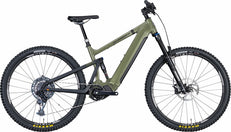
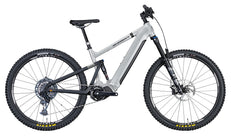
150/145mm Travel
 29" x 2.5" Wheels
 1x12 Speed SRAM AXS
 EP-801 Shimano Motor
 85Nm Torque
 720Wh Battery
 from 20.9kg


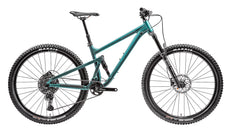
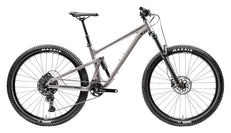
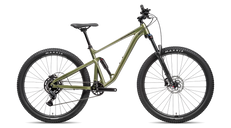
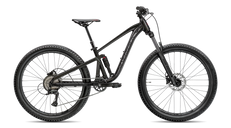
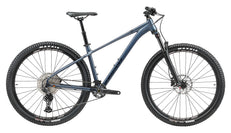
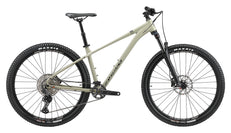
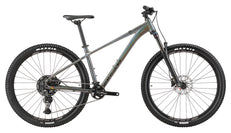
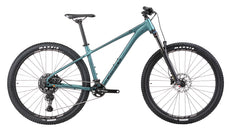
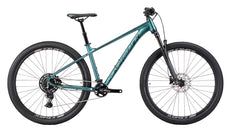
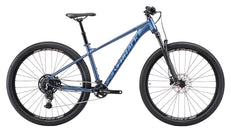
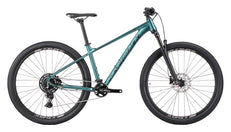
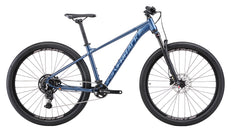
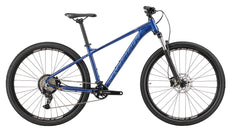
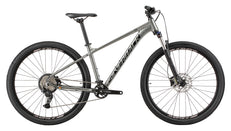
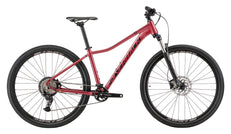
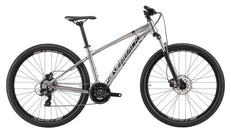
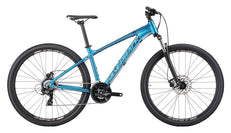
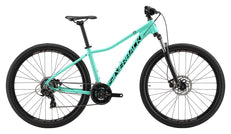
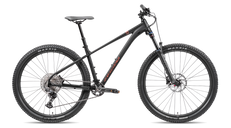
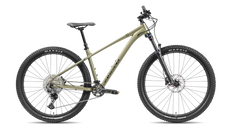
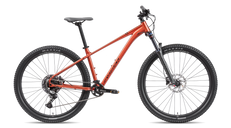
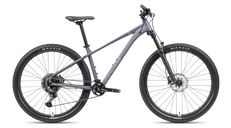
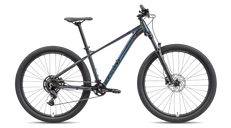
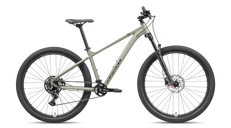
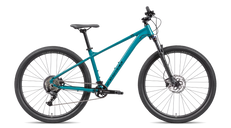
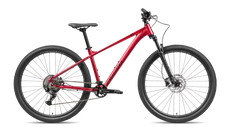
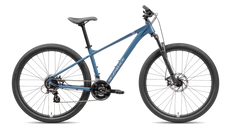
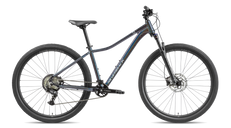
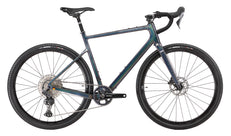
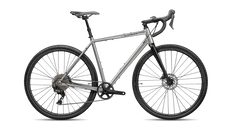
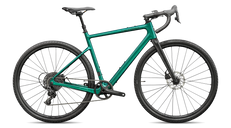
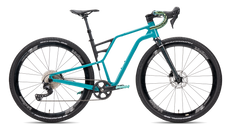
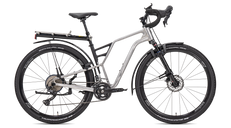
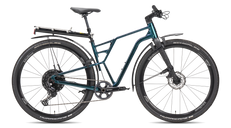
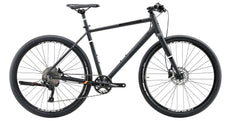
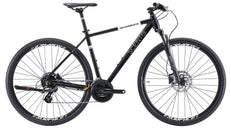
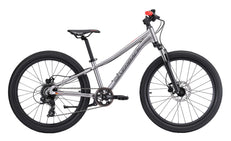
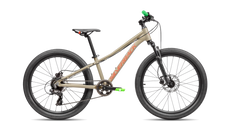
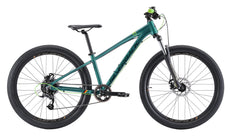
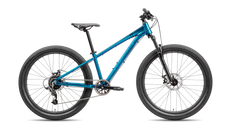




For gravel bike bikepacking, you need a reliable bicycle, secure luggage, suitable repair supplies, enough food and water, navigation and protection from the weather. Add a sleep system only if your trip involves camping. You do not need to buy every bag, gadget or ultralight accessory before your first overnight ride.
Start with a short route and an easy return option. Decide where you will sleep and resupply before building your packing list. Explore Silverback gravel bikes with your luggage and riding-position needs in mind, rather than assuming any gravel bike accepts the same equipment.
Plan the trip before buying the kit
Accommodation changes the packing list
A guesthouse overnight can remove the need for a shelter, sleeping bag, mat and cooking equipment. Camping demands a more complete setup matched to expected temperatures and weather. Confirm overnight arrangements and access requirements in advance. A route that looks remote on a map may still pass convenient accommodation and food stops.
Choose a manageable first route
Keep the first trip close enough to shorten if weather, discomfort or mechanical problems change the plan. Include realistic climbing, riding time and daylight allowances. A loaded bike handles differently, so a familiar route is useful for learning without adding navigation uncertainty.
Separate essential equipment from optional extras
| Equipment | When you need it | Buying priority |
|---|---|---|
| Secure compatible luggage | Every loaded trip | Fit and stability before maximum capacity |
| Pump, repair supplies and tools | Every trip | Match your tyres, valves and fasteners |
| Food and water capacity | Every trip | Plan around verified resupply opportunities |
| Navigation, lighting and power | Every trip, with backup appropriate to the route | Reliable access rather than extra screens |
| Shelter, sleeping bag and mat | Camping trips | Expected weather and temperature |
| Stove and cookware | Trips where your meal plan requires them | Do not carry a kitchen you will not use |
Choose luggage that fits your actual bike
Frame bags, handlebar bags, saddle bags and rack-mounted luggage each solve different problems. Measure available space before ordering. A frame bag can restrict bottle access; a handlebar bag must not interfere with cables, steering or controls. Saddle luggage needs adequate tyre clearance, including throughout suspension movement where applicable.
Follow the frame, fork, rack and bag manufacturers' mounting and load limits. Do not assume a rack's capacity equals the bicycle's permitted load. Keep straps away from moving parts and protect contact points using approved methods. Check the system weight limit, including rider, bicycle and luggage, in the relevant documentation.
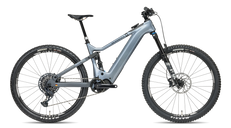
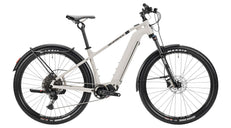
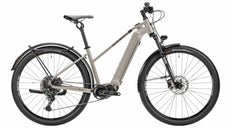
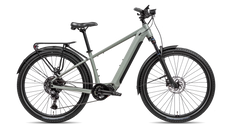
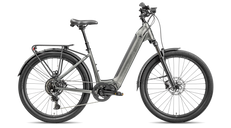
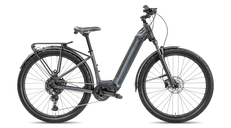
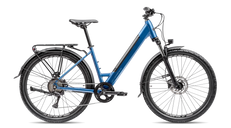
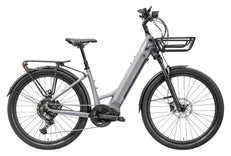
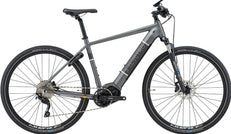
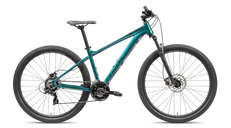
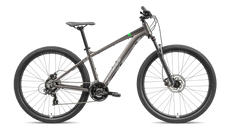
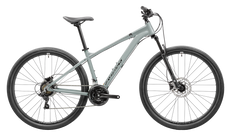
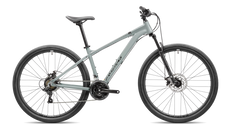
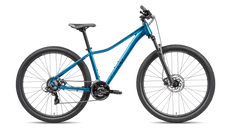
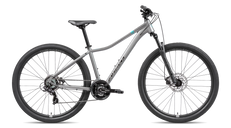
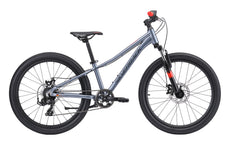
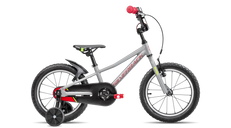
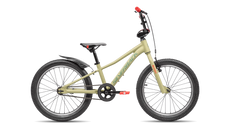
The SilverRider Gravel Path description highlights an upright flat-bar position and rear rack, making it relevant to practical load-carrying plans. Confirm the supplied rack's limits and compatible luggage rather than treating the photograph as a fit guarantee.
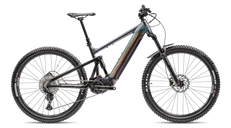
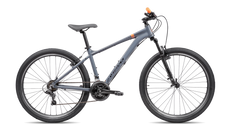
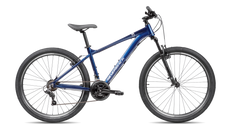
For a drop-bar alternative, the SilverRider Gravel Sport emphasises multiple hand positions and a suspension fork. Neither handlebar style automatically makes a bike comfortable for you: fit and the loaded setup still matter.
Pack a repair kit you can actually use
Carry a pump, puncture supplies suitable for your setup and tools that fit the bicycle's fasteners. Know whether you have tubes or tubeless tyres. Tubeless riders should plan for damage that sealant cannot fix, using compatible backup equipment. Practise basic repairs before leaving, not beside a dark trail.
Inspect tyres, braking, wheel security and shifting beforehand. Replace worn components rather than expecting a bigger repair kit to compensate. For wet-season preparation, read our autumn and winter gravel guide. Stop and seek help if a fault affects safe control of the bike.
Keep sleeping and cooking equipment purposeful
For camping, select a shelter, sleeping bag and mat for the expected overnight conditions, including an appropriate margin for changing weather. Test the complete sleep system at home. Packing each item into its smallest possible bag is less important than keeping essential insulation dry and accessible.
Cooking equipment is optional when reliable meal stops suit the route. If you carry a stove, follow its instructions and campsite requirements; never use it inside an enclosed shelter. Pack out waste and choose a simple meal plan rather than carrying ingredients for an elaborate menu.
Plan food, water and navigation
Identify actual resupply points and check opening times. Carry enough for the gaps between them plus a sensible reserve. Do not assume every marked tap or stream provides safe drinking water. Choose a water strategy suitable for the location and conditions.
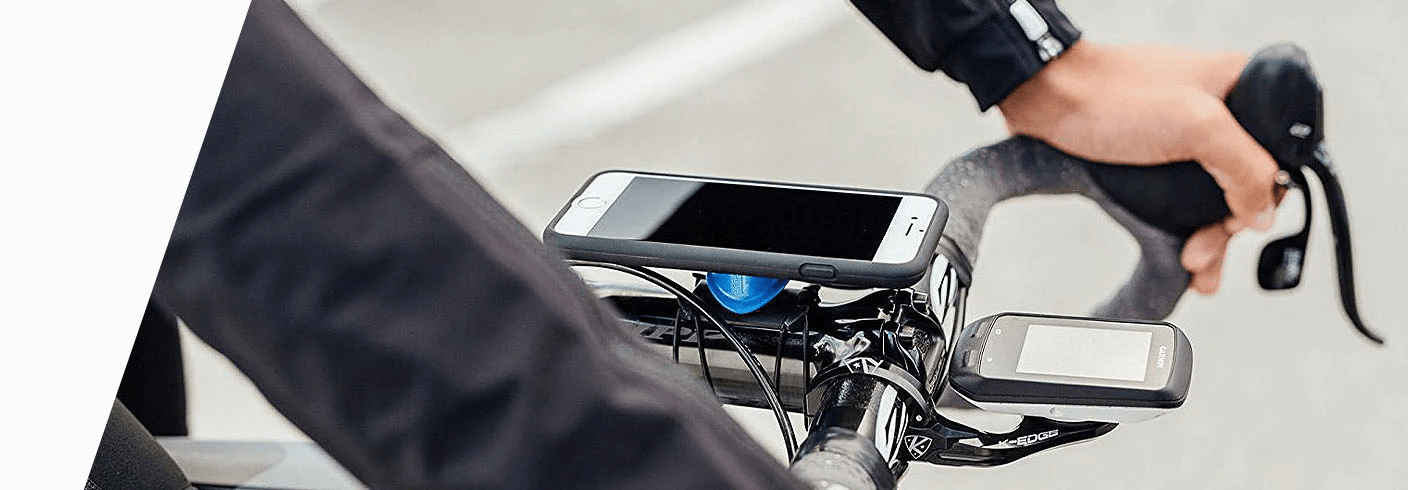
Download your route before departure and carry a backup appropriate to the remoteness of the trip. Account for battery needs for navigation, phone and lights. Keep key items accessible without unpacking everything. A light waterproof layer and appropriate spare clothing can be more useful than another accessory attached to the bike.
Browse gravel bike accessories after writing your route-specific checklist. Buy to fill a genuine gap rather than to reproduce somebody else's packing photograph.
Do a loaded shakedown before departure
Pack as you intend to travel, then ride a short loop with turns, climbs and controlled braking. Check for swaying luggage, heel contact, rubbing straps and blocked controls. Recheck fasteners and mounts according to the relevant instructions. Make adjustments before the longer trip.
Loaded riding also changes the tyre setup. Our gravel tyre-width guide explains clearance and compatibility; pressure still needs to account for total load within manufacturer limits. The SE:SERIES GR CF 11 description lists rack mounts, but a mounting point alone does not establish a complete luggage system's suitability.
Frequently asked questions
Do I need a special bikepacking bike?
Not necessarily. Your existing bike may work if it is suitable for the route and accepts the planned load safely. Check fit, condition and compatibility first.
Are panniers or soft bags better?
Neither wins everywhere. Compare the mounting system, clearance, capacity and stability on your bike. Choose the arrangement that stays secure on your route.
Should I buy ultralight camping equipment immediately?
No. Start with suitable equipment you already own where practical. Experience will show which items are worth upgrading.
What should I leave at home?
Remove duplicated clothing, unused cooking equipment and tools you cannot use. Keep safety, weather protection and essential repair capacity. Our 2026 gravel buying guide can help if the bicycle itself is the missing piece.
Start small and ride the setup you have tested
Choose the overnight plan, pack the essentials and test the complete load. View the SilverRider Gravel Path's current specifications and sizing if an upright gravel bike with practical carrying features matches your plans.