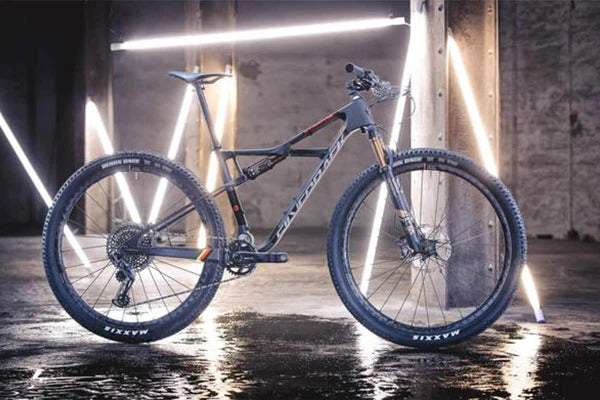
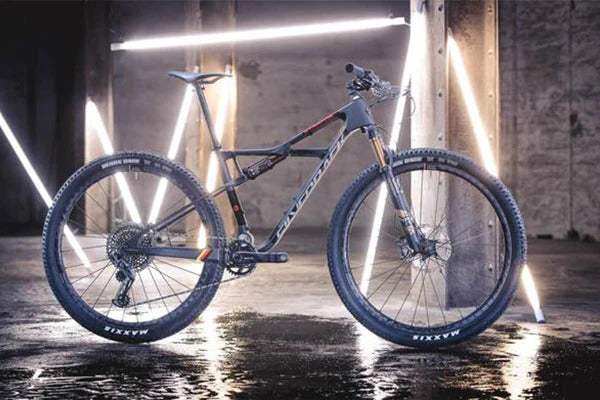
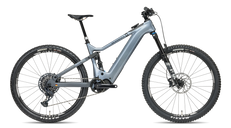
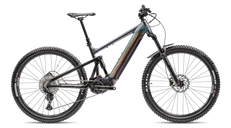
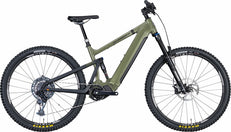
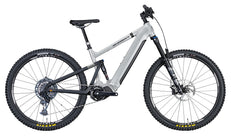
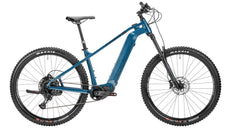
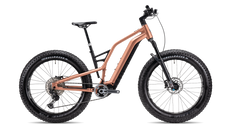
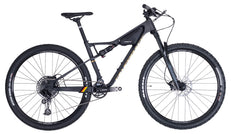
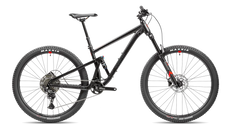
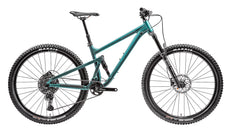
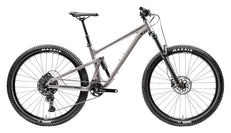
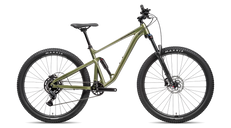
150/145mm Travel
 29" x 2.5" Wheels
 1x12 Speed SRAM AXS
 EP-801 Shimano Motor
 85Nm Torque
 720Wh Battery
 from 20.9kg


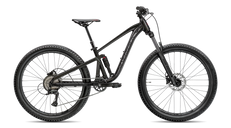
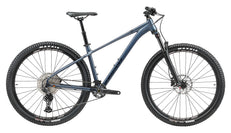
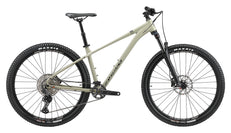
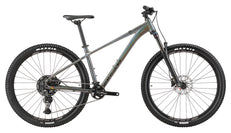
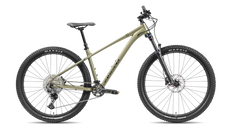
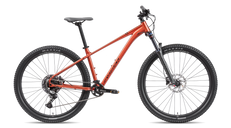
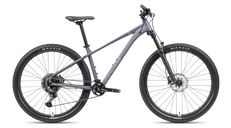
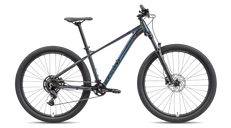
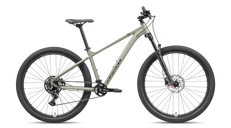
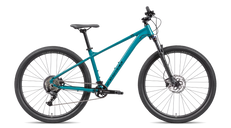
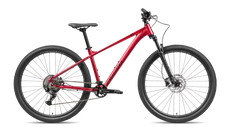
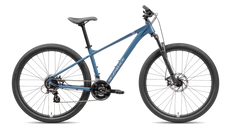
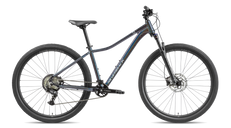
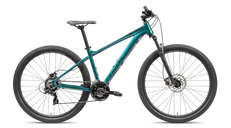
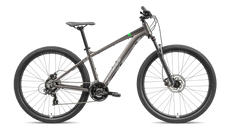
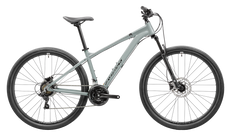
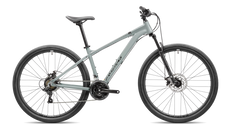
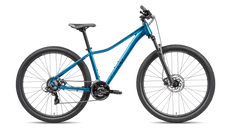
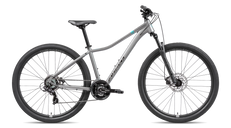
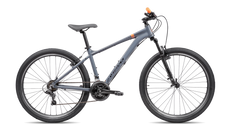
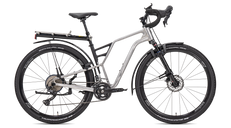
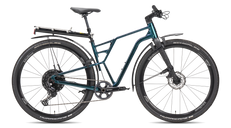
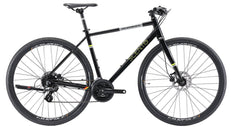
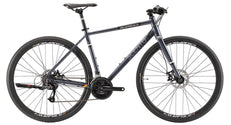
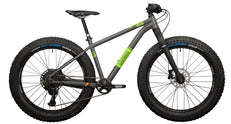
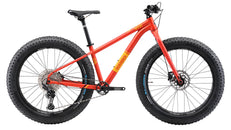
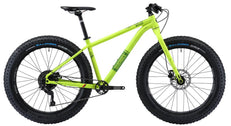
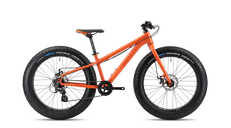
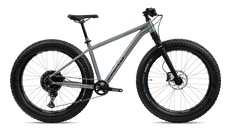
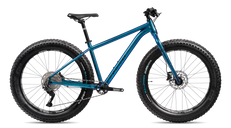
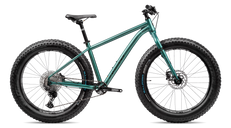
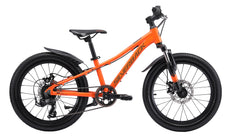
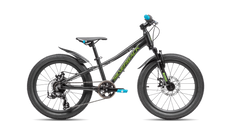
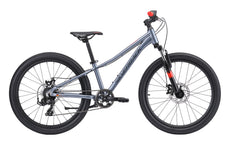
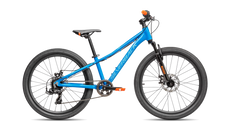
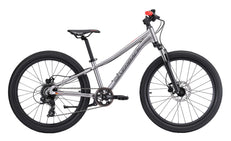
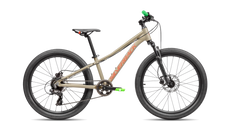
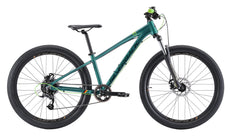
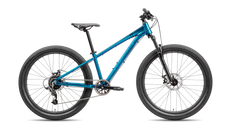
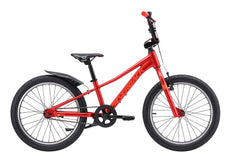




Your child may be ready for a first pedal bike when they are interested in trying, can manage a suitably sized bicycle, and are beginning to coordinate steering, balance and stopping. There is no universal birthday or single test that decides readiness. Look at what your child can comfortably do now, then introduce the new task in a quiet, supervised setting.
Readiness is also about the bicycle. A child can seem unready simply because the frame is too large, the bike is difficult to manage or the brakes are hard to operate. Check the equipment before deciding they need to try harder.
Interest is a useful starting point
Does your child ask about pedals, watch other children ride or enjoy spending time on a bike? Curiosity can make practice easier to introduce. It does not mean they must learn immediately, and reluctance is not a reason to set a deadline.
Offer a short opportunity to try rather than a long session with an expected result. Let them stop if they are tired or uncomfortable. An older beginner deserves the same patient approach as a younger child.
Look for these practical readiness signs
They can manage the bicycle
Watch your child push the bike, turn it around and get on and off. These everyday actions reveal whether the equipment feels manageable. Do not buy extra size on the assumption that confidence will fix an awkward fit. Our guide to growing room explains why fit today matters.
They are becoming comfortable with balance
A child who uses a balance bike may start lifting their feet for short glides while steering deliberately. This is useful experience, but it is not a guarantee that adding pedals will be effortless. A child coming from stabilisers may need a different balance-focused transition.
Our stabilisers versus balance bike guide explains how the two approaches develop different parts of riding. Neither is a compulsory stage for every child.
They can practise stopping deliberately
Stopping deserves attention before distance or speed. Check that your child understands the controls on the actual pedal bike, not just the stopping method on their previous equipment. Our hand brakes versus coaster brake comparison helps you assess those controls.
They can follow simple practice instructions
Look for a willingness to pause, listen and try one manageable task at a time. This is not an exam or a developmental diagnosis. If instructions become frustrating, simplify the session or return another day.
A readiness checklist without a pass-or-fail score
| What you notice | What it may suggest | Useful next step |
|---|---|---|
| Interested in trying pedals | Motivation to explore a new task | Offer a short, low-pressure introduction |
| Comfortable steering and gliding | Some useful balance experience | Introduce pedalling gradually |
| Can operate the fitted brakes | A foundation for controlled practice | Repeat low-speed stops with supervision |
| Struggles to push or mount the bike | The equipment may not fit or feel manageable | Reassess fit before continuing |
| Tired, distressed or unwilling | The session is not helping today | Pause without treating it as failure |
Choose a first pedal bike that fits now
Measure current height and inseam using our child inseam guide, then compare the exact model’s sizing information. Check reach, mounting and the ability to operate the controls. Ask a qualified retailer to help set the saddle for the rider’s learning stage and keep adjustments within the stated limits.
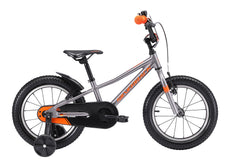
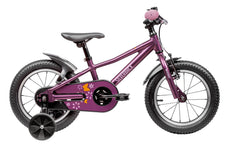
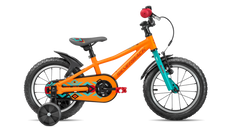
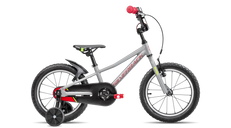
For smaller riders, investigate the Skid 14 (New Gen) and Skid 16 (New Gen) if their sizing guidance matches your child. These are options to assess, not age-based recommendations.
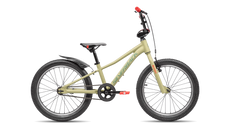
For larger beginners, compare the Skid 20 (New Gen) and Spyke 20 (New Gen). A first pedal bike does not have to be a small-wheel bike: the rider’s measurements and control determine a sensible shortlist.
Compare a suitable option: review current sizing and equipment on the relevant product page, then arrange a hands-on fit check with your child.
Make the first pedal sessions manageable
Choose a level, quiet, traffic-free area away from slopes, steps, vehicles and water. Use a correctly fitted cycling helmet, closed shoes and secure clothing. Supervise closely and keep speeds low. Ask a qualified cycling instructor for help if you are unsure how to support the transition.
Introduce one task at a time and practise stopping early. Do not push the child downhill to force momentum or assume that holding the bicycle rigidly will teach independent balance. If you are considering removing pedals or altering equipment, have a qualified retailer assess suitability first.
Our kids’ bike safety guide provides additional checks before riding.
Prepare before practice: ask a qualified retailer to check assembly, brake operation and fit, and show you the routine checks for that bicycle.
Frequently asked questions
What age should a child start using pedals?
There is no single age that works for every rider. Interest, coordination, experience and a manageable bike are more useful considerations than a birthday alone.
Must my child master a balance bike first?
No. Balance-bike experience can help with parts of the task, but it is not a compulsory qualification for trying pedals.
What if my child can glide but cannot pedal confidently?
They are combining tasks they previously practised separately. Keep sessions short, reassess fit and controls, and allow time without promising a timetable.
Should we buy the bike before our child is interested?
A suitable bike can invite exploration, but ownership is not a reason to pressure a child. A supervised fitting or trial can help you judge interest before committing.
Choose the next step around your child: explore the Silverback kids’ bike collection, compare sizing guidance and prioritise a manageable first experience over a learning deadline.