What Makes Carbon Road Bikes Different?
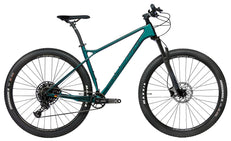
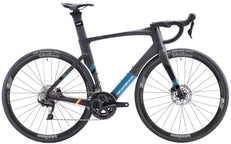
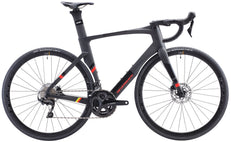
Carbon road bikes use carbon fibre frames designed to balance low weight, stiffness, and ride comfort. These characteristics support efficient power transfer during acceleration and climbing, while carefully engineered frame shapes help maintain responsive handling on paved roads.
Carbon or Aluminium: Which Road Bike Is Right for You?
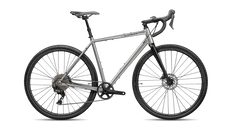
Aluminium road bikes are often a practical starting point because they offer durability and value, while carbon frames appeal to riders seeking lower weight and refined ride characteristics. The best choice depends on your experience, budget, riding frequency, and performance goals rather than frame material alone.
The Main Advantages of Carbon Road Bikes
A carbon frame can be designed with different levels of stiffness and flexibility in specific areas, helping balance pedalling efficiency with comfort. Lower frame weight can also make climbing and acceleration feel easier, while vibration management helps reduce some of the discomfort caused by rough road surfaces.
How Carbon Forks Improve Ride Comfort
A carbon fork can help absorb road vibrations before they travel through the handlebars to the rider. This can improve comfort over uneven tarmac and contribute to stable handling through corners, even when the rest of the bike uses a different frame material.
Carbon Road Bikes for Different Riding Styles
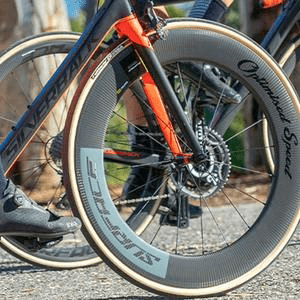
Carbon road bikes can suit several types of road cycling, from fast training sessions to endurance rides covering long distances. Frame geometry, wheel design, riding position, and component selection all influence whether a bike prioritises aerodynamic efficiency, comfort, or responsive handling.
Endurance Carbon Road Bikes
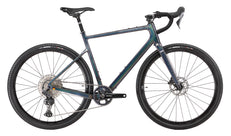
Endurance-focused road bikes generally feature geometry that supports a more relaxed riding position over longer distances. A stable wheelbase, suitable tyre clearance, and comfortable contact points can help reduce fatigue on extended rides across varying road conditions.
Aerodynamic Carbon Road Bikes
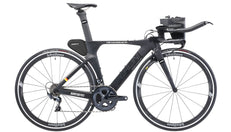
Aerodynamic road bikes are designed to reduce air resistance through features such as shaped frame tubes, integrated components, and a more performance-oriented riding position. These characteristics can benefit riders who prioritise speed on flatter routes, fast group rides, and time-trial-style efforts.
What Is the Typical Weight of a Carbon Road Bike?
The total weight of a carbon road bike varies according to frame design, size, wheels, drivetrain, brakes, and other components. A lighter setup may benefit climbing and acceleration, but fit, handling, comfort, and component reliability remain important considerations when comparing bikes.
What Affects the Price of a Carbon Road Bike?
The price of a carbon road bike depends on frame construction, component quality, wheelset, braking system, and overall design. Higher-priced models may use lighter materials and more advanced components, but riders who are new to road cycling can often prioritise a suitable fit and dependable equipment over premium upgrades.
Choosing the Right Road Bike Components
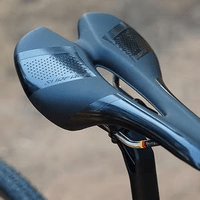
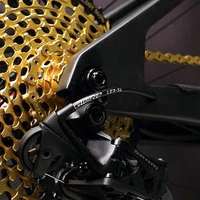
Gearing, brakes, tyres, wheels, and saddle design all affect how a road bike performs in everyday conditions. Lower gearing can make steep climbs more manageable, while reliable braking and tyres suited to the intended routes help maintain control and confidence across different weather and road surfaces.
Find a Road Bike That Matches Your Riding Goals
Choosing a road bike starts with understanding the routes you ride, the distances you cover, and the type of performance you value most. Exploring the wider range of road bikes can help you compare frame materials, riding positions, and component setups to find an option that suits your cycling needs.


 150/145mm Travel
 29" x 2.5" Wheels
 1x12 Speed SRAM AXS
 EP-801 Shimano Motor
 85Nm Torque
 720Wh Battery
 from 20.9kg