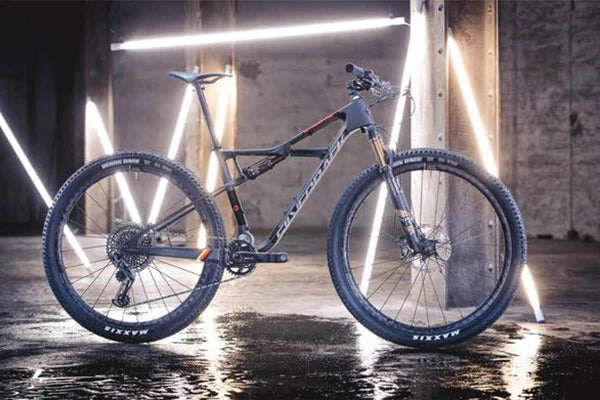
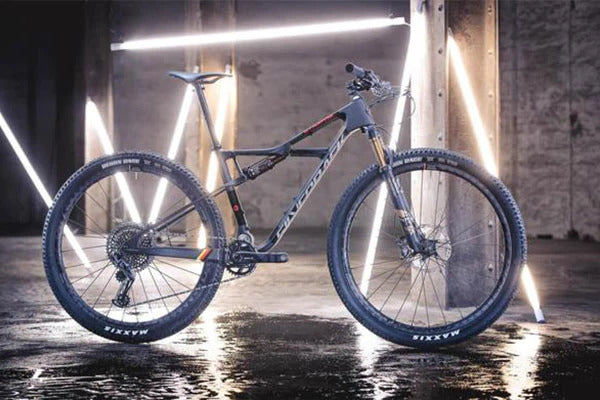
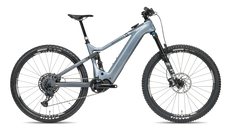
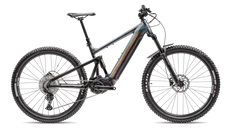
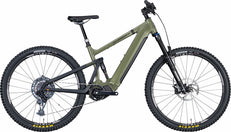
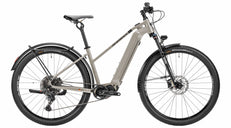
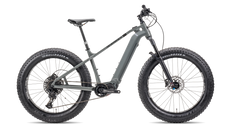
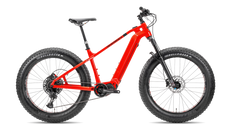
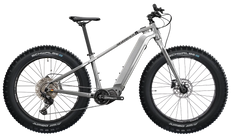
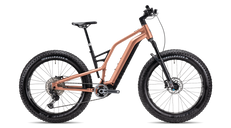
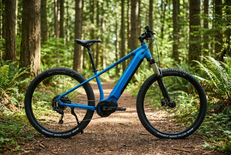
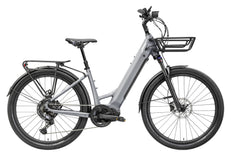
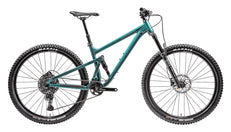
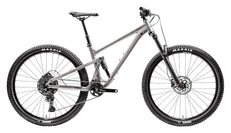
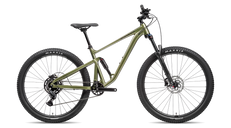
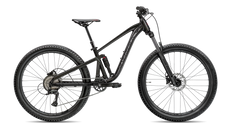
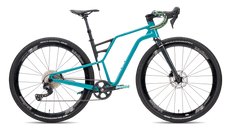
150/145mm Travel
 29" x 2.5" Wheels
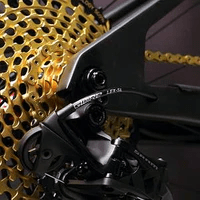
 1x12 Speed SRAM AXS
 EP-801 Shimano Motor
 85Nm Torque
 720Wh Battery
 from 20.9kg


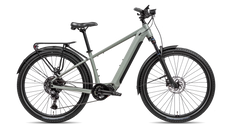
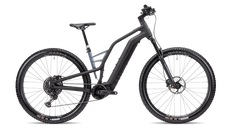
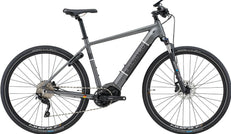
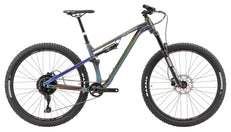
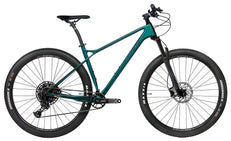
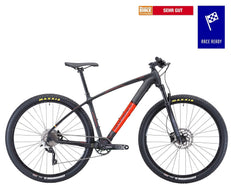
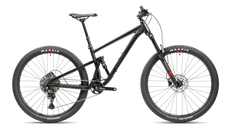

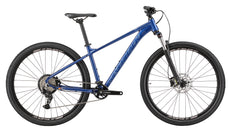
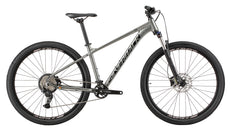
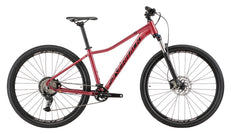
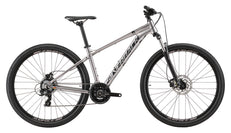
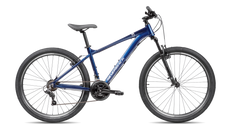
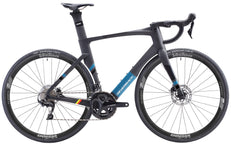
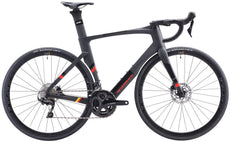
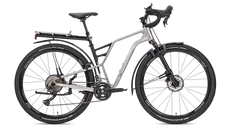
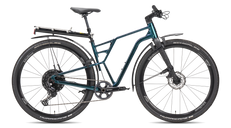
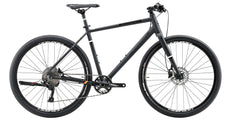
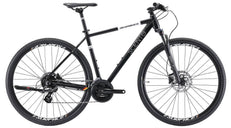




Before we compare a gravel bike vs a mountain bike, let’s get the basics clear.
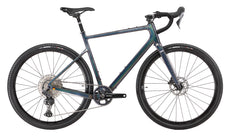
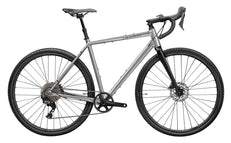
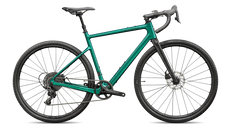
A gravel bike looks close to a road bike, but it is built for more than smooth tarmac. It usually has drop handlebars, wider tyre clearance, disc brakes, a slightly more stable geometry, and space for bags or accessories. It is quick on roads, confident on gravel, comfortable over long distances, and ideal for riders who mix pavement, dirt roads, forest tracks, commuting, and bikepacking. Its limit appears when the trail becomes steep, rocky, muddy, or technical.
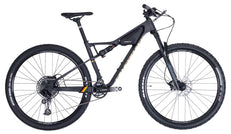
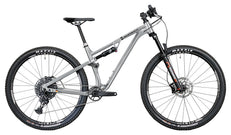
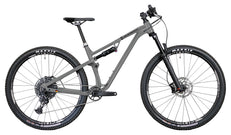
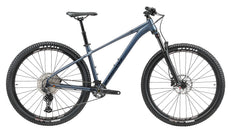
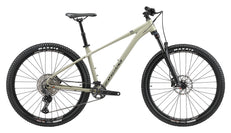
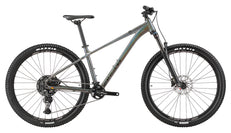
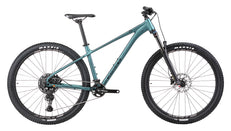
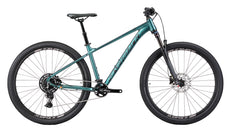
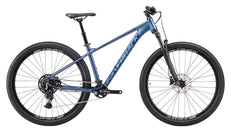
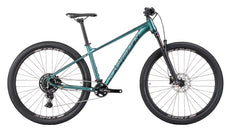
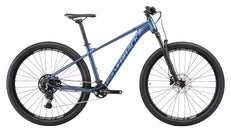
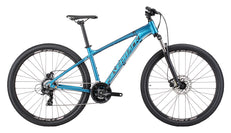
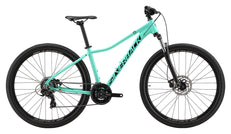
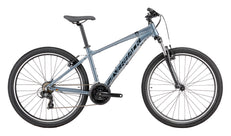
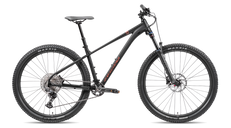
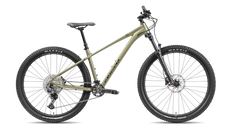
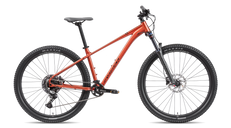
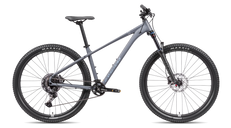
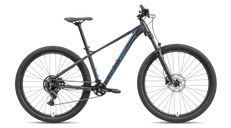
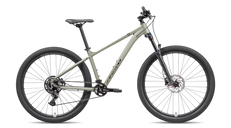
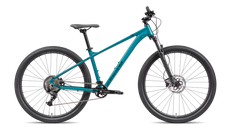
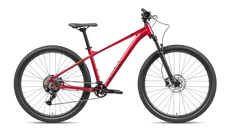
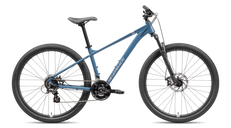
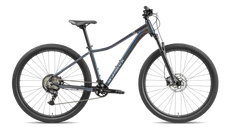
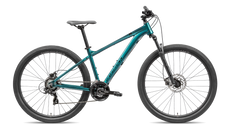
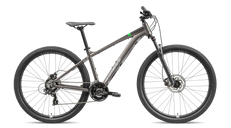
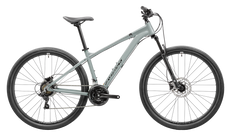
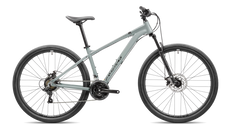
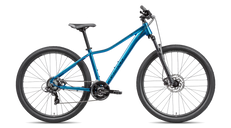
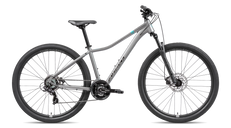
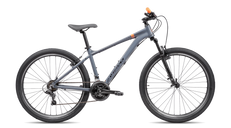
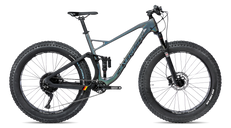
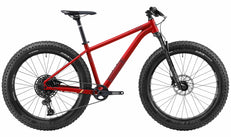
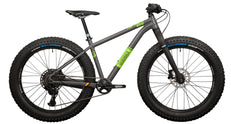
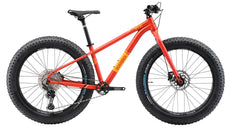
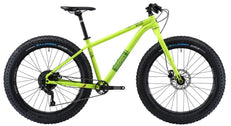
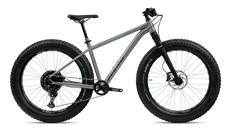
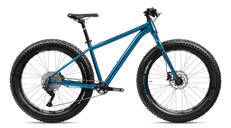
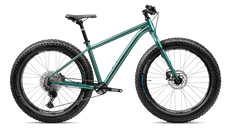
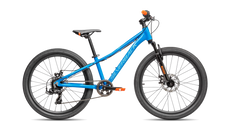
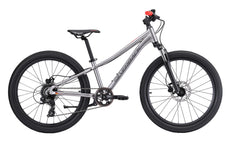
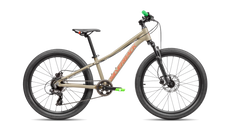
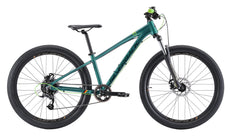
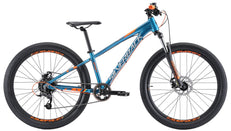
A mountain bike, or MTB, is built for rougher ground. It usually has flat, wide handlebars, bigger tyres with deep tread, lower gearing, stronger wheels, and front or full suspension. It is made for control on loose gravel, roots, rocks, drops, steep descents, and technical trails. Its trade-off is speed and efficiency on smooth roads, where the weight, suspension, and knobbly tyres slow it down.
After three decades around bikes, I’d put it this way: both gravel and mountain bikes serve the same ultimate purpose, to have fun. The difference is where that fun happens and how much control, speed, comfort, and carrying capacity you want along the way.
Difference Between Gravel Bike and Mountain Bike
The biggest difference between a gravel bike and a mountain bike design is the riding position and the intent of the bike.
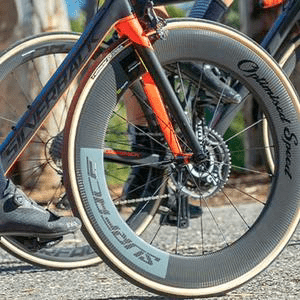
A gravel bike is built to cover distance efficiently. The drop bar gives several hand positions, the body sits slightly stretched forward, and the bike feels lively on roads and hard-packed surfaces. It rewards smooth pedalling, route planning, and long days where the surface keeps changing.

Photo: treadmtb_sa magazine
A mountain bike is built to manage terrain first. The wide flat bar gives leverage, the upright position helps you react quickly, and the tyres and suspension keep the bike composed when the ground gets rough. It rewards line choice, body movement, confidence, and control.
So when people search for gravel vs mountain bike or mountain vs gravel bike, they are not just comparing two bicycles. They are comparing two riding styles.
How Do the Components of a Mountain Bike and a Gravel Bike Differ?
The parts tell you what each bike is meant to do.
A gravel bike usually has drop handlebars, disc brakes, fast-rolling 35 mm to 50 mm tyres, a rigid fork, and either a 1x or 2x drivetrain. Many gravel frames include mounting points for bottles, mudguards, racks, fork bags, and frame bags.

Photo: treadmtb_sa magazine
A mountain bike usually has a wide flat or riser bar, hydraulic disc brakes, 2.25-inch or wider tyres, lower gearing, stronger wheels, and suspension. A hardtail has front suspension only, while a full-suspension MTB has both front and rear suspension.
You may like to read this : Mountain Bike Suspension: Top Things to Know
Both bikes may use similar drivetrain parts, chains, cassettes, and brake systems, but the setup is tuned differently. Gravel parts lean toward speed and endurance. MTB parts lean toward control, impact resistance, and grip.
How Is a Gravel Bike’s Geometry Different to a Mountain Bike?
Geometry is where the bikes begin to feel truly different.
A gravel bike usually has a steeper head angle, lower front end, shorter reach with a longer stem, and a lower bottom bracket. That gives it quick steering, good road manners, and stability on long, rolling rides.
A mountain bike has a slacker head angle, longer reach, higher front end, wider bar, shorter stem, and more ground clearance. This makes it steadier on descents and more forgiving over rocks, roots, and ruts.
In simple terms, gravel geometry says, “Let’s cover ground.” Mountain bike geometry says, “Let’s stay in control when the ground fights back.”
Why Are Tyres and Wheels So Important?
Tyres are the soul of both bikes.

On a gravel bike, tyres often do the comfort work because most gravel bikes are rigid. A 40 mm to 50 mm gravel tyre can soften chatter, add grip, and keep the bike rolling quickly. A slick or semi-slick tread works well for road-heavy routes, while a more open tread helps on loose dirt and forest tracks.
On a mountain bike, tyres are wider, deeper, and run at lower pressure. They give traction, braking control, cornering confidence, and impact protection. That is why an MTB can ride terrain that would make a gravel bike feel nervous.
Wheel size can sound confusing. Many gravel bikes use 700C, while many mountain bikes use 29-inch wheels, but the rim diameter is effectively the same. The MTB wheel looks larger because the tyre is much bigger. Some gravel bikes also use 650B, and some MTBs use 27.5-inch, especially for smaller riders or more agile handling.
Comparison: Gravel Bike vs Road Bike vs Mountain Bike
|
Feature |
Road Bike |
Gravel Bike |
Mountain Bike |
|
Best surface |
Smooth tarmac |
Road, gravel, dirt roads, light trails |
Trails, rocks, roots, mud, steep terrain |
|
Handlebar |
Drop bar |
Drop bar, often flared |
Flat or riser bar |
|
Tyres |
Narrow, usually 25-32 mm |
Wider, usually 35-50 mm |
Very wide, often 2.25 inches or more |
|
Riding position |
Low and aerodynamic |
Sporty but more relaxed |
Upright and controlled |
|
Speed on road |
Fastest |
Fast to very fast |
Slower |
|
Off-road ability |
Limited |
Good on light to moderate terrain |
Excellent |
|
Comfort |
Low to medium |
Medium to high for long mixed rides |
High on rough ground |
|
Suspension |
Usually none |
Usually none, sometimes short-travel fork |
Front or full suspension |
|
Gear range |
Close ratios for speed |
Wide range for mixed terrain |
Very low gears for steep climbs |
|
Carrying gear |
Limited |
Excellent for bikepacking |
Improving, but varies by frame |
|
Maintenance |
Lower |
Moderate |
Higher, especially with suspension |
|
Best for |
Road speed and training |
Multi-surface riding and adventure |
Technical off-road control |
Gravel vs MTB: Which Bike for Which Terrain?
Choose a gravel bike if your rides include tarmac, farm roads, compact dirt, canal paths, forest roads, mild trails, and long-distance exploring. It is the better choice when speed, efficiency, and distance matter.
Choose a mountain bike if your rides include loose rocks, steep descents, mud, roots, drops, technical singletrack, or bike-park-style trails. It is the better choice when grip, braking, suspension, and confidence matter.

For mixed Indian conditions, broken roads, village tracks, monsoon-washed paths, and long countryside rides, a gravel bike often makes a lot of sense. But if your weekend rides regularly head into rocky hills or technical trails, the mountain bike earns its keep very quickly.
Carrying Gear on a Gravel Bike vs a Mountain Bike
Gravel bikes are usually better prepared for luggage. They often have mounts for bottles, racks, mudguards, top-tube bags, fork cages, and frame bags. That makes them excellent for bikepacking, commuting, and long self-supported rides.
Mountain bikes can carry gear too, especially modern hardtails, but older or more aggressive MTB frames may have fewer mounting points. On rough trails, riders often prefer soft bikepacking bags instead of racks because they move less and survive vibration better.
Gravel Bike vs Hardtail MTB: Do I Need Suspension?

For most gravel riding, no. A rigid gravel bike with the right tyre size and pressure is efficient, simple, and comfortable enough.
Suspension helps when the ground gets rough. It improves control, reduces hand fatigue, and lets you ride faster through broken sections. But it also adds weight, cost, and maintenance. A hardtail MTB is a fine choice if comfort and trail confidence matter more than road speed.
My rule is simple: if you are avoiding rough trails, buy gravel. If you are seeking them out, buy MTB.
Is There a Difference in Drivetrain Wear?
Not because of the bike category alone. Drivetrain wear depends more on dust, mud, water, cleaning habits, chain lubrication, and how often you ride.
A gravel bike ridden through wet grit without cleaning can wear a chain quickly. A mountain bike treated well can run smoothly for a long time. Keep the chain clean, lubricated, and measured for stretch, and either bike will reward you.

Is It a Good Idea to Ride Gravel on a Mountain Bike?
Yes. A mountain bike can be excellent on gravel, especially if comfort and control matter. Fit faster-rolling tyres, and it becomes a very capable all-day machine.
The only catch is efficiency. On long road sections or fast gravel rides, a mountain bike will usually feel slower than a gravel bike. But if your route includes rough descents or technical sections, the MTB may be the smarter and safer choice.
Mountain Bike vs Gravel Bike: Clothing Comparison
Gravel clothing is more designed for comfort and efficiency on long tours, while mountain bike clothing focuses on protection and durability in the terrain.
For gravel, riders often wear fitted jerseys, bib shorts, breathable layers, gloves, and road-style or gravel shoes. The aim is comfort over many hours and easy access to pockets.
For mountain biking, clothing is usually looser, tougher, and more protective. Trail shorts, knee pads, full-finger gloves, stronger shoes, and sometimes body protection make sense when falls, branches, rocks, and mud are part of the ride.
Final Verdict: Which Multi-Surface Bike Is Right for You?
Buy a gravel bike if you want one bike for fast roads, broken tarmac, gravel, forest roads, light trails, long tours, commuting, and bikepacking.
Buy a mountain bike if you want confidence on rough terrain, technical trails, rocky climbs, steep descents, loose surfaces, and rides where control matters more than speed.
The honest answer is that there is no loser here. A gravel bike makes the world feel connected. A mountain bike makes the rough parts feel possible. Pick the one that matches the rides you actually want to do, not the rides you imagine for five minutes while scrolling.