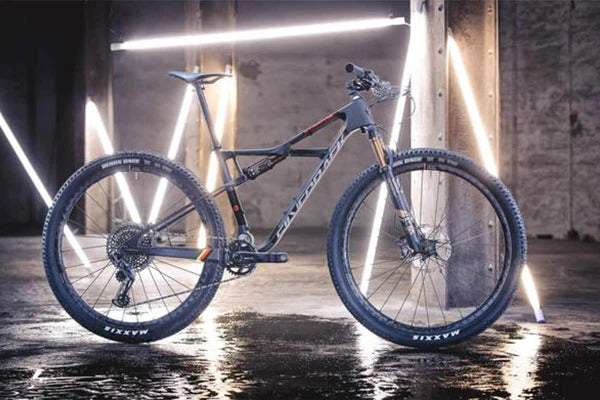
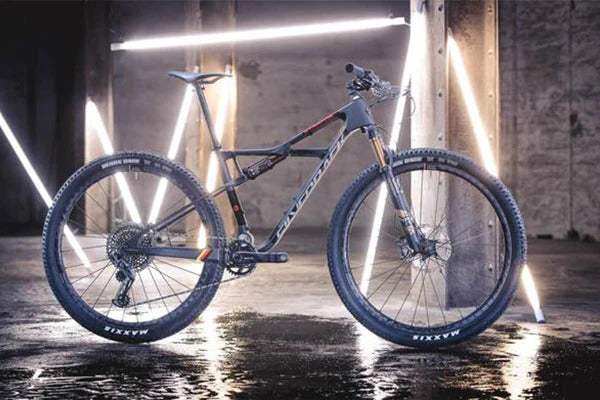
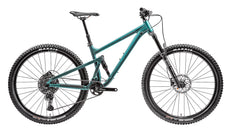
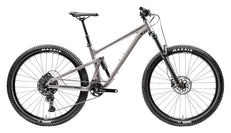
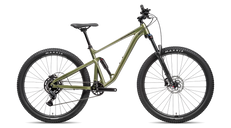
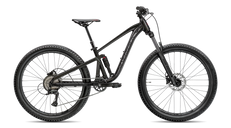
150/145mm Travel
 29" x 2.5" Wheels
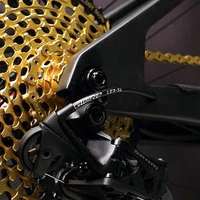
 1x12 Speed SRAM AXS
 EP-801 Shimano Motor
 85Nm Torque
 720Wh Battery
 from 20.9kg
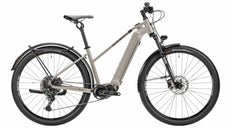
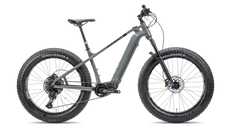
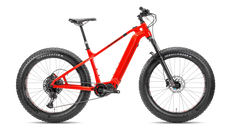

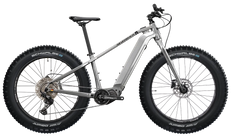

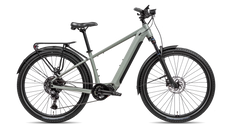
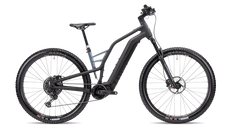
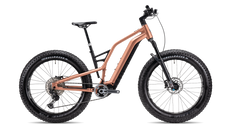
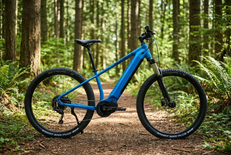
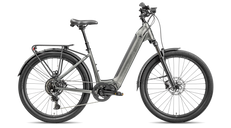
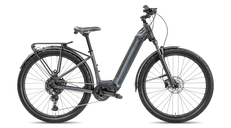
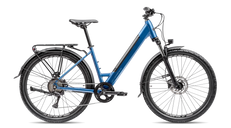
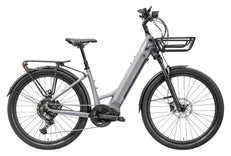
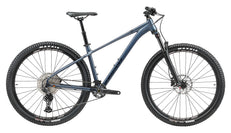
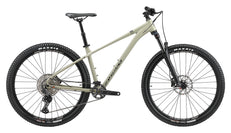
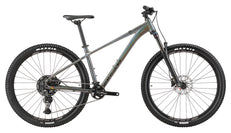
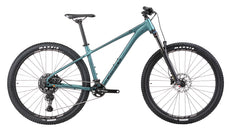
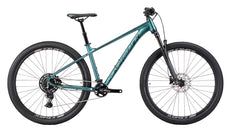
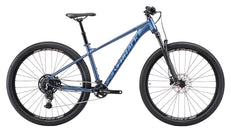
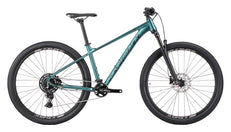
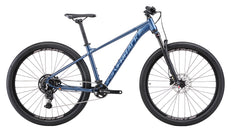
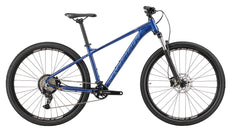
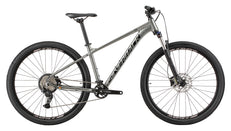
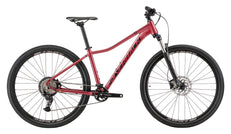
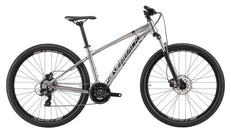
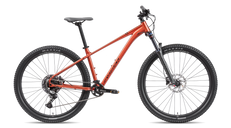
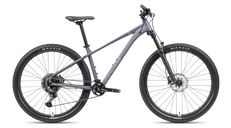
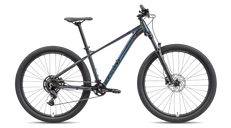
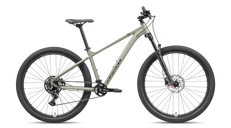
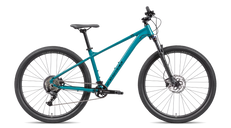
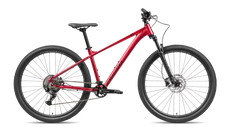
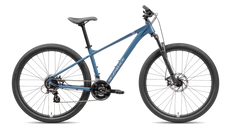
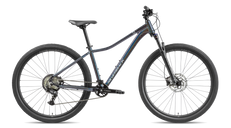
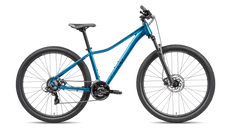
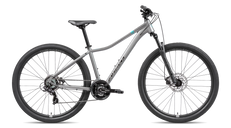
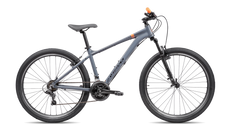
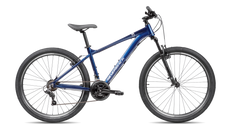
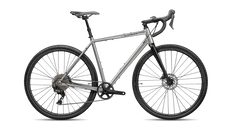
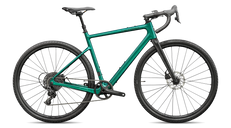
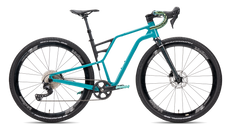
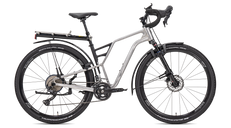
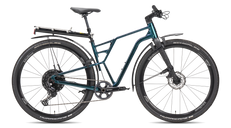
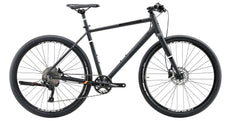
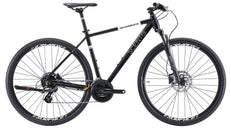
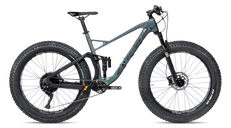
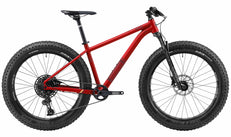
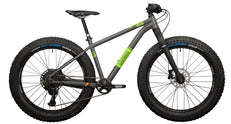
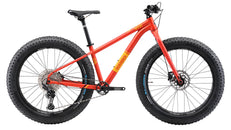
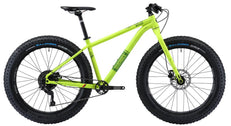
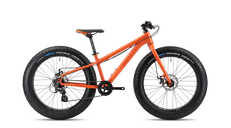
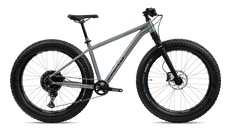
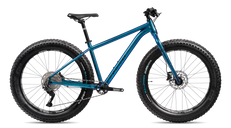
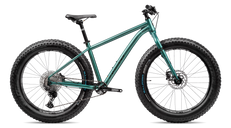




A fat sand bike relies on oversized tires, usually 3.8 to 5 inches wide, run at very low pressure so the bike floats over loose ground instead of digging into it. That is why fat bikes are the most capable choice for beaches and deserts, where narrow tires sink and stall.
The bike is only part of the answer, though. Tire pressure, the part of the beach being ridden, riding technique, and cleaning after every ride all shape how enjoyable sand riding turns out to be. This guide covers each of these points, from choosing a model to keeping it healthy after salt and sand exposure.
What Are Fat Bikes and Why Are They Ideal for Sand Riding?
A fat bike is a bicycle built around extra-wide tires on wide rims, with a frame and fork designed to give those tires plenty of clearance. Most models use tires between 3.8 and 5 inches wide, and the large air volume inside them is what makes very low pressures practical.
Sand does not support a tire the way dirt or gravel does. It deforms under load, so a narrow tire at normal pressure cuts down into the surface and wastes energy on every pedal stroke. A wide, low-pressure tire spreads the rider's weight over a larger contact patch, which reduces sinking and keeps the bike rolling. This flotation is the reason a fat tire bike for sand feels so different from a standard mountain bike.
How Fat Bikes Perform on Soft Sand and Beach Terrain
Riding a fat bike on sand is easier than riding almost anything else on it, but it is still a workout. Riders often compare it to pedaling on an indoor trainer with the resistance set to medium, because the pedals stay loaded for the whole ride. Conditions along a shoreline also change constantly, so some days feel noticeably easier than others.
The firmest surface is usually the wet, packed strip near the waterline, where a fat bike rolls with the least effort. Dry, loose sand higher up the beach is much harder, and even a fat bike may tire its rider after a few hundred feet. Calm days, offshore breezes, and falling tides tend to give the best conditions, while waves washing up the shore can shrink the rideable strip.
Wind direction matters more than most riders expect. When the breeze runs parallel to the shore, it is smart to ride into it early while energy is high and enjoy the tailwind on the way back. Fat bikes hold a clear advantage on deep, dry sand, but that gap narrows on wet, packed sand, and the extra weight and rolling resistance make them slower on hard surfaces.
How to Choose the Best Fat Bike for Sand Riding
The best fat bike for sand depends on how much of the riding happens on sand, how soft that sand is, and what else the bike needs to do. Riders who spend most of their time on loose beaches or dunes benefit most from a true fat bike, while those who ride sand only occasionally may prefer a more versatile setup. A few features are worth checking on any model:
-
Tire clearance and width: Frames that accept 4-inch to 5-inch tires give the most flotation.
-
Rim width: Wide rims support low pressures without tires rolling off the rim.
-
Brakes: Disc brakes with room for sand to pass through are easier to keep working on the beach.
-
Sealed components: Sealed bearings in the hubs and bottom bracket reduce wear from sand and salt.
-
Pedals: Flat pedals with sealed bearings make it easy to hop off and push when the sand gets too soft.
The drivetrain and suspension choice also shape the ride. Non-electric fat bikes are lighter, simpler, and easier to maintain, which suits riders who want direct control over every pedal stroke. E-fatbikes add motor assistance, which helps on soft sand, longer coastal routes, and days when the wind is against the rider.
Suspension matters less on sand than on rocky trails, because sand does not create sharp impacts. Hardtail fat bikes are lighter and simpler, which makes them a strong pick for pure beach riding. Full suspension fat bikes make more sense when the route to the beach includes rough singletrack or rocky approaches, though they add more parts to clean and service after salt exposure.
Best Fat Tire Width and Tire Pressure for Sandy Terrain
Wider tires float better, so 4.8-inch tires suit heavier riders and very soft sand, while 3.8-inch tires can work on the firmer sand found along many ocean beaches. Tire volume matters as much as width, because a larger volume allows lower pressure without the rim striking the ground. For any fat tire bike for sand, tire pressure is the single biggest adjustment.
The figures below are starting points drawn from rider experience, and the ideal setting shifts with rider weight, tire model, and surface:
-
Dry, loose sand: about 5 to 8 psi
-
Wet, packed sand: about 8 to 12 psi
-
Mixed beach and road riding: a slightly higher compromise, often around 5 to 6 psi if the ride includes harder surfaces
-
Heavier riders: add 1 to 2 psi to reduce the risk of rim strikes
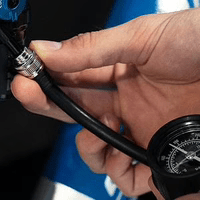
Going lower is not always better. Below roughly 5 psi, a fat bike can start to feel unstable and want to self-steer on harder ground, so adjust in small steps of 1 to 2 psi. A reliable low-pressure gauge is worth carrying, since standard gauges are often inaccurate in this range.
Fat Bikes vs. MTB for Sand Riding
A mountain bike is not useless on the beach. A hardtail with 2.4-inch or wider tires at around 18 to 22 psi can handle wet, packed sand reasonably well. On deep, dry sand, however, it spins out, stalls often, and demands far more effort than a fat bike.
|
Factor |
Fat Bike |
MTB With Wide Tires |
|
Deep, dry sand |
Clear advantage thanks to flotation |
Struggles with frequent stalling |
|
Wet, packed sand |
Works well, though the gap narrows |
Adequate with low pressure |
|
Hard-packed trails |
Slower because of weight and rolling resistance |
Efficient and comfortable |
|
Weight |
Heavier |
Lighter and easier to handle |
|
Choice and price |
Fewer models |
Wide range at every budget |
The honest takeaway is that the type of sand often matters more than the type of bike. Riders who already own a mountain bike can try widening the tires, lowering the pressure, and even switching to tubeless before buying anything new. A fat bike is the better investment when sand makes up a large share of regular riding.
Essential Techniques for Riding a Fat Bike on Sand
Good technique saves energy on every ride, and most of it comes down to choosing the right surface and keeping momentum. These habits help most on the beach:
-
Ride the firm strip. Stay on the wet, packed sand near the waterline, but avoid the wave wash, which throws sand into the drivetrain.
-
Time the ride. Start as the tide begins to fall, and choose calm days or offshore breezes when possible.
-
Shift early. Drop into an easier gear before the sand softens, since stalling in a hard gear is hard to recover from.
-
Pedal smoothly. Steady, even pressure keeps the rear tire from spinning, while sharp surges dig it in.
-
Steer gently. Wide, gradual turns hold momentum better than sudden changes of direction, especially at low pressure.
-
Plan for pushing. Soft patches are normal, and flat pedals make it easy to step off and walk through them.
Looking ahead helps as well. Spotting soft patches, driftwood, and stream mouths early gives time to pick a clean line instead of braking hard in loose sand.
Common Sand-Riding Mistakes and How to Avoid Them
Most sand-riding problems come from a handful of repeat mistakes, and almost all of them are easy to fix with a little preparation:
-
Tire pressure that is too high: Lower the pressure before the ride, not after getting stuck.
-
Riding the wrong part of the beach: Loose, dry sand high on the shore drains energy, so stay on the firmer strip.
-
Riding through the water: Splashing and wave wash throw sand and salt into the chain and brakes.
-
Tight brake setup: Opening the brake spacing gives sand more room to pass through, and brakes are rarely needed hard on a beach.
-
Fresh or dry lube before a ride: A freshly lubed chain attracts sand like a magnet, so apply lube well before riding and degrease new chains first.
-
Buying a fat bike for occasional beach rides: If sand is a small part of riding, a well-tuned mountain bike may be the more practical choice.
Fat Bike Maintenance After Beach and Desert Rides
Sand and salt wear down a drivetrain, bearings, and brakes much faster than ordinary dirt. A quick rinse after every ride is the most important habit, and it should use a gentle, low-pressure spray. A high-pressure jet pushes sand deeper into bearings and brakes, which defeats the purpose of cleaning.
Brakes and the chain need the most attention. Spin each wheel while rinsing the rotor and caliper, which helps flush out the grit that causes grinding sounds. Let the bike air dry, then apply a lubricant that suits sandy conditions, such as a PTFE spray that leaves a dry film behind, and allow time for it to set before riding again.
Regular checks extend the life of the bike. Inspect cable housings, bolts, and bearings often, re-grease where needed, and expect parts to wear faster if beach riding is frequent. Sealed bearing hubs and bottom brackets lower the maintenance load, which is another reason to look for them when buying.
Essential Accessories for Sand-Riding Adventures
A few accessories make sand riding more comfortable and protect the bike. None of them are expensive, and most pay for themselves quickly:
-
Low-pressure tire gauge: Needed for setting pressure accurately in the 4 to 12 psi range.
-
Compact pump: Useful for topping up pressure when the ride moves from sand to pavement.
-
Flat pedals with sealed bearings: They shrug off sand better than many clipless systems and make dismounts easy.
-
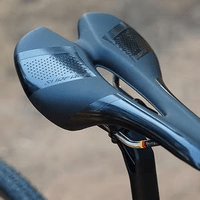
Ergonomic grips and a comfortable saddle: Long sand rides keep the rider seated and gripping for hours, and these two upgrades reduce numb hands and sore spots.
-
Extra water bottle: A spare bottle is handy for rinsing sand off the chain and brakes mid-ride, and for drinking.
-
PTFE chain lube and a degreaser: These make post-ride care quick.
-
Sun protection and eyewear: Open beaches and deserts offer little shade, and blowing sand is hard on the eyes.
Frequently Asked Questions About Fat Bikes for Sand Riding
Can a Fat Bike Ride on Soft Sand?
Yes, within limits. A fat bike floats on soft sand far better than any other bike, but very dry, deep sand can still stop a rider after a short distance. The firm, wet strip near the water is where fat bikes feel most effortless.
What Tire Pressure Is Best for a Fat Tire Bike on Sand?
Most riders start around 5 to 8 psi on dry, loose sand and 8 to 12 psi on wet, packed sand. Heavier riders usually add 1 to 2 psi. Small adjustments of 1 to 2 psi make a noticeable difference, so it helps to experiment.
Is a Fat Bike Worth It Just for Beach Riding?
It depends on how often the ride happens on soft sand. Regular riders on loose beaches or dunes will feel the benefit right away, while occasional riders may be well served by a mountain bike with wide tires and lower pressure.
Are E-Fatbikes Good for Sand?
They can be. Motor assistance reduces the effort of pushing through soft sand and makes longer coastal routes more realistic. The added weight is worth considering, particularly for sections that require pushing the bike.
Do Beaches Allow Cycling?
Rules vary widely by location, season, and time of day. Some beaches restrict or ban bikes during peak periods, so it is wise to check local council or park rules before riding an unfamiliar beach.
How Often Should a Fat Bike Be Cleaned After Beach Rides?
After every ride. Salt and sand left on the bike, even overnight, can start causing corrosion and wear, and a gentle freshwater rinse takes only a few minutes.
Conclusion
A fat bike turns soft sand from a slog into a genuine adventure, provided the setup is right. Low tire pressure, the right tire width, a smart choice of line, and quick cleaning after each ride do most of the work.
Matching the bike to the terrain is the final piece. Browse the range of fat bikes, compare hardtail and full suspension options, and pick the model that fits the beaches and trails waiting on the next ride.