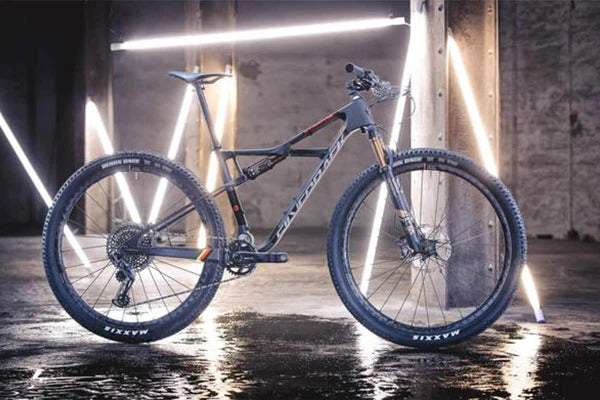
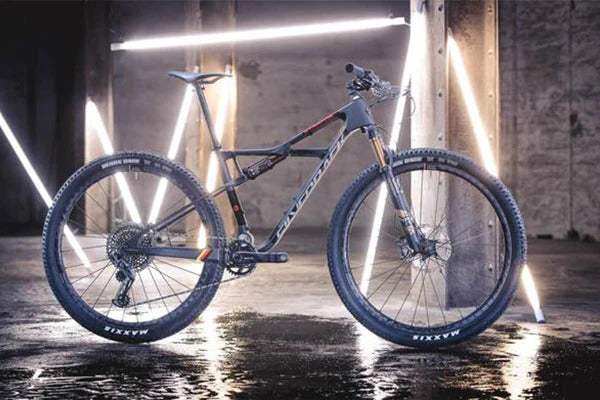
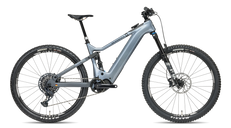
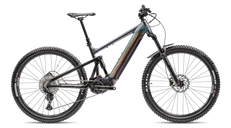
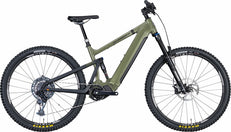
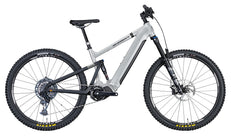
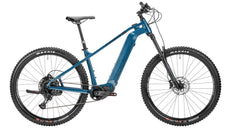
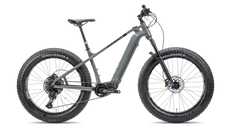
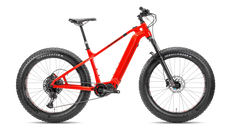
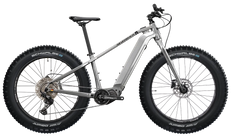
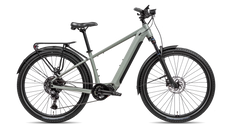
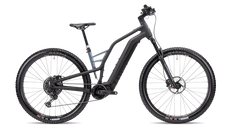
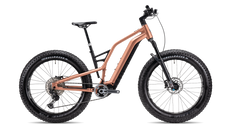
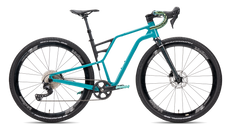
150/145mm Travel
 29" x 2.5" Wheels
 1x12 Speed SRAM AXS
 EP-801 Shimano Motor
 85Nm Torque
 720Wh Battery
 from 20.9kg


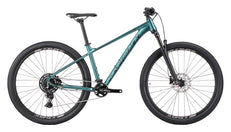
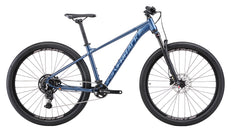
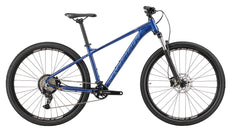
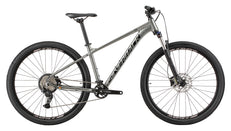
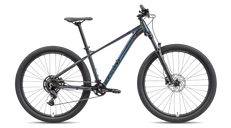
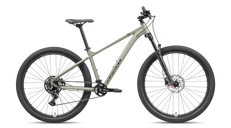
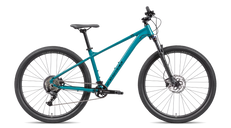
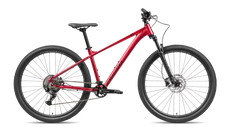
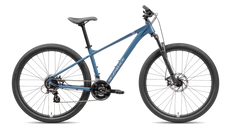
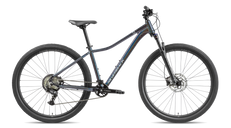
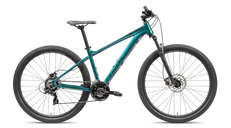
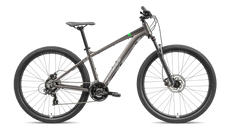
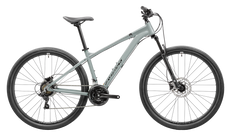
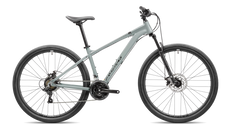
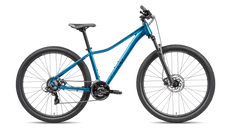
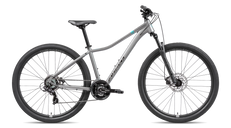
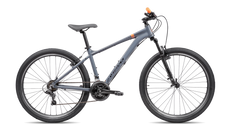
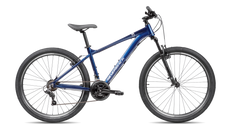
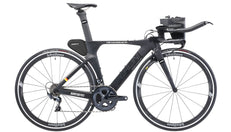
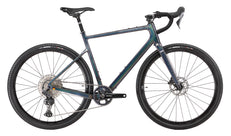
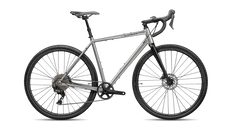
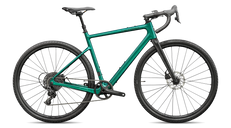
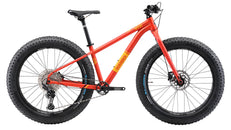
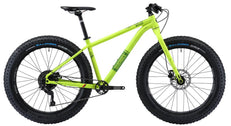
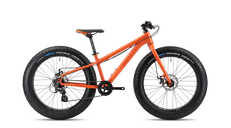
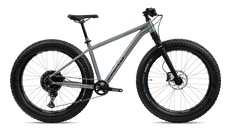
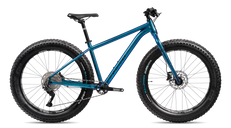
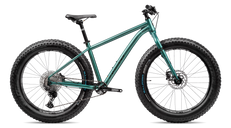
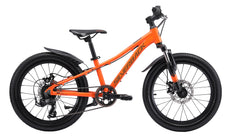
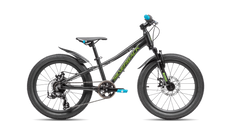
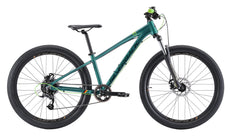
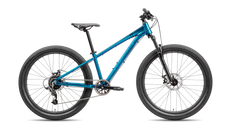
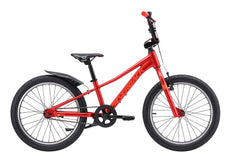
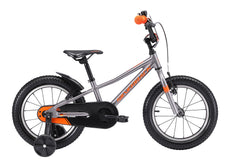
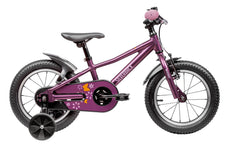




A second-hand kids’ bike can be a sensible choice when it fits, is in sound condition and remains good value after any necessary work. Buying new can reduce uncertainty about previous use, but a new bicycle still needs correct assembly, adjustment and maintenance. Choose by fit, verified condition and complete cost, not simply by whether the bike has had another owner.
If you cannot confidently assess a used bicycle, arrange an inspection by a qualified bike retailer before your child rides it. A tidy finish or a seller’s description cannot establish the condition of every important part.
Fit comes before new versus used
A bargain is not useful if the frame is too large, the handlebar is too far away or the child cannot operate the brakes. Start with current measurements using our child inseam guide, then check the actual bicycle.
Do not buy extra size merely because a used listing appears unusually cheap. Our guide to growing room explains why oversizing can make riding harder today.
What buying new can offer
A new bicycle gives you a current product specification to compare and a clearer starting point for its service history. Ask what assembly, adjustment and setup are included, rather than assuming these are identical across sellers. Confirm the actual model generation and equipment before purchasing.
New does not mean maintenance-free or automatically suitable. Your child still needs a hands-on fit check, accessible controls and equipment appropriate to the planned riding. Check the instructions and have setup assessed if you are unsure.
What buying second-hand can offer
A suitable used bicycle may reduce the purchase price and keep an existing product in use. It can also provide an opportunity to compare a different specification within your budget. However, the asking price is only the beginning of the cost comparison.
Wear, damage, missing parts and previous modifications can change the value substantially. Ask about ownership, use, maintenance and any crashes or repairs. Useful records help you understand the history, but they do not replace an inspection.
New versus used at a glance
| Consideration | New bicycle | Second-hand bicycle |
|---|---|---|
| Previous use | No previous riding history to assess | Ask about history and inspect condition |
| Setup | Confirm assembly and adjustment arrangements | Check setup and any modifications |
| Initial cost | Compare current price and included services | Add repairs and missing equipment to asking price |
| Fit | Check on the actual bike | The same fit checks still apply |
| Buying decision | Suitability and complete value matter | Condition and complete value matter |
A practical second-hand inspection checklist
Frame and fork
Look for visible cracks, dents, distortion or signs of unusual repair. Ask about impacts and modifications. If anything is uncertain, pause and obtain professional advice. Do not assume paint hides only cosmetic marks or attempt to decide structural soundness from photographs alone.
Brakes and controls
Check that the fitted controls work and your child can reach them comfortably. Worn parts, damaged cables or poor adjustment need assessment before riding. Our brake comparison guide helps you assess usability as well as equipment type.
Wheels, tyres and steering
Inspect visible tyre damage and ask a retailer to check wheel attachment, wheel condition and steering if you are unfamiliar with the systems. Unexpected looseness or binding is a reason to stop, not a problem to ignore during a trial ride.
Drivetrain and contact points
Check for missing or damaged components, insecure grips and obvious problems with pedals or the saddle. A professional can assess drivetrain wear and estimate repairs. Replacement costs are easier to evaluate before paying than after discovering several jobs at home.
Our kids’ bike safety guide adds routine pre-ride considerations for either purchase route.
Compare the complete cost, not just the asking price
Add inspection, essential repairs, replacement parts, setup and any equipment needed for the intended use. Compare that total with a suitable new alternative. Do not count on a fixed resale return later: future demand and condition are uncertain.
Our kids’ bike budget guide helps organise the comparison. If you are considering a higher-specification used bike instead of a simpler new one, our premium versus budget guide explains how to identify differences your child will actually use.
Price the work before deciding: ask a qualified retailer for an inspection and itemised estimate when the condition or repair needs are unclear.
Use suitable new models as comparison points
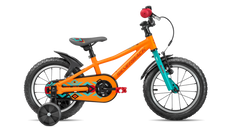
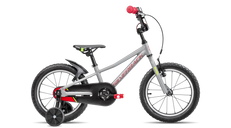
For smaller riders, investigate the Skid 14 (New Gen) and Skid 16 (New Gen). Check current sizing and equipment instead of assuming an older used version has identical specifications.
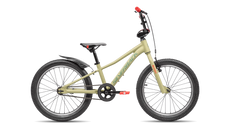
Compare a relevant option: review the Skid 20 (New Gen) if its sizing and intended use match your child, then compare a used alternative on equivalent fit, condition and complete cost.
Frequently asked questions
Is a used premium bike always better than a new budget bike?
No. Condition, fit and likely repairs can outweigh the original specification. Compare the actual bicycles.
Can cosmetic scratches be ignored?
Some marks may be cosmetic, but do not diagnose uncertain damage from appearance alone. Ask a qualified professional where needed.
Should my child test ride a used bike immediately?
Only after appropriate condition and fit checks. Do not use a child’s trial ride to discover whether an unfamiliar bicycle is functioning correctly.
What if the seller cannot explain its history?
Factor that uncertainty into the decision and seek an independent inspection. Walking away is sensible if important questions remain unresolved.
Choose a suitable bike, whichever route you take: explore the Silverback kids’ bike collection, establish a fit-based benchmark and compare the whole purchase rather than the discount alone.