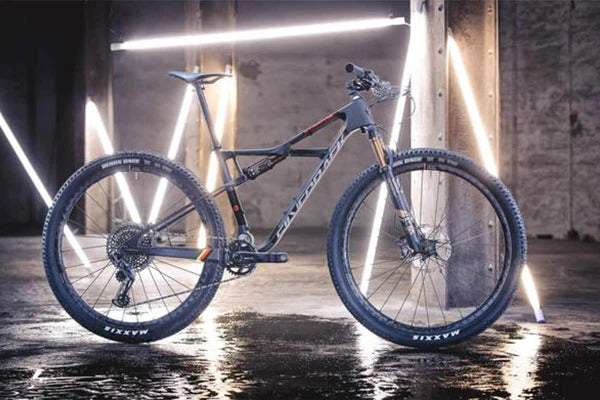
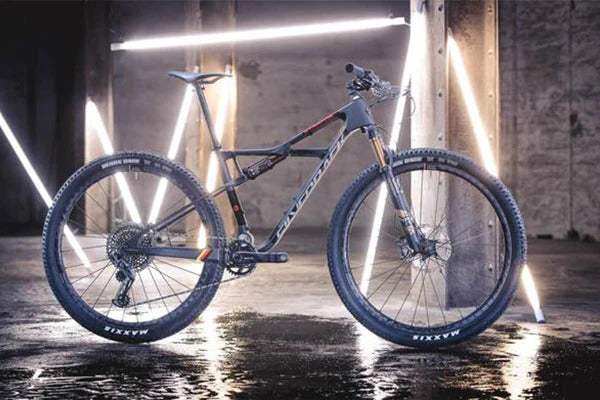
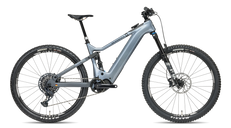
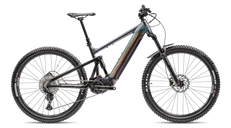
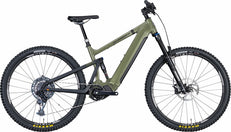
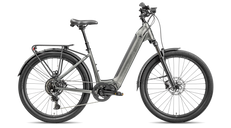
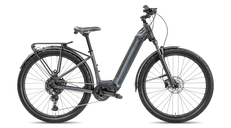
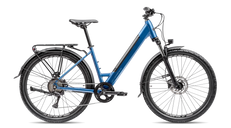
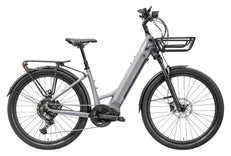
150/145mm Travel
 29" x 2.5" Wheels
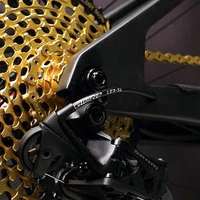
 1x12 Speed SRAM AXS
 EP-801 Shimano Motor
 85Nm Torque
 720Wh Battery
 from 20.9kg
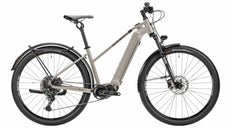
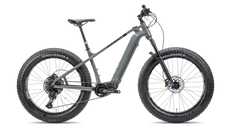
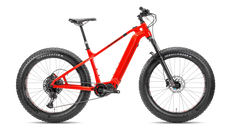

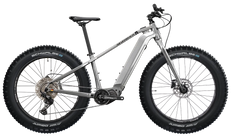

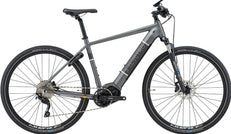
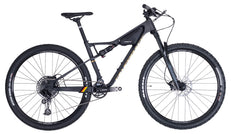
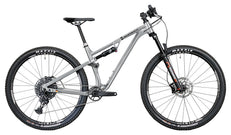
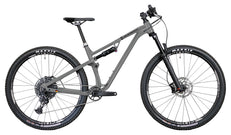
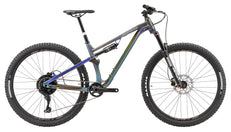
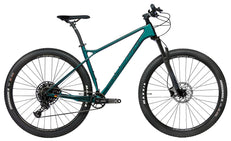
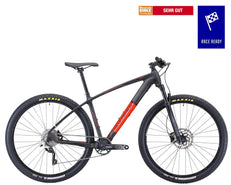
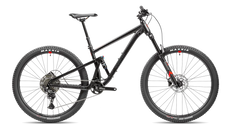
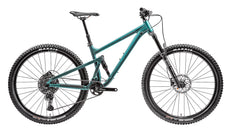
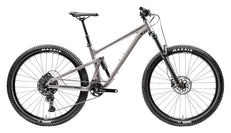
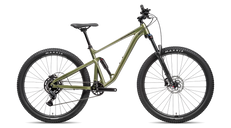
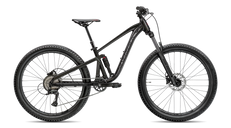
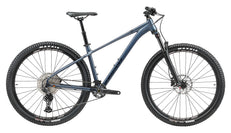
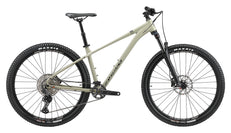
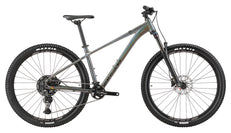
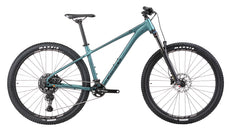
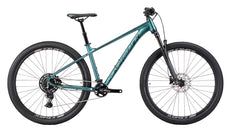
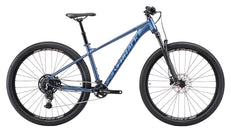
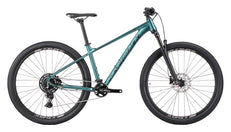
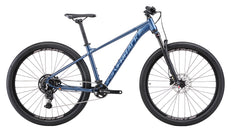
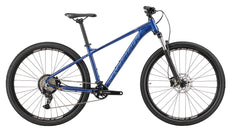
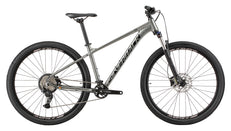
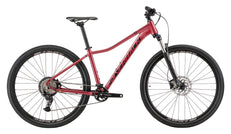
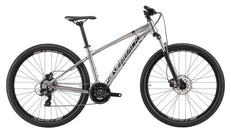
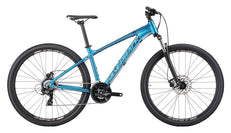
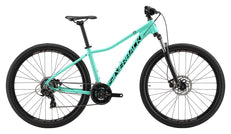
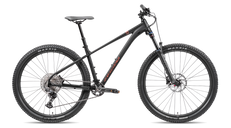
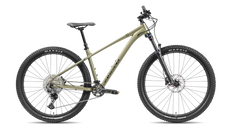
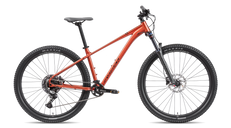
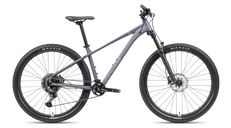
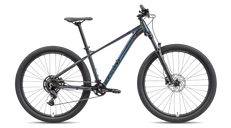
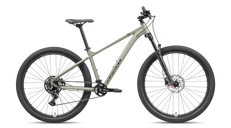
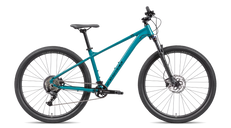
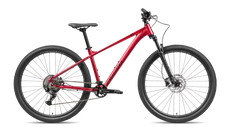
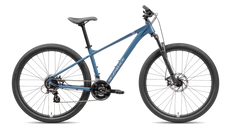
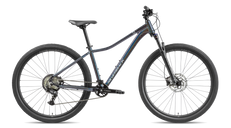
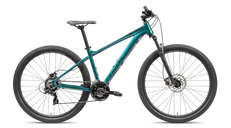
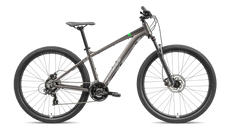
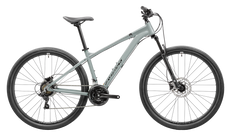
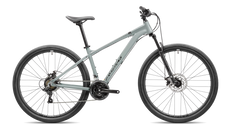
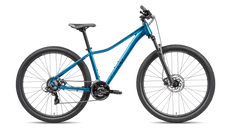
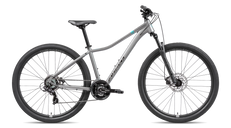
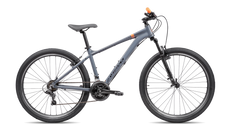
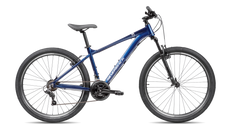
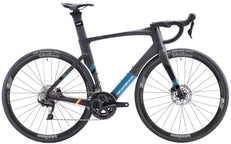
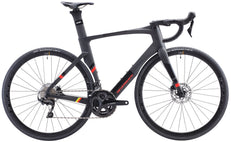
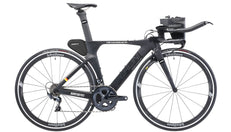
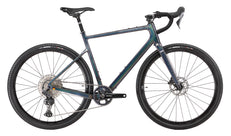
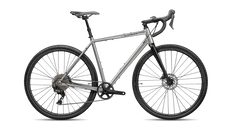
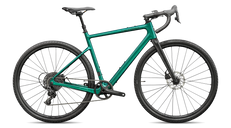
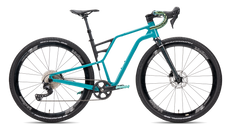
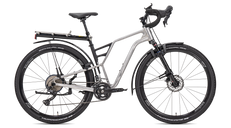
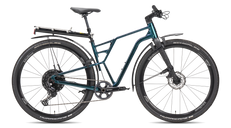
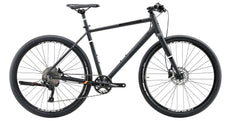
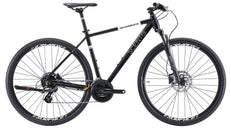
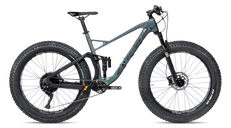
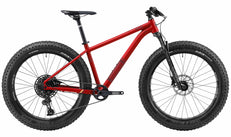
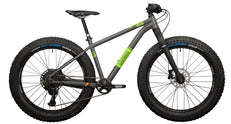
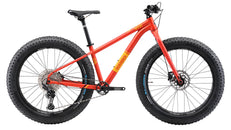
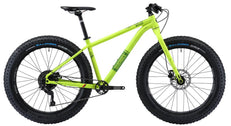
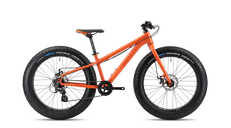
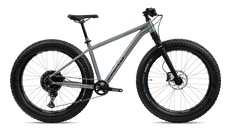
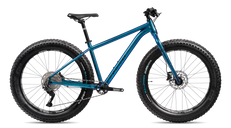
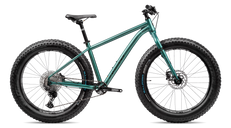
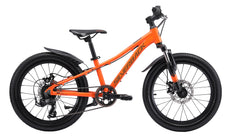
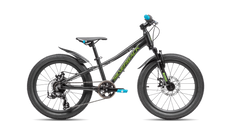
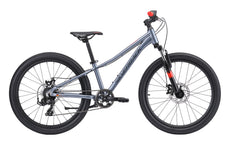
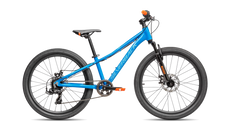
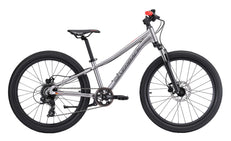
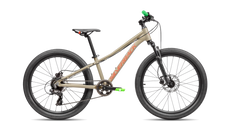
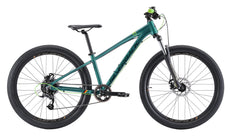
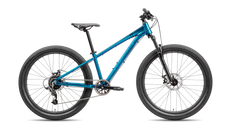
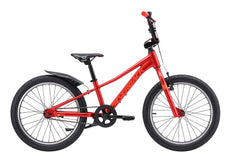
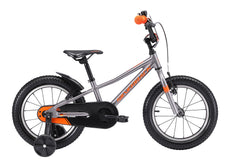
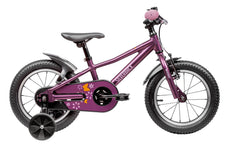
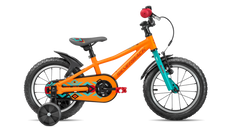
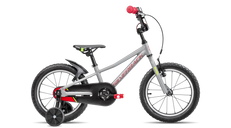
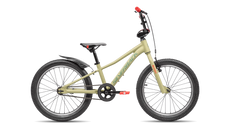




A kids’ bike should have brakes the child can operate, a suitable riding position, secure grips and controls, sound wheels and tyres, and equipment appropriate to its intended use. Correct assembly and maintenance matter just as much as the component list. No accessory can compensate for a bike that is too large, damaged or difficult for its rider to control.
Use this checklist to compare bicycles and ask better questions at a retailer. It is a practical buying guide, not a guarantee against falls or a road-equipment compliance checklist.
Start with fit before counting features
A child who is stretched toward the handlebar may struggle to steer and brake comfortably. Check current height and inseam against the exact model’s guidance, then assess mounting, dismounting and a short supervised test ride. Our child inseam measuring guide explains how to record a useful baseline.
Growing room should mean suitable adjustment within the bicycle’s limits, not waiting for the child to grow into an unmanageable frame. Read our guide to buying a bigger bike before choosing the next size up.
Brakes the rider can reach and understand
Accessible controls
Ask your child to demonstrate the fitted braking controls from the intended riding position. With hand brakes, look for comfortable finger reach and a secure hold on the handlebar. With a coaster brake, check understanding of the backward pedal action. Some bicycles combine systems.
Reliable operation and correct adjustment
The brake type alone does not establish suitability. Adjustment, wear and the child’s coordination all affect the experience. Have a qualified retailer check the system and demonstrate its use. Our hand brakes versus coaster brake comparison explains the practical trade-offs without ranking one system best for every child.
Secure grips, bar ends and contact points
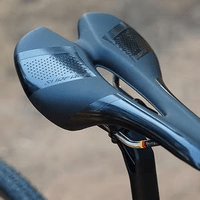
Look for grips that are secure and in good condition, with intact handlebar-end protection appropriate to the bicycle. Loose grips or damaged exposed ends need attention before riding. Check that the saddle, pedals and controls are correctly secured according to the instructions.
Comfort also matters: awkward controls or an unsuitable saddle position can distract a learner. Do not adjust components beyond their stated limits to compensate for the wrong frame size.
Sound tyres, wheels and steering
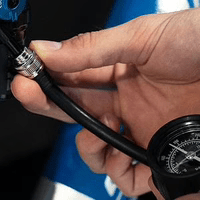
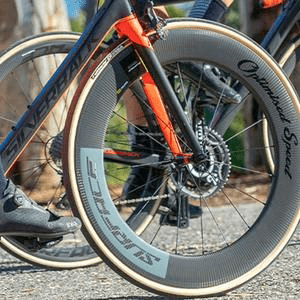
Choose tyres suitable for the intended surface, and inspect their condition before use. Follow the bicycle and tyre instructions for pressure rather than assuming one pressure suits every rider and tyre. Worn tread, damaged sidewalls or a loose wheel need assessment.
The steering should work smoothly, without unexpected looseness or binding. Wheel attachment systems vary, so ask a qualified retailer to show you the correct checks for that particular bicycle. Do not guess at fastener settings or use another model’s instructions.
Guards and protection against snags
Inspect the original guards and protective parts where fitted. Check for loose clothing, unsecured shoelaces and accessories that could contact moving parts. Keep original equipment in place unless the manufacturer or a qualified professional advises otherwise.
A guard is not a reason to ignore clothing or maintenance. Equally, a mountain-bike-style bicycle should not be assumed unsuitable simply because its equipment differs from a small learner bike. Assess the intended rider, design and use together.
Visibility equipment suited to the ride
Reflectors, lights and an audible warning device can be relevant to where and when the bike will be used. Check the current model’s included equipment rather than assuming it arrives ready for every setting. Ask the retailer what additional equipment is needed for your intended route, and check applicable local requirements before road use.
Never rely on visibility accessories to make a traffic setting appropriate for a child who is not ready for it. Equipment choice and route choice are separate decisions.
A quick buying-check comparison
| Area | Useful check | Reason to pause |
|---|---|---|
| Fit | Comfortable reach and manageable frame | Stretching or awkward mounting |
| Braking | Child demonstrates controlled operation | Cannot reach or understand controls |
| Contact points | Secure grips, pedals and saddle | Loose or damaged parts |
| Rolling and steering | Sound tyres, secure wheels, smooth steering | Damage, looseness or binding |
| Ride equipment | Suitable setup for the planned use | Assuming every accessory is included |
Compare the complete bike, not a single specification
For smaller riders, compare the Skid 14 (New Gen) and Skid 16 (New Gen) against current sizing and equipment information. For larger children, investigate the Skid 20 (New Gen) or Spyke 20 (New Gen). These are comparison options, not claims that all models share the same components.
Compare a relevant model: review the Spyke 24D (New Gen) if its sizing and intended use suit your child. Confirm current specifications and included accessories before choosing.
Before the first ride: arrange a qualified assembly and fit check, and ask to be shown the routine inspections. Our kids’ bike safety guide adds practical pre-ride considerations.
Frequently asked questions
Are disc brakes automatically safer?
No component label replaces a fit and function check. The rider must be able to use the fitted brakes, and the system must be correctly maintained.
Does suspension make a kids’ bike safer?
Not automatically. It should suit the terrain, bicycle and rider. Extra complexity is not itself a safety benefit.
Is a helmet part of the bike specification?
A helmet is separate rider equipment. Choose a suitable cycling helmet, fit it correctly and follow its instructions. It does not replace bike checks or supervision.
Can a used bike be a sensible choice?
Potentially, but assess fit, wear, damage and maintenance needs before use. Have uncertain condition checked professionally rather than relying on appearance alone.
Build your shortlist around fit and control: explore the Silverback kids’ bike collection and compare complete bicycles with this checklist in hand.