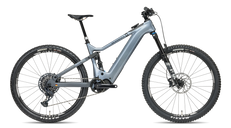
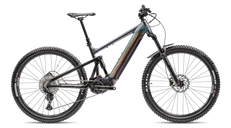
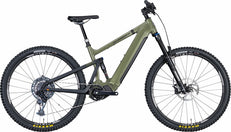
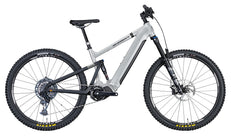
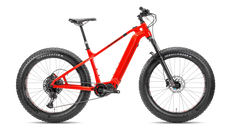
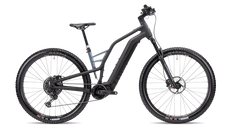
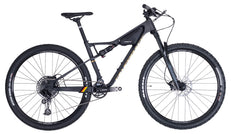
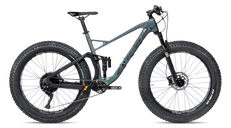
150/145mm Travel
 29" x 2.5" Wheels
 1x12 Speed SRAM AXS
 EP-801 Shimano Motor
 85Nm Torque
 720Wh Battery
 from 20.9kg
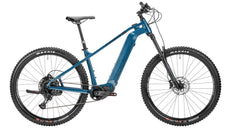
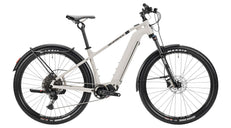
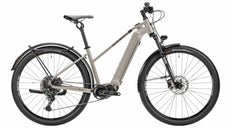
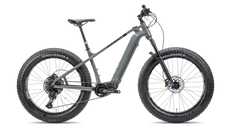


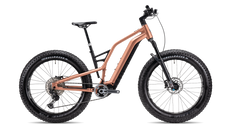
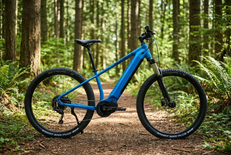
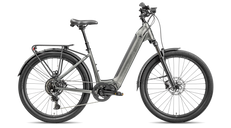
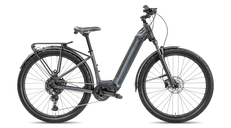
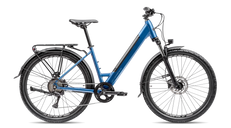
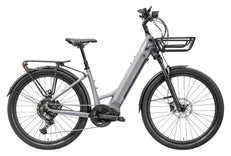
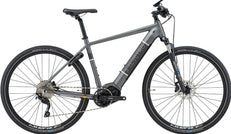
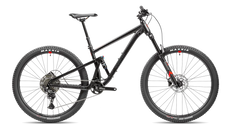
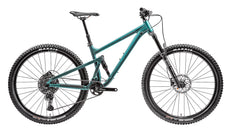
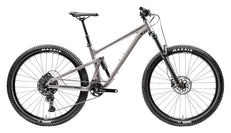
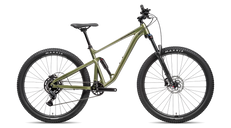
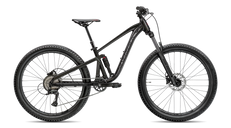
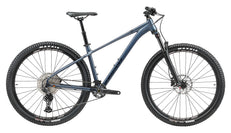
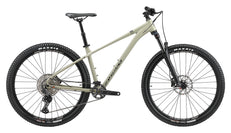
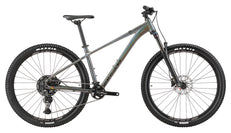
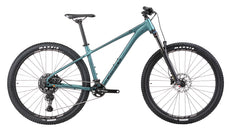
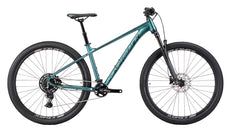
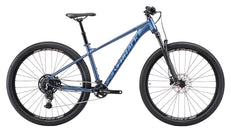
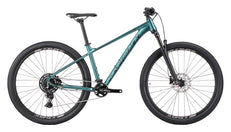
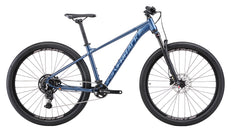
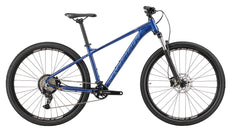
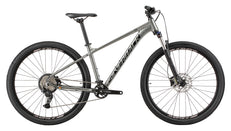
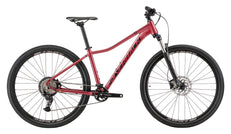
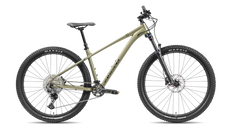
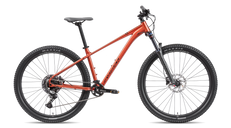
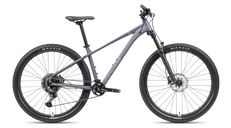
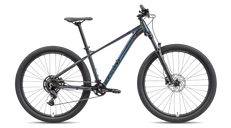
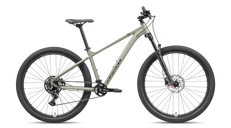
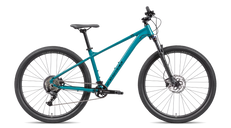
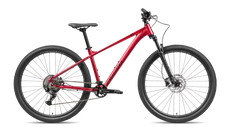
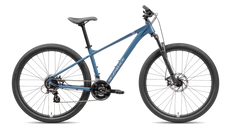
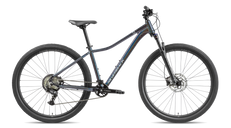
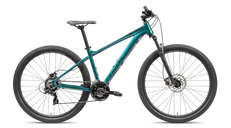
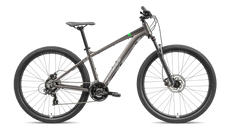
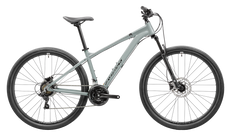
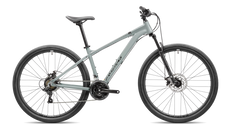
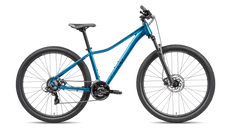
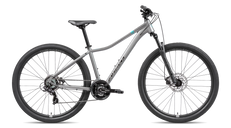
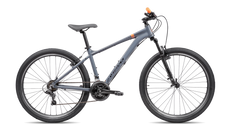
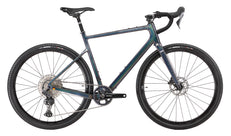
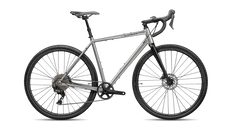
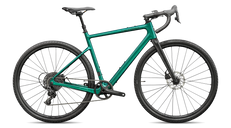
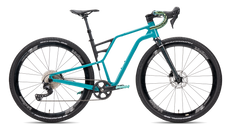
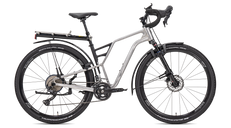
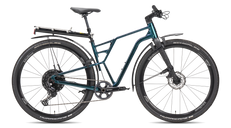
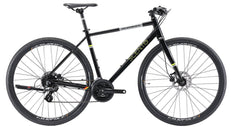
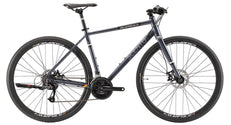
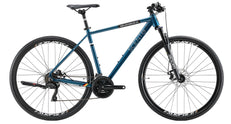
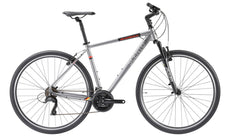
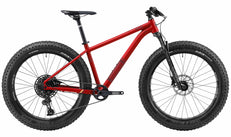
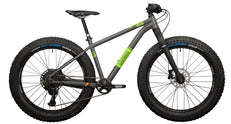
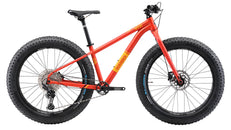
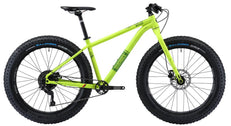
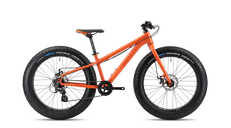
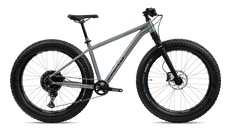
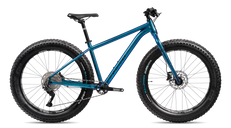
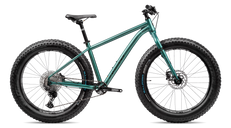


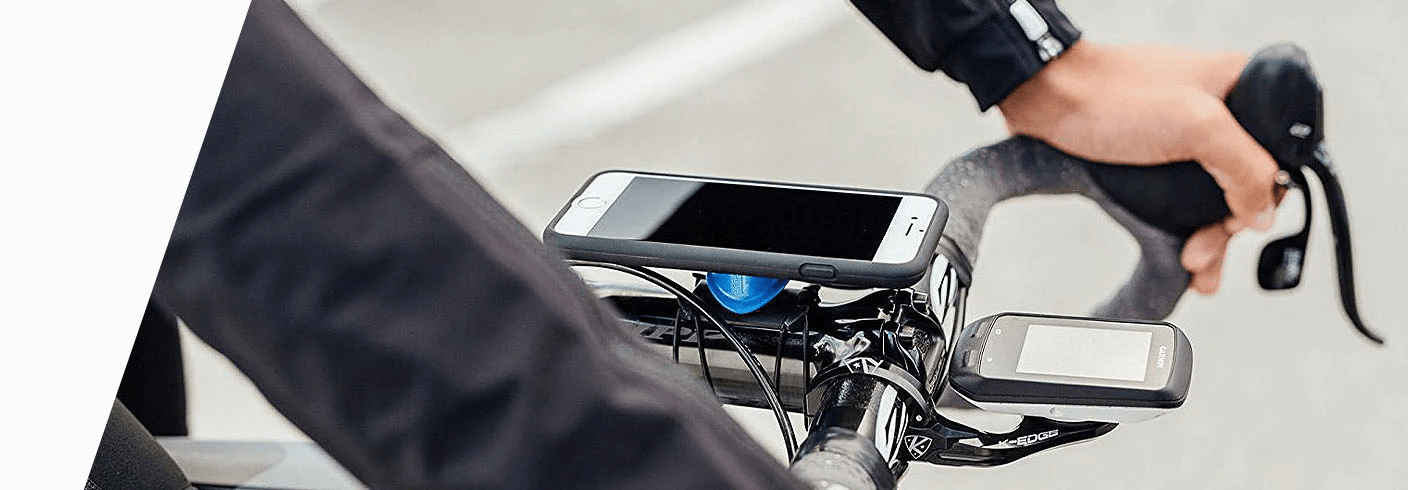
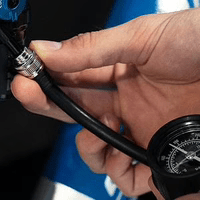
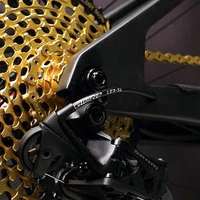
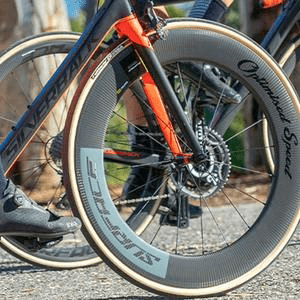


Gravel biking in the rain calls for lower speeds, earlier decisions and a sound bicycle, not a universal pressure setting. Start with tyre and wheel manufacturer guidance, check your brakes and leave extra room to stop. Wet leaves, roots, paint and loose ground can change grip abruptly, even on a route you know well.
Choose a shorter route with easy exits when visibility or weather is poor. Explore Silverback gravel bikes if you are choosing a bike for mixed conditions, but remember that no model removes the need to adapt your riding.
Check the bike before leaving
Tyres, wheels and controls
Inspect tyres for damage, embedded debris and worn tread. Investigate pressure loss rather than topping up repeatedly without finding the cause. Check wheel security and make sure steering and controls work normally. Gloves should still let you reach and operate the brake levers securely.
Brakes and drivetrain
Test braking in a controlled place before committing to the route. An unusually soft lever, reduced braking or a suspected leak needs attention before riding. Check pad wear against the brake manufacturer's limits. Replace worn parts with compatible components rather than assuming every disc-brake pad fits.
Keep the chain appropriately lubricated and wipe away excess lubricant. Avoid contaminating braking surfaces with oils or sprays. For a wider seasonal checklist, read our autumn and winter gravel preparation guide.
Choose pressure for your setup, not the forecast alone
Rain does not automatically mean you should let air out. Rider and luggage weight, mounted tyre width, rim dimensions, casing and tubed or tubeless construction all influence a useful starting pressure. Use guidance for the exact tyre-and-wheel combination and obey the more restrictive limits.
If adjustment is appropriate, change pressure gradually on familiar terrain and assess support as well as comfort. Excessively low pressure can cause tyre squirm, rim strikes or air loss. More pressure is not automatically better either. A setting copied from a lighter rider on wider tyres may be unsuitable for you.
Our gravel tyre-width guide explains why printed size, actual mounted width and clearance need to be considered together. Pressure is not a substitute for suitable tread or adequate space for mud.
Match your response to the surface
| Surface or situation | Practical response | Avoid |
|---|---|---|
| Firm wet gravel | Reduce speed and assess corners early | Assuming familiar grip is unchanged |
| Wet roots or leaves | Use smooth inputs and choose a clear line where possible | Abrupt steering or heavy braking on the slippery patch |
| Soft mud | Assess tread, clearance and whether the route remains rideable | Continuing with mud rubbing the frame or fork |
| Standing water | Choose another line or turn back when depth is uncertain | Riding blindly into hidden hazards |
| Possible ice | Reconsider the ride and choose a safer option | Treating ordinary gravel tyres as an ice solution |
Brake earlier and progressively
Reduce speed before corners and difficult surfaces rather than arriving fast and making a sudden correction. Use both brakes progressively according to conditions, keeping your inputs controlled. Avoid fixed front-to-rear braking percentages: available grip, gradient and the situation change what is appropriate.
Leave more space between riders and allow room for others to react. If you cannot confidently stop within the visible clear section of trail, slow down. On a difficult descent, dismount before you lose control rather than treating walking as a failure.
Find replacement bike brake pads using the exact brake model and compatibility guidance. Wet-weather noise alone is not a complete diagnosis; persistent poor braking should be checked by a qualified mechanic.
Choose lines with fewer surprises
Look ahead for changes in surface colour, accumulated leaves, ruts and water. Do not assume a puddle is shallow because the surrounding track looks smooth. Avoid sharp changes in direction when traction is uncertain. Where a hazard cannot be assessed safely, stop, choose another line or turn back.
Stay within your skill level and consider a skills session if wet handling consistently feels unpredictable. No written tip replaces practice in a controlled environment or changes the limits of available grip.
Buy equipment for the conditions you actually ride
Prioritise appropriate lights, weather protection, repair supplies and gloves that maintain control. Mudguards can reduce spray where they fit with sufficient clearance. Browse gravel bike accessories with a checklist rather than assuming more equipment makes a route safe.
When choosing a bicycle, check the SE:SERIES GR AL 11's current build for a gravel option whose description lists hydraulic disc brakes and a rigid aluminium fork. Confirm the exact specifications, fit and tyre compatibility before ordering.
The SilverRider Gravel Pro highlights tubeless wheels and a lower riding position; the SilverRider Gravel Sport highlights a suspension fork and drop-bar hand positions. Those features do not guarantee wet grip. Our 2026 gravel buying guide puts equipment choices into a broader fit-and-route decision.
Clean and inspect after a wet ride
Remove mud gently, following bicycle and component care instructions. Avoid directing high-pressure water at bearings, seals or electrical parts. Dry the bike, inspect for damage and attend to the drivetrain as needed. Keep lubricant away from rotors and pads, and address salt contamination promptly after road sections.
Frequently asked questions
Should I lower pressure every time it rains?
No. Start with the guidance for your equipment and load. Any adjustment must remain within the relevant limits and preserve tyre support.
Do tubeless tyres prevent slipping?
No. Tubeless construction does not create guaranteed traction on wet roots, leaves or ice. Tread, surface conditions, pressure and riding inputs still matter.
Is it better to use only the rear brake?
Do not adopt that as a universal wet-weather rule. Learn controlled use of both brakes and adapt to available grip and terrain.
Is the banner bike a current stock offer?
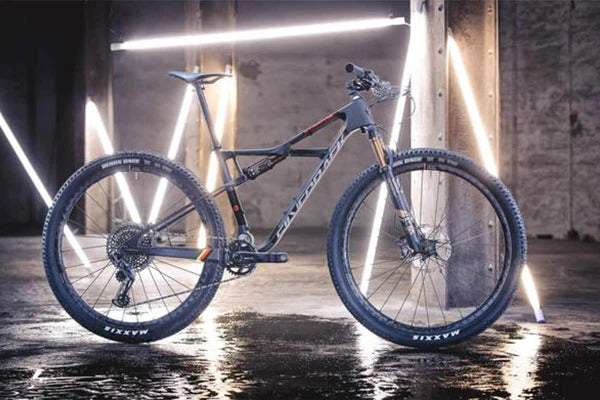
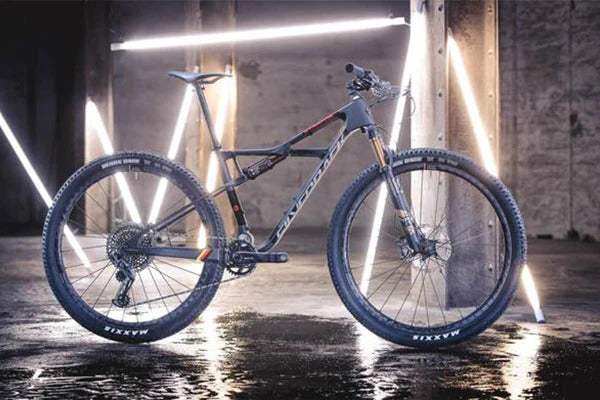
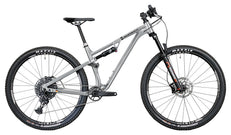
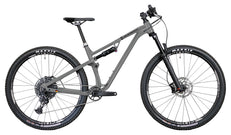
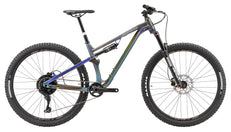
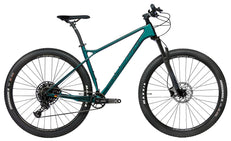
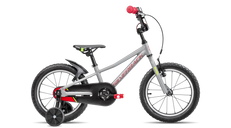
The banner uses a genuine Siablo AL GRX model photograph as an illustration, not a statement of current availability. Refer to current listings when shopping.
Know when to change the plan
Turn back when visibility, flooding, ice, mechanical issues or your comfort level make the route unsuitable. Check the bike, plan conservatively and leave room for mistakes. Compare Silverback gravel bikes for your usual routes if you are building a more suitable mixed-surface setup.