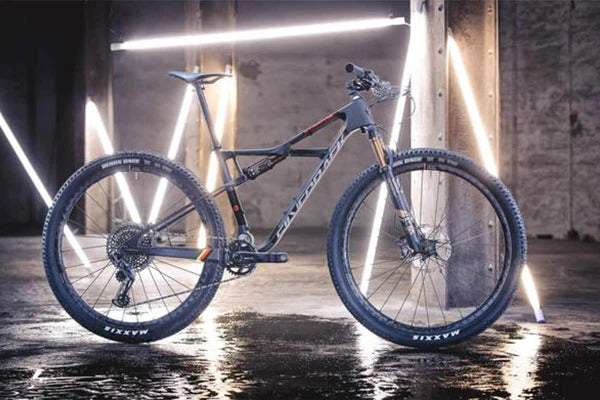
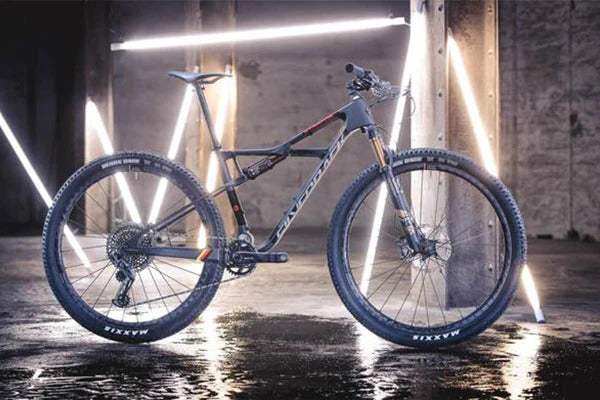
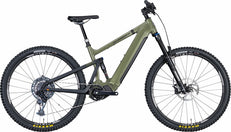
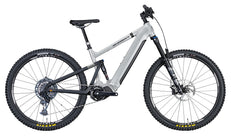
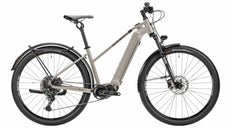
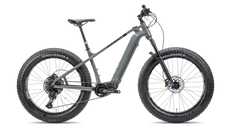
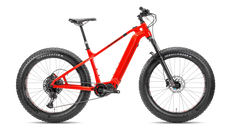
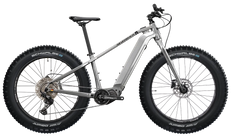
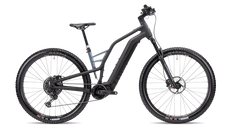
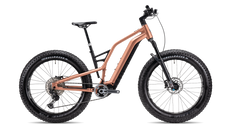
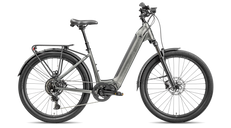
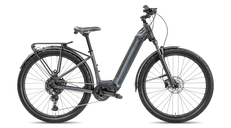
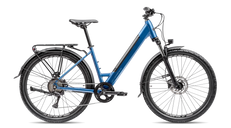
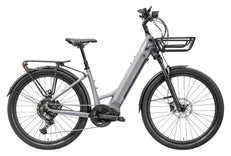
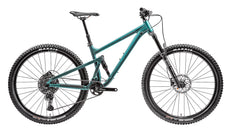
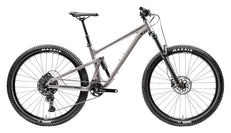
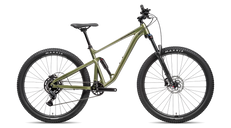
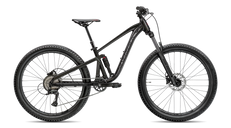
150/145mm Travel
 29" x 2.5" Wheels
 1x12 Speed SRAM AXS
 EP-801 Shimano Motor
 85Nm Torque
 720Wh Battery
 from 20.9kg


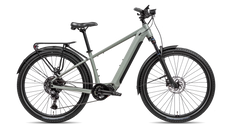
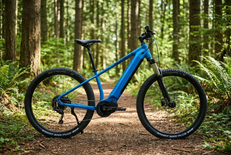
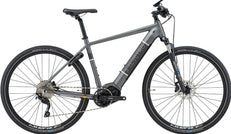
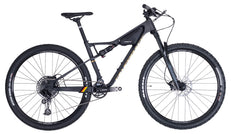
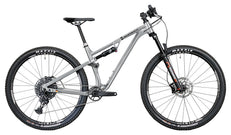
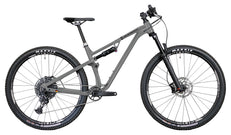
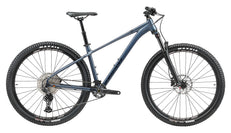
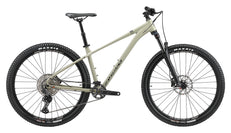
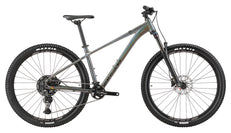
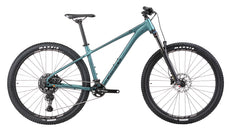
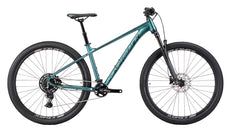
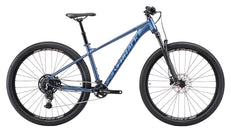
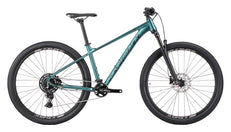
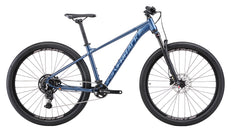
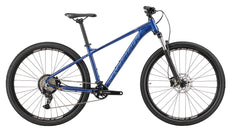
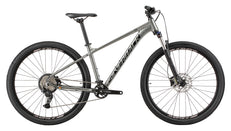
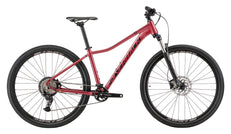
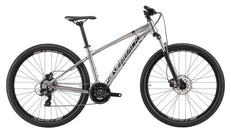
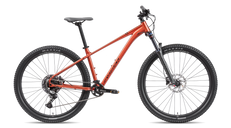
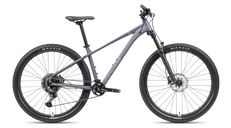
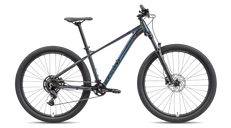
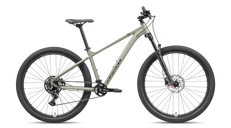
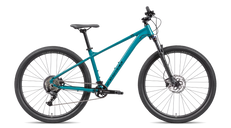
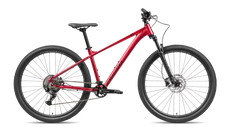
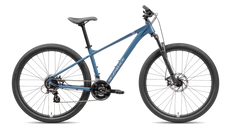
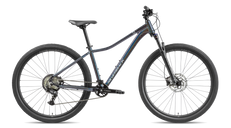
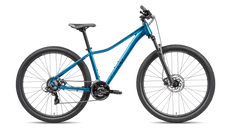
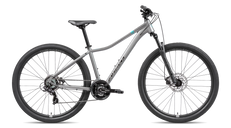
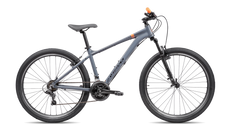
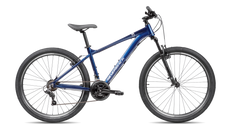
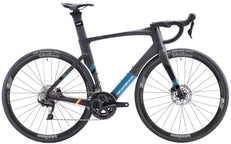
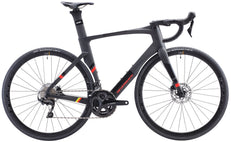
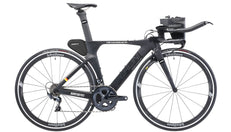
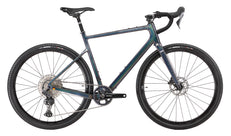
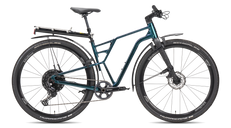
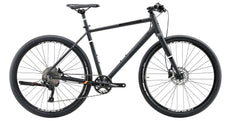
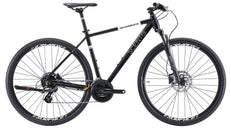
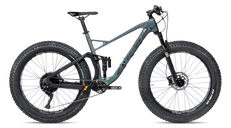
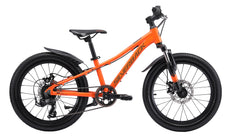
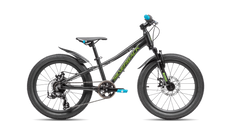
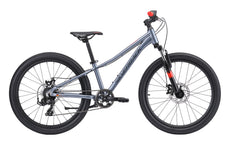
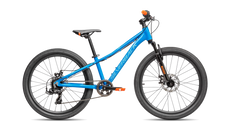
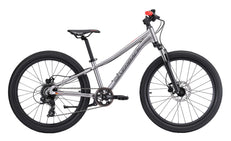
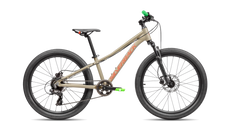
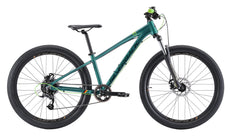
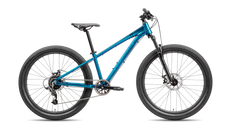




Gravel biking in autumn and winter starts with preparation, not expensive upgrades. Wet leaves, soft ground and shorter days change how a familiar route feels. Check your tyres, brakes and drivetrain first, then choose clothing and equipment that let you stay comfortable and return safely. No tyre or component turns ice into a predictable riding surface.
This guide explains what to inspect, what to buy only if you need it, and how to adapt your routine after a muddy ride. If you are choosing a bike as well as preparing one, explore the Silverback gravel range and start with your usual terrain rather than a component wish list.
Start with a mechanical check
Tyres, wheels and contact points
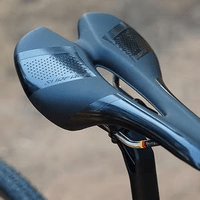
Inspect both tyres for cuts, embedded debris and worn tread. Check that wheels are secure and rotate freely. Look for loose spokes or damage, and investigate unexplained pressure loss before leaving. Confirm that your saddle, handlebars and grips or bar tape are secure. Slippery contact points become more noticeable when gloves are wet.
Damaged or lifting tape deserves attention before a long outing. Our handlebar-tape wrapping guide explains the job. Use component manufacturers’ torque specifications rather than tightening bolts by feel.
Brakes and drivetrain
Check pad wear against the brake manufacturer’s limits and make sure the lever feels consistent. Scraping, weak braking or a lever that travels unusually far needs investigation. Choose replacement bike brake pads by brake compatibility, not appearance alone. Keep lubricants and cleaning sprays away from rotors and pads.
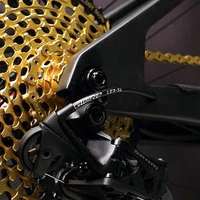
Shift through the gears on a short test ride. Clean and lubricate the chain with a product appropriate for the conditions, then wipe off excess lubricant. A thick exterior coating attracts grit rather than protecting the moving surfaces that matter.
Choose tyres for the surface, not the season label
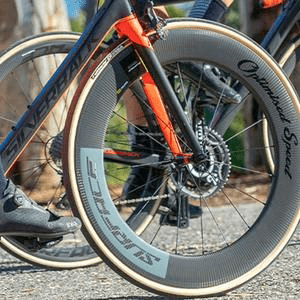
A fast summer tyre can work on firm winter tracks, but shallow tread may struggle in soft mud. Wider tyres can offer useful air volume; tread pattern and casing also matter. Before changing size, check the frame, fork and wheel manufacturers’ limits and allow adequate clearance for accumulated mud.
| Typical surface | What to prioritise | Important caution |
|---|---|---|
| Firm wet gravel | Predictable tread and sound casing | Wet corners still need reduced speed |
| Soft mud | More open tread and mud clearance | Do not fit a tyre that leaves inadequate clearance |
| Road-heavy mixed routes | Rolling efficiency balanced with wet-surface control | Paint and metal covers can be slippery |
| Ice or freezing conditions | A safer route or postponing the ride | Ordinary gravel tyres are not an ice solution |
Set pressure conservatively
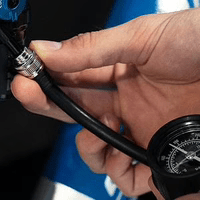
There is no universal winter pressure. Rider and luggage weight, actual tyre width, rim dimensions and tubed or tubeless setup all change the starting point. Follow the tyre and wheel makers’ limits and recommendations, using the more restrictive limit where necessary. Adjust in small steps on a familiar route. Excessively low pressure risks rim strikes, instability or air loss; higher pressure is not automatically safer either.
Buy equipment that solves a real problem
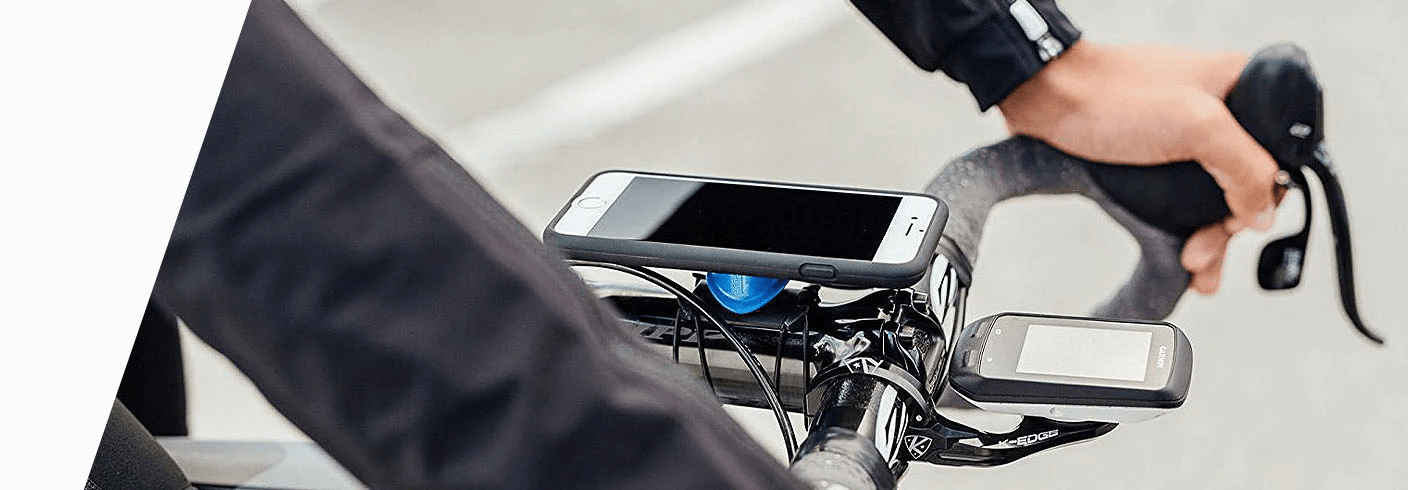
Lights, a suitable repair kit, weather protection and a working phone are useful priorities. Pack a pump, compatible puncture supplies and the tools you know how to use. Tubeless riders should still plan for a puncture that sealant cannot fix. Check battery charge before leaving, and carry enough food and drink for delays.
Browse gravel bike accessories with a specific checklist. Mudguards can reduce spray, but confirm mounting compatibility and tyre clearance first. A bag should stay clear of tyres, brake hoses and moving parts when loaded.
Match your bike to your winter riding
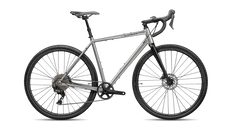
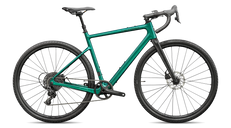
The SilverRider Gravel Pro product description specifies wide tyres, tubeless wheels and a lower, more aggressive cockpit. That makes riding-position preference an important buying consideration, not a reason to assume it suits everyone.
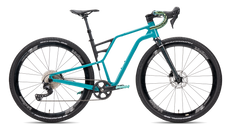
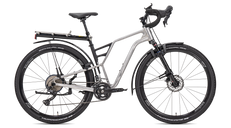
The SilverRider Gravel Sport description highlights drop-bar hand positions and a suspension fork for rough-road comfort. The SilverRider Gravel Path takes a different approach with a flat bar, upright position and rear rack. Check the selected build’s current specifications and fit before ordering.
For a contextual comparison, compare SilverRider Pro, Sport and Path before deciding which riding position matches your routes.
Ride smoothly and clean up afterwards
Reduce speed before corners, brake progressively and leave extra stopping distance. Avoid abrupt steering or braking on wet leaves, roots and painted surfaces. If traction is uncertain, slow down early or dismount. Choose a shorter route with easy exits when daylight or weather is marginal.
Afterwards, rinse away mud gently and follow the bicycle and component care instructions. Avoid directing high-pressure water at bearings, seals or electrical parts. Dry the bike, check for damage and relubricate the chain as needed. Road salt deserves prompt attention. Store the bike somewhere ventilated rather than leaving damp equipment packed against it.
Frequently asked questions
Should I lower tyre pressure in the rain?
Not automatically. Start with manufacturer guidance and your existing setup, then make small, controlled adjustments within permitted limits. Pressure cannot compensate for unsuitable tread or unsafe speed.
Do I need a new bike for winter gravel?
Usually the first step is maintaining your existing bike and checking its suitability. Replace worn parts and address fit or compatibility problems before considering an upgrade.
Can I leave mud on the bike overnight?
Cleaning promptly makes inspection easier and reduces prolonged exposure to wet dirt or salt. At minimum, remove heavy contamination and give the drivetrain appropriate attention.
What should a beginner prioritise?
Predictable fit, serviceable brakes, suitable tyres and a manageable route come before marginal weight savings. Read our beginner’s gravel bike buying guide for more selection advice.
Prepare for your next ride
Before heading out, check tyre condition and pressure, wheel security, braking, lights and repair supplies. Choose the route for the conditions you actually have. View the SilverRider Gravel Pro’s current build and sizing options if a performance-focused gravel bike matches your plans.