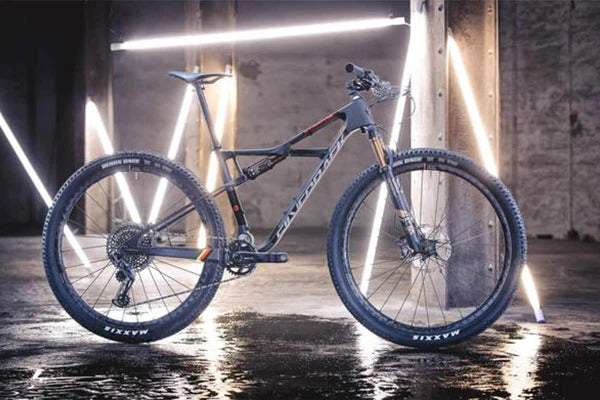
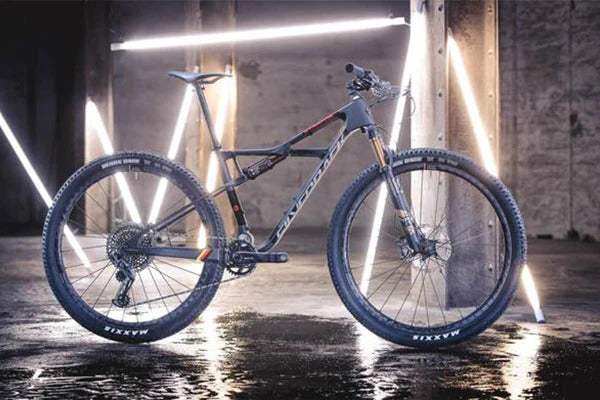
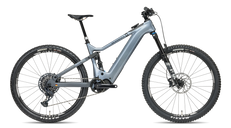
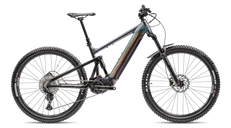
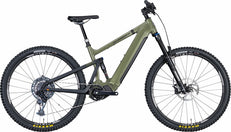
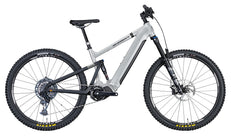
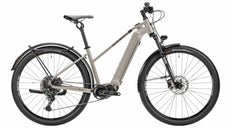
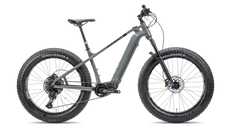
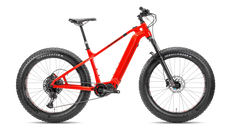
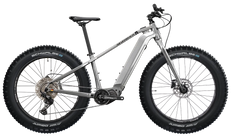
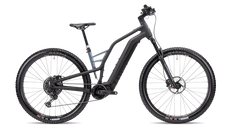
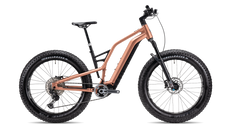
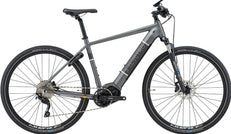
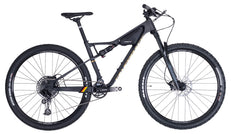
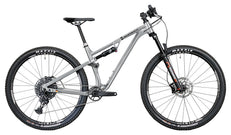
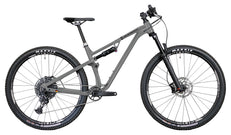
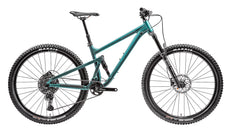
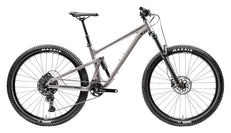
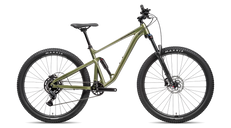
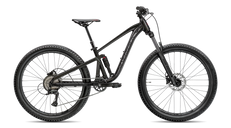
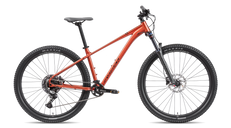
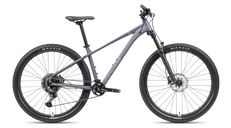
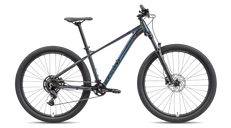
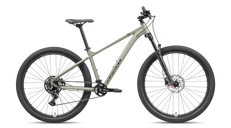
150/145mm Travel
 29" x 2.5" Wheels
 1x12 Speed SRAM AXS
 EP-801 Shimano Motor
 85Nm Torque
 720Wh Battery
 from 20.9kg


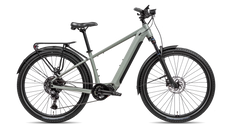
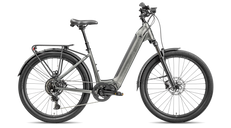
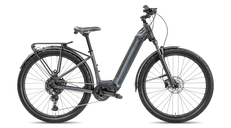
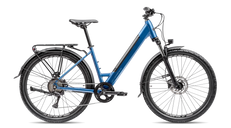
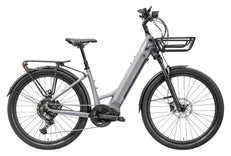
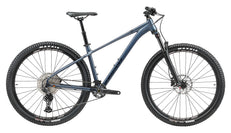
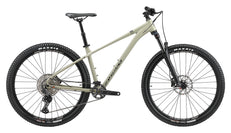
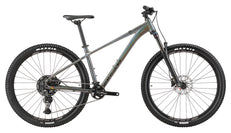
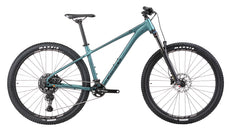
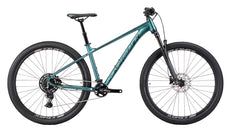
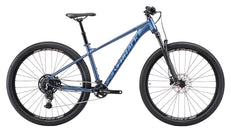
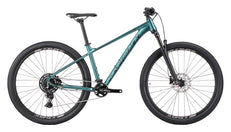
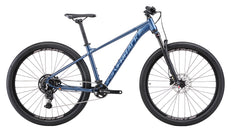
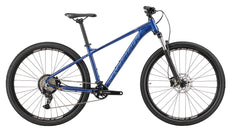
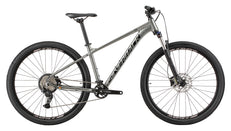
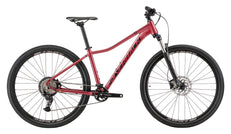
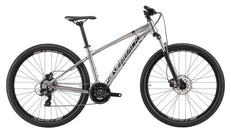
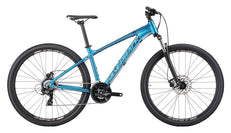
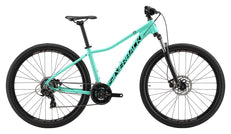
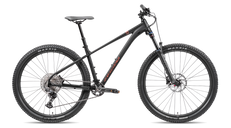
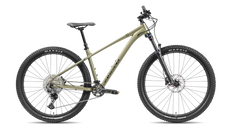
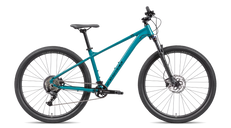
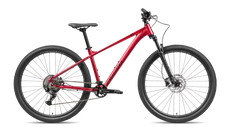
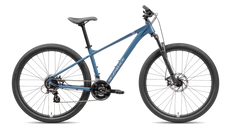
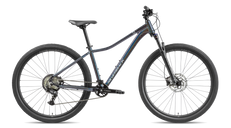
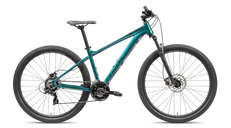
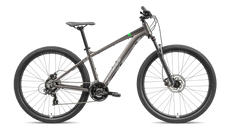
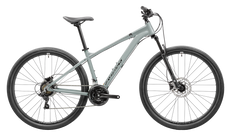
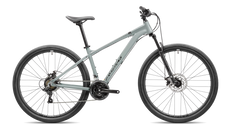
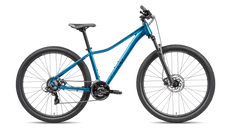
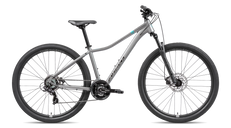
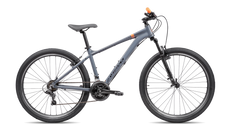
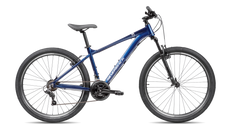
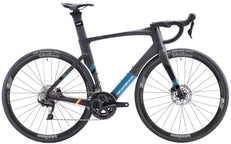
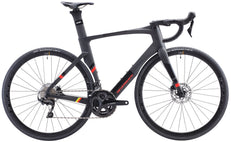
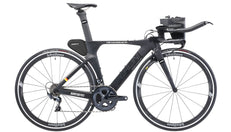
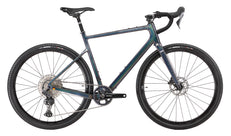
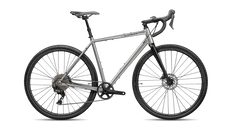
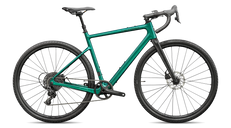
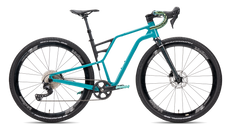
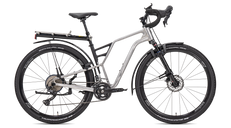
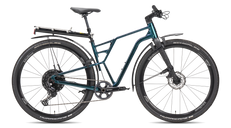
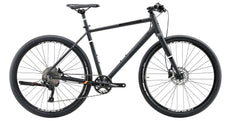
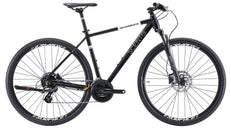
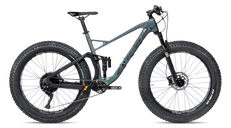
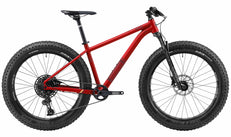
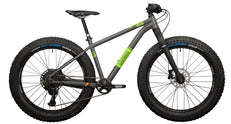
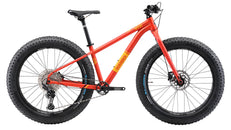
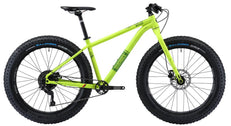
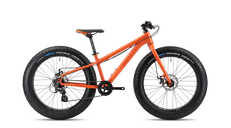
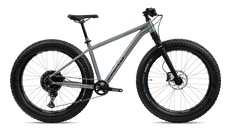
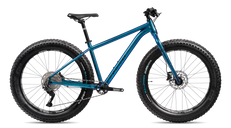
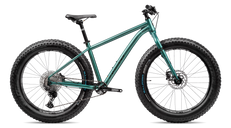
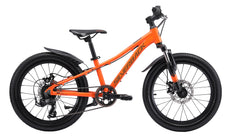
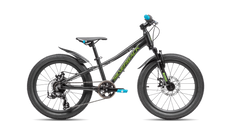
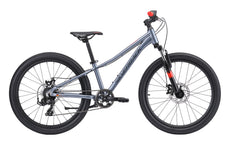
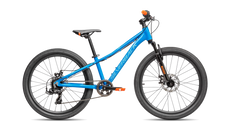
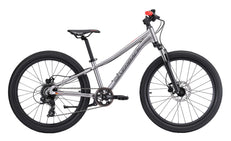
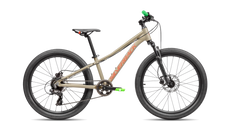
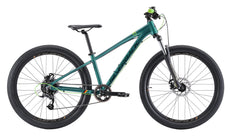
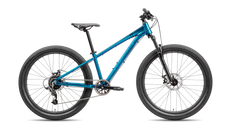





Choose a road bike if your riding centres on paved routes and the particular bike's fit and equipment suit your goals. Choose a gravel bike if unpaved links, rough tracks or practical carrying options are important parts of your normal rides. The category name alone is not enough: a relaxed road bike and a race-focused gravel bike can feel very different from the stereotypes.
Write down where you rode over the past month and where you realistically want to ride next. Explore Silverback gravel bikes if mixed surfaces are a genuine priority, rather than buying extra capability that you are unlikely to use.
Start with surfaces, not marketing labels
Mostly paved routes
If your rides follow smooth roads, compare road-oriented tyre options, your preferred riding position and suitable gearing. A road bike may be a strong match for that purpose, but avoid assuming every road model has an extreme race posture. Check the actual geometry and size guidance.
Roads plus tracks and backroads
For regular unpaved sections, tyre clearance and a setup suited to uneven ground deserve more attention. Gravel bikes often provide relevant options, but the intended use and permitted equipment remain model-specific. A gravel label does not mean a bicycle is suitable for every mountain-bike trail.
Compare the practical differences
| Decision | Road-focused choice | Gravel-focused choice |
|---|---|---|
| Usual surface | Paved routes are the main purpose | Mixed surfaces or unpaved routes are central |
| Tyres | Match the road conditions and approved clearance | Assess tread, volume and clearance for rougher ground |
| Riding position | Varies by model, including race and endurance approaches | Also varies, including aggressive and upright approaches |
| Gearing | Check ratios for paved climbs and cruising | Check ratios for loose climbs and any luggage |
| Carrying equipment | Confirm exact mounting provisions | Confirm exact mounting provisions here too |
These are decision priorities, not promises that every bicycle in one category shares the same specification. Compare actual models before deciding.
Do not assume gravel means upright
The SilverRider Gravel Pro description highlights a lower, more aggressive cockpit. Check its current specifications and sizing if performance-focused gravel riding matches your plans, but do not buy that position simply because it looks fast.
The SilverRider Gravel Sport highlights drop-bar hand positions and a suspension fork for rough-road comfort. The SilverRider Gravel Path uses an upright flat bar and adds practical carrying features. Those differences show why the particular bike matters more than a simple road-versus-gravel label.
Fit is more than handlebar shape
Compare reach, stack, size guidance and adjustment range with a bicycle you already find comfortable. Drop bars offer several hand positions, but they do not guarantee comfort. A flat bar is not automatically the right answer either. Lever reach, saddle position and time spent in one posture all affect your experience.
Choose tyres for the routes you actually ride
A gravel bike can be ridden on roads, but its tyre tread and construction affect how it feels there. Conversely, fitting a larger tyre to a road bike requires explicit clearance and wheel compatibility. Do not assume that a tyre change turns every road bicycle into a gravel bicycle.
The carbon-frame SE:SERIES GR CF 11 description states clearance up to 700×50c, while the SIABLO CF GRX New Gen description states up to 700×42c. Even within gravel, the limits differ. Check the exact approved tyre-and-wheel setup, measured width and required clearance.
Read our gravel tyre-width guide before making a change. A wider or more heavily treaded tyre is not automatically better for every surface.
Compare gearing by ratios, not gear count
Assess the easiest ratio for your hardest likely climb and the highest useful ratio for normal riding. A loaded gravel trip and a steady road ride may put different demands on the drivetrain. Do not assume a 1x system always belongs on gravel or that a 2x system is always the better road choice.
Our 1x-versus-2x gravel gearing guide explains cadence gaps, range and compatibility. Choose the complete combination for your routes rather than adding up advertised gears.
Think about everyday use and total cost
If the bicycle will also commute, check luggage arrangements, mudguard clearance and secure parking needs. Neither category guarantees approved rack mounts or unlimited load capacity. Confirm the frame, fork and component limits before fitting carrying equipment.
Budget for appropriate safety equipment, repair supplies and servicing alongside the bicycle. A second wheelset may suit some riders, but it adds cost and compatibility considerations; it is not a necessary first purchase. Our 2026 gravel buying guide helps organise those wider priorities.
Frequently asked questions
Is a gravel bike slower than a road bike?
There is no useful universal speed difference. Tyres, riding position, terrain, conditions and rider effort all matter. Compare relevant complete setups instead of expecting a fixed penalty.
Can one bike cover both purposes?
Often a suitable bicycle can cover the mix of surfaces you actually ride, within its intended use. Be honest about which routes matter most and where you are willing to compromise.
Should a beginner buy a gravel bike?
Only if its fit, intended use and equipment match the beginner's needs. Extra clearance does not compensate for poor sizing or unsuitable gearing.
Is the road bike in the banner currently for sale?
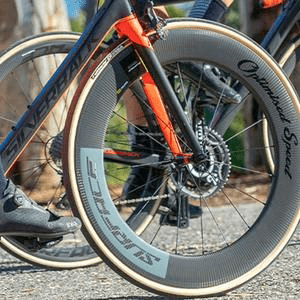
The banner uses a genuine Silverback Scalera 1.0 model photograph as a road-bike illustration, not a claim about current stock or specifications.
Choose for your riding style
List your normal surfaces, preferred position, climbing needs and carrying plans. Shortlist bicycles that meet those needs, then compare exact builds and sizing. Compare Silverback gravel bikes if mixed-surface riding is the direction you want to take.