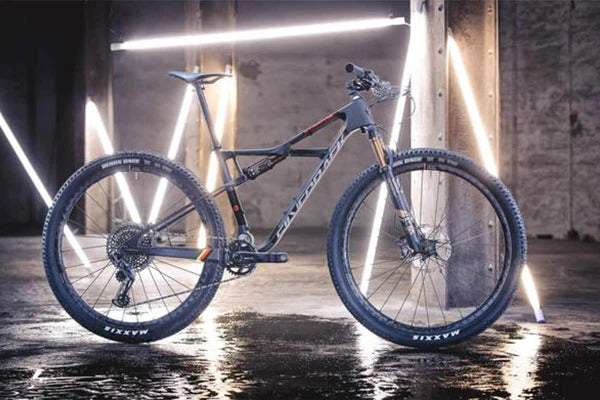
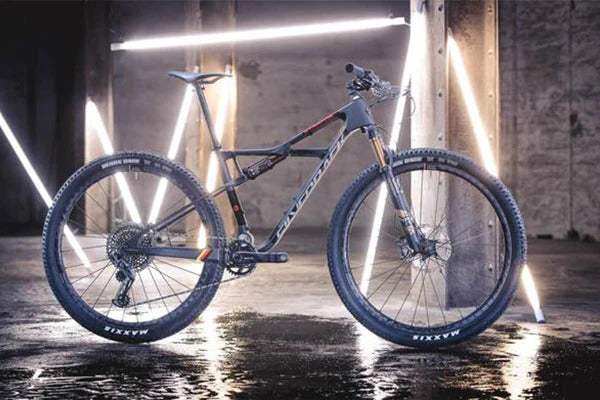
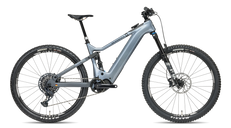
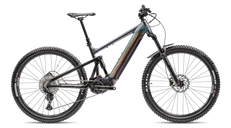
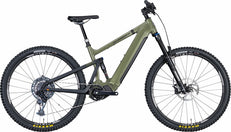
150/145mm Travel
 29" x 2.5" Wheels
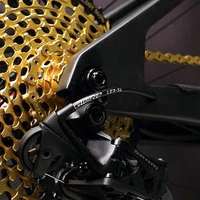
 1x12 Speed SRAM AXS
 EP-801 Shimano Motor
 85Nm Torque
 720Wh Battery
 from 20.9kg
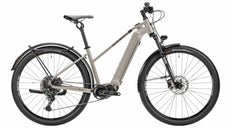
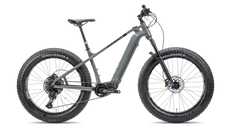
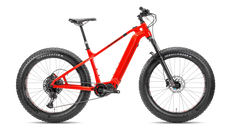

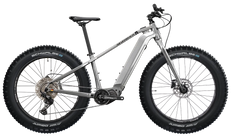

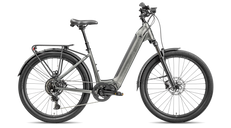
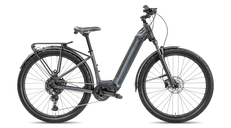
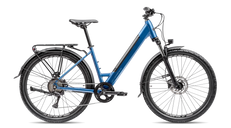
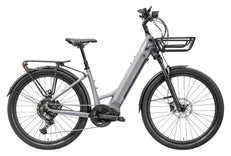
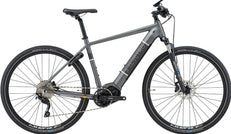
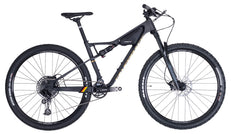
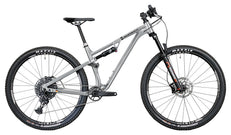
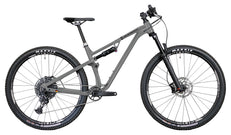
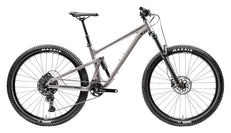
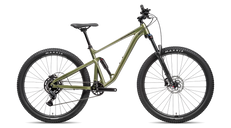
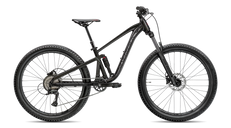
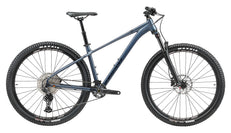
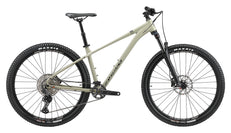
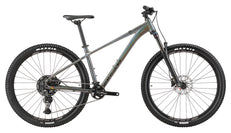
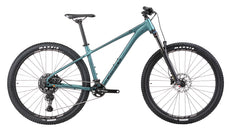
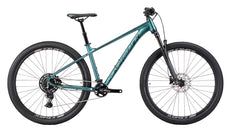
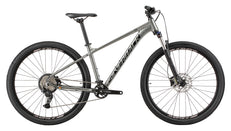
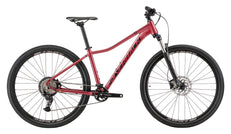
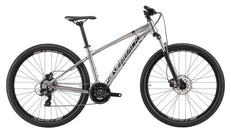
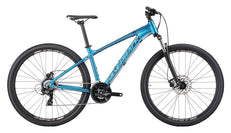
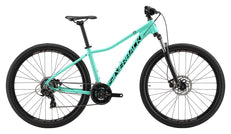
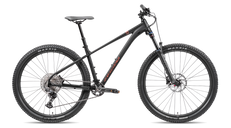
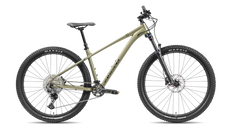
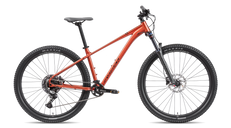
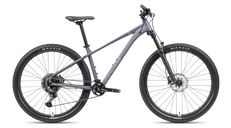
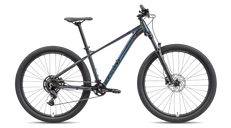
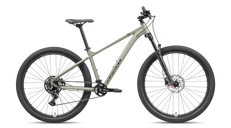
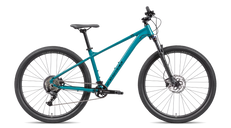
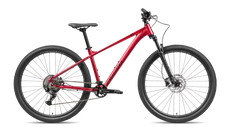
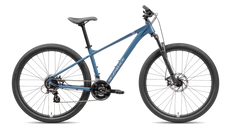
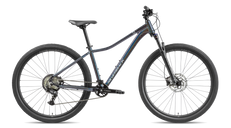
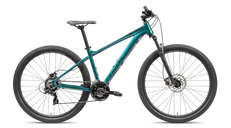
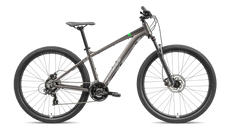
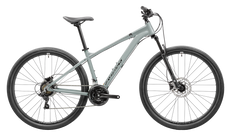
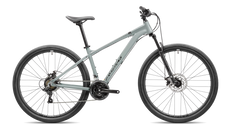
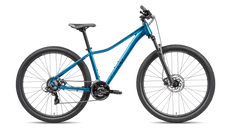
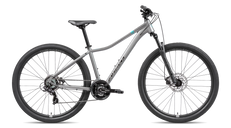
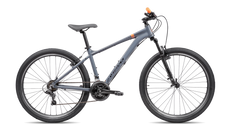
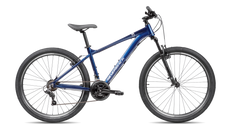
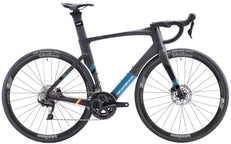
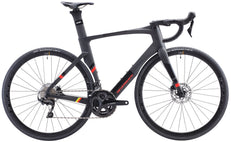
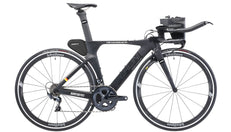
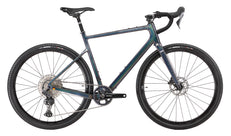
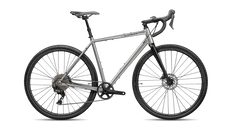
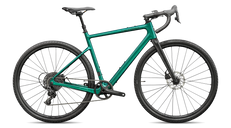
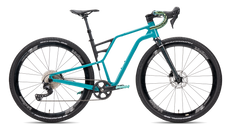
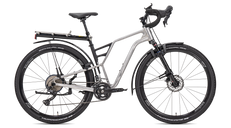
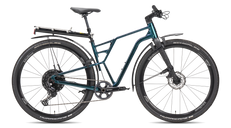
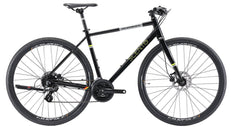
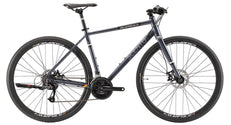
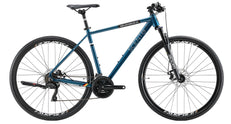
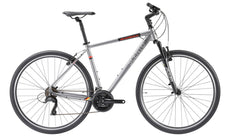
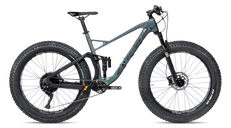
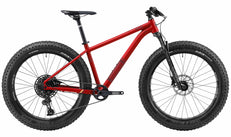
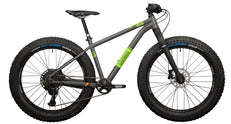
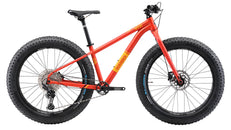
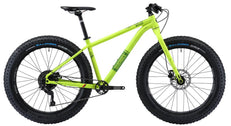
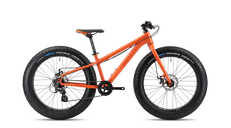
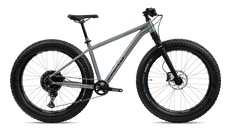
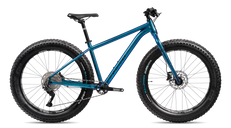
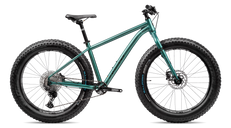
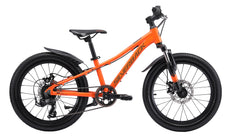
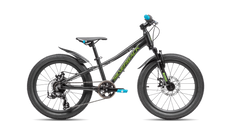
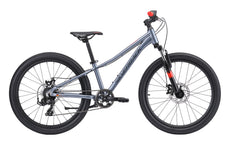
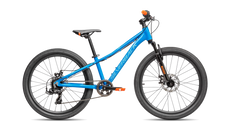
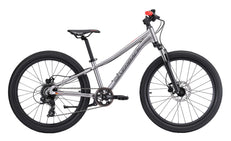
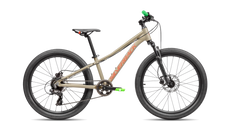
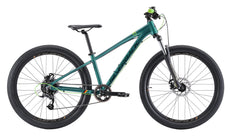
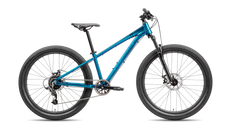
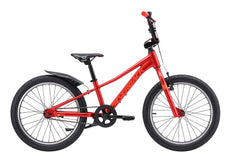
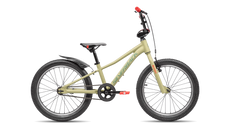
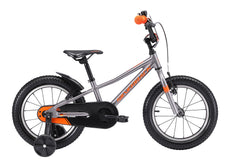


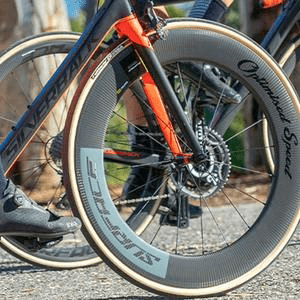


A fat bike buying guide should begin with terrain, not appearance. High-volume tyres can help spread a rider’s load across soft surfaces and offer a different kind of low-speed exploration. They do not make every route easy or turn ice into a grippy surface. For the right rider, the attraction is access and enjoyment rather than outright speed on smooth roads.
Explore Silverback fat bikes and build a shortlist around your own riding needs.
Why tyre volume changes the ride
Fat tyres provide a large volume of air and can be used at pressures appropriate to the rider, tyre and rim combination. That can improve flotation on some soft surfaces and add cushioning. The result depends on snow consistency, sand depth and load. Deep powder or loose climbs can still require walking, even on a purpose-built fat bike.
Snow, sand and rough tracks are different jobs
On firm snow, suitable tyres and careful pressure adjustment may help maintain progress. On sand, route choice and momentum still matter. On rough tracks, additional tyre volume can reduce some harshness, but does not duplicate a suspension system. Check local access rules and avoid sensitive dunes or soft trails where riding can cause damage.
Do not mistake fat tyres for ice protection
Wide tyres are not a substitute for a tyre designed for ice. Hard ice can be slippery regardless of contact-patch size. Reduce speed, avoid abrupt steering and choose another route when conditions are unsafe. Match tyres to the actual conditions and manufacturer guidance. A winter adventure should include a turnaround plan rather than relying on equipment alone.
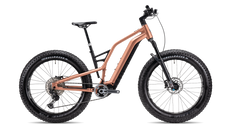
View S-Electro Diamond Fat Explorer (Red) and its current specification to see a real Silverback example.
Consider an electric fat bike for assistance
Assistance can help manage the effort of a heavier bike and rolling resistance, but increases system complexity and battery planning needs. Silverback’s S-Electro Diamond Fat Explorer (Red) listing describes a hydroformed alloy frame, a 720Wh battery and compatibility with 4.7-inch tyres. Those details identify its design; they do not establish a guaranteed range for your trip.
Make pressure adjustment a careful process
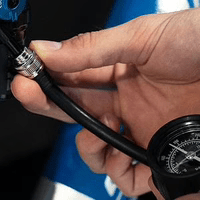
Use a gauge that reads accurately at the pressures recommended for your setup. Check the tyre and rim limits and account for rider load, surface and temperature. Too little pressure can cause rim strikes or unstable handling; too much can reduce the benefit on soft ground. Change one variable at a time and test in a controlled location.
Compare the practical ownership trade-offs
Check bike-rack capacity, storage space and replacement tyre availability. Wider equipment may require different transport arrangements from a conventional mountain bike. Expect a different steering feel and potentially more rolling resistance on tarmac. If your rides are mostly paved, a conventional mountain bike or commuter may be the more efficient purchase despite the fat bike’s visual appeal.
Compare surfaces before buying
| Surface | Potential benefit | Important limitation |
|---|---|---|
| Soft sand | Improved flotation in suitable conditions | Deep loose sand can stop progress |
| Firm snow | Support from wider tyres | Ice remains slippery |
| Paved roads | Cushioned feel | Weight and rolling resistance may rise |
Useful next steps for your shortlist
For a concrete product reference, review S-Electro Diamond Fat Explorer (Red). Compare its intended use and fit rather than assuming every fat bike offers the same handling. Browse cycling accessories for the essentials you genuinely need and bicycle tools for appropriate maintenance equipment.
For more context, read How Far Can an E-Bike Really Go?. This series also covers Black Friday Kids’ Bikes: How to Choose the Right Size for Your Child and Carbon vs Aluminium: Which Mountain Bike Frame Should You Buy?. Use these guides to answer the questions relevant to your household’s next bicycle purchase.
Keep your complete budget in mind when browsing the current Black Friday collection. A collection listing is not a promise of a particular discount or availability. Check the exact product page and selected variant before making a decision.
Frequently asked questions
Are fat bikes only for snow?
No. They can suit sand and mixed-surface exploration too, provided the bike’s intended use and local riding permissions match the route.
Can I use one tyre pressure everywhere?
No single setting suits every tyre, rim, rider and surface. Follow equipment limits and adjust carefully for the conditions.
Is an electric fat bike better for everyone?
No. Assistance is useful for some riders, but adds weight, cost and charging requirements. Choose according to your routes and storage needs.
Choose the right setup for your next adventure
Ready to make your shortlist? Compare suitable Silverback fat bikes now, check the model-specific fit and specification, and choose for the terrain you actually want to explore.