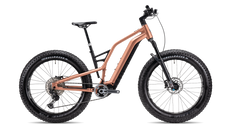
150/145mm Travel
 29" x 2.5" Wheels
 1x12 Speed SRAM AXS
 EP-801 Shimano Motor
 85Nm Torque
 720Wh Battery
 from 20.9kg
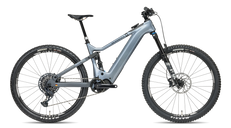
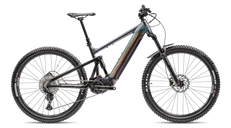
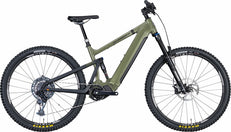
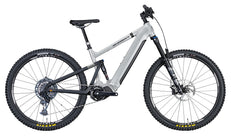
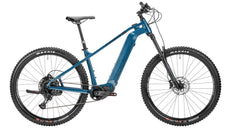
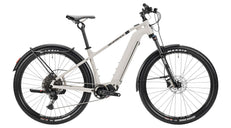
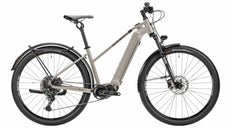
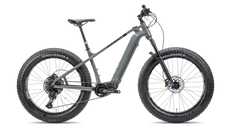
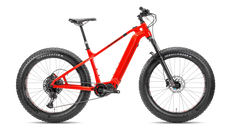

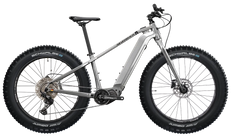

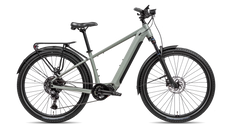
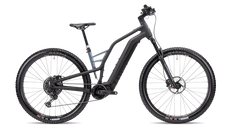
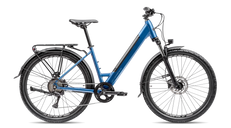
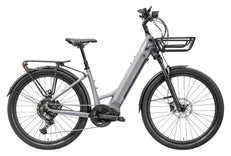
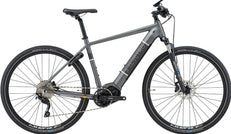
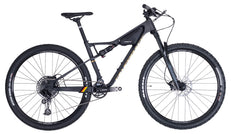
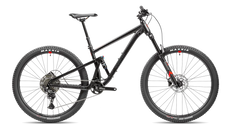
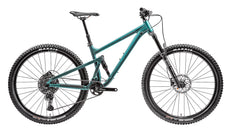
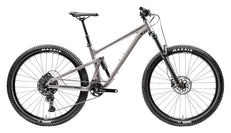
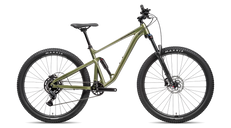
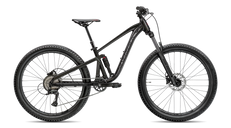
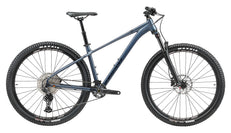
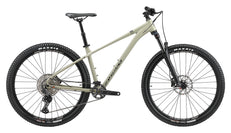
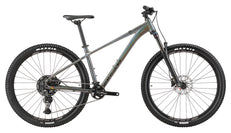
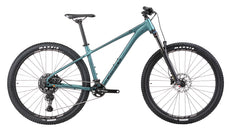
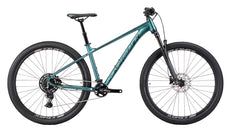
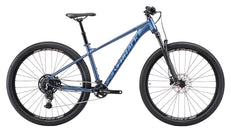
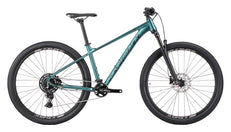
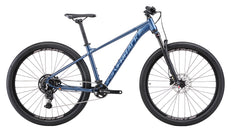
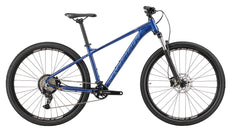
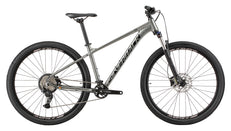
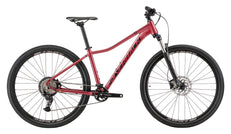
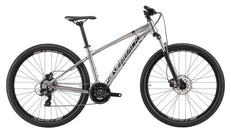
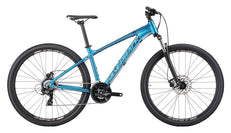
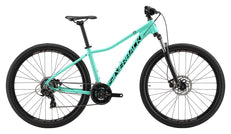
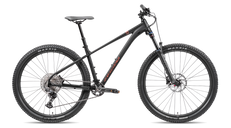
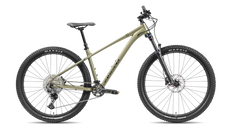
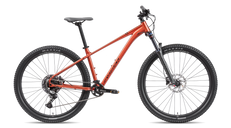
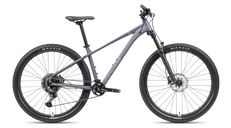
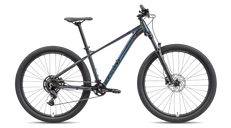
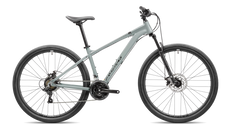
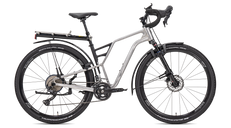
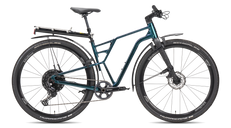
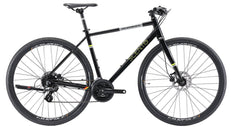
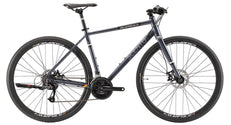
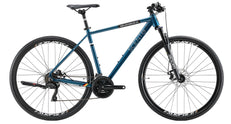
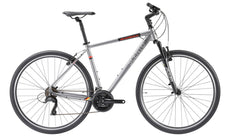
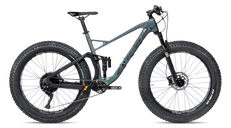
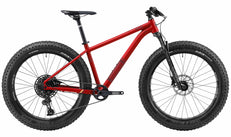
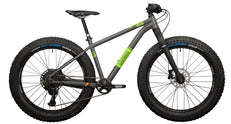
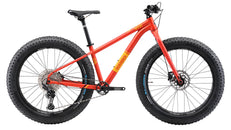
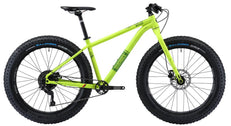




An e-bike's real range is the distance its available battery energy can support under your riding conditions. There is no honest universal kilometre figure: the same battery can cover very different distances on a flat commute and a steep trail ride. Start with watt-hours, estimate consumption, and leave a reserve.
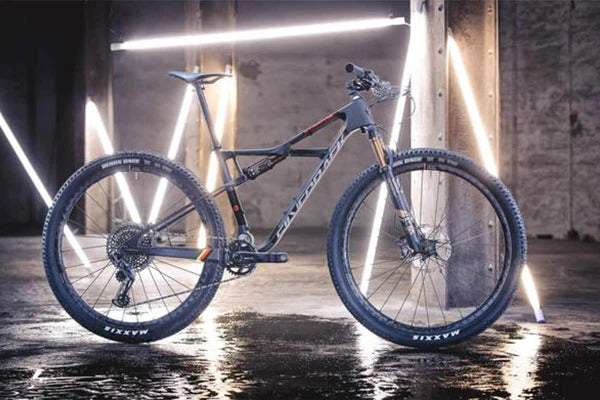
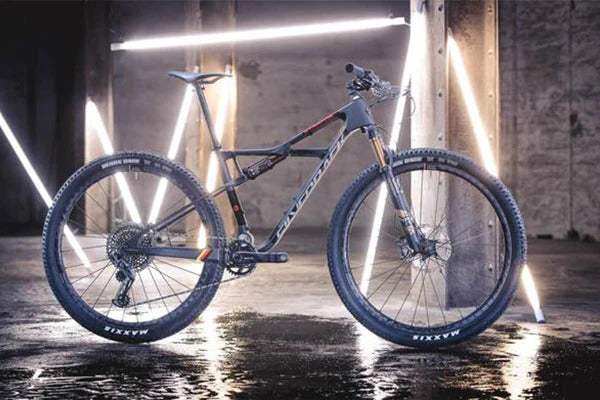
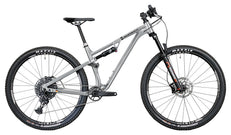
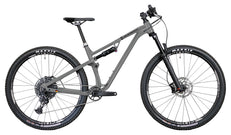
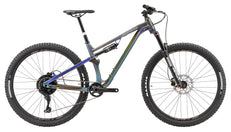
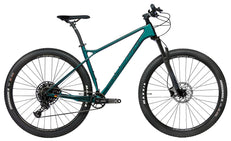
This e-bike range guide gives you a transparent planning method rather than a laboratory claim. The calculations below are illustrative, not measured Silverback ranges or promises that a particular bike will achieve them. The banner features the Silverback S-Electro Elite AL 1; no range figure is assigned to that model.
How to estimate e-bike range
The basic calculation is available energy in watt-hours divided by energy consumption in watt-hours per kilometre. A battery's advertised capacity is a starting point, not a guarantee that all that energy will be available on your ride. Battery condition, temperature and the system's operating limits affect the result.
Build in a reserve before choosing a route
For a simple planning example, set aside 20% of the advertised capacity. That is an editorial planning assumption, not a manufacturer requirement or a reserve guaranteed to be sufficient. Increase your margin for unfamiliar terrain, cold conditions, remote routes or uncertain battery health.
Planning distance = battery capacity × 0.8 ÷ assumed consumption. For a 630 Wh battery at an assumed 12 Wh/km, that gives 42 km. This is arithmetic under stated assumptions, not a test result.
Battery capacity comparison: worked examples
| Advertised capacity | At assumed 8 Wh/km | At assumed 12 Wh/km | At assumed 16 Wh/km |
|---|---|---|---|
| 504 Wh | 50 km | 34 km | 25 km |
| 630 Wh | 63 km | 42 km | 32 km |
| 720 Wh | 72 km | 48 km | 36 km |
| 800 Wh | 80 km | 53 km | 40 km |
Every example includes the same 20% planning reserve and is rounded to the nearest kilometre. The consumption values are chosen examples, not verified typical rates or upper and lower limits. Your consumption can fall outside this range. Do not use this table as a model-specific range chart.
What if you want to ride 60 km?
Reverse the calculation. At an assumed 12 Wh/km, 60 km requires 720 Wh of ride energy. With the same 20% reserve assumption, that would imply 900 Wh of advertised capacity. Alternatively, your measured consumption would need to be lower, the route shorter, or a suitable charging stop planned. Do not count on finding charging facilities without checking first.
What changes real-world battery range?
Climbing, surfaces and total load
Climbing needs more energy than riding a comparable distance on level ground. Rider weight, luggage and the bike itself form the total load. Loose surfaces and headwinds add resistance. Compare elevation gain and route conditions, not just distance.
Assistance level and rider contribution
More assistance generally asks the battery to do more work. Use the support you need for control and comfort rather than chasing maximum economy at every moment. Select an appropriate gear before a climb and pedal smoothly instead of relying on high assistance in an unnecessarily hard gear.
Temperature, tyres and bike condition
Cold can reduce available battery performance. Tyres also affect rolling resistance, but pressure must remain appropriate for the tyre, rim, load and terrain. Do not overinflate simply to pursue range. Check for dragging brakes and keep the drivetrain maintained according to the bicycle's instructions.
Our Avinox vs. Bosch battery-range guide expands on fair comparisons. A motor's peak output alone cannot establish distance, as discussed in whether more motor power is always better.
How to measure your own range more usefully
Start with a familiar loop close to home. Record the route, elevation, assistance settings, load, weather and starting charge. Repeat under comparable conditions before planning a longer trip. Dashboard percentages are useful indicators, but they are not laboratory energy measurements.
If your system records energy consumption directly, use that information alongside the route conditions. Otherwise, track how much displayed charge your regular ride uses and keep a generous margin. A short test in mild weather should not become a promise for a winter mountain trip.
Choose a battery and bike for the routes you ride
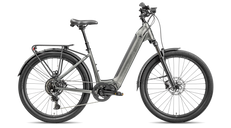
For daily routes and weekend exploration, explore the S-Electro 85 (10spd), listed with a Shimano EP600 motor and 630 Wh battery. Match the complete bike to your needs rather than buying battery capacity in isolation.
Planning trail rides? Compare the S-Electro Diamond Trail, listed with Shimano EP8 assistance and a 720 Wh battery. Its larger battery does not by itself establish a longer range on a different route. The S-ELECTRO 50 offers another configuration, listed with a 250 W hub motor and a replaceable internal 504 Wh battery.
For motor-system context, see our 2026 Avinox vs. Bosch comparison, Avinox M2 vs M2S guide and Avinox vs Shimano EP801 comparison. Keep battery capacity separate from torque and peak power.
Frequently asked questions
Will an 800 Wh battery always go farther than a 630 Wh battery?
It stores more advertised energy, but different bikes and riding conditions prevent an automatic distance verdict. Compare like-for-like conditions and usable battery condition.
Does a more powerful motor always drain the battery faster?
No. Maximum capability is not the same as energy used throughout a ride. Assistance settings, load, terrain and rider contribution matter.
Why does my remaining-range display change?
Check how your particular system calculates its estimate. Treat the displayed distance as guidance, not a guarantee, especially when conditions change.
How much spare battery should I allow?
There is no universal safe margin. This guide uses 20% only to demonstrate the calculation. Allow more when the consequences of running low are greater.
Plan the ride, then choose the bike
Use your own route evidence, a conservative estimate and a return reserve. Browse Silverback electric bikes and compare battery arrangement, fit and riding purpose alongside capacity.
Sources: Shimano eMTB Battery Basics and Bosch e-bike battery guidance. Numerical examples are editorial calculations, not manufacturer range tests.
German Banner Image (890x500 export pending)
German banner concept; exact 890 × 500 export remains outstanding.