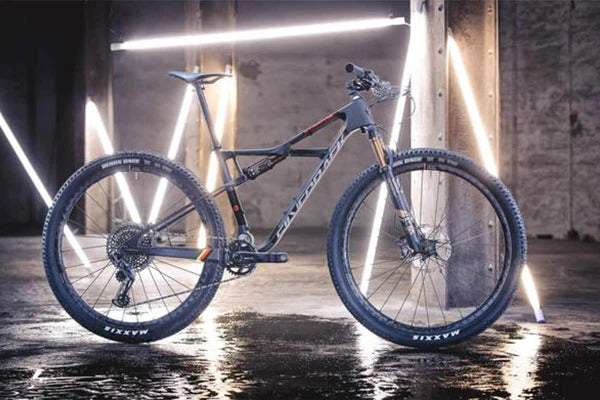
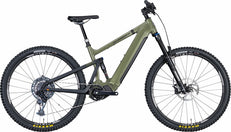
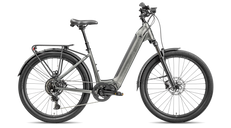
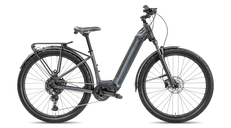
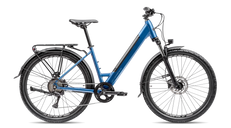
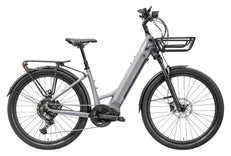
150/145mm Travel
 29" x 2.5" Wheels
 1x12 Speed SRAM AXS
 EP-801 Shimano Motor
 85Nm Torque
 720Wh Battery
 from 20.9kg
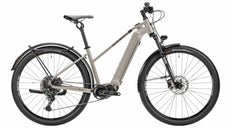
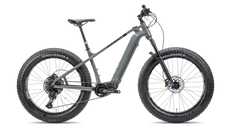
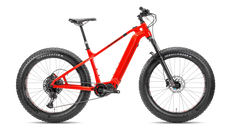

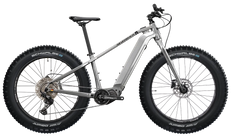

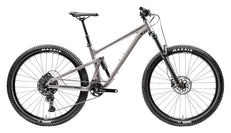
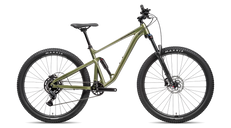
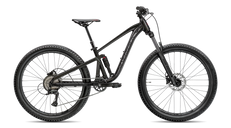
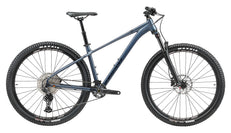
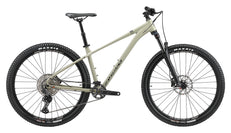
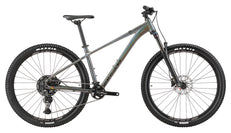
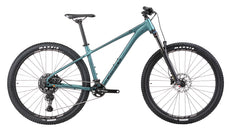
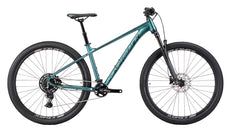
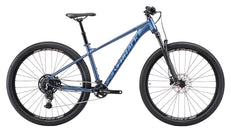
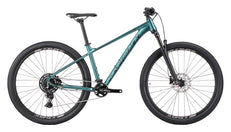
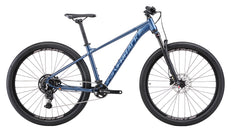
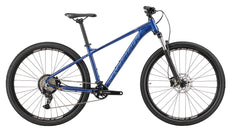
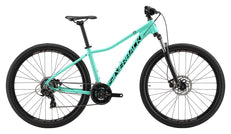
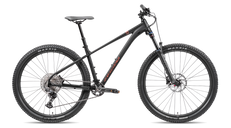
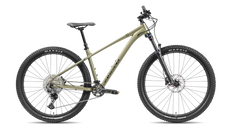
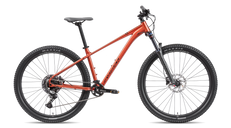
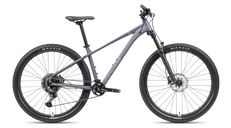
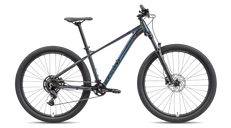
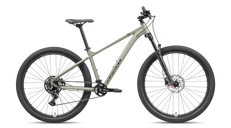
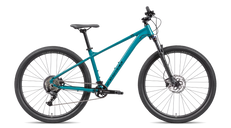
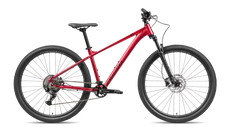
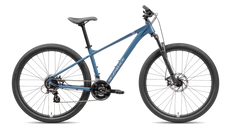
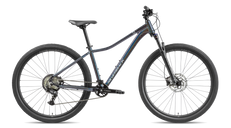
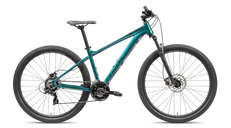
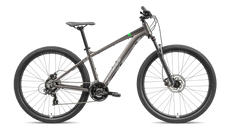
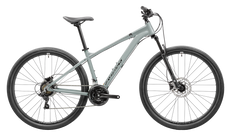
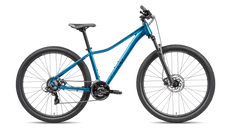
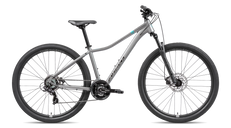
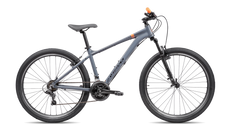
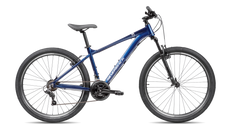
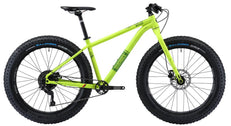
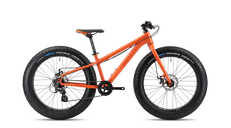
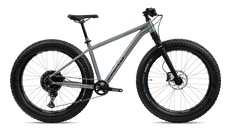
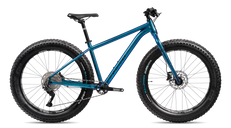
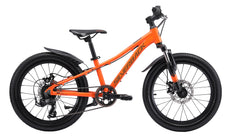
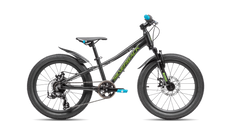
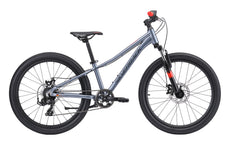
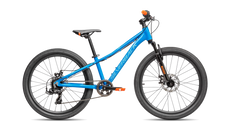
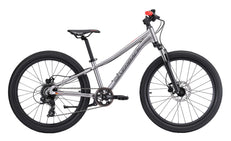
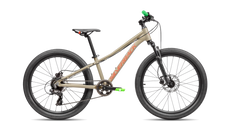
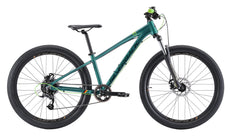
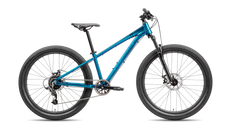
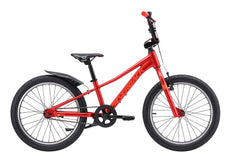
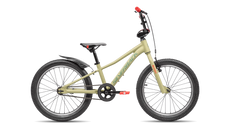
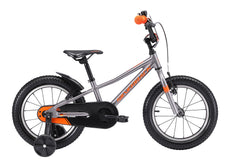
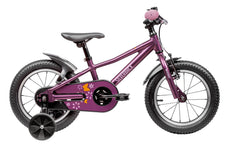
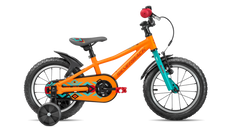
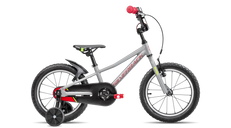


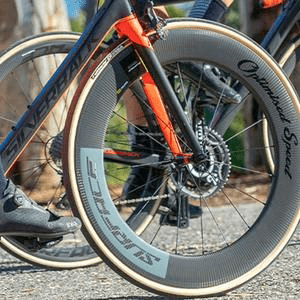


When comparing Black Friday kids bikes, the most important question is whether your child can control the bicycle now. Age labels and wheel sizes help narrow a search, but children grow at different rates and frames differ between models. A bike that is too big can make starting, stopping and steering harder, even if buying extra growing room looks economical.
Explore Silverback kids bikes and build a shortlist around your child’s current measurements and skills.
Measure before comparing offers
Measure height and inseam in the way the model’s size guide requests. Keep the measurements with your shortlist so you are comparing the same information. Check the actual model’s minimum saddle height, standover and recommended fit guidance. Do not transfer an age recommendation from another brand or assume every bicycle with the same wheel diameter fits identically.
Understand what wheel size does and does not mean
Wheel size describes the wheel, not the complete reach or frame fit. Smaller wheels often appear on bikes intended for smaller riders, but the cockpit and saddle adjustment remain important. If choosing between two sizes, prioritise confident control and the manufacturer’s fit guidance. A child should not need to stretch to operate the brakes or turn the handlebar.
Check starting, stopping and brake reach
In a safe traffic-free area, watch the child mount, start and stop. They need access to the controls and a dependable way to support themselves when stopping. Brake systems vary between models, so explain the actual setup rather than assuming all kids bikes operate alike. Ask a qualified person to adjust lever reach where supported and inspect the assembly.
View Skid 16 (New Gen) and check its current specification alongside the model’s sizing guidance.
Weight matters during real manoeuvres
A child needs to move the bike around, recover from a lean and restart without excessive effort. Compare published complete-bike weights only when the size and included equipment are comparable. A simple rigid setup may suit a beginner better than unnecessary suspension. There is no universal weight threshold that makes every bike right for every child.
Choose simplicity that supports learning
The Skid 16 (New Gen) listing highlights a small lightweight frame and a chainguard. Those are useful features to inspect alongside the current fit. Do not assume that an included feature replaces supervision or instruction. Ask whether pedals, guards and any learning aids match your child’s stage and whether the setup can be adjusted safely as skills improve.
Buy a usable bike, not an oversized bargain
Set aside budget for a correctly fitting helmet and any equipment needed for the places your child will ride. Check assembly instructions and arrange a safety inspection if you are unsure. Leave room for normal saddle adjustment, but do not buy beyond the model’s fit guidance. Confidence today is more useful than a bike that only fits next year.
Compare fit, not just age labels
| Check | What to observe | Warning sign |
|---|---|---|
| Reach | Relaxed access to controls | Locked elbows or stretching |
| Stopping | Controlled stop and support | Child cannot manage the bike |
| Handling | Confident turns and restarts | Weight overwhelms the rider |
Useful next steps for your shortlist
If the size guidance points towards a larger model, review Skid 20 (New Gen). Do not assume a wheel-size change is appropriate without checking reach and fit. Browse cycling accessories for the essentials you genuinely need and bicycle tools for appropriate maintenance equipment.
For measurement instructions, read How Do I Measure My Child’s Inseam to Choose the Right Bike?. This series also covers Don’t Just Buy the Cheapest Bike: 5 Components That Really Matter and Black Friday Cycling Essentials: 10 Upgrades Every Rider Should Consider. Use these guides to identify useful equipment rather than buying features your child does not need.
Keep your complete budget in mind when browsing the current Black Friday collection. A collection listing is not a promise of a particular discount or availability. Check the exact product page and selected variant before making a decision.
Frequently asked questions
Can I choose a kids bike by age alone?
Use age only as a starting point. Measurements, model-specific guidance and a practical fit check provide a better basis for choosing.
Should I buy a bigger size for growing room?
Not if the child cannot comfortably control it now. Normal adjustment range is useful; an oversized frame is not a substitute for correct fit.
Does every child need gears or suspension?
No. Simpler equipment can make learning easier. Match features to ability and riding terrain rather than buying the longest specification list.
Choose for confident rides today
Ready to make your shortlist? Compare Silverback kids bikes now, check the model-specific fit and specification, and choose the bicycle your child can enjoy and control now.