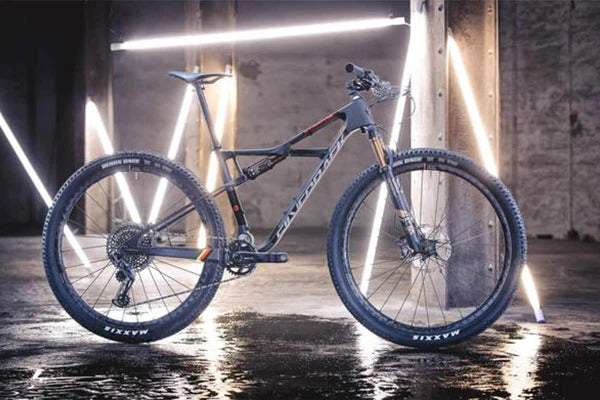
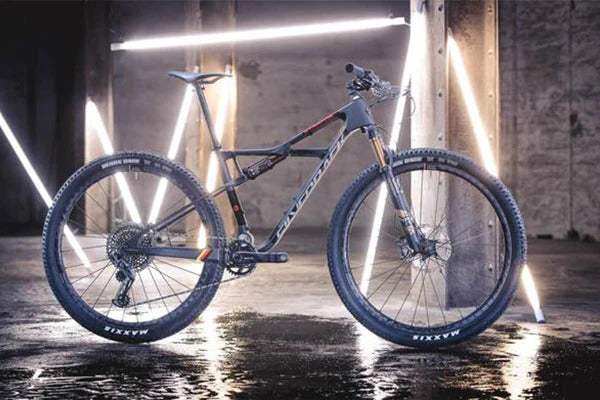
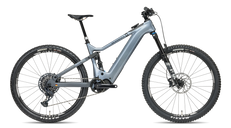
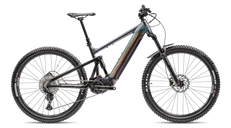
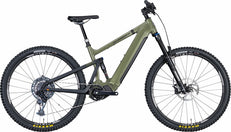
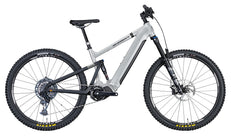
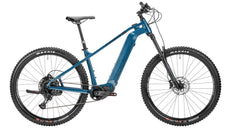
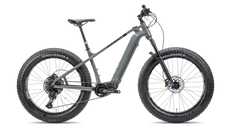
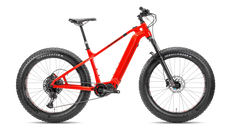
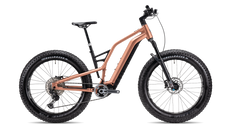
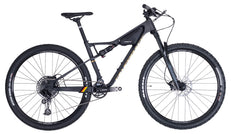
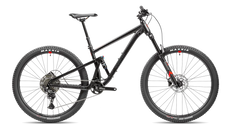
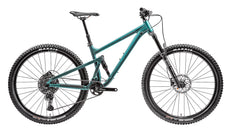
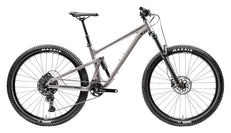
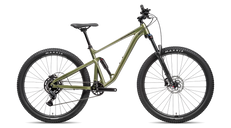
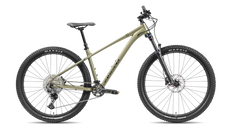
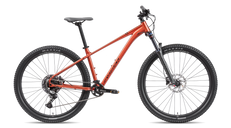
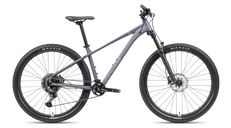
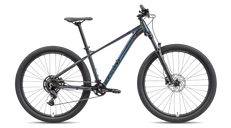
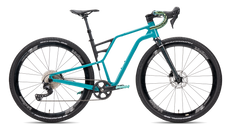
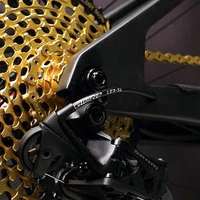
150/145mm Travel
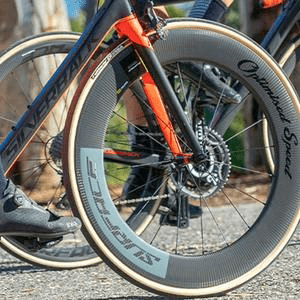
 29" x 2.5" Wheels
 1x12 Speed SRAM AXS
 EP-801 Shimano Motor
 85Nm Torque
 720Wh Battery
 from 20.9kg







If your e-bike motor stops assisting, do not assume the motor itself has failed. Battery seating, an operating setting, a sensor signal or a system warning can produce similar symptoms. Start by stopping safely, recording what happened and consulting the instructions for your exact drive system.
This guide to e-bike motor problems covers conservative rider checks and the information a workshop needs. It is not a repair manual. Do not open a motor, battery or charger, probe electrical contacts, bypass sensors or attempt to override a warning. Shimano's user guidance specifically warns against disassembly or modification.
Stop first if there is a safety concern
Stop riding and do not charge or continue using a system with smoke, unusual heat, swelling, leaking, a burning smell or visible electrical damage. Keep clear and seek appropriate professional help; if there is an immediate danger, contact emergency services. Do not repeatedly restart a potentially damaged system to see whether it clears.
After a crash, significant impact or suspected water ingress, have the bike assessed before returning it to use. A clear display does not prove that the electrical system or bicycle is safe.
Common symptoms: what to check and when to escalate
| Symptom | Conservative first check | Workshop trigger |
|---|---|---|
| No display or system power | Check charge indication and the normal start procedure | No response after the manual's approved checks |
| Display on, no assistance | Check selected assistance mode and record warnings | Persistent loss of assistance or recurring warning |
| Intermittent cut-outs | Record whether bumps, climbs or other conditions coincide | Repeated cut-outs, visible damage or insecure battery mounting |
| Speed reading missing or erratic | Visually inspect the accessible sensor area without altering it | Uncertain alignment, damaged parts or persistent fault |
| New grinding, knocking or resistance | Stop riding and note when it occurs | Prompt inspection before further use |
| Charging warning or no charging | Read charger indicators and the exact system instructions | Damage, unusual heat or unresolved charging fault |
These symptoms can have several causes. The table is a triage aid, not a diagnosis or proof that a particular part needs replacing.
No assistance: begin with the simple checks
Confirm power, charge and assistance settings
Check whether the display starts normally and whether the battery indicates charge. Confirm that assistance is actually enabled. Follow the startup procedure for your system rather than applying a generic reset sequence found online.
If the instructions permit a restart and there is no sign of damage or overheating, switch the system off and restart as directed. A cleared message does not establish that a recurring problem is fixed. Photograph the warning first.
Check removable battery seating only as instructed
For a user-removable battery, follow the bicycle's instructions for checking that it is correctly fitted and secured. Do not loosen an integrated battery or pull connectors to imitate a procedure intended for another bike. If a mount or latch appears damaged, stop and arrange inspection.
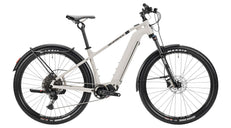
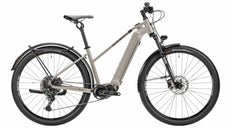
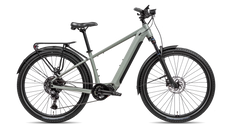
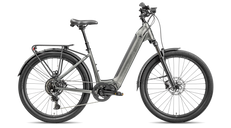
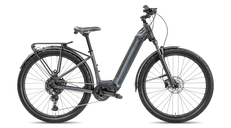
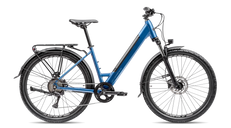
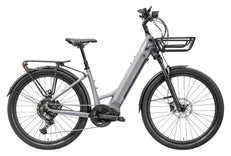
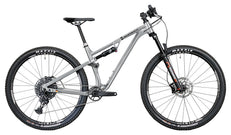
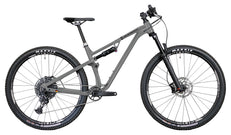
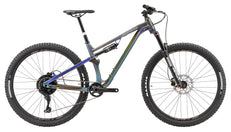
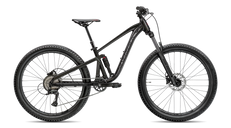
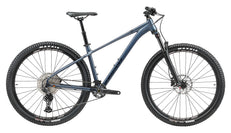
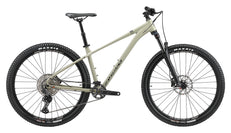
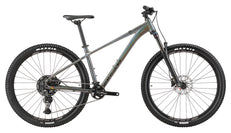
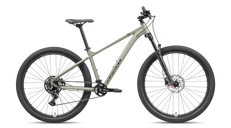
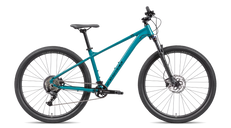
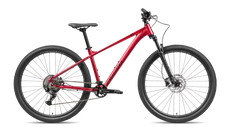
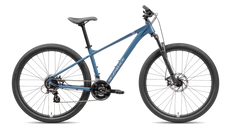
For a practical step-through option, explore the S-ELECTRO STEP-SERIES 9, listed with Shimano EP6 assistance and a removable 630 Wh battery. The banner illustrates this complete system, not a known defective product. Diagnose an existing fault before making a replacement decision.
Cut-outs, sensors and error codes
Note whether assistance fails over bumps, on sustained climbs, immediately after startup or only with a particular setting. Observe whether the display also switches off. That distinction helps the workshop decide what to investigate; it does not identify the failed component by itself.
Do not guess a universal sensor gap
Speed-sensor designs and mounting arrangements differ. Visually check accessible parts for obvious displacement or damage, but use your model's instructions for any adjustment. Do not move a magnet to change assistance behaviour, defeat a sensor or disconnect a safety-related component.
Record the complete message
Write down the full code, wording and drive-unit model, then use the matching manufacturer manual or support resource. A code from a different generation can mean something different. Avoid replacing a motor solely because a search result associates one code with motor failure.
Noise and reduced performance need context
A new noise can come from the drivetrain, wheel, brake or another component rather than the drive unit. Stop for new grinding, knocking, unusual resistance or loss of control. Do not continue riding to reproduce a potentially damaging symptom.
Likewise, a torque headline is not a promise of identical assistance in every situation. Our 150 Nm vs 85 Nm guide, Avinox M2 vs M2S comparison and article on whether more motor power is always better explain the specification distinctions. They do not diagnose a fault.
For reduced range rather than lost assistance, record route, temperature, load and support settings. Our battery-range guide helps separate changing conditions from assumptions about a failing motor.
Prepare for a useful workshop visit
Bring the bicycle's model and purchase details, exact drive-unit identification, error photographs, recent service or update history, and a short description of when the symptom occurs. Mention impacts or wet exposure. Ask for a diagnosis and written estimate before approving component replacement.
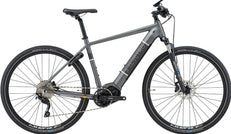
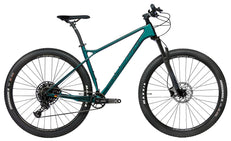
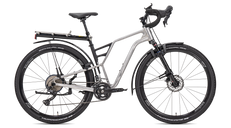
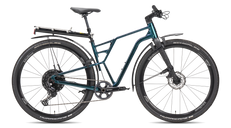
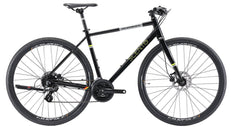
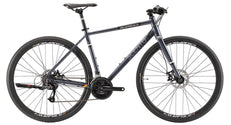
If repair or replacement-bike decisions follow, compare the complete system and local service support. Explore the S-Electro 85 (10spd) as an EP600-equipped reference. The S-Electro Diamond Trail and S-Electro Pro CF 2 provide other Shimano-assisted platforms, not automatic substitutes for diagnosing your existing bike.
Our Avinox vs Shimano EP801 comparison provides buying context, not reliability statistics or a recommendation to replace a serviceable system.
Frequently asked questions
Can I ride home without assistance?
Do not assume it is safe. The answer depends on the fault and the bicycle's condition. If there is unusual resistance, damage, heat or uncertainty about safety, stop and arrange help.
Should I reset the system repeatedly?
No. Record the message and follow the exact manual. Recurring faults need investigation rather than repeated attempts to clear them.
Can I repair the motor or battery myself?
Do not open or modify these components. Limit checks to tasks explicitly intended for the rider in the system's instructions.
Does a motor warning mean I need a new bike?
No diagnosis follows from a warning alone. Obtain a professional assessment before deciding on a repair or replacement.
Put diagnosis before replacement
Keep the bike out of use when safety is uncertain, document the symptoms and seek model-specific support. If you are choosing your next bicycle, browse Silverback electric bikes and consider service access alongside fit, battery and equipment.
Sources: Shimano e-bike systems support, Shimano user safety guidance and Avinox troubleshooting overview. Use the manual for your exact model for procedures.