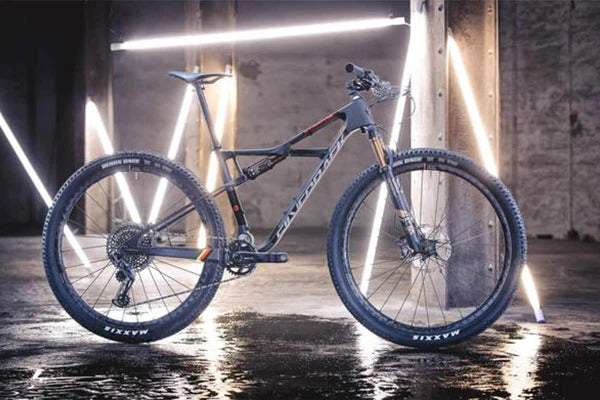
150/145mm Travel
 29" x 2.5" Wheels
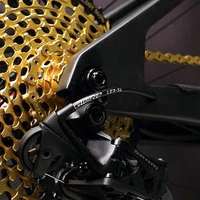
 1x12 Speed SRAM AXS
 EP-801 Shimano Motor
 85Nm Torque
 720Wh Battery
 from 20.9kg
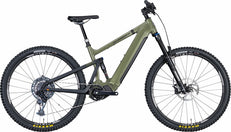
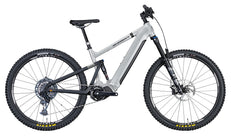
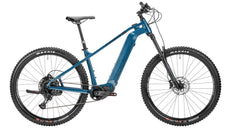
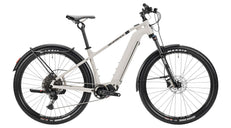
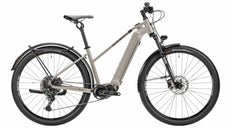
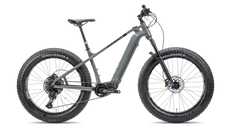
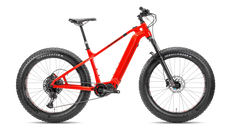

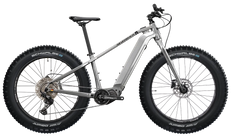

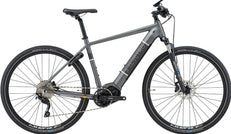
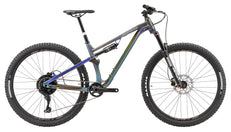
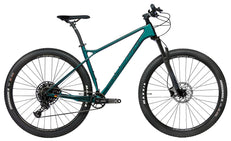
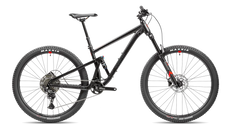
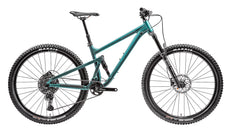
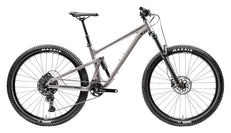
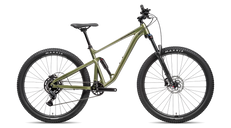
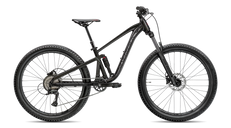
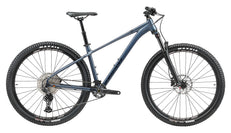
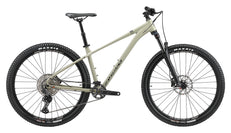
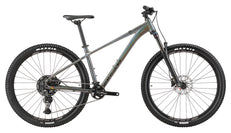
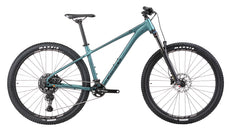
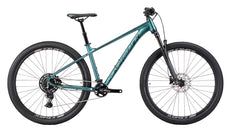
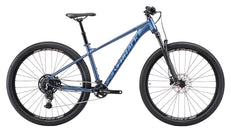
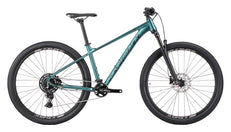
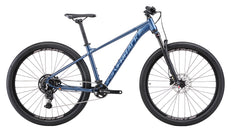
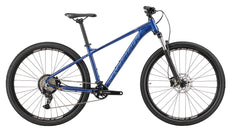
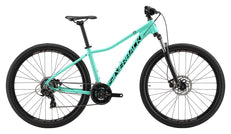
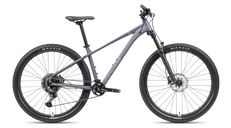
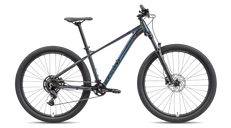
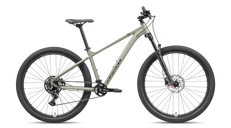
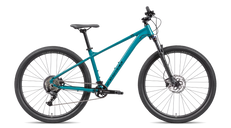
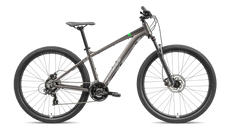
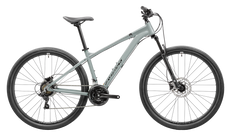
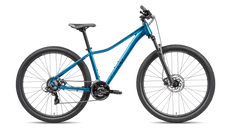
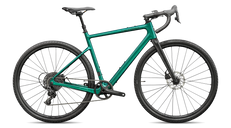
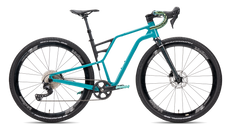
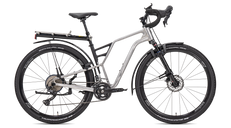
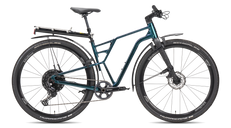
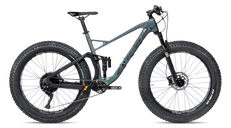
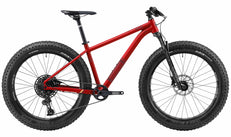
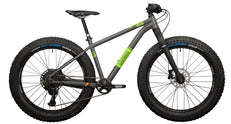
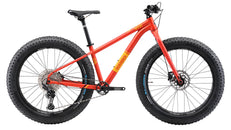
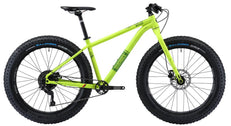
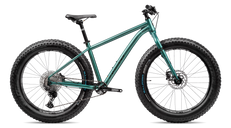




No: more torque does not automatically mean more power in every riding situation. Torque is turning force, while power also depends on rotational speed. A motor advertised at 150 Nm may offer greater assistance potential than an 85 Nm system, but those figures alone cannot tell you which complete bike climbs better, feels easier to control or travels farther.
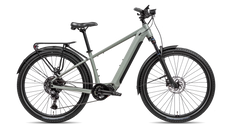
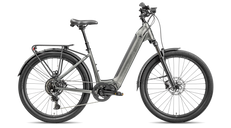
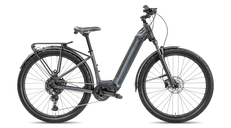
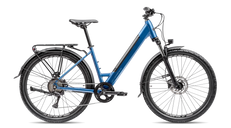
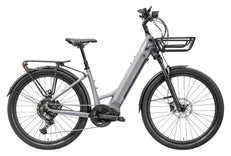
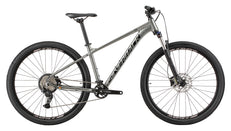
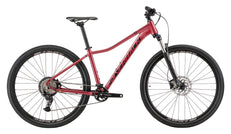
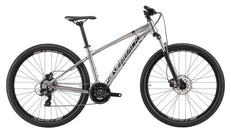
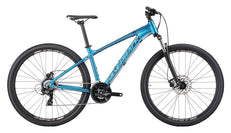
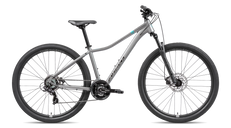
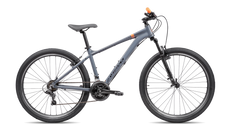
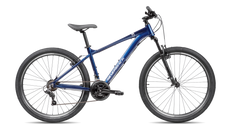
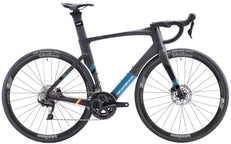
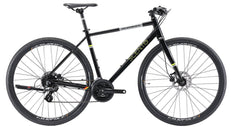
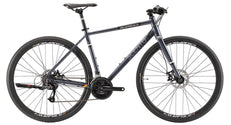
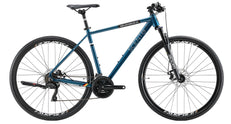
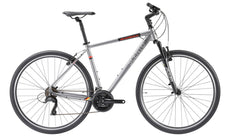
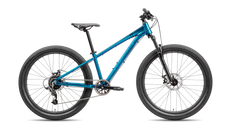
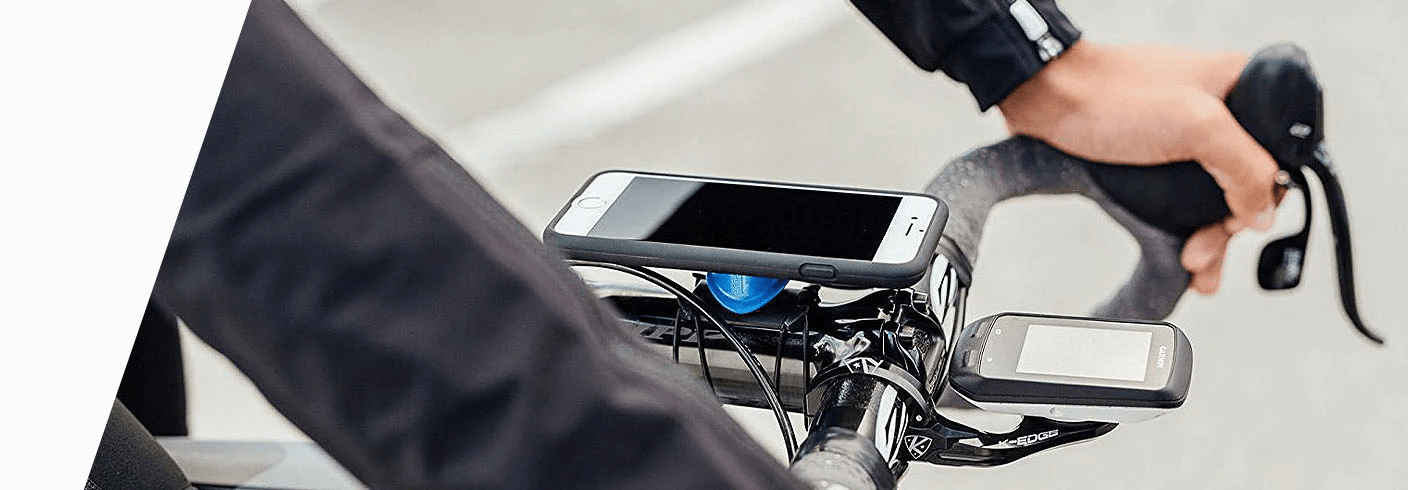
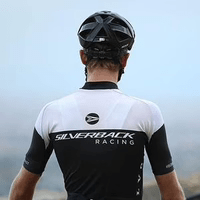
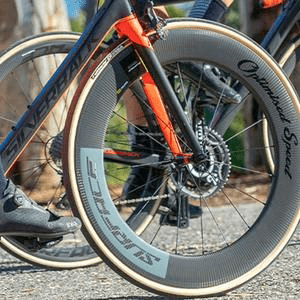
This e-bike torque comparison separates the headline numbers from the riding decision. It uses published Avinox and Shimano specifications, not independent test results. The S-ELECTRO 50 shown in the banner is an illustrative Silverback bicycle, not a claimed 150 Nm or 85 Nm example.
150 Nm vs 85 Nm: what are we actually comparing?
Avinox lists up to 150 Nm for M2S in Boost and up to 130 Nm in regular assistance modes. Shimano lists 85 Nm maximum torque for both EP801 and EP6/EP600. Comparing 150 with 85 without explaining the mode hides an important difference.
| System | Published torque | Published peak power | Important qualification |
|---|---|---|---|
| Avinox M2S | 130 Nm regular; 150 Nm Boost | Up to 1,500 W | Peak output depends on battery and stated conditions |
| Avinox M2 | 110 Nm regular; 125 Nm Boost | 1,100 W | Different unit from M2S |
| Shimano EP801 | 85 Nm maximum | 600 W | Torque alone does not describe the power curve |
| Shimano EP6/EP600 | 85 Nm maximum | 500 W | Same headline torque as EP801, different peak output |
Avinox's FAQ specifies the M2S 1,500 W Boost figure with FP700 or RS800 batteries under its stated testing conditions, and 1,300 W with FS600 or FS800 batteries. These figures are not a common independent test protocol. Our Avinox M2 vs M2S guide explains the model distinction.
Torque, power and cadence in plain English
Torque is the twist; power includes speed
Imagine turning a crank slowly with considerable force, then turning it faster with less force. The effort cannot be described by turning force alone. For rotational motion, mechanical power is torque multiplied by angular speed, measured at the same point.
That is why a single maximum torque figure does not describe assistance across all cadences. Nor should a motor's advertised maximum torque and maximum power be assumed to occur simultaneously. Look for the operating conditions behind each number.
Gearing changes the force available at the wheel
A mid-drive works through the bicycle's gearing. Selecting an appropriate low gear can help a rider climb without forcing the system to work in an unsuitable gear. Hub-drive and mid-drive torque figures also should not be treated as equivalent measurements at the same drivetrain location.
For the broader buying question, read whether more motor power is always better. A larger number is useful only when the complete bike turns that capability into something you need.
Does more torque make climbing easier?
Higher available torque can help when a climb demands strong assistance, but grip and control remain essential. On loose stones or wet roots, excessive wheel force can exceed available traction. Smooth input, tyre suitability, line choice and sensible assistance settings can matter more than demanding maximum support.
Compare bikes on a representative climb. Notice how assistance starts, how easily you maintain a comfortable cadence, and whether the bike feels manageable through tight turns. Avoid judging a motor only by a brief acceleration test on level ground.
Is 85 Nm enough for your riding?
There is no universal torque requirement. An 85 Nm system may be a sensible choice when the bike suits your routes, load and preferred effort. Do not buy additional output at the expense of correct fit, appropriate brakes or the equipment you use every day.
Explore the S-Electro 85 (10spd), listed with Shimano EP600 assistance, a 630 Wh battery and CUES 10-speed gearing. It is a concrete EP6-equipped option, not a claim that the same setup suits every rider.
For a Shimano-assisted carbon enduro platform, check the S-Electro Pro CF 2 and confirm its current drive-unit code. The S-Electro Elite AL 1 offers another Shimano-assisted platform; a general brand description does not establish EP801 specifications.
Torque does not predict battery range
A maximum capability is not the same as the energy used throughout a ride. Battery capacity, support settings, elevation, total load, temperature and rider contribution affect consumption. Higher torque does not automatically establish either better or worse range.
Use our battery-range comparison guide to frame a fair test. For context across systems, see the 2026 Avinox vs. Bosch comparison and Avinox vs Shimano EP801 guide.
The S-ELECTRO 50, shown in the banner, is listed with a 250 W hub motor and replaceable internal 504 Wh battery. It illustrates a different drive layout; this article assigns it no unverified torque rating.
Frequently asked questions
Is 150 Nm almost twice as powerful as 85 Nm?
No. That comparison concerns torque, not power. You also need rotational speed, operating conditions and the measurement point to make a meaningful mechanical comparison.
Does every Avinox motor deliver 150 Nm?
No. The 150 Nm figure here belongs to M2S Boost. M2 and M1 have different published limits.
Will a 150 Nm motor always climb faster?
No. Traction, gearing, available power, rider contribution and the complete bike influence climbing. A maximum torque figure does not establish a speed result.
Should I choose torque or battery capacity first?
Start with your riding needs. Compare usable assistance, route demands, battery practicality, fit and equipment together rather than letting either number decide alone.
Choose usable performance, not just maximum torque
Shortlist higher-output systems when your riding genuinely calls for them, but judge the complete package. Browse Silverback electric bikes and compare the actual build, fit and battery alongside the motor specification.
Sources: Avinox system FAQ and Shimano EP801/EP6 comparison. Specifications checked for this November 2026 guide; configurations can change.
German Banner Image (890x500 export pending)
German banner concept; exact 890 × 500 export remains outstanding.