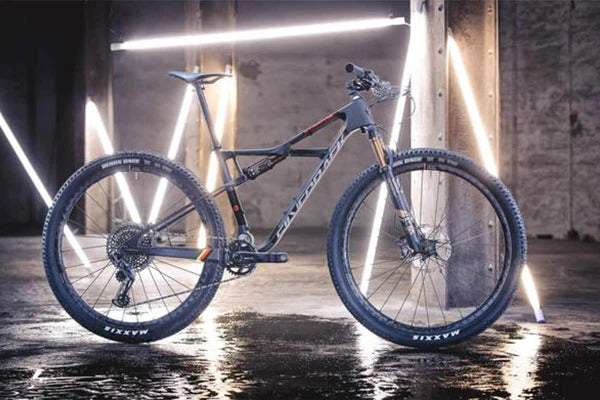
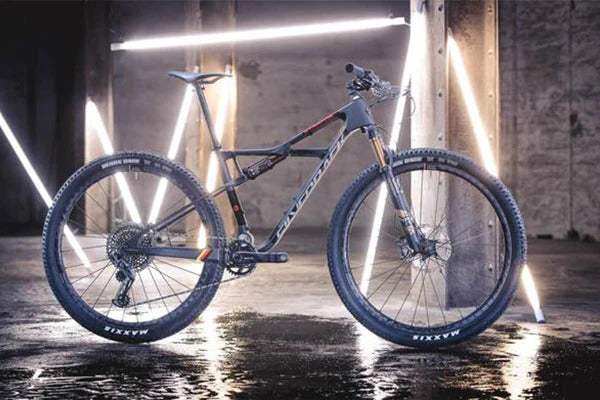
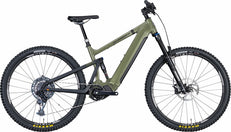
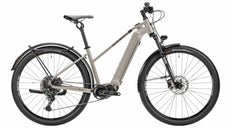
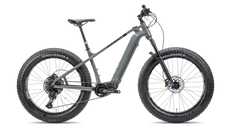
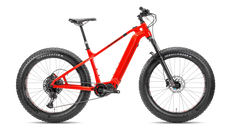
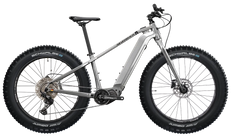
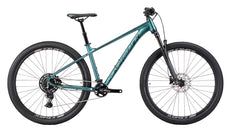
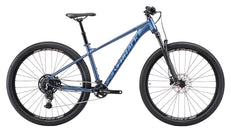
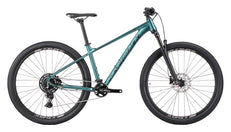
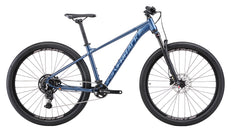
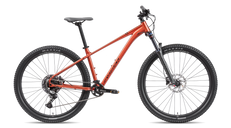
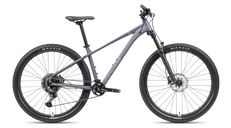
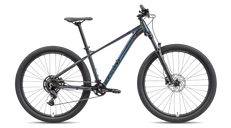
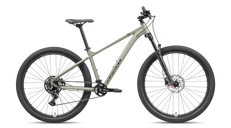
150/145mm Travel
 29" x 2.5" Wheels
 1x12 Speed SRAM AXS
 EP-801 Shimano Motor
 85Nm Torque
 720Wh Battery
 from 20.9kg


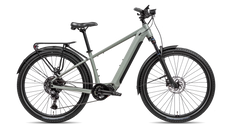
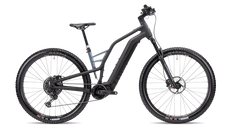
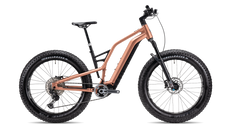
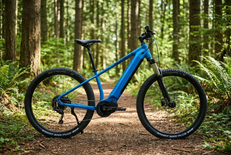
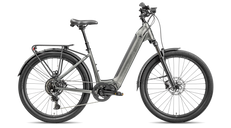
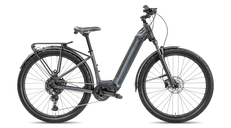
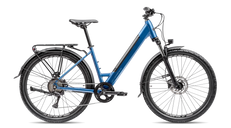
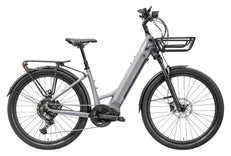
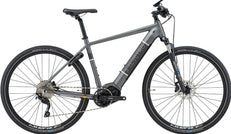
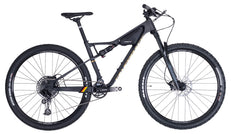
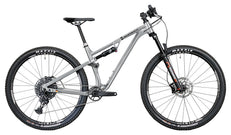
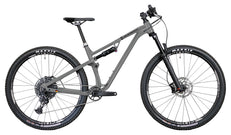
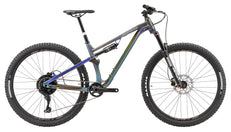
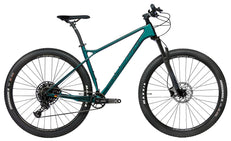
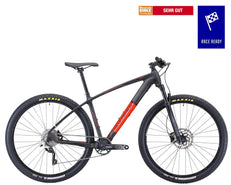
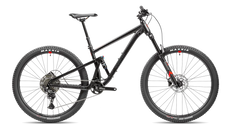
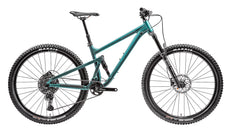
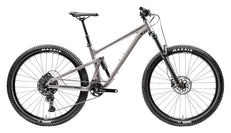
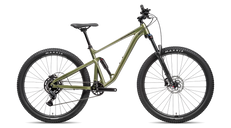
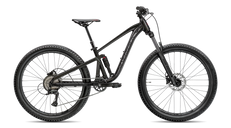
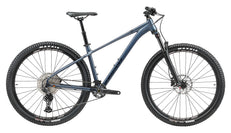
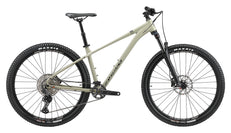
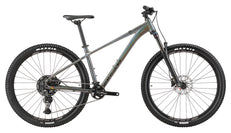
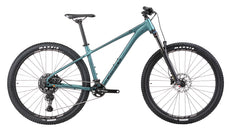
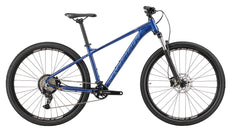
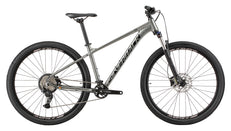
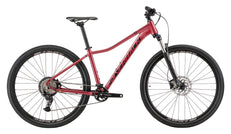
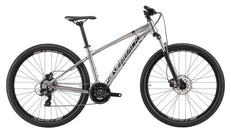
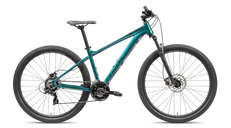
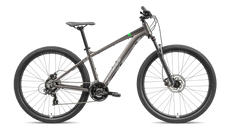
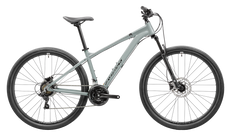
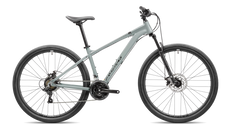
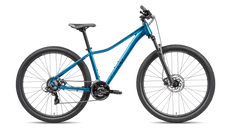
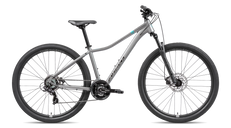
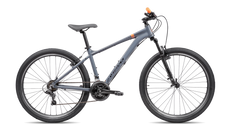
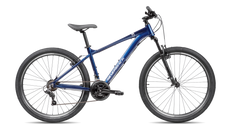
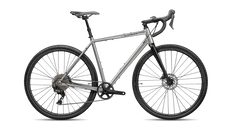
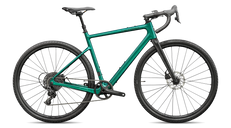
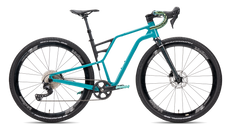
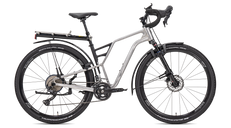
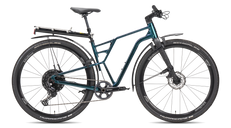
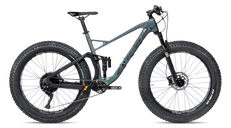
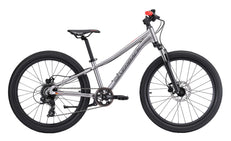
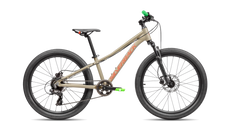
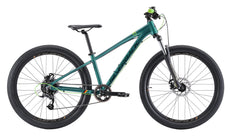
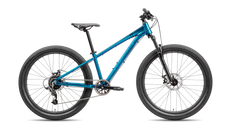


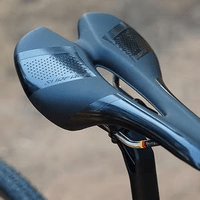
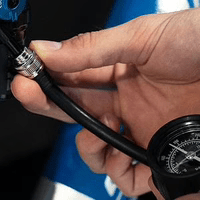
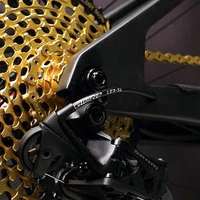
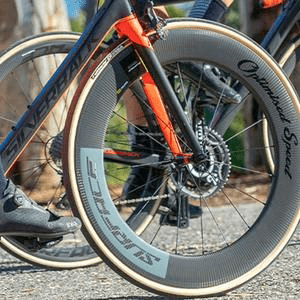


More motor power is not always better on an e-mountain bike. Extra assistance may help on demanding climbs or when accelerating, but useful performance depends on how controllably it reaches the rear tyre. Traction, gearing, rider input, suspension and the chosen assistance settings matter alongside the motor's headline figures.
Choose enough capability for your routes, then assess how the complete bike responds. Explore Silverback electric bikes with climbing needs, handling preferences and battery planning in mind, rather than choosing solely by the largest wattage claim.
Separate peak capability from everyday assistance
A maximum figure is not constant output
Avinox M1, M2 and M2S publish different peak outputs. Bosch Performance Line CX also varies by drive-unit generation, software and manufacturer limits. Those maxima do not describe what a motor delivers throughout every ride. The system responds to rider input and its settings, while operating conditions can restrict available output.
Our 2026 Avinox-versus-Bosch specification comparison identifies the named models and battery conditions. Compare equivalent configurations rather than one brand's latest maximum against another system's standard factory setting.
Torque and power answer different questions
Torque describes turning force; power also depends on rotational speed. A high torque number alone does not establish which complete bicycle climbs faster, and peak power does not describe low-speed response by itself. Ask how assistance builds, how it reacts when you change your input and whether you can manage it precisely.
Where extra assistance can be useful
On a demanding sustained ascent, additional available output may reduce the rider effort needed for a chosen pace or support a higher pace when conditions permit. Starting on a hill or accelerating after a slow section may also feel different as assistance settings change. These are reasons to test a system, not guarantees of an advantage on every trail.
Low gearing still matters. Trying to overcome an unsuitable gear only by selecting maximum assistance is not a substitute for a suitable drivetrain and pedalling technique. Test the bike on representative terrain within your ability, including controlled starts and gentle changes in cadence.
Where grip and control become the limit
| Situation | Potential value of more assistance | What can matter more |
|---|---|---|
| Firm, steep climb | Support for demanding effort or acceleration | Suitable gearing, cadence and available sustained output |
| Loose technical ascent | Help maintaining momentum when traction permits | Progressive delivery, tyre grip and line choice |
| Tight slow corner | A maximum setting may offer little practical benefit | Precise input and predictable response |
| Long mixed-terrain loop | Reserve assistance for difficult sections | Battery planning and appropriate mode selection |
| Descending | Peak climbing output does not determine descending control | Braking, geometry, tyres, suspension and rider skill |
When a rear tyre loses grip, a higher maximum output is not automatically useful. Sudden changes in input can make a delicate section harder to manage. Choose assistance you can control, reduce speed where needed and walk a section when the conditions exceed your confidence or ability.
Avinox and Bosch: compare the actual tuning
Avinox's official specifications distinguish regular modes from Boost and identify battery requirements for the M2S's highest output. Bosch's 2026 CX upgrade allows higher settings on eligible units, but the bicycle manufacturer can cap them. These are configuration details, not proof that one system always delivers smoother control.
Try low-speed response, assistance transitions and behaviour when you reduce pedalling input. Do not infer those qualities solely from a specification table. For other motor choices, see our Bosch-versus-Shimano comparison and Shimano EP6-versus-Bosch CX guide, checking current manufacturer information for your exact build.
Does more available power always use more battery?
No. A larger power ceiling is not the same as using that output continuously. Battery consumption depends on the assistance actually delivered, rider effort, speed, total load, elevation, surface conditions and other factors. Two riders can use the same motor very differently.
Repeatedly demanding higher assistance can increase consumption and reduce the reserve available later. Bosch explicitly warns that higher performance settings can mean reduced range and greater wear. That does not establish a universal efficiency ranking between Bosch and Avinox. Without a matched test of comparable complete bikes, do not claim a range winner.
Buy the complete bike, not just the drive unit
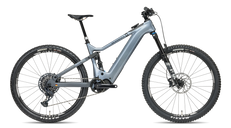
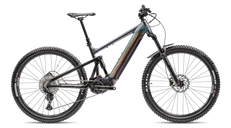
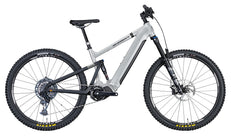
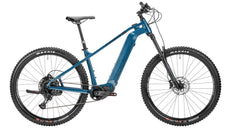
Check the S-Electro Diamond Trail's current specifications as one available Silverback e-MTB example. Its product description identifies Shimano EP8 and a 720 Wh battery; it is not an Avinox or Bosch model. Likewise, the S-Electro Elite CF used in this article's hero is an illustrative Silverback bike, not a representation of the upcoming Avinox range.
Confirm fit, brake performance, tyre suitability and service arrangements. Choose replacement brake pads by exact compatibility. Our motor servicing article provides background, but support for a particular system and location should be confirmed directly.
Our assisted-versus-traditional gravel guide explores ownership considerations in another riding category. Compare current listings in the electric bicycle collection without assuming that motor type alone determines suitability.
Frequently asked questions
Should a beginner avoid a powerful motor?
Not automatically. Appropriate tuning, fit, manageable handling and skill development matter. Choose a setting you can control rather than assuming maximum assistance is the default.
Does higher torque prevent stalling on climbs?
No guarantee follows from the number alone. Gearing, cadence, traction and the available output under actual conditions all matter.
Can a lower setting be better on technical terrain?
It may help you make more controlled inputs, depending on the system and surface. Test gradually in a suitable controlled setting.
Choose controllable performance
Shortlist bikes for your routes, test useful settings and plan battery reserve. Silverback's upcoming Avinox-powered range will need to be assessed by its confirmed builds; exact motors, batteries and launch details are not established here. Explore the Silverback e-bike range for available models and future confirmed listings.
Sources and comparison notice
Manufacturer sources checked 23 October 2026: Avinox drive-unit specifications and Bosch 2026 performance-upgrade conditions. Specifications and availability vary by model, software and market. This is practical buying guidance, not a shared-condition performance test. Third-party trademarks identify the systems discussed; no endorsement or universally superior performance is implied.