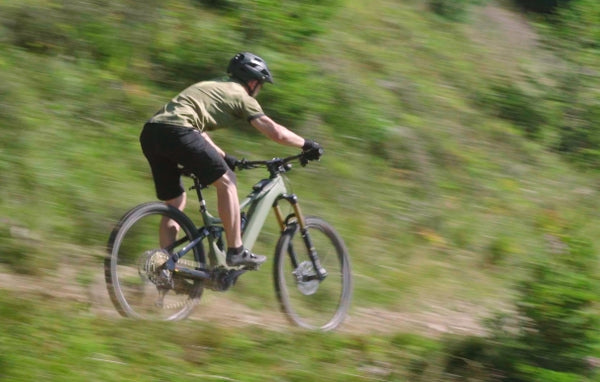
What Is a Trail Bike?
A trail bike is an all-round mountain bike designed to balance climbing efficiency, downhill control, and everyday riding comfort. Its versatile geometry and suspension make it suitable for forest paths, flowing singletrack, technical trails, and occasional bike park sessions, making it a practical choice for riders who enjoy varied terrain.
What Makes a Good Trail Bike?
A good trail bike combines a durable frame, balanced geometry, responsive suspension, reliable gearing, and powerful disc brakes. These features work together to provide traction on climbs, stability through corners, and confidence on descents, while keeping the bike efficient enough for longer rides and changing trail conditions.
Who Should Choose a Trail Bike?
Trail bikes suit beginners who want to develop their off-road skills and experienced riders who prefer one bike for different riding styles. They are ideal for cyclists who enjoy climbing, exploring forest routes, riding technical singletrack, and descending challenging trails without needing a specialised bike for every discipline.
How to Choose the Right Trail Bike
Choosing a trail bike involves considering frame size, suspension, wheel size, frame material, tyres, and components based on the terrain and riding style. Riders exploring the SE Series trail bikes should compare these features to find a setup that offers the right balance of comfort, agility, durability, and downhill control.
Hardtail or Full-Suspension Trail Bike
Hardtail trail bikes have front suspension and a rigid rear frame, making them generally lighter, simpler, and easier to maintain. Full-suspension bikes add a rear shock to absorb impacts and improve traction on rough terrain, which can provide greater comfort and control on technical descents, though they usually cost more and require additional maintenance.
Frame Material and Size
Aluminium frames offer a practical balance of durability and affordability, while carbon fibre frames can reduce weight and provide a different balance of stiffness and vibration absorption at a higher price. Correct frame sizing is just as important as material because it influences riding position, cornering control, and comfort on longer journeys.
Suspension Travel and Geometry
Many trail bikes use around 120 to 160 mm of suspension travel, although the ideal amount depends on the bike's design and intended use. Shorter travel can support efficient climbing and a lively feel on flowing trails, while longer travel provides additional capacity for rough descents, larger impacts, and more demanding terrain.
Wheel Size and Tyres
Trail bikes commonly use 27.5-inch or 29-inch wheels, with the choice influencing manoeuvrability, rollover ability, and stability. Larger wheels generally roll more smoothly over roots and rocks, while smaller wheels can feel more agile in tight sections; tyre tread, casing, and pressure also affect grip, comfort, and puncture protection.
Gearing and Brakes
A wide gear range helps riders manage steep climbs and maintain a comfortable pedalling rhythm across changing terrain. A single-chainring drivetrain offers simple operation, while reliable disc brakes provide controlled stopping power on descents; brake specifications should suit the rider's weight, terrain, and riding intensity.
Are Trail Bikes Good for Climbing and Descending?
Trail bikes are designed to handle both uphill and downhill riding without focusing exclusively on either one. Efficient suspension and suitable gearing help maintain traction on technical climbs, while balanced geometry, dependable brakes, and responsive handling support confident descents on roots, rocks, tight corners, and uneven trails.
Are Electric Trail Bikes Worth Considering?
Electric trail bikes combine the versatility of a trail-focused mountain bike with motor assistance that helps riders tackle climbs and cover more distance with less physical effort. They can suit longer adventures, hilly routes, and riders who want to explore more trails in one outing, although the motor and battery typically add weight compared with conventional bikes.
How to Maintain a Trail Bike
Regular maintenance helps keep a trail bike safe, reliable, and ready for changing conditions. Clean the drivetrain after muddy rides, inspect the tyres and brakes, check suspension settings and frame fasteners, and service the fork, rear shock, and moving components according to the manufacturer's recommended schedule.


 150/145mm Travel
 29" x 2.5" Wheels
 1x12 Speed SRAM AXS
 EP-801 Shimano Motor
 85Nm Torque
 720Wh Battery
 from 20.9kg