Find the Right Seatpost for Your Ride
Choosing the correct seatpost is one of the highest-impact upgrades you can make to your mountain bike, gravel bike, or fat bike setup. The right post improves ergonomics, power transfer, and confidence on technical terrain, all without adding unnecessary weight.
Dropper Seatposts — Control Your Saddle Height on the Trail
A dropper seatpost lets you lower and raise your saddle on the fly via a remote lever, keeping you in the attack position on descents and pedalling efficiently on climbs. Essential equipment for modern MTB and aggressive gravel riding, dropper posts have become the single most transformative upgrade for trail and enduro riders.
Key benefits include improved bike handling on steep descents, reduced fatigue, and faster transitions between climbing and descending. Available in standard travel ranges of 60–200 mm and diameters of 27.2 mm, 30.9 mm, 31.6 mm, and 34.9 mm.
Suspension Seatposts — Absorb Rough Terrain Without Compromise
A suspension seatpost acts as a micro-suspension system at the saddle, reducing vibration and fatigue on long rides over rough roads, gravel tracks, or hardtail MTB trails. Ideal for riders who want compliance without switching to a full-suspension frame.
Suspension posts are particularly popular on hardtail fat bikes and gravel bikes where frame flex alone isn't enough to tame punishing surfaces.
Rigid Seatposts — Lightweight Precision for Road, Gravel & Commuting
For riders prioritising stiffness, weight savings, and clean aesthetics, a rigid seatpost remains the gold standard. Available in aluminium and full carbon, rigid posts deliver maximum power transfer and are the go-to choice for XC racers, gravel tourers, and urban commuters.
Set-back and zero-offset options allow you to optimise your saddle position for power and comfort across any geometry.
What to Consider When Choosing a Seatpost
Before buying a seatpost, confirm these three parameters to ensure compatibility and performance with your specific bike.
Diameter & Insertion Length
Seatpost diameter must match your frame's seat tube inner diameter precisely. Common sizes are 27.2 mm, 30.9 mm, 31.6 mm, and 34.9 mm. Check your frame spec or measure the seat tube bore before ordering. Insertion length matters too — ensure the post has enough exposed length for your saddle height without exceeding the minimum insertion mark.
Travel & Actuation (Dropper Posts)
Dropper post travel — the distance the saddle drops — should be matched to your frame's available seat tube clearance. Most riders on full-suspension MTBs opt for maximum available travel (125–200 mm), while hardtail riders may need shorter-travel posts (60–100 mm) to avoid seat tube length restrictions. Actuation can be cable (mechanical) or hydraulic, each with trade-offs in feel, maintenance, and price.
Material — Carbon vs. Aluminium
Carbon seatposts save weight (up to 150 g over alloy equivalents) and dampen road vibration, making them popular on gravel and road setups. Aluminium posts offer greater durability, lower cost, and are easier to service — ideal for trail riding, commuting, and bikepacking. Always check torque specs when fitting carbon posts to avoid damage.


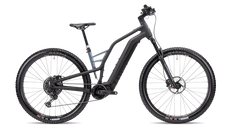
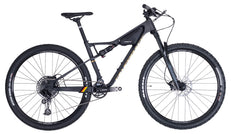
 150/145mm Travel
 29" x 2.5" Wheels
 1x12 Speed SRAM AXS
 EP-801 Shimano Motor
 85Nm Torque
 720Wh Battery
 from 20.9kg