What Are Time Trial and Aero Bikes?
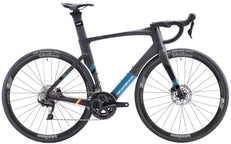
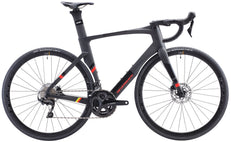
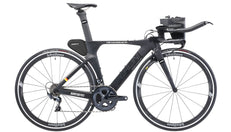
Time trial and aero bikes are designed to help cyclists travel faster by reducing aerodynamic drag and improving efficiency at higher speeds. Time trial bikes focus on racing against the clock, while aero road bikes balance aerodynamic performance with the handling needed for road racing and fast group rides.
How Aerodynamics Improve Cycling Speed
At higher speeds, air resistance becomes a major factor affecting how much effort a cyclist needs to maintain pace. Aerodynamic frame shapes, integrated components, and a streamlined riding position help reduce drag, allowing more of the rider's power to contribute to forward movement.
Is a Time Trial Bike Right for You?
A time trial bike can suit cyclists who regularly compete in individual time trials, pursue personal bests, or want to improve sustained speed on relatively straight routes. However, its specialised geometry and low riding position may require practice, so riders should consider their experience, flexibility, and ability to maintain an aerodynamic posture comfortably.
Racing Against the Clock
Time trial racing focuses on completing a set distance as quickly as possible, without relying on the drafting benefits of riding behind other cyclists. A dedicated time trial bike supports this goal through aerodynamic design, specialised handlebars, and a forward-focused riding position that helps reduce wind resistance.
Training for Triathlons
Time trial-style bikes can also support triathlon training, where maintaining an efficient cycling pace is important before the running stage. A sustainable riding position, appropriate gearing, and well-adjusted cockpit help riders maintain control and power output over longer distances without unnecessary discomfort.
Key Features to Consider When Choosing an Aero Bike
Frame design, riding position, adjustability, wheel selection, gearing, and braking performance all influence an aero bike's suitability. Rather than focusing only on aerodynamic appearance, riders should consider how the bike fits their body, the terrain they ride, and the pace they intend to maintain.
Frame Design and Aerodynamic Efficiency
Aero frames often use shaped tubes and carefully integrated components to help manage airflow around the bicycle. Frame stiffness and weight also affect acceleration, climbing, and handling, so the best design balances aerodynamic efficiency with practical performance for the intended riding conditions.
Fit and Riding Position
A low, streamlined position can reduce drag, but only when the rider can maintain it without compromising control or pedalling power. Adjustable handlebars, armrests, saddle position, and cockpit components help establish a suitable fit, making a professional bike fitting useful for competitive riders.
Wheels, Gearing, and Components
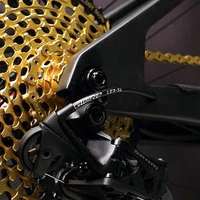
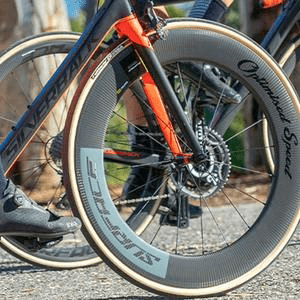
Wheel depth, tyre choice, gearing, and shifting performance can influence speed and handling. Deeper-section wheels may improve aerodynamic efficiency in suitable conditions, while an appropriate gear range helps maintain a steady cadence on both flat sections and rolling terrain. Component choices should also account for crosswinds, braking, and the course profile.
Time Trial Bikes vs Aero Road Bikes
Time trial bikes prioritise straight-line speed and typically use specialised aero bars and a more aggressive riding position. Aero road bikes combine aerodynamic features with conventional road-bike handling, making them more versatile for cornering, climbing, group rides, and varied routes.
Time Trial Bikes vs Triathlon Bikes
Time trial bikes and triathlon bikes share aerodynamic designs, but their intended uses can differ. Time trial models built for regulated competition may need to meet specific racing rules, while triathlon bikes may offer different frame geometry and integrated storage for hydration and nutrition. Riders should check the regulations of their intended events before choosing a bike.
Can Beginners Ride Time Trial or Aero Bikes?
Beginners can ride aero bikes, but a conventional road bike may be easier to handle while developing cycling skills and confidence. Time trial bikes require additional attention to fit, balance, braking, and riding position, so new riders should prioritise control and comfort before adopting a highly aerodynamic setup.
Choosing Between Speed and Everyday Versatility
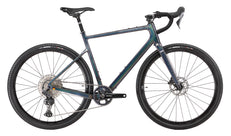
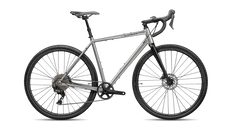
A dedicated time trial bike is most suitable for riders whose main goal is achieving fast times on specific courses. Those who want one bike for training, climbing, long-distance outings, and group rides may prefer a more versatile option from the wider range of road bikes, where handling and comfort can be balanced with aerodynamic performance.
How to Find the Right Time Trial or Aero Bike
Start by identifying your main riding goals, typical routes, and competition requirements. Compare frame geometry, fit adjustments, gearing, wheel compatibility, and overall handling to find a setup that supports your performance goals while remaining comfortable and predictable throughout each ride.


 150/145mm Travel
 29" x 2.5" Wheels
 1x12 Speed SRAM AXS
 EP-801 Shimano Motor
 85Nm Torque
 720Wh Battery
 from 20.9kg