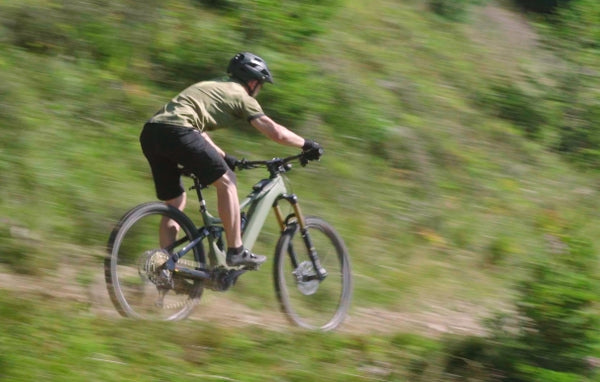
Hardtail Mountain Bikes

THE SILVERBACK HARDTAIL MTB SYSTEM

Simple Design. Trail-Ready Performance.

A hardtail mountain bike combines front suspension with a rigid rear frame, delivering a direct and efficient riding feel. Whether you're exploring forest paths, building your fitness or taking on cross-country trails, Silverback hardtail MTBs offer a versatile starting point for your next ride.

Superspeed CF SX

Hardtail | Cross Country | Carbon

  • ★★★★★
    ★★★★★
  • 100mm Travel
  • 29" x 2.25" Wheels
  • 1x12 Speed SRAM
  • 11.77kg

  • €1.899,00

Sola 1

Hardtail

  • ★★★★★
    ★★★★★
  • €999,00

SE:Series 12 (New Gen)

Hardtail | Trail | Alloy

  • ★★★★★
    ★★★★★
  • 120mm Travel
  • 29" x 2.4" Wheels
  • 1x12 Speed Shimano
  • 16.5kg

  • €1.150,00

SE:Series 10 (New Gen)

Hardtail | Trail | Alloy

  • ★★★★★
    ★★★★★
  • 120mm Travel
  • 29" x 2.4" Wheels
  • 1x10 Speed Shimano
  • 16.5kg

  • €949,00

Storm SX

Hardtail | Cross Country | Carbon

  • ★★★★★
    ★★★★★
  • 100mm Travel
  • 29" x 2.25" Wheels
  • 1x12 Speed SRAM
  • 12.13kg

  • €1.299,00
graphic img

FAQs

A hardtail mountain bike has suspension at the front and a rigid rear frame without a rear shock. This design offers a direct riding feel and is popular for cross-country riding, fitness, recreational trails and a range of off-road adventures.

Yes. Hardtail mountain bikes can be a practical choice for beginners because their design is relatively simple and they offer a versatile way to learn off-road riding skills. Choose a model with a suitable frame size, manageable gearing and components that match the terrain you plan to ride.

A hardtail has front suspension and a rigid rear frame, while a full-suspension MTB has suspension at both ends. Hardtails can offer efficient pedalling and simpler maintenance, while full-suspension bikes can provide additional comfort and control on rough, technical trails.

Yes. Hardtails are suitable for many forest trails, cross-country routes, gravel paths and flowing singletrack trails. The best choice depends on the bike's geometry, suspension travel, tyres and intended use. Very rough or highly technical terrain may be better suited to a full-suspension bike.

Both wheel sizes have advantages. A 27.5-inch setup can feel more agile and responsive, while 29-inch wheels generally roll over obstacles more easily and maintain momentum well. Frame size, rider fit and the bike's geometry should also influence your decision.

Hardtails can be excellent climbing bikes because their rigid rear end provides an efficient pedalling platform. However, climbing performance also depends on the bike's weight, gearing, tyre choice, geometry and the rider's fitness.

Yes. Many hardtail MTBs can handle recreational rides, outdoor exercise, forest paths and suitable everyday routes. For frequent commuting, check whether the specific model suits your riding position and whether compatible accessories, such as mudguards or a rack, can be fitted.

Start with the manufacturer's frame-size chart and your height and inseam measurements. Consider reach, standover clearance and riding position as well. Check the sizing guidance for the specific Silverback model because sizing can vary between frames.

Consider your budget, riding terrain, frame material, suspension travel, wheel size, gearing, brakes and tyre clearance. Also check the bike's weight, maintenance needs and availability in your frame size. Choose components that fit your intended riding rather than focusing on a single specification.

Regularly clean and lubricate the drivetrain, check tyre pressure, inspect the brakes and look for loose bolts or worn components. The front suspension fork also needs maintenance according to its manufacturer's recommendations. The absence of a rear shock means one fewer suspension system to maintain compared with a full-suspension bike.

Online chat is available 24/7

Google
4.8/5
star star star star star
Sold in 49 countries

logo
logo
Banner