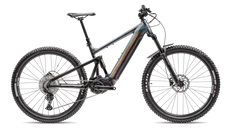
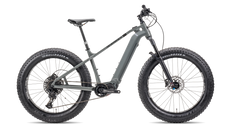
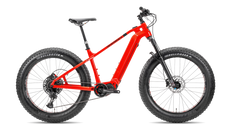
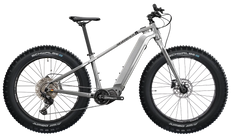
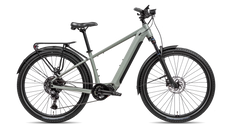
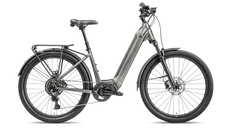
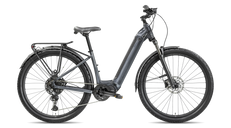
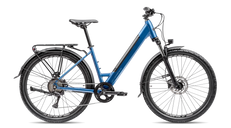
150/145mm Travel
 29" x 2.5" Wheels
 1x12 Speed SRAM AXS
 EP-801 Shimano Motor
 85Nm Torque
 720Wh Battery
 from 20.9kg
















































































After thirty years of riding, cleaning and repairing bicycles, I still return to one simple lesson: a healthy chain is a quiet, hardworking system that sends my effort to the rear wheel without waste.
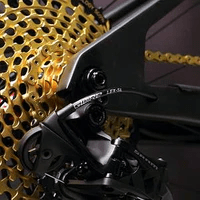
Although its links are small, the bicycle chain works with the cassette, chainrings and jockey wheels, so its condition decides how smoothly my bicycle pedals, shifts and responds on every ride.
Why Clean Your Bike Chain?
Whenever I see a noisy chain, I know dirt and old lubricant have probably turned into a gritty paste inside the links, where it quietly creates friction with every pedal stroke.
Cleaning that buildup helps me protect the chain and the rest of the drivetrain, while making gear changes feel smoother, lighter, and far more dependable over time.
What You Need to Clean a Bike Chain?
I keep the setup uncomplicated because a careful routine matters more than a crowded toolbox, and the work becomes easier when everything is within reach before I start.
Nothing here needs to be complicated or brand-specific, but each item helps me remove grime without rushing the drying and lubrication stages that actually protect the chain.
-
A bicycle-specific degreaser or chain cleaning solution.
-
A firm brush or an old toothbrush for stubborn grime.
-
Two clean, lint-free rags or old towels.
-
A bucket of warm water for gentle rinsing.
-
Fresh chain lubricant suited to my usual riding conditions.
How to Clean a Bicycle Chain? A Step-by-Step Cleaning Guide
To clean a bike chain while it is still on the bike cycle, apply a bicycle-specific degreaser to the lower run of the chain while backpedaling. Let it sit for a few minutes, scrub with a brush or toothbrush, rinse thoroughly with water, dry completely with a clean rag, and apply fresh chain lubricant.
I usually clean the chain while it stays on the bicycle because it is practical, controlled, and more than thorough enough for regular care after a dusty, wet, or muddy ride.
-
Set the bike securely: I place it in a stand or lean it safely, then shift into a middle rear gear so the chain sits in an easy position to clean.
-
Apply the cleaner: I work the cleaning solution onto the lower section of the chain while backpedaling slowly, allowing it to reach the rollers and side plates.
-
Give it a moment: I let the cleaner work for two or three minutes, which loosens the old oil and grit instead of forcing me to scrub aggressively.
-
Brush the moving parts: I hold the brush against the chain while turning bicycle pedals backward, then clean the cassette cogs and rear derailleur pulley wheels.
-
Rinse with care: I use a gentle flow of clean water to remove residue, because strong pressure can push water and grime into places where they do not belong.
-
Dry completely: I wrap a clean rag around the lower run of the chain and backpedal until it feels dry, since moisture left behind invites rust and weakens fresh lubrication.
You may like to read this: Bicycle Cleaning Tips: How to properly clean and polish your bicycle?
Lubricating Your Bike Chain
Once the chain is clean and dry, I backpedal and place one small drop of lubricant onto each roller, which is the centre part of every individual chain link.
Then I turn the pedals for a minute to distribute it, before wiping the outside of the chain carefully because excess lubricant only collects fresh dust and dirt.
Common Mistakes to Avoid
The most common mistake I see is treating more cleaner or more lubricant as better, when both can leave behind residue that attracts grit and makes the next clean harder.
I also avoid high-pressure water, harsh household chemicals, and rushed drying, because a chain should be clean inside the links but never soaked in unnecessary moisture.
-
Spraying lubricant over a dirty chain.
-
Leaving excess oil on the chain exterior.
-
Ignoring the cassette and jockey wheels.
-
Using high-pressure water near moving parts.
Important Tips to Remember
I check the chain after every wet, muddy or particularly dusty ride, because catching grime early takes only minutes and saves a much longer cleaning job later.
For dry road riding, I usually listen first: a chain that starts sounding dry, gritty or noisy is often telling me exactly what it needs before shifting performance suffers.
Common FAQs
Why do bike chains need regular cleaning?
Regular cleaning removes the gritty paste formed when old lubricant meets dust, wet soil and road dirt, which I treat as an abrasive rather than harmless cosmetic grime. Left alone, that paste wears the rollers, cassette and chainrings, gradually making every shift rougher and every pedal stroke less efficient.
How often should you clean your bike chain?
After wet or muddy rides, I clean the chain as soon as practical because moisture and grit settle into the links quickly and can begin causing corrosion. In dry conditions, I inspect it regularly and clean it when it looks dirty, feels gritty or starts making more noise than usual.
Should the chain be removed prior to cleaning?
For everyday maintenance, I leave the chain on the bicycle because it is quicker, safer and still allows me to clean the rollers and outer plates properly. I only remove a chain for a deep clean when I am comfortable refitting it correctly and can inspect it for wear at the same time.
What is the best method for cleaning a bike chain?
The best method is the one I can repeat consistently: apply cleaner, brush the chain while backpedaling, rinse gently, dry fully, and lubricate sparingly. A simple routine done regularly is far more useful than an elaborate cleaning session that I postpone until the drivetrain is heavily caked with grime.
How does a chain scrubber work?
A chain scrubber holds cleaning solution around the chain, while internal brushes rotate against the links as I turn the pedals backward through the tool. It can make regular cleaning neater and quicker, but I still wipe and dry the chain thoroughly before applying fresh lubricant.
Can I use soapy water to clean a bike chain?
I use warm, lightly soapy water for surface dirt and gentle rinsing, particularly when the chain only needs a routine refresh rather than a deep clean. For thick black buildup, I prefer a chain cleaner first, then I dry the chain completely so the new lubricant can do its job.
How to clean bike chain without removing it?
I secure the bicycle, work on the lower run of the chain, and turn the pedals backward by hand, which keeps my fingers away from the chainrings. This approach lets me clean, rinse, dry and lubricate the chain at home without disturbing the drivetrain or needing extra mechanical work.
How to clean your bike chain at home?
At home, I use a brush, rags, warm water, and chain cleaner in a well-ventilated spot, keeping the water flow gentle and controlled. The key is patience at the drying stage, because a clean chain that remains damp will not stay clean or protected for long.
How do you remove rust from a bike chain?
For light surface rust, I brush the chain carefully, clean away the residue, dry it completely, and apply lubricant to help restore smooth movement. If rust is deep, the links feel stiff, or the chain has visible damage, I replace it because safety and reliable shifting matter more than saving one worn part.
Conclusion
A clean bike chain is one of the simplest pieces of bicycle maintenance I know, yet it can transform a ride through quieter pedalling, smoother shifting and less wasted effort.
I keep the job regular, gentle and unhurried: remove the grime, dry every link, lubricate lightly and let the bicycle reward that attention on the next ride.
Over the years, I have found that consistency matters more than perfection, because a few careful minutes after demanding rides can prevent expensive drivetrain wear later.