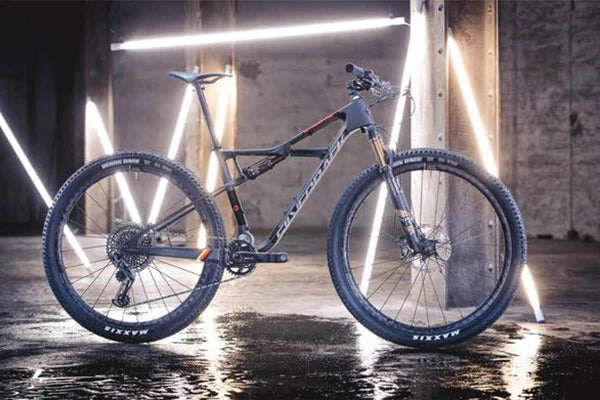
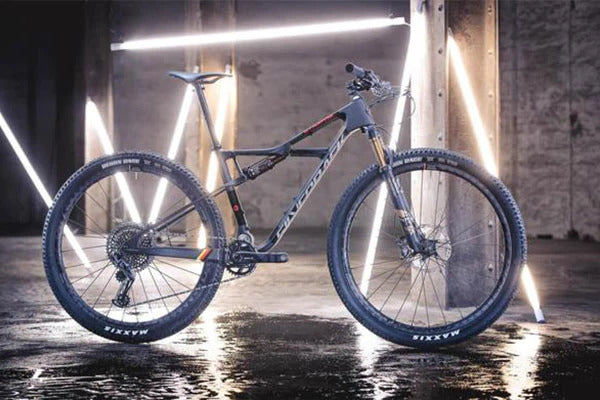
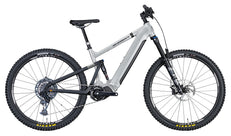
150/145mm Travel
 29" x 2.5" Wheels
 1x12 Speed SRAM AXS
 EP-801 Shimano Motor
 85Nm Torque
 720Wh Battery
 from 20.9kg

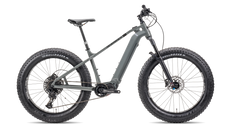
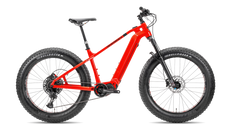

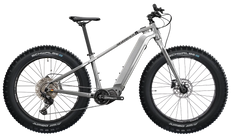

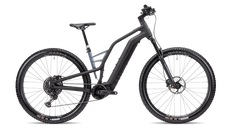
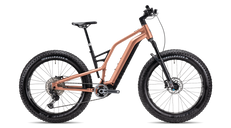
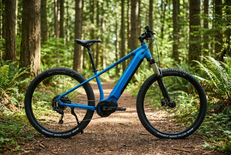
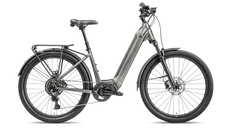
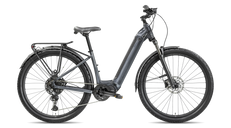
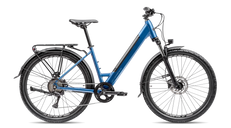
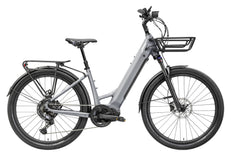
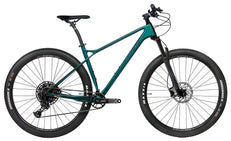
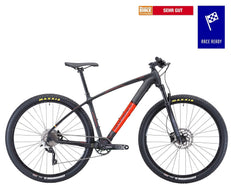
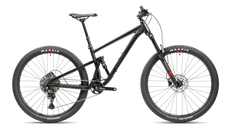
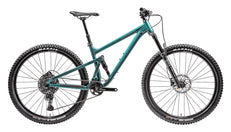
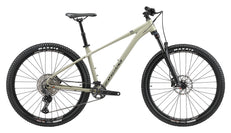
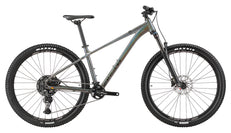
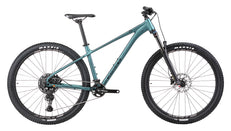
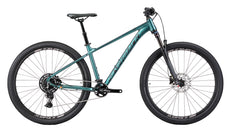

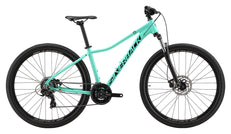
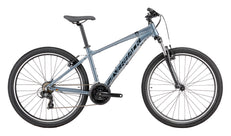
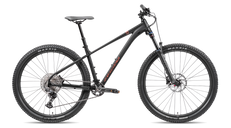
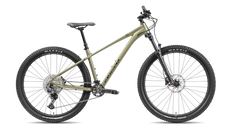
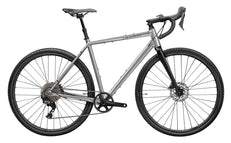
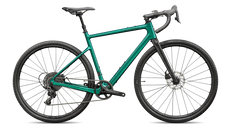
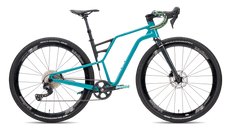
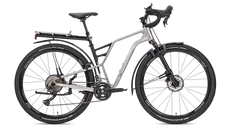
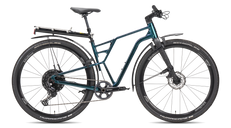
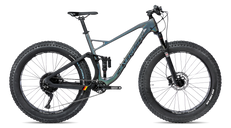
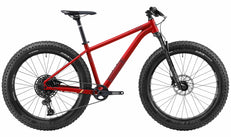
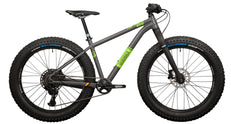
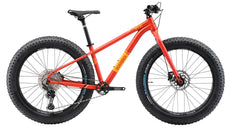
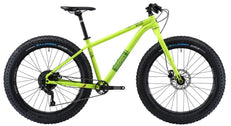
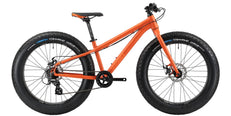
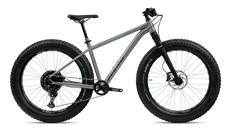
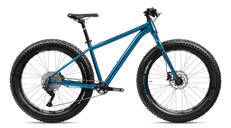
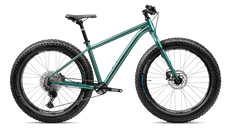



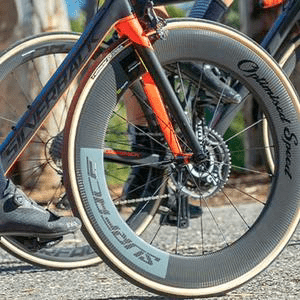


A fat bike needs more than wide tyres. On an electric fatbike, the motor, crank arms, chainring and unusually wide rear end must work together without compromising pedalling clearance or drivetrain alignment. If you are searching for a fat bike crank replacement, the useful question is not simply “Will it bolt on?” It is “Will this entire setup fit my motor, frame and chainline?” Here is why Silverback developed its own crank and what to check before buying.
Why a standard e-bike crank may not suit a fat bike
A wide rear hub and tyre can demand a different chainline and pedal stance from a conventional e-MTB. A crank that fits the motor interface may still position the chainring poorly, crowd the chainstay or place your feet uncomfortably close to the frame. Conversely, pushing the drivetrain outward without checking the rear sprockets can increase chain angle and wear. The correct answer is a matched system, not a universal promise of compatibility.
Silverback developed its fat e-bike crankset to address those fit questions on its wide-stance builds. Explore the Fat Bikes collection for the broader bike range, or see the SilverRider Fat as a current electric-fat-bike example. Those links are for context, not a guarantee that this crank fits every bike shown.
Silverback’s approach to the fat bike crank

Motor fit is only the first checkpoint
The original design brief names Shimano E6100, E7000, E8000, EP6, EP8 and EP801 motor families, a 170 mm arm length, 234 mm Q-factor and 75.6 mm chainline for a 197 mm rear-hub arrangement. Treat those as design specifications to confirm against the exact product version and your frame before ordering. Motor generation, spindle interface, chainring offset and frame clearance must all be checked together; do not assume that a matching motor name alone proves fit.
The original brief also describes aluminium 6061-T6 crank arms and spider, a 7075-T6 chainring, and 36T or 38T 104 mm BCD narrow-wide options. For the currently listed configuration and ordering details, use the Silverback Fat E-Bike Crankset product page rather than relying on an older launch specification. Ask your workshop to confirm the correct fixing hardware and installation torque for your exact model.
Why clearance and serviceability matter
When a fat bike is loaded for a winter ride, small drivetrain mismatches become harder to ignore: chain rub, heel or tyre clearance issues, and noisy shifting all cost confidence. Replaceable parts and an accessible chainring mount can make maintenance simpler. A guard can help keep clothing away from the chain, but it does not replace careful installation or routine inspection. Browse Fat Bike Fenders if spray control is also on your fat bike accessories checklist.
Comparison: which crank route makes sense?
| Option | Best reason to choose it | Fit check before purchase |
|---|---|---|
| Existing OEM crank | Keep a working, approved setup | Inspect wear, clearance and replacement-part support |
| Generic motor-compatible crank | Replace arms on a standard-width build | Verify Q-factor, chainline, frame clearance and chainring mount |
| Dedicated fat e-bike crank | Address a wide rear end and intended drivetrain layout | Verify motor interface, hub width, chainline and frame-specific clearance |
This is a fit comparison, not a claim that every conventional crank fails. The best choice is the one your mechanic can verify on your particular bike. For more models to compare, browse the SE:Series Fat collection and the SE:Series Fat Deluxe #2; check their individual drivetrains before assuming shared parts.
Buying advice: five checks before ordering
- Identify the motor precisely. Record its model and generation, then compare the required crank interface with the product listing.
- Measure the current setup. Note crank length, chainline, Q-factor and rear-hub spacing; do not substitute tyre width for a frame measurement.
- Check clearance. Ask a qualified mechanic to confirm crank-to-chainstay, heel-to-frame and chainring-to-frame space through the drivetrain’s normal operating range.
- Match the gearing. Confirm chainring tooth count, mount, chain compatibility and the position of the rear cassette. A larger ring may not clear the frame.
- Plan for maintenance. Confirm bolts, guards and replacement chainrings are available for the chosen configuration, and use the manufacturer’s current installation instructions.
Not sure whether an e-fatbike is right for your riding? Read Electric vs Non-Electric Fat Bikes. For broader setup choices see Fat Bike for Sand, Snow or Trail?, and for useful additions beyond the drivetrain see Fatbike Accessories. A practical ownership perspective is in the SilverRider Fat review.
FAQ: fat e-bike crank questions
Will this crank fit any Shimano-powered fatbike?
No fit should be assumed from the motor brand alone. Check the exact motor interface, frame clearance, Q-factor, chainline and mounting hardware against the current listing and your bicycle.
What is Q-factor on a fat bike?
It is the distance between the outer faces of the crank arms at the pedal mounting points. A wider stance can provide room around a wide frame, but it also changes how the bike feels underfoot.
Can I use a 38T ring instead of a 36T?
Only if the relevant ring mount, chain and frame clearance allow it. The extra teeth change gearing and may alter clearance; have the setup checked before swapping.
Is a chainguard a substitute for drivetrain maintenance?
No. A guard can help protect clothing, but cleaning, wear checks and properly secured components remain essential.
Bottom line: Choose a fat bike crank by verified system fit, not by a single motor name or marketing claim. If your wide-frame e-bike needs a different pedal stance or chainline, compare the actual measurements with Silverback’s current crankset specification and have a qualified workshop confirm the installation.