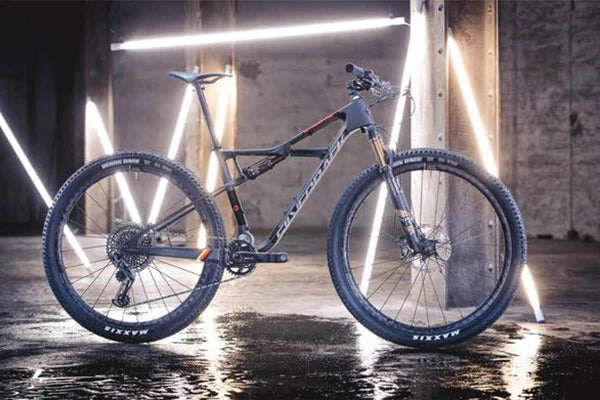
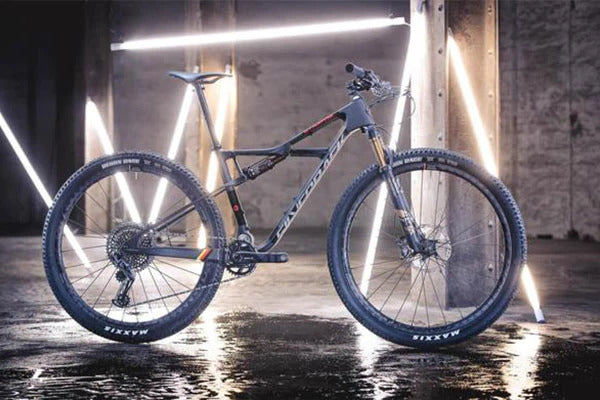
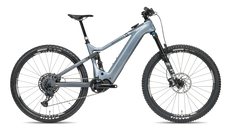
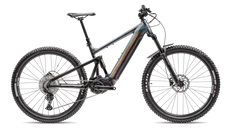
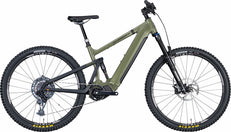
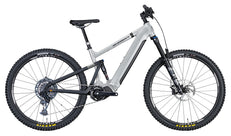
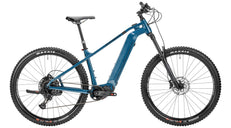
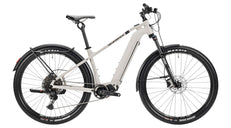
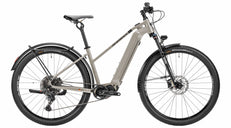
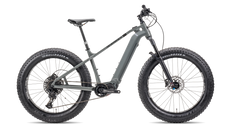
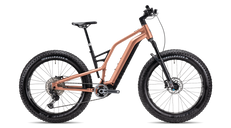
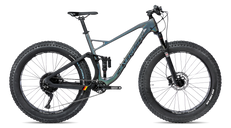
150/145mm Travel
 29" x 2.5" Wheels
 1x12 Speed SRAM AXS
 EP-801 Shimano Motor
 85Nm Torque
 720Wh Battery
 from 20.9kg
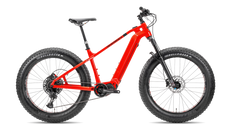

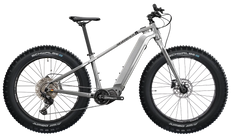

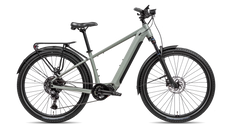
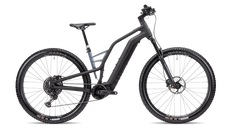
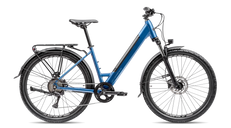
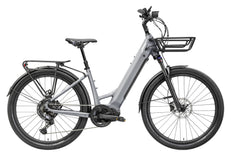
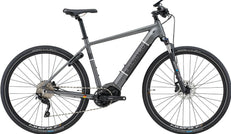
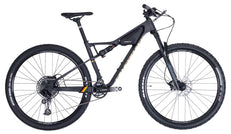
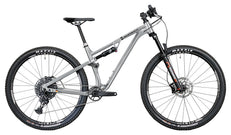
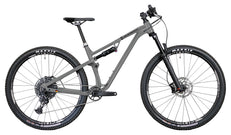
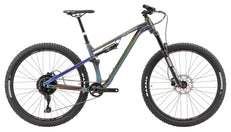
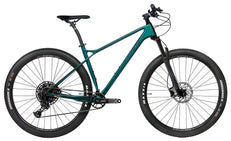
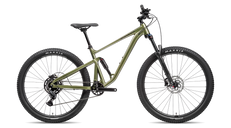
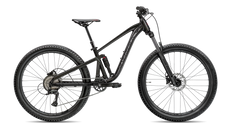
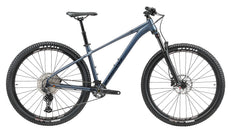
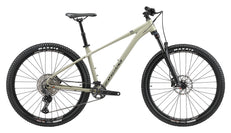
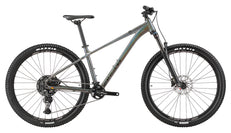
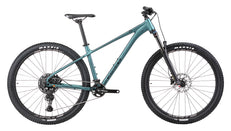
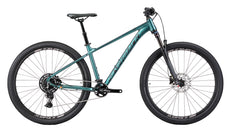
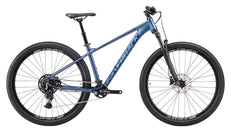
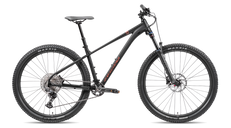
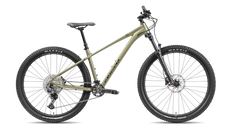
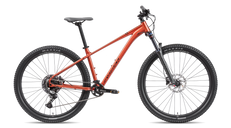
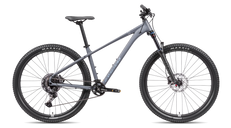
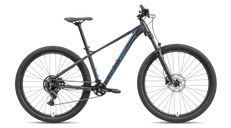
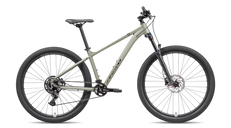
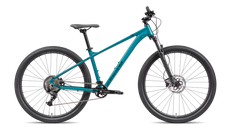
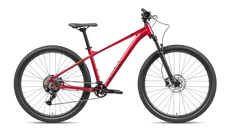
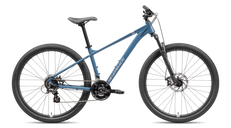
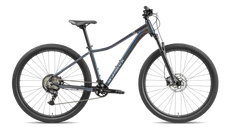
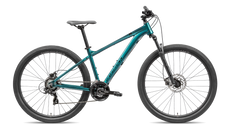
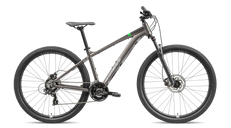
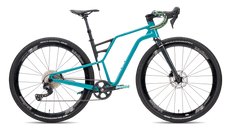
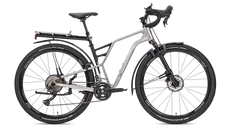
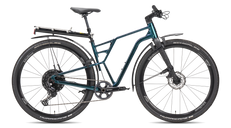
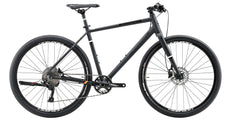
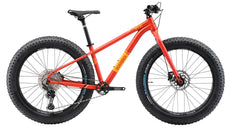
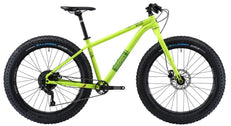
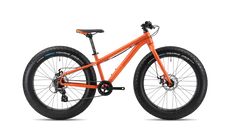
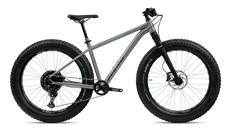
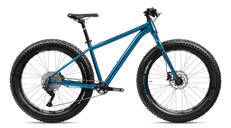
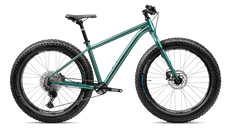




Electric vs Non-Electric Fat Bikes: Which Is Right for You?
Fat bikes have taken the cycling world by storm, offering unmatched versatility across snow, sand, mud, and gravel. But as the category has matured, a new question has emerged for prospective buyers: should you go electric or stick with a traditional non-electric fat bike? Both options have compelling advantages, and the right choice depends entirely on how and where you ride.
In this guide, we compare electric and non-electric fat bikes across every key dimension — weight, cost, performance, maintenance, and terrain capability — so you can make the most informed decision possible.
What Is an Electric Fat Bike?
An electric fat bike (or e-fat bike) combines the oversized tires and all-terrain capability of a traditional fat bike with a pedal-assist motor system. The motor — typically a mid-drive unit like the Shimano EP8 or EP6 — amplifies your pedalling effort, making climbs easier, extending your range, and allowing you to ride longer and harder without exhausting yourself.
Silverback has developed purpose-built drivetrain components specifically for e-fat bikes, including the Silverback fat e-bike crankset and the Surface Fat Bike crank arms for EP8, engineered to handle the high torque demands of electric fat bike riding.
Key Differences: Electric vs Non-Electric Fat Bikes
1. Weight
This is the most significant practical difference. A non-electric fat bike typically weighs between 13–18 kg depending on frame material and components. An e-fat bike, with its motor, battery, and reinforced frame, typically weighs 22–28 kg or more.
For most trail riding and bikepacking, this weight difference is offset by the motor assistance. However, if you need to carry your bike — up stairs, onto public transport, or over obstacles — the extra weight of an e-fat bike becomes a real consideration. For bikepacking adventures, the motor assistance often more than compensates for the added weight.
2. Cost
Electric fat bikes carry a significant price premium over their non-electric counterparts. A quality non-electric fat bike starts from around €1,500–€3,000, while a well-specced e-fat bike typically starts from €3,500 and can exceed €7,000 for premium builds. You'll also need to factor in battery replacement costs over time.
That said, for riders who use their fat bike as a primary vehicle for commuting or adventure touring, the investment in an e-fat bike often pays off in terms of utility and enjoyment. Browse the full Silverback fat bike range to compare options across price points.
3. Range and Endurance
Non-electric fat bikes are limited only by your fitness and stamina. For experienced riders, this is a feature — the physical challenge is part of the appeal. For riders who want to cover more ground, tackle bigger climbs, or ride with mixed-ability groups, the motor assistance of an e-fat bike is transformative.
Most e-fat bikes offer a range of 60–120 km per charge depending on assist level, terrain, and rider weight. This makes them ideal for long-distance bikepacking routes and all-day adventures.
4. Terrain Performance
Both electric and non-electric fat bikes excel on the same terrain — snow, sand, mud, and loose gravel. The fundamental advantage of fat bike tires applies equally to both. However, the motor assistance of an e-fat bike makes steep, technical climbs significantly more accessible.
For winter riding in deep snow, the extra torque of an e-fat bike can be a genuine advantage, helping you power through heavy, wet snow that would exhaust a non-electric rider. Similarly, on sandy terrain, the motor helps maintain momentum through soft sections.
5. Maintenance
Non-electric fat bikes are mechanically simpler and easier to maintain. The drivetrain components are standard, and any competent bike mechanic can service them. E-fat bikes add complexity — the motor, battery, display, and wiring all require specialist knowledge and, eventually, replacement.
Silverback's purpose-built components like the Surface Fat Bike chainring for EP8 and Surface Fat Bike crank bolts for EP8 are designed for durability and ease of service, minimising long-term maintenance headaches.
6. Riding Experience
This is perhaps the most subjective difference. Non-electric fat bike riders often describe a purer, more connected riding experience — every climb earned, every descent deserved. Electric fat bike riders describe a liberating feeling of being able to go further, faster, and with more confidence on technical terrain.
Neither experience is superior — they're simply different. The best way to decide is to try both.
Who Should Choose a Non-Electric Fat Bike?
- Riders who prioritise fitness and the physical challenge of cycling
- Those on a tighter budget who want maximum value
- Riders who need a lighter bike for carrying or transport
- Purists who prefer mechanical simplicity and lower maintenance
- Those riding primarily on groomed trails or moderate terrain
A non-electric fat bike is also an excellent choice for beginners exploring fat biking for the first time, as it allows you to develop skills and understand the category before committing to a higher-cost electric model.
Who Should Choose an Electric Fat Bike?
- Riders who want to cover more ground with less fatigue
- Those tackling steep climbs or challenging terrain regularly
- Mixed-ability groups where one rider needs assistance to keep pace
- Commuters using their fat bike as a primary vehicle year-round
- Adventure riders planning long-distance bikepacking expeditions
For winter riding, an e-fat bike is particularly compelling — the motor assistance helps you power through heavy snow and maintain momentum on icy surfaces where fatigue would otherwise force you to stop.
Essential Components for Both Types
Regardless of whether you choose electric or non-electric, the right components make a significant difference to your riding experience:
- Tires: The VEE Bulldozer Fat 4.7" Tyre is a versatile all-season choice for both bike types.
- Fenders: The Speedkit Fender Set for Fat Bikes keeps mud and snow off your drivetrain.
- Suspension Fork: The Wren Inverted Fat Bike Suspension Fork adds 110mm of travel for more technical terrain.
- Racks: The Silverback Fat Bike Rack is compatible with both electric and non-electric fat bike frames.
The Silverback Verdict
At Silverback Bikes, we build and ride both electric and non-electric fat bikes. Our view is simple: the best fat bike is the one that gets you out riding more. If an electric motor removes barriers — whether that's fitness, terrain difficulty, or distance — then an e-fat bike is the right choice. If you want the purest fat bike experience and the satisfaction of every climb earned under your own power, a non-electric fat bike delivers that in spades.
Explore our complete fat bike collection and find the model that matches your riding ambitions.
Conclusion
Electric and non-electric fat bikes each offer a compelling riding experience. The choice comes down to your budget, fitness goals, terrain, and how you plan to use the bike. Whatever you choose, the fat bike's core promise — the freedom to ride anywhere, in any season — remains the same.
Ready to find your perfect fat bike? Browse the Silverback fat bike range or read our guide on why fat bikes are worth choosing.