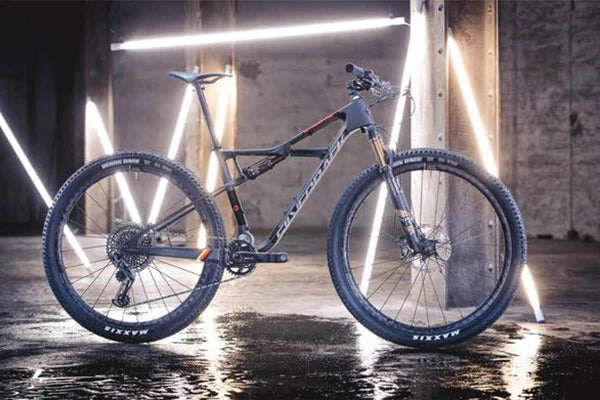
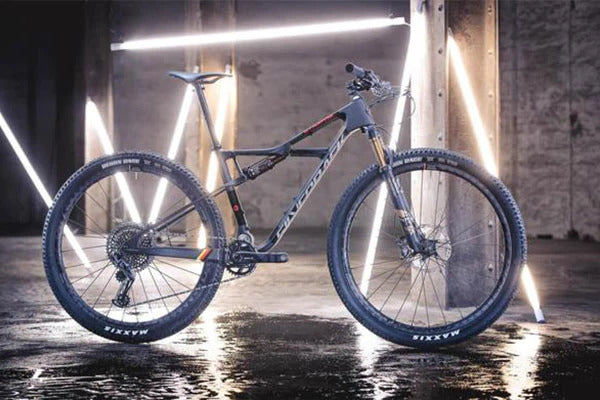
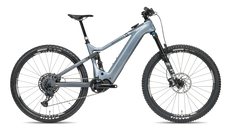
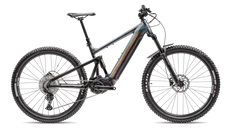
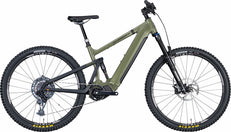
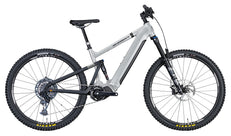
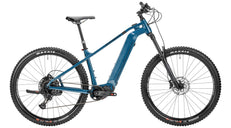
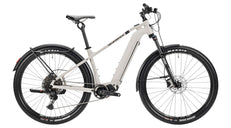
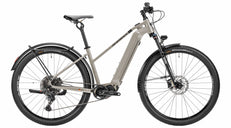
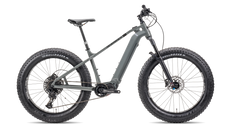
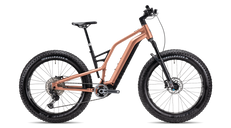
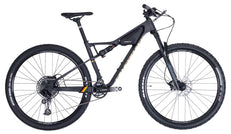
150/145mm Travel
 29" x 2.5" Wheels
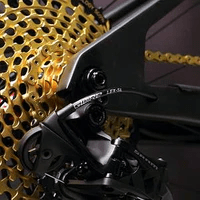
 1x12 Speed SRAM AXS
 EP-801 Shimano Motor
 85Nm Torque
 720Wh Battery
 from 20.9kg
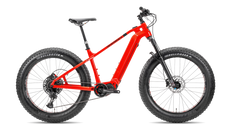

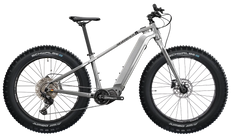

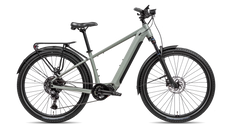
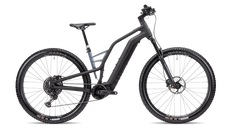
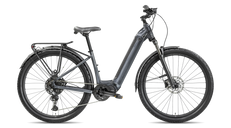
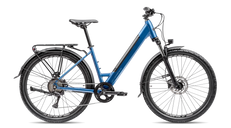
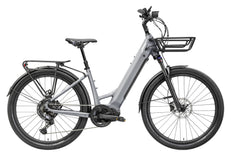
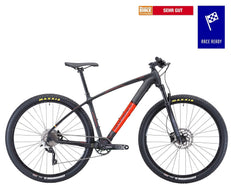
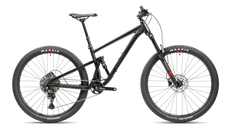
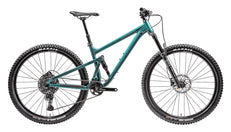
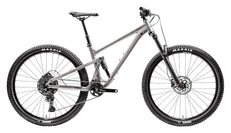
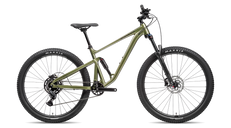
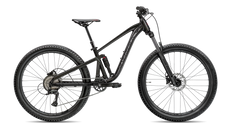
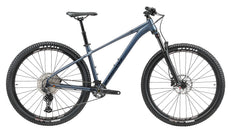
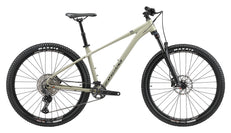
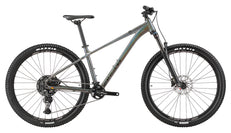
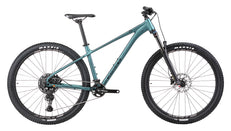
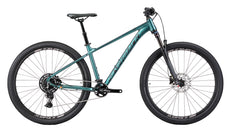
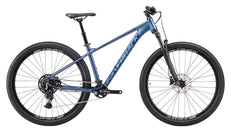

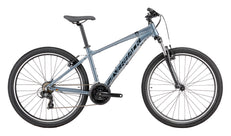
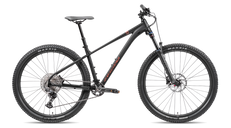
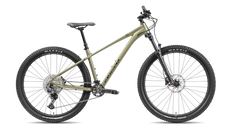
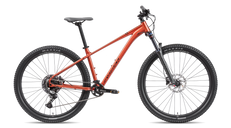
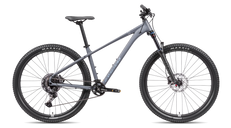
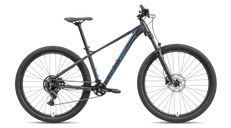
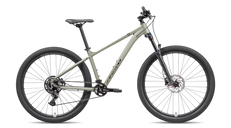
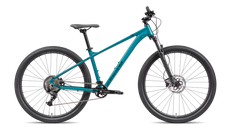
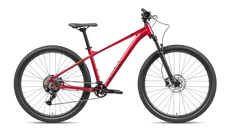
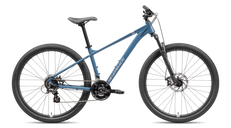
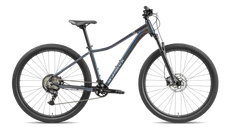
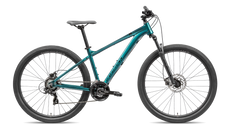
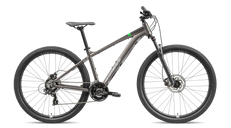
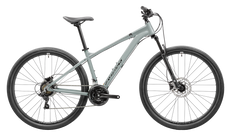
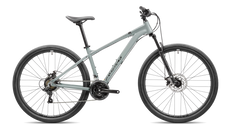
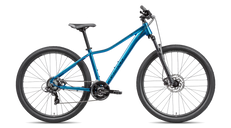
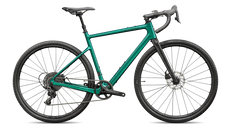
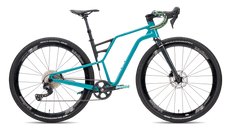
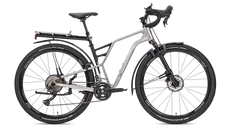
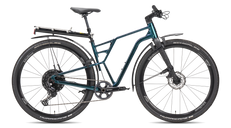
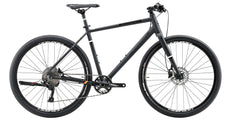
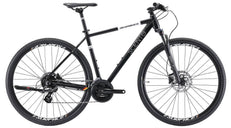
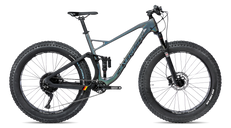
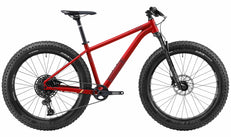
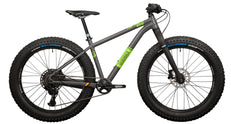
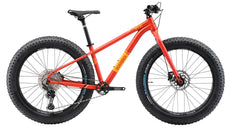
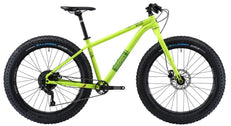
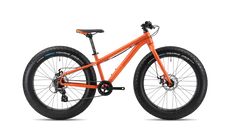
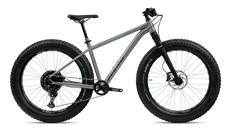
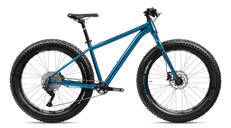
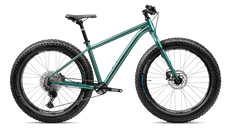
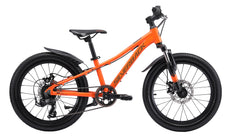
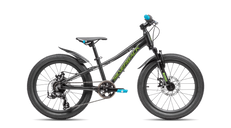
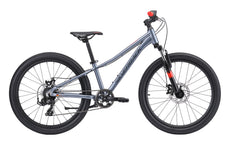
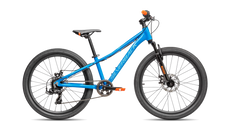
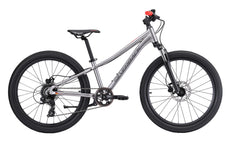
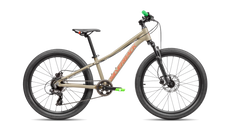
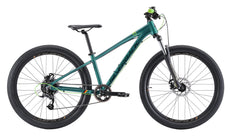
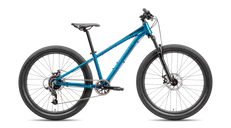
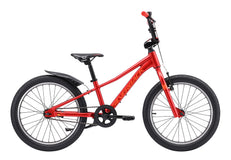
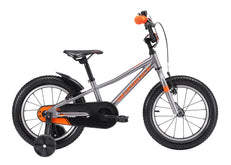
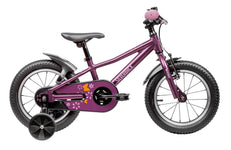
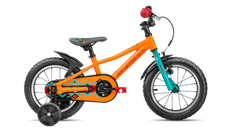
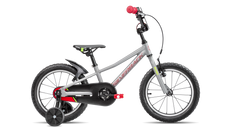





A fat bike can commute, but check the whole journey
A fat bike may suit a commute that includes rough tracks, yielding surfaces or frequent poor-weather riding. It can also be more bike than you need for a smooth, sheltered urban route. The right decision depends on the entire journey, including where you keep the bicycle at both ends.
Think beyond the riding section. Narrow stands, stairs, indoor storage and public-transport arrangements can be decisive. A bike that feels reassuring on a track may become inconvenient if you must carry it upstairs twice a day. Measure storage and test handling before ordering.
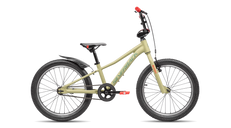
The hero shows a black-and-lime S-Electro Fat for illustration. Its listing is currently a draft; the image does not indicate current availability or certify it for public-road use. Compare current options in the Fat Bikes & E-Fat Bikes collection.
Match the bike to the route
Mixed surfaces and changing weather
If your commute includes rough paths or winter sections, consider tyre construction and the scope for pressure adjustment. Wide tyres do not automatically provide ice grip, and a setup optimised for soft ground may feel different on pavement. Choose a compromise that remains controlled across the whole route.
For a predominantly paved commute, compare the actual tread, riding position and practical equipment. Do not assume a fat bike will be faster or slower based only on width. The complete tyre, pressure, load and route determine the experience.
Electric versus non-electric effort
Electric assistance can be useful where climbs, headwinds or luggage make the journey demanding. It also introduces charging and battery-care routines. A non-electric bike avoids those logistics but relies entirely on your effort. Consider the return journey after a long workday, not just a fresh weekend test ride.
The SilverRider Fat listing specifies a removable 820 Wh battery, while S-Electro Diamond Fat Explorer (Red) specifies 720 Wh. Neither guarantees a number of commuting days between charges. Start with your route and measured usage, then leave a margin for difficult weather. Our E-Fat Bike Range and 820 Wh Batteries guide explains the distinction between capacity and distance.
Compare everyday ownership demands
| Commuting factor | What to check | Why it matters |
|---|---|---|
| Parking | Stand width and secure locking points | Daily convenience and security |
| Storage | Doorways, stairs and lifting | Handling away from the road |
| Luggage | Approved mounts and load limits | Stable transport of work equipment |
| Weather | Lights, guards and tyre suitability | Comfort and visibility |
| Electric system | Charging access and instructions | Reliable daily use |
Equip the bike without creating new problems
Luggage and weather protection
Choose bags or a rack only after confirming mounting compatibility and load limits. A laptop bag should be secured so it cannot move into the wheel or affect steering. Test heel clearance and check whether luggage obstructs a light, cable or battery-removal path.
Mudguards can improve a wet commute, but they need appropriate tyre clearance and secure mounting. Review the complete lighting arrangement and applicable road-use requirements. The SilverRider listing's integrated rear-stay lights are a feature, not proof that every aspect of a particular commuting setup is complete. Use Fat Bike Accessories: What to Buy First to prioritise equipment, then check dimensions in the Fat Bike Accessories collection.
Plan for punctures and maintenance
Carry repair equipment matched to your tyre system and practise using it. Check whether you can remove a wheel with the tools you carry. Keep a realistic alternative for the days when a mechanical issue, ice or illness makes cycling impractical. For replacement research, inspect the dimensions of the Vee Tire Bulldozer tyre and tube combo, without assuming it fits every bicycle.
Regular commuting exposes a bike to repeated contamination. After wet or salty rides, clean and dry it according to the manufacturer's instructions. Inspect brake function, tyre condition and drivetrain wear rather than waiting for an obvious breakdown. Reliability comes from a routine, not simply from buying a more expensive model.
Buying advice
Test the actual commute if possible, including parking and carrying the bike. Choose fit first, then the equipment that solves your route's problems. Compare non-electric options such as SE:Series Fat Deluxe #2, SE:Series Fat Adventure #2 and SE:Series Fat Explorer, checking their different listed drivetrains and forks. Electric models add assistance and battery logistics. Compare those trade-offs against what you will do every working day.
For public-road use in Germany, verify the exact model's classification and equipment against current requirements before riding. Do not infer suitability from a product name, a photograph or the fact that another rider uses a similar bicycle for commuting.
FAQ
Is a fat bike a good city bike?
It can be, but storage, tyre choice and practical equipment may matter more than the format itself.
Can I fit any rack to it?
No. Confirm frame compatibility, clearances and permitted loads before choosing luggage equipment.
Should I choose the largest battery?
Choose sufficient capacity for your routine with a sensible margin. Handling, fit and convenient charging are also important.