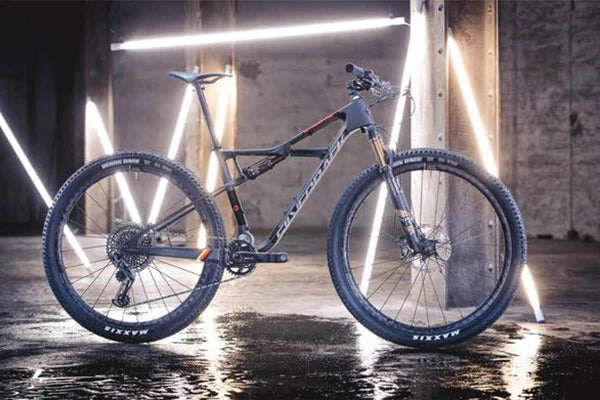
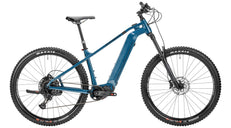
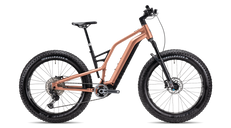
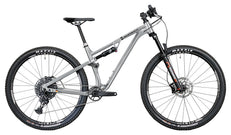
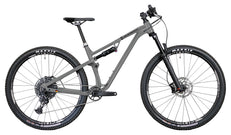
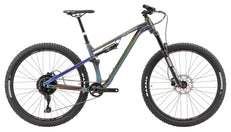
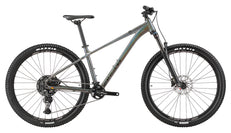
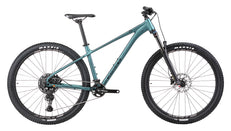
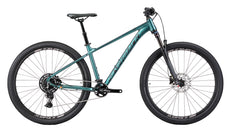
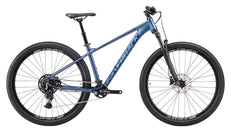
150/145mm Travel
 29" x 2.5" Wheels
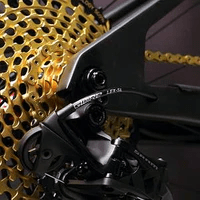
 1x12 Speed SRAM AXS
 EP-801 Shimano Motor
 85Nm Torque
 720Wh Battery
 from 20.9kg
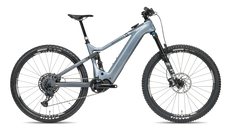
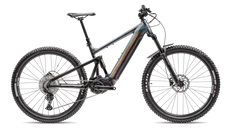
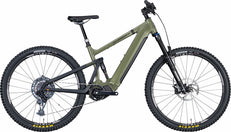
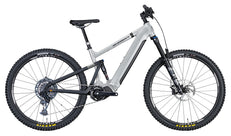
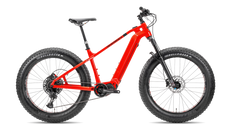

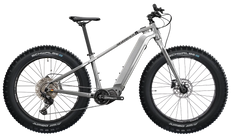

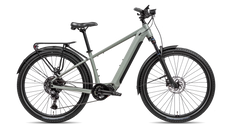
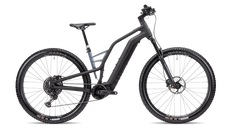
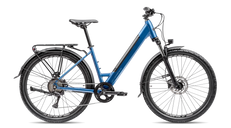
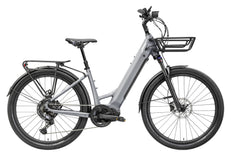
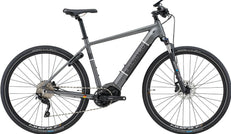
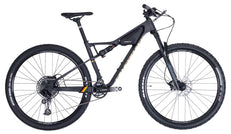
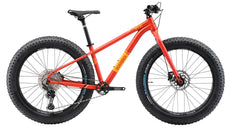
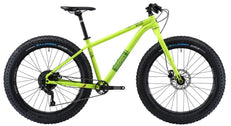
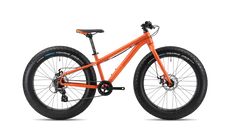
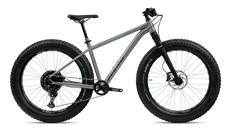




Bosch vs Shimano: Which E-Bike Motor is Right for You?
When it comes to e-bike motors, two names dominate the market: Bosch and Shimano. Both are engineering giants with decades of experience, and both produce mid-drive motor systems that power some of the world's best electric bikes. But they take very different approaches to motor design, ride feel, and ecosystem integration — and the right choice depends heavily on how and where you ride.
In this guide, we compare Bosch and Shimano e-bike motors across every key dimension: torque, weight, range, ride feel, app integration, component compatibility, and long-term reliability. Whether you're choosing your first electric bike or upgrading your existing setup, this comparison will help you make the right decision.
The Contenders: Bosch vs Shimano at a Glance
Bosch Performance Line CX (Gen 5)
Bosch's flagship mountain bike motor delivers 85 Nm of torque and up to 340% assist. It's the most widely used performance e-MTB motor in the world, found on bikes from Trek, Specialized, Giant, and hundreds of other brands. The Gen 5 CX is significantly lighter and quieter than its predecessors, and Bosch's eMTB mode — which automatically adjusts assist based on terrain — is widely regarded as one of the best automatic assist modes available.
Shimano EP8 (EP801)
Shimano's EP8 delivers 85 Nm of torque — matching Bosch — but in a significantly lighter and more compact package. The EP8 weighs just 2.6 kg, making it one of the lightest performance e-MTB motors available. Shimano's motor is used across Silverback's S-Electro range and is renowned for its natural, seamless power delivery that closely mimics the feel of riding a non-electric bike.
Torque and Power: How Do They Compare?
Peak Torque
Both the Bosch Performance Line CX and Shimano EP8 deliver 85 Nm of peak torque — enough for the steepest climbs and most demanding terrain. On paper, they're equal. In practice, the way that torque is delivered differs significantly between the two systems, which has a major impact on ride feel.
Power Delivery Character
Bosch's motor is known for its immediate, punchy power delivery. When you push hard on the pedals, the Bosch responds instantly and aggressively — a characteristic that many riders love for technical climbing and sprint sections. Shimano's EP8 takes a smoother, more progressive approach. The power builds more gradually, which many riders find more natural and less fatiguing over long rides. For bikepacking and endurance riding, Shimano's smoother delivery is often preferred.
Weight: A Significant Difference
Weight is one of the most significant practical differences between the two systems. The Shimano EP8 weighs 2.6 kg — making it one of the lightest performance e-MTB motors available. The Bosch Performance Line CX Gen 5 weighs 2.9 kg. While 300g may not sound like much, combined with differences in battery weight and frame construction, it can add up to a meaningful total bike weight difference.
For riders who prioritise a lightweight, agile bike — particularly for technical trail riding or bikepacking — Shimano's weight advantage is meaningful. Silverback's purpose-built components, including the Silverback fat e-bike crankset and Surface Fat Bike crank arms for EP8, are optimised for the Shimano system to keep total drivetrain weight as low as possible.
Range: Battery Compatibility and Efficiency
Battery Options
Both Bosch and Shimano offer a range of battery capacities, from around 400 Wh to 750 Wh. Bosch's PowerTube batteries are fully integrated into the frame and available in 400, 500, 625, and 750 Wh options. Shimano's batteries are similarly integrated and available in comparable capacities.
Efficiency
Real-world range depends on many factors beyond battery capacity — terrain, assist level, rider weight, and temperature all play major roles. For a comprehensive understanding of how to maximise your e-bike range regardless of motor brand, read our E-Bike Battery Guide. In general, both systems offer comparable efficiency at equivalent assist levels, with Shimano's lighter motor giving a slight edge in Eco mode efficiency.
Ride Feel: The Most Important Difference
For most riders, ride feel is the deciding factor between Bosch and Shimano — and it's the area where the two systems differ most significantly.
Bosch: Powerful and Responsive
Bosch's motor delivers power in a way that feels immediate and assertive. The eMTB mode is particularly impressive — it reads your pedalling input and terrain gradient in real time and adjusts assist automatically, so you never have to manually switch modes on technical terrain. Many riders describe Bosch as feeling like a powerful tailwind that's always perfectly timed.
Shimano: Natural and Seamless
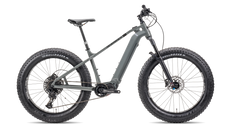
Shimano's EP8 is widely praised for its natural, bike-like feel. The power delivery is smooth and progressive, with minimal motor noise and a seamless transition between assisted and unassisted pedalling. Riders who prioritise a connected, natural riding experience — particularly those coming from non-electric bikes — often prefer Shimano. This is why Silverback chose the EP8 for its S-Electro range, including the electric fat bike models designed for winter riding and sand.
App Integration and Connectivity
Bosch: The eBike Flow App
Bosch's eBike Flow app is one of the most feature-rich e-bike apps available. It allows riders to customise assist levels, update firmware, track rides, and access navigation. The app is well-designed and regularly updated, and Bosch's ecosystem of compatible displays and accessories is extensive.
Shimano: E-TUBE PROJECT
Shimano's E-TUBE PROJECT app allows riders to customise assist modes, update firmware, and fine-tune motor response. It's less feature-rich than Bosch's app but covers the essentials well. Shimano's integration with its own Di2 electronic groupsets — where the motor and drivetrain communicate seamlessly — is a significant advantage for riders who want a fully integrated electronic system.
Component Ecosystem and Compatibility
Both Bosch and Shimano have extensive component ecosystems, but they differ in important ways. Bosch is a motor specialist — it makes motors, batteries, displays, and sensors, but not drivetrain components. Shimano, by contrast, makes everything from motors and batteries to derailleurs, brakes, and pedals. This gives Shimano a unique advantage in system integration: a bike with Shimano EP8 motor, Shimano Di2 electronic shifting, and Shimano brakes can be tuned as a single integrated system.
Silverback's purpose-built Surface component range — including the Surface Fat Bike chainring for EP8 and Surface Fat Bike crank bolts for EP8 — is designed specifically for the Shimano EP8 system, providing optimised compatibility and durability.
Reliability and After-Sales Support
Both Bosch and Shimano have excellent reliability records and strong dealer networks. Bosch has been in the e-bike motor market longer and has a larger installed base, which means more service centres and more experience with long-term reliability. Shimano's EP8 is a newer system but benefits from Shimano's legendary reputation for component quality and durability built over decades in the cycling industry.
Which Motor is Right for You?
Choose Bosch if:
- You want immediate, punchy power delivery for technical trail riding
- You value the eMTB automatic assist mode
- You want the most extensive app and accessory ecosystem
- You prefer a motor with the longest track record in the market
Choose Shimano if:
- You prioritise a natural, seamless ride feel
- You want the lightest possible motor for your bike weight
- You value full system integration with Shimano Di2 electronic shifting
- You're choosing a Silverback e-bike from the S-Electro range
Conclusion
Both Bosch and Shimano make exceptional e-bike motors, and you can't go wrong with either system. The choice ultimately comes down to ride feel preference and ecosystem priorities. For riders who want the most natural, seamless electric riding experience — and the lightest possible motor — Shimano's EP8 is the clear choice. For riders who want maximum power responsiveness and the most feature-rich app ecosystem, Bosch's Performance Line CX is hard to beat.
Explore Silverback's full electric bike range or read our in-depth comparison of DJI Avinox vs Shimano EP801 for the next generation of e-bike motor technology.