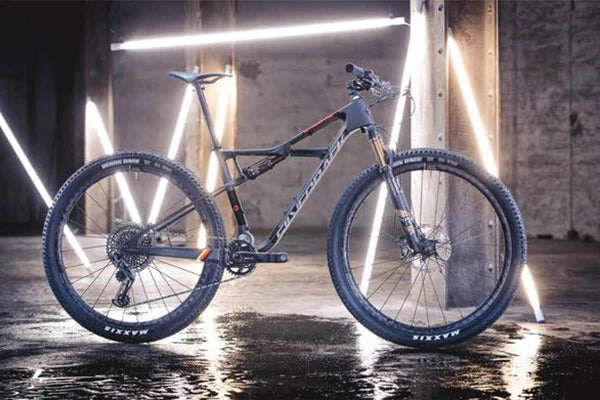
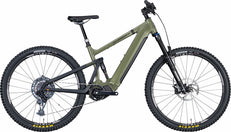
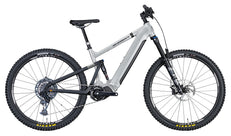
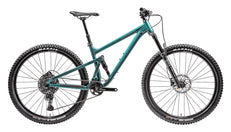
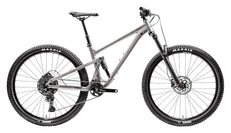
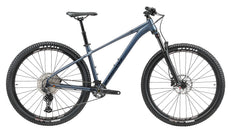
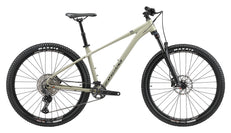
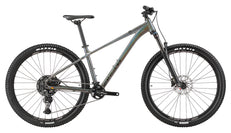
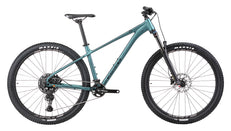
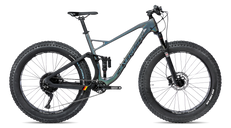
150/145mm Travel
 29" x 2.5" Wheels
 1x12 Speed SRAM AXS
 EP-801 Shimano Motor
 85Nm Torque
 720Wh Battery
 from 20.9kg
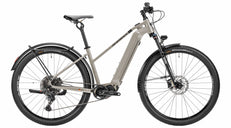
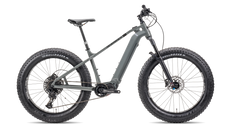
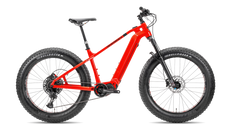

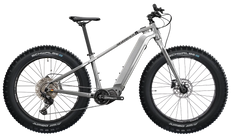

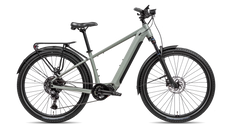
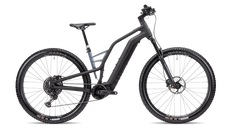
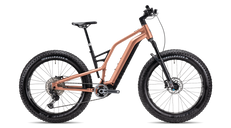
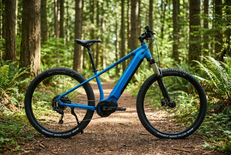
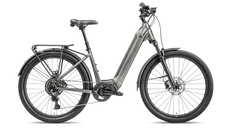
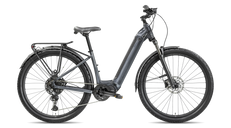
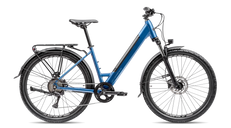
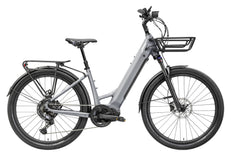
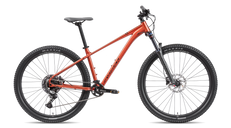
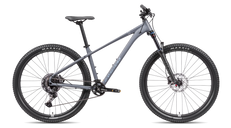
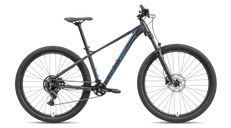
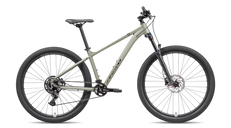





E-Bike Battery Guide: Everything You Need to Know
The battery is the heart of any electric bike. It determines how far you can ride, how much power you have on demand, and how long your e-bike will remain a high-performing machine over its lifetime. Yet for many riders, the battery remains the most misunderstood component on their bike.
In this comprehensive guide, we cover everything you need to know about e-bike batteries: how they work, how to maximise your range, how to charge correctly, how cold weather affects performance, and what to look for when choosing your next electric bike.
How E-Bike Batteries Work
Modern e-bike batteries use lithium-ion (Li-ion) cell technology — the same chemistry found in smartphones and electric cars. The battery stores electrical energy that is released on demand to power the motor. In a mid-drive system like the Shimano EP8 — used in Silverback's S-Electro range — the motor sits at the bottom bracket and drives the cranks directly, providing a natural, efficient pedalling feel.
Key Battery Specifications Explained
Capacity (Wh — Watt-hours)
Watt-hours (Wh) is the most important battery specification. Most quality e-bikes use batteries between 400 Wh and 750 Wh. As a rough guide, expect approximately 20–30 km of range per 100 Wh in mixed conditions.
Voltage (V)
Battery voltage (typically 36V or 48V) affects the power output of the motor. Shimano's EP8 motor system, used across Silverback's S-Electro e-bike range, delivers up to 85 Nm of torque — more than enough for the most demanding terrain.
Ampere-hours (Ah)
Ah measures the charge capacity of the battery. Multiply Ah by voltage to get Wh: a 14Ah, 36V battery = 504 Wh.
Cycle Life
Quality lithium-ion e-bike batteries are typically rated for 500–1,000 full cycles before capacity drops to around 80% of original — typically 3–5 years of regular use.
How to Maximise Your E-Bike Range
1. Choose the Right Assist Level
Eco mode can double or triple your range compared to Turbo/Boost mode. The Shimano EP8 system offers four assist modes — Eco, Tour, Sport, and Boost — giving you precise control over your energy consumption.
2. Maintain Momentum
Smooth, consistent riding conserves battery significantly. This is especially important on sandy terrain and snow, where resistance is higher.
3. Optimise Tyre Pressure
Under-inflated tyres increase rolling resistance and drain your battery faster. Always ride at the recommended pressure for your terrain.
4. Reduce Weight
Every kilogram you carry costs battery capacity. If you're bikepacking, the Silverback Fat Bike Rack is designed to carry gear efficiently without unnecessary weight penalty.
5. Use Pedal Assist, Not Throttle
Pedal assist is significantly more efficient than throttle-only riding. Maintain a comfortable cadence of 70–90 RPM for optimal motor efficiency.
E-Bike Battery Charging: Best Practices
Charge Regularly, Not Fully
Lithium-ion batteries last longest when kept between 20% and 80% charge for day-to-day use. Avoid regularly charging to 100% unless you need maximum range for a long ride.
Never Fully Deplete
Repeatedly running your battery to 0% accelerates cell degradation. Try to recharge before you drop below 10–15%.
Use the Correct Charger
Always use the charger supplied with your e-bike or an approved replacement. Third-party chargers may damage cells and reduce battery life.
Charge at Room Temperature
Charging a cold battery (below 5°C) can permanently reduce capacity. After a cold winter ride, let your battery warm to room temperature before charging. This is particularly important for winter e-fat bike riders.
Cold Weather and E-Bike Battery Performance
At 0°C, you can expect 20–30% less range than at 20°C. At -10°C, range reduction can exceed 40%. To minimise cold weather range loss:
- Store your battery indoors overnight and attach it to the bike just before riding
- Use a neoprene battery cover to insulate the battery during cold rides
- Start your ride in a lower assist mode to let the battery warm up gradually
- Plan shorter routes in very cold conditions
For more cold-weather riding tips, read our guide on the best fat bikes for winter riding.
Battery Safety: What You Need to Know
Storage
If storing your e-bike for more than a month, charge the battery to 50–60% before storage. Store in a cool, dry place away from direct sunlight and extreme temperatures.
Damage and Inspection
Inspect your battery regularly for physical damage — cracks, swelling, or corrosion on the contacts. A swollen battery is a serious safety hazard and must be replaced immediately.
Transport
When transporting your e-bike, remove the battery if possible. Check airline regulations before flying — most airlines restrict lithium-ion batteries above a certain Wh rating in checked luggage.
Choosing the Right E-Bike Battery System
When choosing an e-bike, the battery system is as important as the frame or motor. Look for:
- Integrated vs. external battery: Integrated batteries offer better aesthetics and protection; external batteries are easier to remove for charging.
- Capacity for your use case: Commuters may be fine with 400 Wh; adventure riders and bikepackers should look for 500 Wh+.
- Motor compatibility: Silverback's S-Electro range uses Shimano's integrated system for seamless compatibility and reliability.
- Serviceability: Silverback's purpose-built components — including the Silverback fat e-bike crankset and Surface Fat Bike crank arms for EP8 — are designed for long-term serviceability.
E-Bike Battery FAQ
How long does an e-bike battery last?
With proper care, a quality lithium-ion e-bike battery will retain 80%+ of its original capacity after 500–1,000 full charge cycles — typically 3–5 years of regular riding.
Can I ride my e-bike in the rain?
Yes. Quality e-bike batteries and motors are rated for wet conditions (typically IP65 or higher). Dry the contacts before charging after a wet ride.
How do I know when my battery needs replacing?
When your range drops to 60–70% of original despite correct charging habits, it's time to consider a replacement battery.
Conclusion
Your e-bike battery is your most valuable component — treat it well and it will reward you with years of reliable, high-performance riding. Ready to find your perfect electric bike? Explore the full Silverback e-bike range or browse our S-Electro collection to find the right model for your riding style and range requirements.