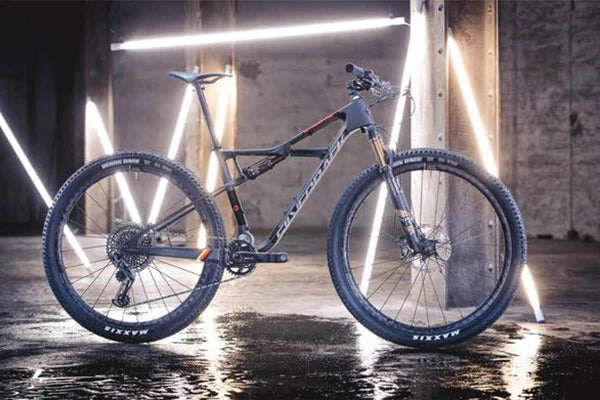
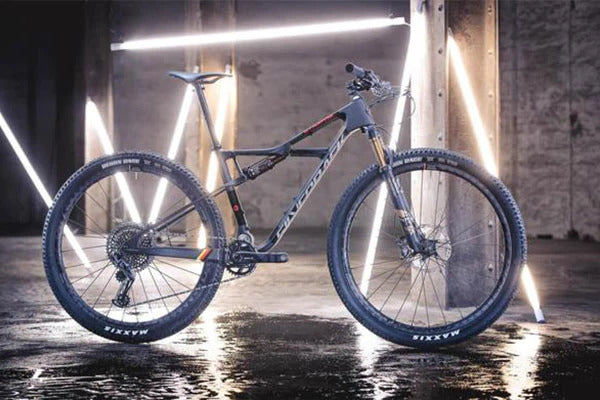
150/145mm Travel
 29" x 2.5" Wheels
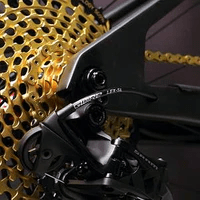
 1x12 Speed SRAM AXS
 EP-801 Shimano Motor
 85Nm Torque
 720Wh Battery
 from 20.9kg
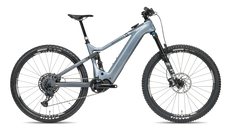
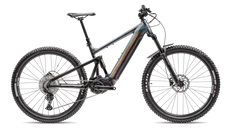
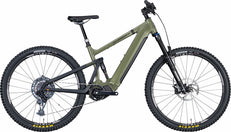
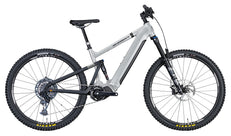
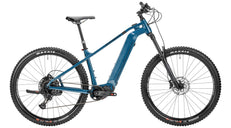
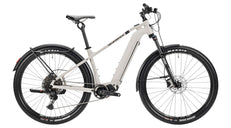
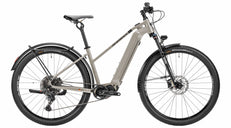
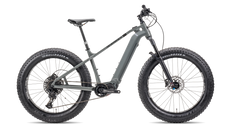
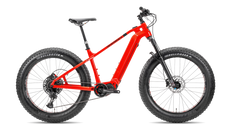

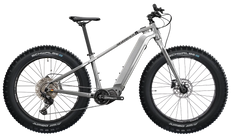

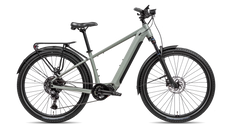
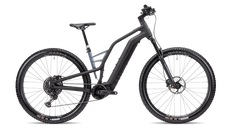
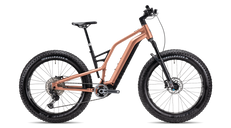
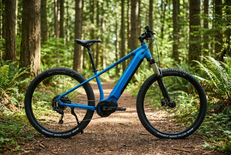
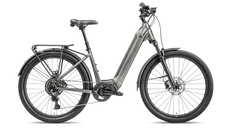
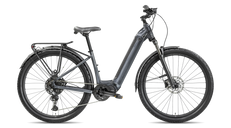
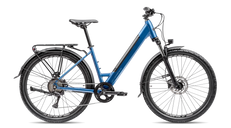
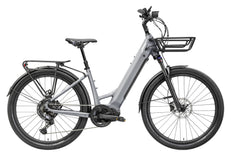
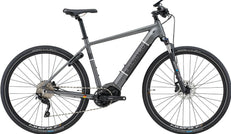
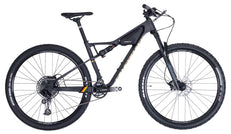
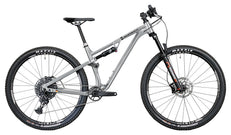
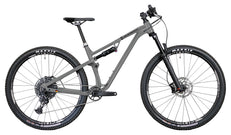
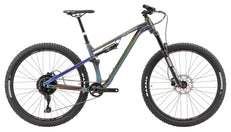
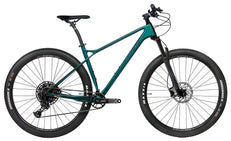
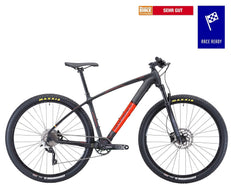
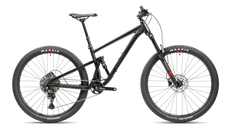
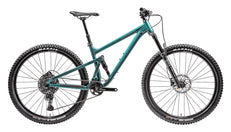
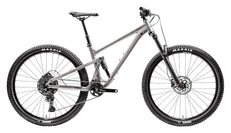
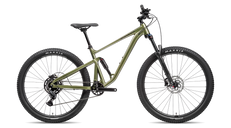
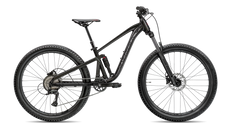
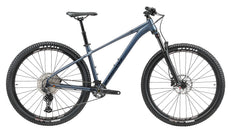
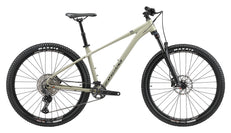
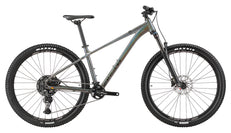
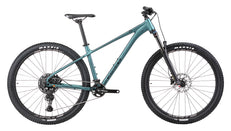
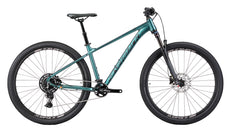
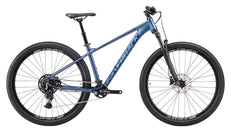
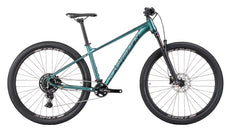
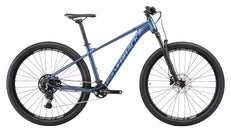
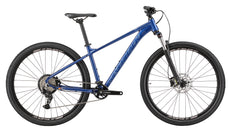
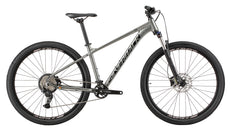
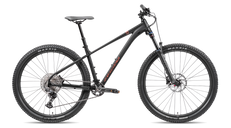
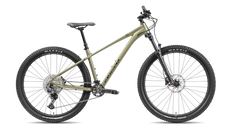
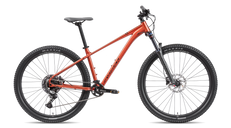
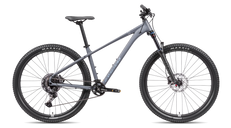
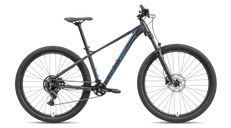
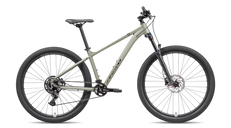
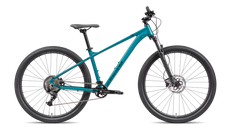
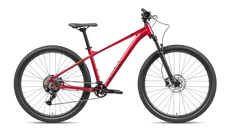
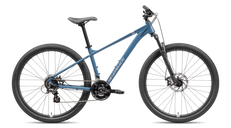
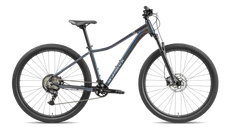
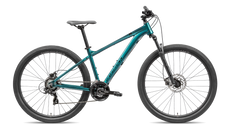
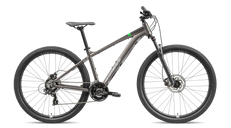
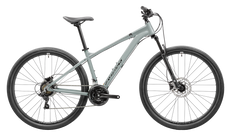
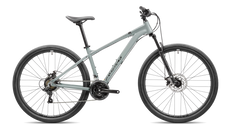
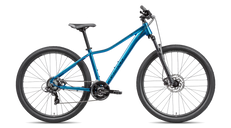
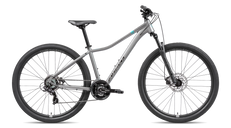
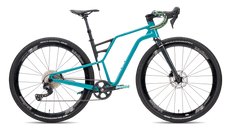
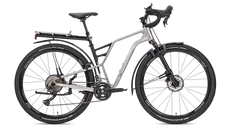
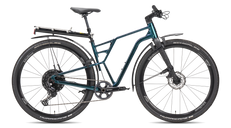
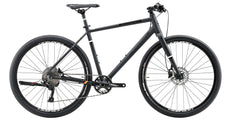
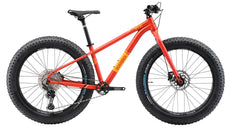
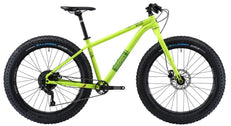
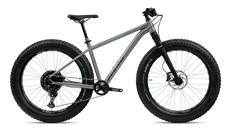
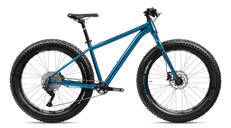
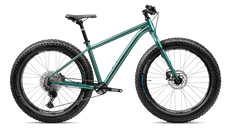
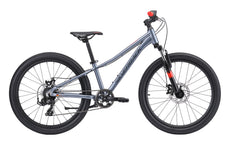
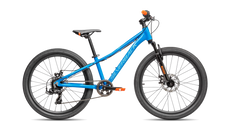
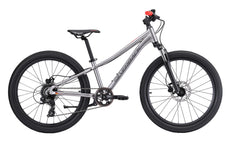
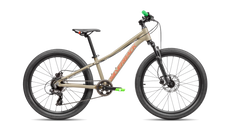






Behind the Development of Silverback Avinox Bikes
Every great bicycle begins with a question. For Silverback's engineering team, the question that drove the Avinox project was deceptively simple: what would a purpose-built electric mountain bike look like if you started with a completely clean sheet, with no compromises inherited from an existing platform?
The answer took years of development, thousands of hours of testing, and a fundamental rethinking of how an electric mountain bike should be designed, built, and ridden. In this article, we go behind the scenes of the Silverback Avinox development story — the engineering philosophy, the key design decisions, and the technology that makes it one of the most capable electric mountain bikes ever built.
The Design Philosophy: Purpose-Built, Not Adapted
The most important decision in the Avinox development process was made before a single line was drawn: the bike would be purpose-built for electric power from the ground up, not adapted from an existing non-electric platform. Many e-bikes on the market are essentially conventional bikes with a motor and battery bolted on — a compromise that results in awkward weight distribution, suboptimal geometry, and a riding experience that never quite feels right. The Avinox team rejected this approach entirely.
Instead, every aspect of the bike — frame geometry, suspension kinematics, motor integration, battery placement, and component specification — was designed around the specific demands of electric-assisted mountain biking. The result is a bike that feels natural and intuitive to ride, where the motor assistance enhances rather than disrupts the riding experience.
Frame Engineering: Carbon, Geometry, and Integration
Carbon Fibre Construction
The Avinox frame is built from high-modulus carbon fibre, chosen for its exceptional strength-to-weight ratio and the ability to tune stiffness and compliance in specific areas of the frame. The carbon layup schedule was developed through extensive finite element analysis (FEA) — computer modelling that simulates the stresses experienced by the frame under real-world riding conditions — allowing the team to optimise the layup for both performance and durability before a single prototype was built.
Geometry: Designed for the Motor
The motor adds weight low and centrally in the frame, which changes the bike's handling characteristics compared to a non-electric bike. The Avinox geometry was developed specifically to work with this weight distribution, with a longer wheelbase, slacker head angle, and lower bottom bracket than a comparable non-electric bike. The result is a bike that feels planted and confident on steep descents, while remaining agile and responsive on technical climbs. This same philosophy of purpose-built geometry is evident across Silverback's electric bike range, from the S-Electro series to the fat bike models.
Motor and Battery Integration
The team worked closely with Shimano to develop a motor integration that places the EP8 unit as low and centrally as possible in the frame, minimising its impact on handling. The battery is fully integrated into the down tube, with a removable design that allows for easy charging and replacement — so clean that the Avinox looks almost like a conventional mountain bike at first glance.
Suspension Development: Kinematics for Electric Riding
Anti-Squat Tuning
The Avinox suspension was tuned specifically for the torque characteristics of the Shimano EP8 motor, resulting in a platform that remains active and sensitive over rough terrain while resisting pedalling-induced bob. Too little anti-squat and the suspension bobs inefficiently under power; too much and the suspension becomes harsh and loses traction.
Progression and Sensitivity
The Avinox suspension uses a progressive rate curve — it becomes stiffer as it compresses, providing a supple initial stroke for small bumps and firm support for big hits. This is achieved through careful linkage geometry rather than relying solely on the shock's spring rate.
Drivetrain: The Surface Component Range
Electric motors deliver significantly more torque than human legs, placing enormous stress on cranks, chainrings, and chains. Silverback's response is the Surface component range — purpose-built drivetrain components designed specifically for the demands of electric-assisted riding. The Silverback fat e-bike crankset and Surface Fat Bike crank arms for EP8 are engineered to handle the sustained high-torque output of the Shimano EP8 motor without the premature wear that affects standard components.
The Surface Fat Bike chainring for EP8 uses a reinforced tooth profile and harder alloy specification, extending service life significantly. The Surface Fat Bike crank bolts for EP8 complete the system with hardware rated for the additional stress of motor-assisted riding.
Testing and Validation: From Lab to Trail
Laboratory Testing
Before any prototype reached a trail, the Avinox frame underwent extensive fatigue and impact testing. The battery system was validated for capacity retention across temperature extremes — critical for a bike intended to be ridden year-round, including in the cold winter conditions where battery performance is most challenged.
Field Testing
The Avinox spent thousands of hours in the hands of test riders across alpine singletrack, rocky enduro trails, and technical forest trails. Rider feedback drove multiple iterations of the suspension kinematics, geometry, and component specification before the team was satisfied with the result.
The Avinox in the Context of Silverback's Electric Range
The Avinox sits at the pinnacle of Silverback's electric bike range, but the engineering philosophy filters down through the entire lineup. The same commitment to purpose-built design is evident in every model in the S-Electro range, from the versatile S-Electro Elite AL 2 to the adventure-ready S-Electro Diamond Trail.
The Surface component range is also available as aftermarket upgrades. The Surface Fat Bike crank arms for Shimano 7000/8000 and Surface Fat Bike chainring for Shimano Steps 7000/8000 bring Avinox-level drivetrain durability to a wide range of Shimano-powered e-bikes.
What the Avinox Means for the Future of Electric Mountain Biking
The Avinox demonstrates that the compromises of early e-MTBs are no longer necessary. A purpose-built e-MTB can deliver a riding experience that is genuinely superior to a conventional mountain bike in many conditions — enabling longer days, bigger terrain, and the ability to ride with friends of different fitness levels without anyone being left behind.
For riders curious about making the switch to electric, our guide on electric vs non-electric bikes covers the key considerations. And for those who want to understand the battery technology that powers the Avinox, our E-Bike Battery Guide provides a comprehensive overview.
Conclusion
The Silverback Avinox is the product of a clear engineering vision and an uncompromising commitment to building the best possible electric mountain bike. From its purpose-built carbon frame and motor-optimised geometry to its Shimano EP8 integration and Surface drivetrain components, every aspect reflects years of thought, testing, and refinement.
Explore the full Silverback electric bike range or browse our component collection to experience the engineering philosophy that drives everything we build.