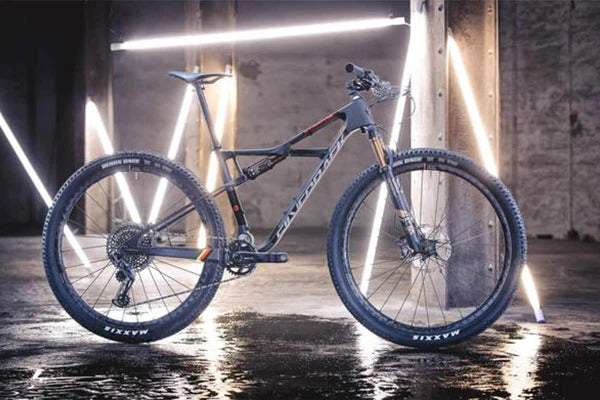
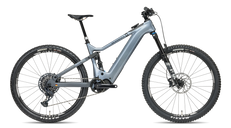
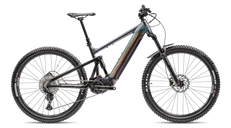
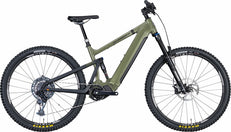
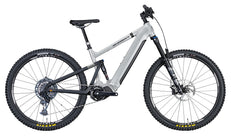
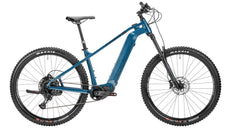
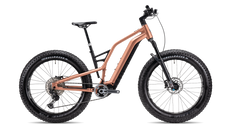
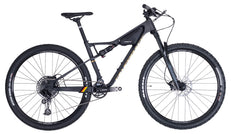
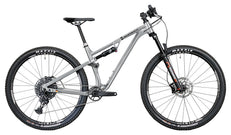
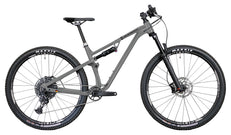
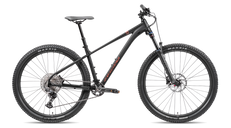
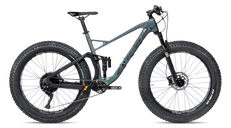
150/145mm Travel
 29" x 2.5" Wheels
 1x12 Speed SRAM AXS
 EP-801 Shimano Motor
 85Nm Torque
 720Wh Battery
 from 20.9kg
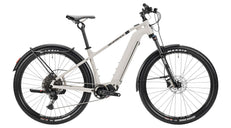
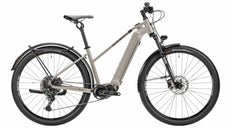
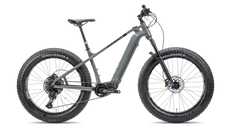
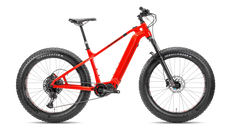

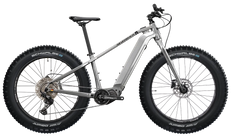

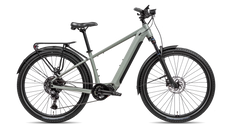
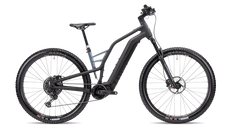
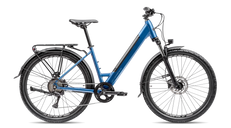
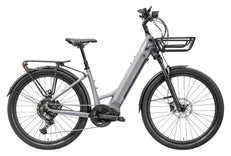
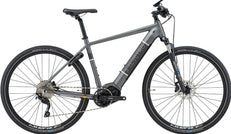
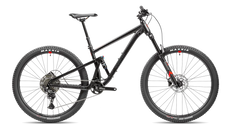
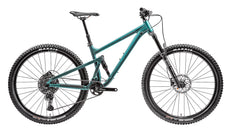
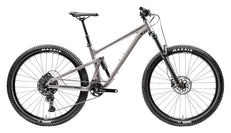
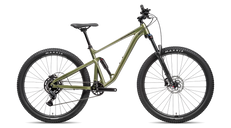
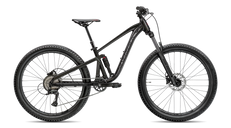
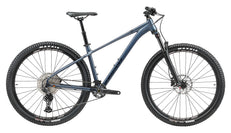
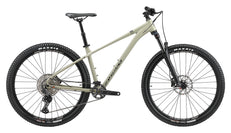
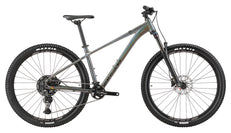
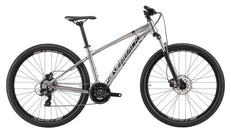
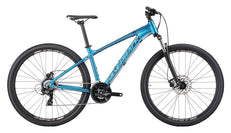
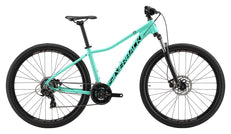
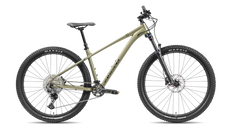
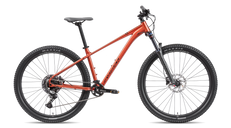
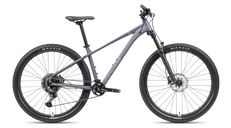
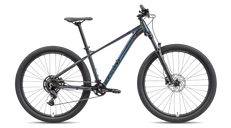
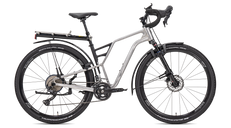
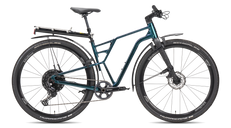
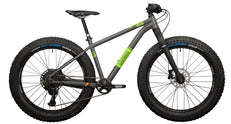
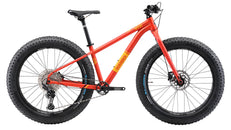
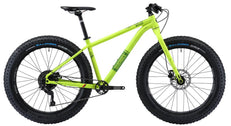
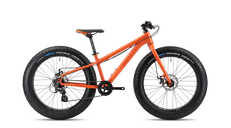
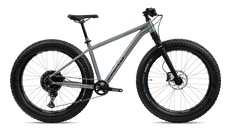
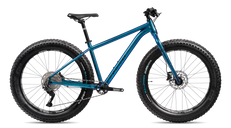
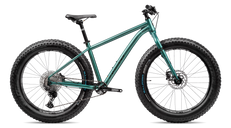
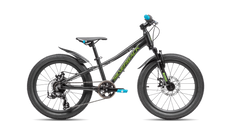
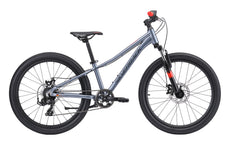
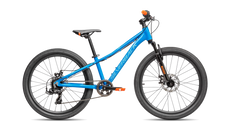
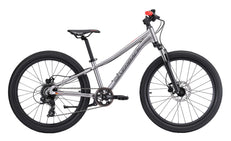




After three decades of cycling, I see fat bikes as purpose-built for terrain where ordinary tyres struggle. Here I explain their design, uses, benefits, trade-offs and what I check before choosing one.
What Are Fat Tire Bikes? The Meaning
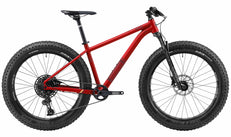
A fat bike has very wide tyres, commonly about 3.8 inches or wider, with a frame and fork built to clear them. Their high volume allows lower pressure for flotation, grip and comfort on soft ground.
What Makes a Bike a Fat Bike?
The tyres stand out, but the rims, wheels, fork and frame must accommodate their width. I adjust pressure for my weight and terrain, within the tyre and rim limits.
How Are Fat Bikes Different From Regular Bikes?
A fat bike favours flotation and stability; a regular mountain bike often feels lighter and quicker on firm, technical trails. I choose based on the ground I ride most.
|
Feature |
Fat bike |
Regular mountain bike |
|
Tyres |
Very wide, high-volume |
Narrower, trail tread |
|
Traction |
High on soft ground |
High on trails |
|
Ride feel |
Planted |
Responsive |
|
Suited to |
Snow, sand, mud |
Roots, rocks, singletrack |
|
Rolling resistance |
Higher on firm ground |
Lower on firm ground |
What Are Fat Tire Bikes For?
I choose a fat bike when narrower tyres sink, slip or feel unsettled on soft ground. Suitable tread and pressure make challenging routes more rideable.
Riding on Sand: Wide tyres spread the load and help prevent sinking in rideable sand. I turn smoothly and avoid deep, soft patches.
Riding on Snow: On packed or shallow snow, broad tyres can improve flotation and traction. I check trail conditions and access rules first.
Loose Gravel and Dirt: Extra tyre volume can make dusty dirt and loose gravel feel calmer. Tread and line choice still matter; width alone cannot prevent a slide.
Trails and Off-Road Riding: Fat bikes suit forest tracks and less technical trails, especially on soft ground. Their weight and slower steering can feel cumbersome on tight, rocky singletrack.
Everyday and Recreational Riding: I can ride one around town or on local paths if I like its steady feel. On smooth roads, wide tyres take more effort to roll.
Why Should You Consider a Fat Bike?
I consider a fat bike when I want to keep riding through changing seasons or take routes where narrower tyres feel less sure. These points can help you decide whether its particular feel and strengths suit the rides you enjoy.
-
Year-round riding: If winter weather or changing trail conditions often keep me off the bike, a fat bike can make more local routes rideable. I still check that the paths are open and safe for cycling.
-
Soft-surface routes: I consider one when snow, sand, loose dirt or muddy sections are part of the rides I want to do. If most of my riding is on smooth pavement, those wide tyres may be more than I need.
-
Steady handling: The planted feel can help me feel more settled when the ground shifts under the tyres. I still need to steer carefully and choose a suitable line, especially on uneven or slippery terrain.
-
Small-bump comfort: Lower tyre pressure can help soften the chatter from rough ground and make an uneven route feel less harsh. It does not replace suspension on trails with larger rocks, roots or drops.
-
Easy-paced exploring: I like the idea of taking my time, trying a new path and enjoying the ride without chasing speed. A fat bike may suit that approach, while a lighter bike can feel better for faster road rides.
Before choosing, I ask myself whether these are the kinds of rides I’ll actually do, rather than occasional possibilities. If the answer is yes, a fat bike may be a good match for my local terrain and riding style.
You may like to read this: Fat E-Bike Crank: Why Silverback Built a Dedicated Fat Bike Solution
Benefits of Fat Tire Bikes
-
Better Traction: Wide tyres can maintain contact with soft, uneven ground at lower pressure. I match tread and pressure to the surface.
-
Improved Stability: A fat bike can feel planted on loose or slippery terrain. I still handle it carefully on steep or technical ground.
-
Versatile Terrain Use: Suitable tyres let me ride snow, sand, dirt and some local routes. That range helps when surfaces change, though no bike suits every ride.
-
Lower Tyre Pressure Options: High-volume tyres can run at lower pressures than many mountain bike tyres. I adjust within the maker’s limits and watch for squirm or rim strikes.
-
A Fun, Distinctive Ride: Some riders enjoy the relaxed pace and confidence on soft trails. I see that as personal preference, not a universal promise.
Things to Consider Before Choosing a Fat Bike
I start with the ground I ride most and how often I encounter soft surfaces. That tells me whether fat tyres solve a real problem for my rides.
-
Terrain: Fat bikes suit snow, sand, mud and loose dirt, where narrower tyres may sink or slip. If I mostly ride pavement, the extra rolling effort may outweigh the added grip.
-
Tyres and pressure: Tread and pressure affect how the bike behaves on different surfaces. I check frame clearance and stay within the tyre and rim pressure limits.
-
Fit and weight: I check the reach, standover and handling during a test ride. Fat bikes can be heavy to lift, so I consider stairs, car racks and storage.
-
Gears, brakes and suspension: Low gears help on climbs, while dependable brakes manage the bike’s weight and rough conditions. I choose suspension only if my regular trails are rough enough to benefit from it.
-
Storage and maintenance: Wide wheels and tyres may need more room for transport and storage. I also check tyre availability and what routine maintenance the bike will need.
-
Budget: I look beyond the purchase price to accessories, servicing and eventual tyre replacement. A realistic budget helps me choose a bike I can keep riding.
When these checks match my usual routes, a fat bike can be a sensible choice. Otherwise, a lighter mountain or hybrid bike may suit the way I ride better.
FAQs
What Are Fat Bikes Used For?
Fat bikes are used on snow, sand, mud, gravel and loose surfaces. I also see them on forest tracks and local paths.
What Are Fat Tire Bikes Good For?
They suit routes where flotation and grip matter more than speed. Narrower tyres often roll better on pavement.
Are Fat Bikes Good for Regular Roads?
Yes, though wide tyres can take more effort on smooth roads. For frequent road riding, I weigh their comfort against efficiency.
Are Fat Bikes Good for Mountain Biking?
They suit mellow trails and soft routes. A regular mountain bike is easier to steer on tight, rocky singletrack.
Are Fat Bikes Good for Sand?
They ride well on firmer sand because wide tyres spread the load. I avoid deep, soft patches and keep moving steadily.
Are Fat Bikes Good for Snow?
They offer flotation on packed or suitable shallow snow. I check trail access and conditions before setting out.
Are Fat Bikes Harder to Ride?
They can feel easier on soft ground, but heavier on pavement and climbs. Terrain and tyre pressure change the effort.
What Are the Main Benefits of Fat Bikes?
Benefits include traction, flotation, stability and access to soft routes. I value them when those match my riding.
What tyre pressure should I use on a fat bike?
Pressure depends on rider weight, tyre, rim and terrain. I start within the maker’s range and adjust gradually.
Is a fat bike a good choice for a beginner?
It can suit beginners on soft trails who like a stable feel. I check fit and weight, then test ride.
Conclusion
Fat bikes use very wide tyres for flotation, traction and a steady ride on snow, sand, mud and loose surfaces. The trade-offs are extra weight and rolling resistance on firm ground.
I choose one when its strengths suit my routes, rather than expecting it to be fastest everywhere. Explore Silverback’s fat bike range and compare the designs with your local terrain.