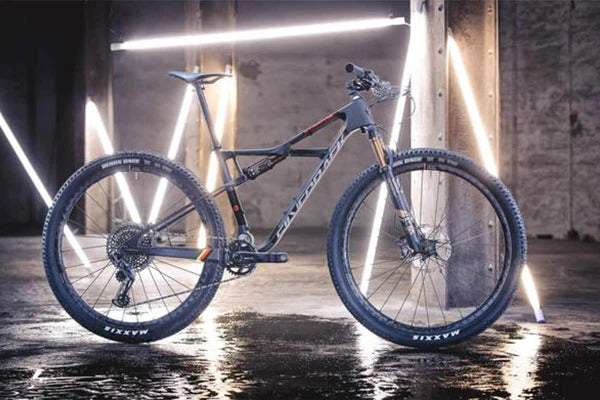
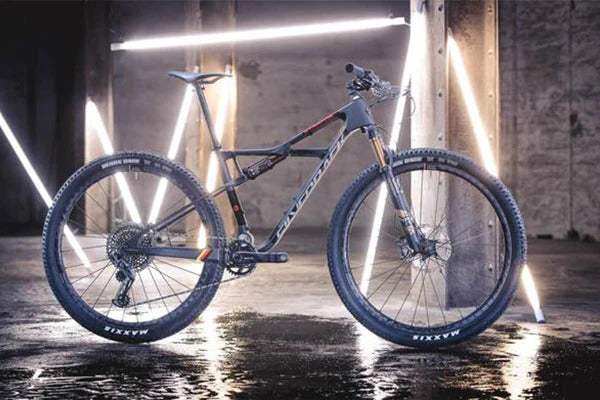
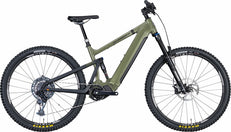
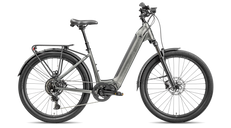
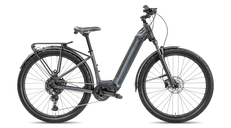
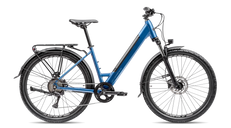
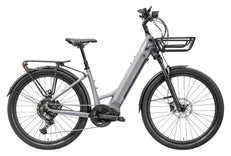
150/145mm Travel
 29" x 2.5" Wheels
 1x12 Speed SRAM AXS
 EP-801 Shimano Motor
 85Nm Torque
 720Wh Battery
 from 20.9kg
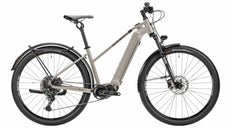
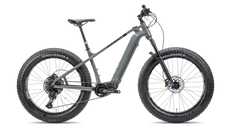
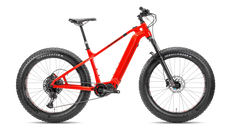

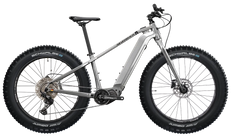

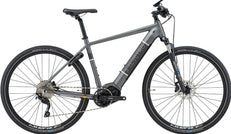
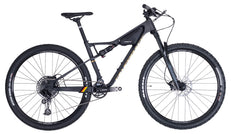
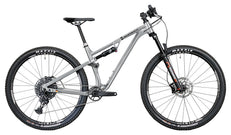
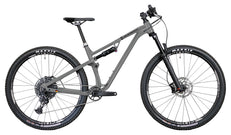
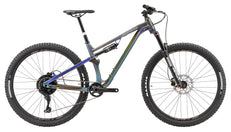
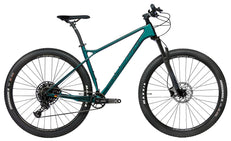
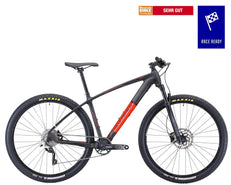
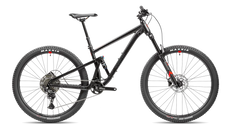
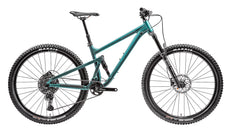
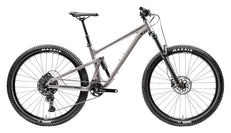
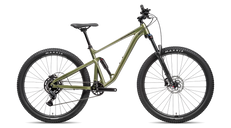
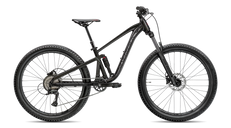
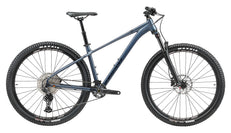
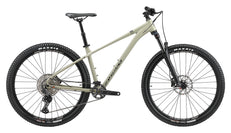
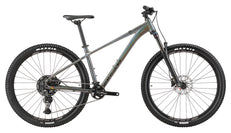
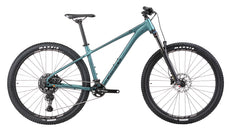
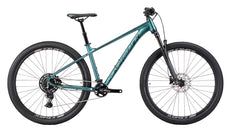
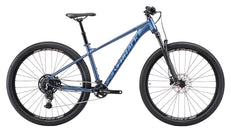
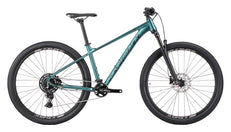
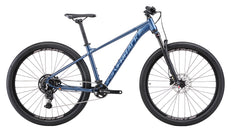
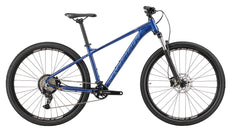
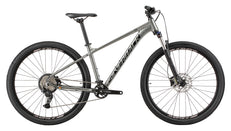
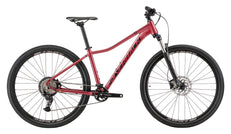
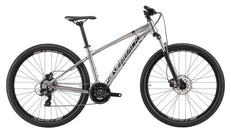
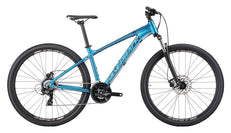
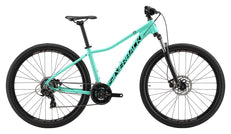
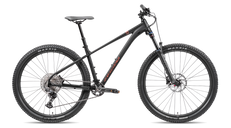
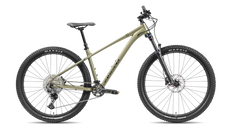
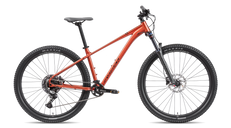
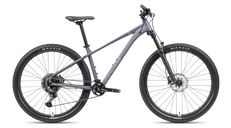
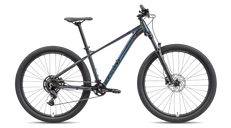
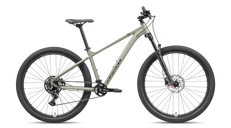
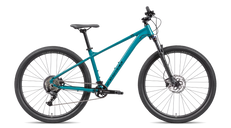
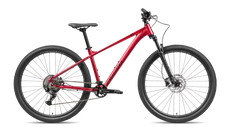
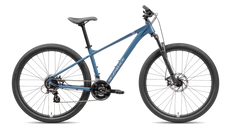
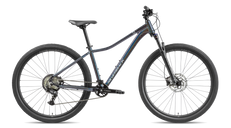
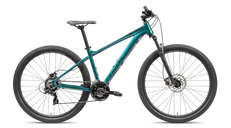
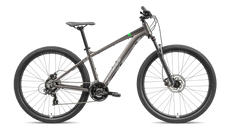
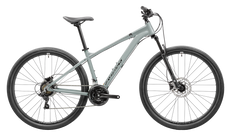
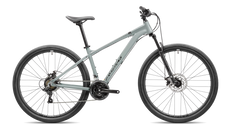
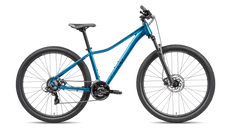
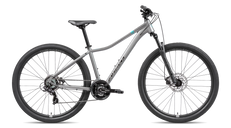
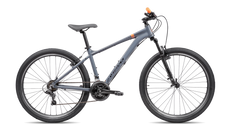
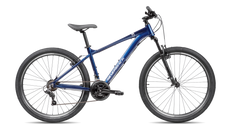
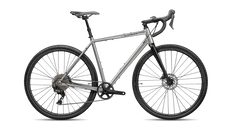
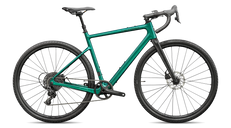
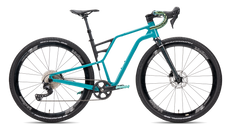
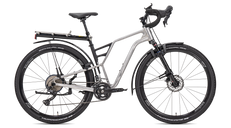
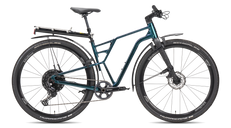
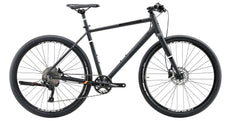
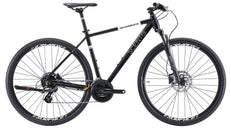
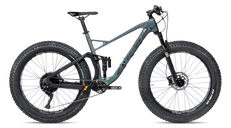
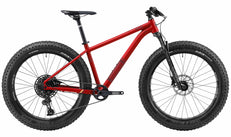
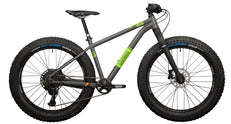
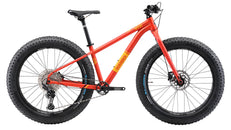
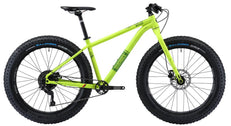
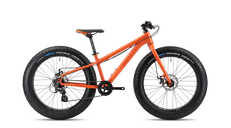
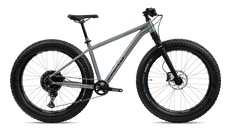
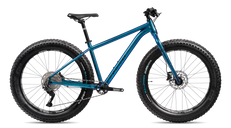
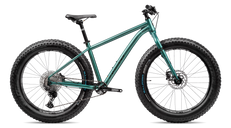
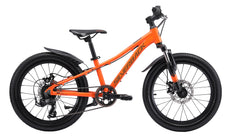
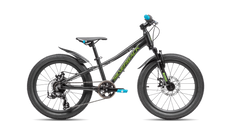
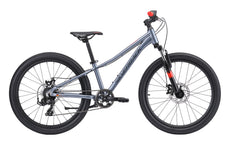
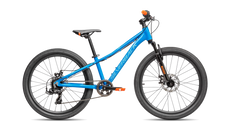
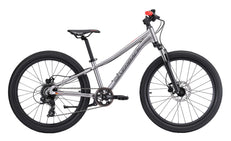
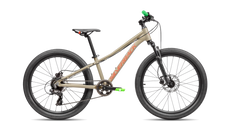
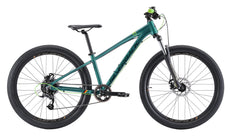
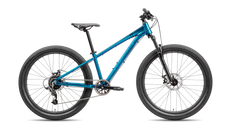
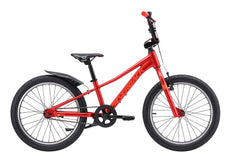
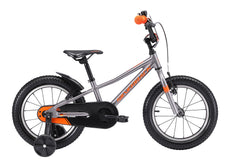
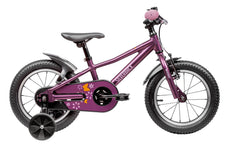
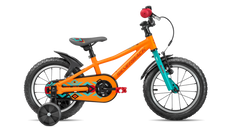




A kids’ bike should be light enough for its rider to manage comfortably, while still fitting properly and carrying the equipment needed for the intended riding. There is no single kilogram limit that suits every child, wheel size and type of bicycle. Compare similar bikes in ready-to-ride form, then check how your child starts, stops, steers and moves the actual bicycle.
A low advertised weight is useful information, not a complete buying decision. A lighter bike with unsuitable reach or difficult controls can be a worse match than a slightly heavier bicycle your child handles confidently.
Why bike weight matters to a young rider
A child may need to push the bike, turn it around, start repeatedly or get moving again after a stop. A bicycle that feels cumbersome can make those ordinary tasks frustrating. Weight can also matter when a parent carries the bike upstairs or lifts it onto a rack.
However, difficulty is not always a weight problem. An oversized frame, stiff controls, low tyre pressure or unsuitable gearing can also affect the experience. Begin with our kids’ bike buying guide before reducing the decision to one number.
Why there is no universal ideal weight
A small learner bike and a larger off-road bicycle are designed around different riders and uses. Wheels, tyres, frame size and components all contribute to the complete weight. Comparing those categories directly can produce a misleading conclusion.
Likewise, a fixed percentage of a child’s body weight is not a substitute for assessing fit and control. Children differ in coordination, experience and comfort. Treat a ratio as a comparison calculation, not a pass-or-fail safety threshold.
Compare weight figures on the same basis
Check whether pedals are included
A quoted figure may exclude pedals or other supplied equipment. Before comparing two models, ask what is included and whether the figure applies to the exact size and version you are considering.
Include the equipment your child will use
Mudguards, lights, a stand, a lock or other accessories change the ready-to-ride total. Do not compare a bare bicycle with a fully equipped one and assume the difference comes entirely from frame design.
Check the source and measurement conditions
Use current manufacturer specifications or ask a retailer to weigh the assembled bicycle. Product shipping weight is not the same as complete bicycle weight: it may include packaging and may be recorded for delivery calculations. Do not use it as a performance specification.
A practical weight-comparison checklist
| Question | Useful comparison | Misleading shortcut |
|---|---|---|
| Are the bikes comparable? | Similar size and intended riding | Small learner versus larger mountain bike |
| What is included? | Pedals and equivalent accessories | Bare-bike figure versus equipped total |
| Which weight is quoted? | Complete bicycle, clearly described | Shipping or packaged weight |
| Does it fit? | Comfortable reach and manageable frame | Choosing the lightest regardless of fit |
| Can the child use it? | Supervised handling and riding check | Buying from a number alone |
Try these handling checks before buying
Ask your child to push the bicycle, make a controlled turn and get on and off. In a safe, traffic-free setting, assess low-speed starts and stops. Do they look comfortable, or are they wrestling with the equipment? A qualified retailer can help distinguish a fit issue from a setup or handling problem.
Measure current height and inseam using our child inseam guide. Do not compensate for a heavy or awkward bicycle by choosing an unsuitable size. Our guide to growing room explains why buying a larger frame can create different problems.
Balance lower weight with useful equipment
Frame material alone does not determine the complete weight or how the bike feels. Wheels, tyres, fork and components also matter. Suspension may suit some riding but should not be added simply because it looks more advanced. Equally, do not remove necessary equipment or original protective parts merely to improve a scale reading.
Check fit, brakes and condition alongside weight. Our kids’ bike safety guide adds practical checks before riding.
Compare models that match your child
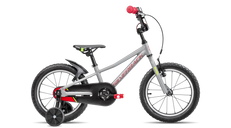
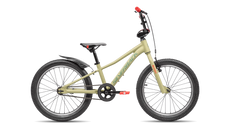
For smaller riders, investigate the Skid 14 (New Gen) and Skid 16 (New Gen) using their current sizing and equipment information. For a larger shortlist, compare the Skid 20 (New Gen) and Spyke 20 (New Gen). These links are starting points for investigation, not an unverified ranking by weight.
Compare a relevant option: review the Spyke 26 7spd (New Gen) if its size and intended use match your child. Ask for a clearly defined complete-bike weight rather than assuming a catalogue delivery figure describes the bike.
Make the comparison useful: ask a retailer to weigh your shortlisted bicycles with equivalent equipment and arrange a supervised fit and handling check.
Frequently asked questions
Is the lightest kids’ bike always the best?
No. Fit, accessible controls, condition and suitable equipment remain essential. Choose the complete package rather than one isolated figure.
Should I use a body-weight percentage rule?
It can describe a comparison, but it does not establish suitability for every child. Use real handling checks instead of treating a percentage as a universal limit.
Can I reduce weight by removing accessories?
Only consider changes consistent with the bicycle’s instructions and intended use. Do not remove protective or required equipment to chase a lower figure; ask a qualified retailer if unsure.
What if no reliable weight is listed?
Ask the retailer for an assembled-bike measurement and what it includes. An honest missing figure is better than an estimate presented as a specification.
Choose manageable, not merely lighter: explore the Silverback kids’ bike collection, compare equivalent bicycles and prioritise comfortable control today.