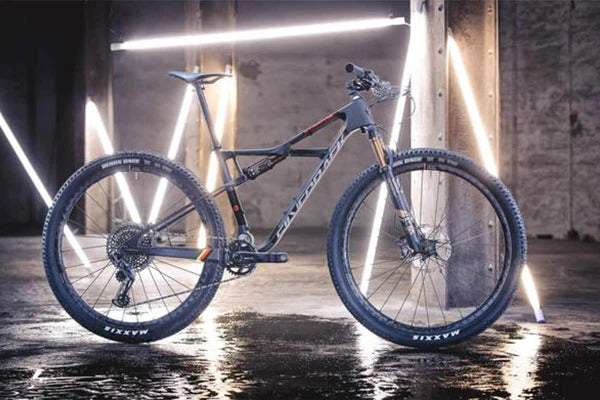
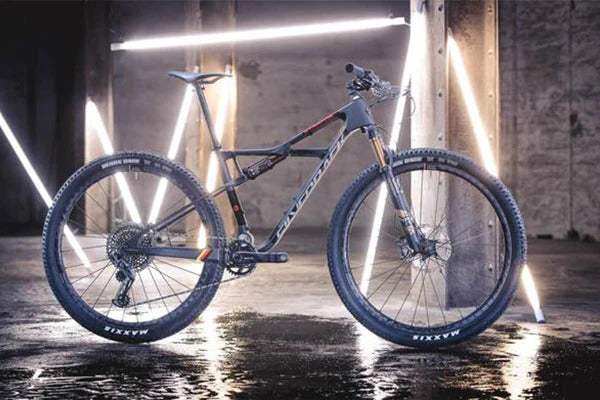
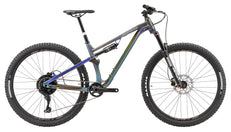
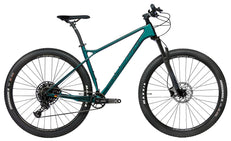
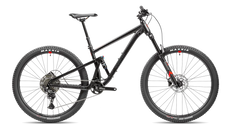
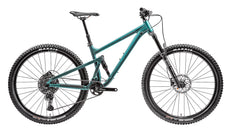
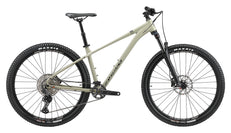
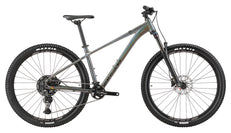
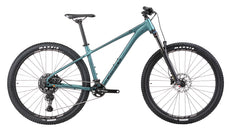
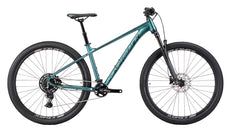
150/145mm Travel
 29" x 2.5" Wheels
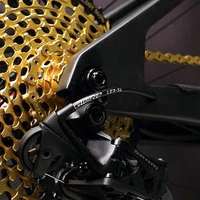
 1x12 Speed SRAM AXS
 EP-801 Shimano Motor
 85Nm Torque
 720Wh Battery
 from 20.9kg
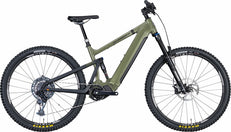
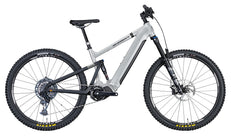
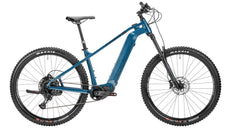
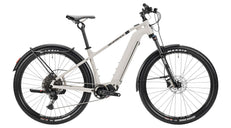
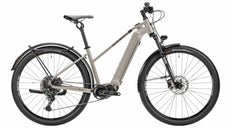
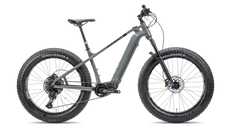
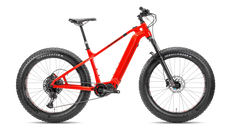

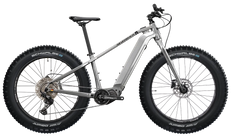

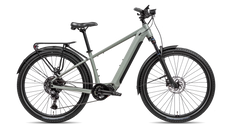
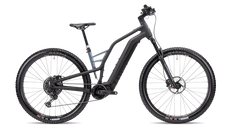
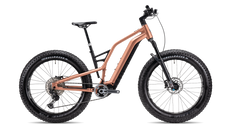
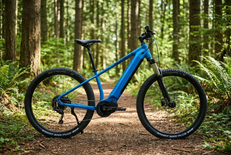
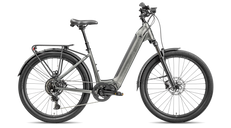
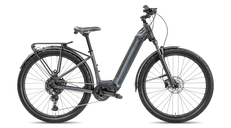
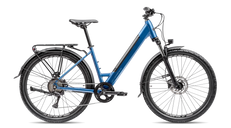
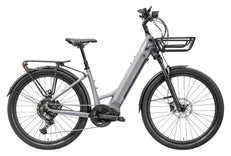
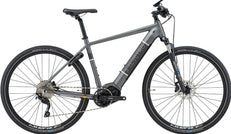
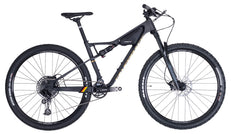
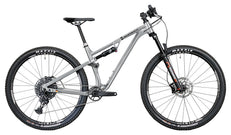
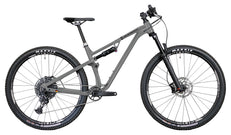
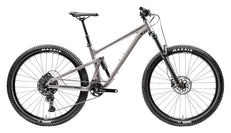
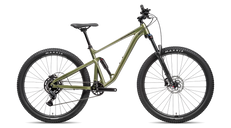
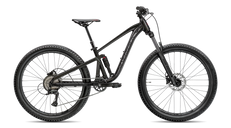
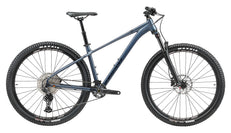
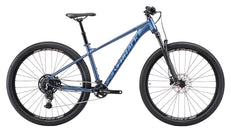
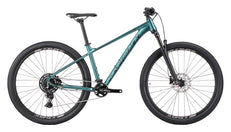
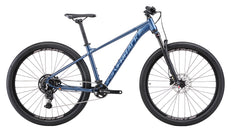
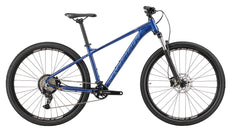
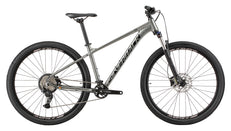
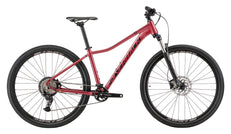
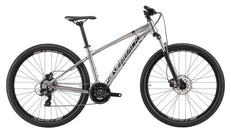
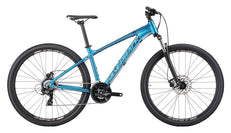
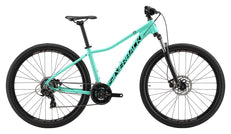
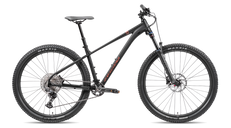
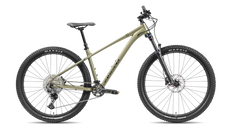
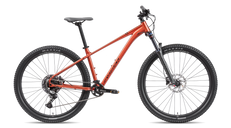
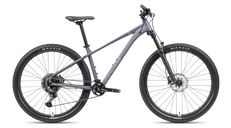
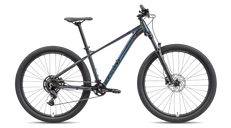
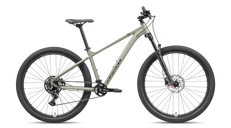
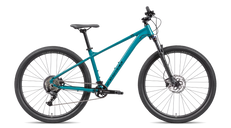
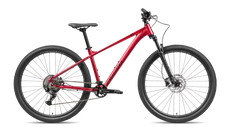
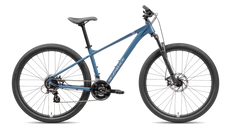
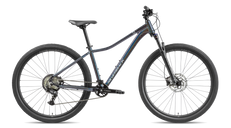
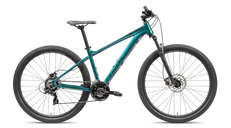
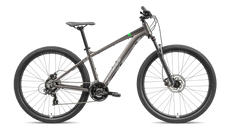
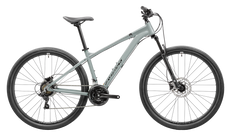
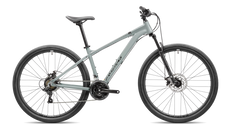
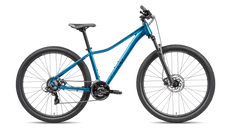
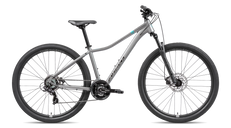
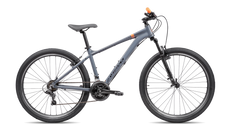
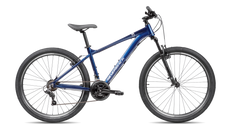
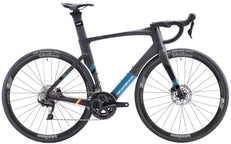
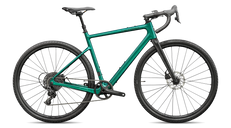
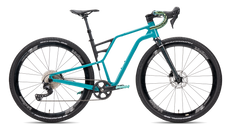
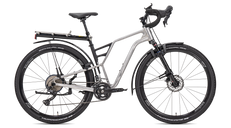
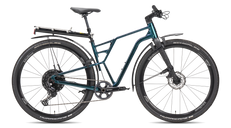
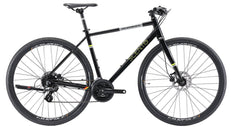
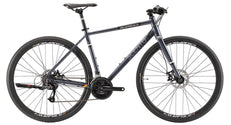
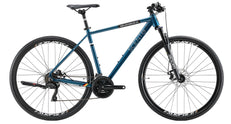
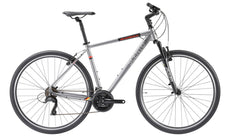
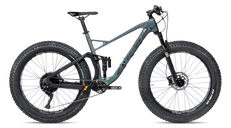
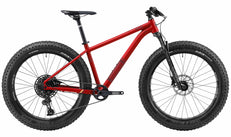
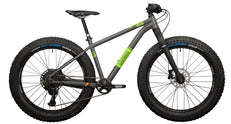
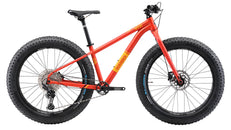
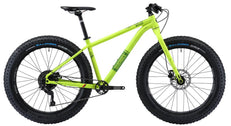
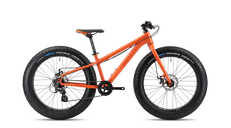
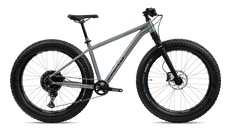
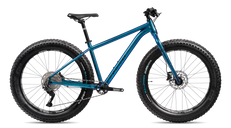
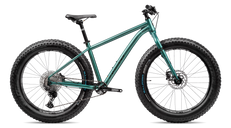
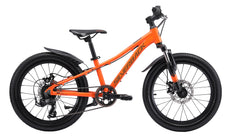
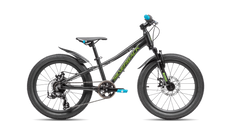
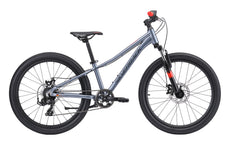
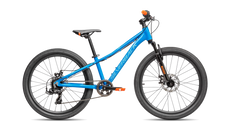
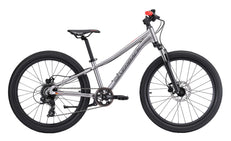
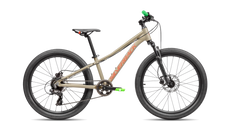
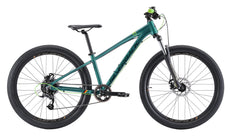
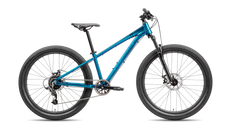





An e-bike still asks me to pedal, but its motor eases climbs, headwinds and a loaded commute. I match its battery, fit and parts to my usual rides.
Here I cover ten decisions and checks to make before buying. Start with your route; motor, range and frame choices follow from it.
Basics of Electric Bicycles
What Is an Electric Bike?
An electric bike combines a bicycle with a battery and motor that assists as I pedal; some models also have a throttle. I still steer, brake and choose how much effort to put in.
How Does an E-Bike Work?
The battery supplies energy, the controller manages assistance, and sensors detect pedalling or throttle input. A display lets me select assist and check speed or remaining charge.
To know more about electric bikes, you can refer to this post: What is an E-Bike and How do Electric Bikes Work?
Different Types of Electric Bikes
I choose a type based on the surfaces and trips I ride most often. Common options include:
-
Commuter and city: Paved routes, errands and everyday trips.
-
Mountain: Off-road trails, with suitable tyres and brakes.
-
Gravel: Mixed surfaces and longer rides beyond smooth pavement.
-
Fat-tire: Loose or soft ground where wider tyres help.
10 Things to Know Before Buying an E-Bike
1. Determine How You’ll Use Your E-Bike
I picture my typical week: commuting, weekend paths, trails or long tours each call for different equipment. Choose for your regular rides, not features you may rarely use.
2. Choose the Right Motor
Hub motors sit in a wheel; mid-drive motors work near the pedals and use the gears. I compare their feel on my route and check torque for hills, since a higher power figure alone does not make a better bike.
3. Understand Battery Capacity and Range
Battery capacity, measured in watt-hours (Wh), helps me compare stored energy. Real range changes with hills, wind, temperature, rider and cargo weight, and assist level, so advertised distance is only an estimate.
You may like to read this: How Long Does an E-Bike Battery Last?
4. Consider Frame Size and Riding Position
A suitable frame keeps my reach, knees and shoulders comfortable, while geometry shapes my posture. I test the fit where possible, since a size chart cannot reveal pressure points or awkward handling.
5. Check the Brakes
An e-bike’s added weight makes predictable braking important, especially on steep routes. I compare mechanical and hydraulic disc brakes, check pad availability and make sure the levers feel comfortable.
6. Look at Gears and Drivetrain
Gearing helps me pedal comfortably on climbs, flats and starts, particularly with luggage. During a test ride, I shift through the gears and listen for skipping, delay or chain noise.
7. Consider Tyres, Suspension and Riding Conditions
Pavement suits faster-rolling tyres, loose paths need grip, and rough trails may call for suspension. I match components to my terrain, since extra tread and suspension add weight and upkeep.
8. Check Weight and Maximum Load
I check the bike’s weight if I need to carry it upstairs, lift it onto a rack or store it in a tight space. I also confirm its load limit for rider, luggage and accessories.
9. Don’t Ignore Warranty, Service and Spare Parts
I ask who can service the motor, source parts and handle warranty claims near me. I check battery and motor coverage separately, since repair support matters after purchase.
10. Set a Realistic Budget
I include a lock, lights, helmet, maintenance and possible battery replacement in the ownership cost. I leave room for a bike that fits and can be serviced locally.
Common Mistakes to Avoid When Buying an E-Bike
I avoid judging a bike by one impressive number. Before deciding, I check that I am not:
-
Choosing by price or motor rating alone.
-
Treating maximum range as guaranteed.
-
Ignoring size, weight, battery support or warranty.
-
Skipping a test ride or checking local access rules.
Common FAQs
How do I choose an electric bike?
I start with my route, then compare motor feel, battery range, fit, brakes and service. A test ride confirms whether the bike suits my daily use.
What should I look for when buying an e-bike?
I check fit, motor and battery details, brakes, tyres and load limit. I also confirm warranty, local service and spare-part availability.
How do I choose an e-bike battery?
I compare watt-hours, expected range, charging needs and whether the battery can be removed. I check that compatible replacements will be available later.
How much battery capacity do I need for an e-bike?
I estimate my usual trip, then allow extra for hills, cold weather, cargo and higher assist. A larger battery stores more energy but adds weight and cost.
How much should I spend on an electric bike?
I budget for my needs, upkeep, safety accessories and battery support. I prioritise fit and service over features I will rarely use.
What is the best type of electric bike for commuting?
I look for comfort, dependable brakes, practical tyres, lights and space for daily belongings. I match the style to my route and local rules.
Is a more powerful e-bike motor better?
Not automatically. I choose assistance suited to my hills and loads, since higher output may use more battery and local rules can restrict access.
How should I charge and store an e-bike battery?
I follow the bike’s instructions and use its specified charger, storing the battery away from extreme temperatures. I stop using it if it appears damaged.
Conclusion
Choosing an electric bicycle gets easier when I start with the rides I want it to make possible. Then I compare motor, battery, range, fit and components against my routes and budget.
I check local service, spare parts and riding rules before buying. Explore Silverback’s electric bike range and compare the styles with the riding you have in mind.