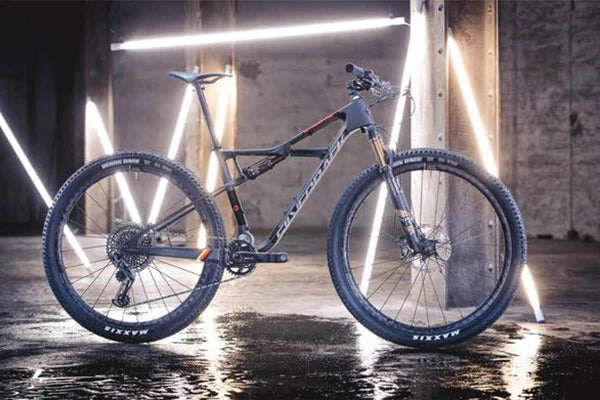
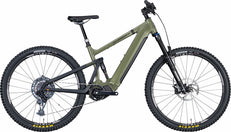
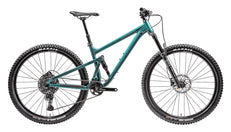
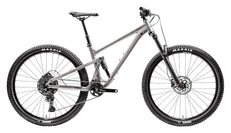
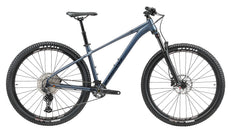
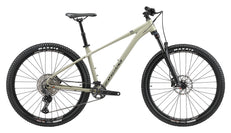
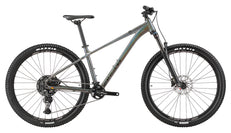
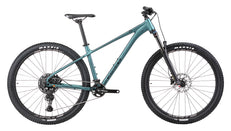
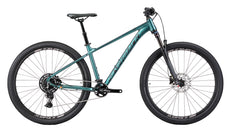
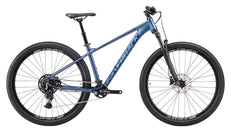
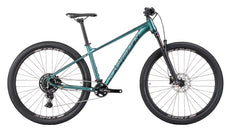
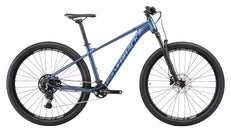
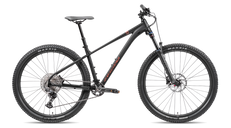
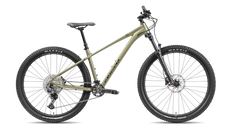
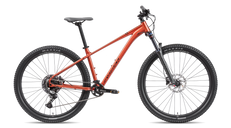
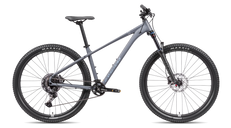
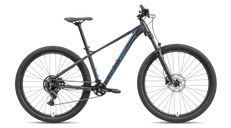
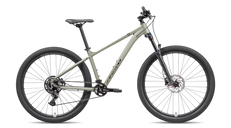
150/145mm Travel
 29" x 2.5" Wheels
 1x12 Speed SRAM AXS
 EP-801 Shimano Motor
 85Nm Torque
 720Wh Battery
 from 20.9kg


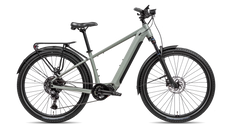
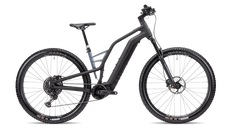
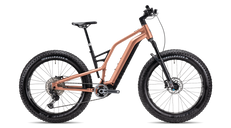
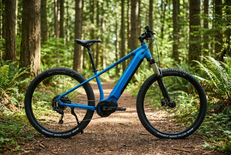
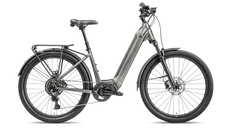
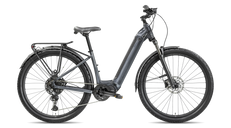
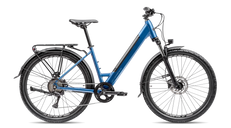
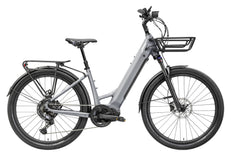
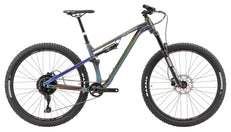
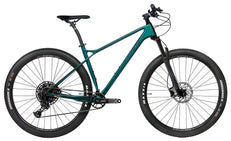
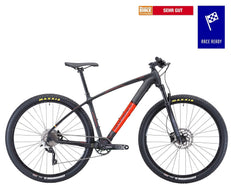
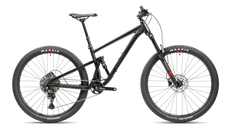
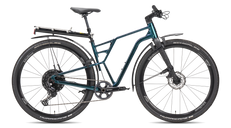
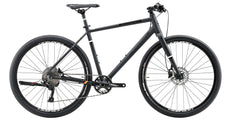
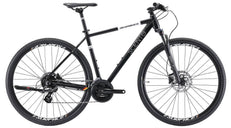
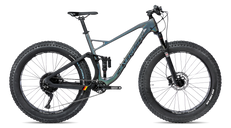





Overview on E-Bike Batteries
Let's get something out of the way first. Every e-bike battery is going to die eventually. That's not a scare tactic, it's just chemistry. But here's the part most people don't realize until they're a few years into owning their bike: how long that battery lasts is mostly up to you.
Two riders can buy the exact same pair of E-Bikes, from the same shop, on the same day. Three years later, one of them is still getting most of their original range, and the other is wondering why their commute suddenly needs a mid-ride top-up. The difference usually isn't luck. It's charging habits, storage, temperature, and a handful of small choices that add up over hundreds of rides.
So before you start Googling replacement batteries, let's talk about how long do electric bicycle batteries last, what's actually going on inside that pack, what shortens its life, and what you can do starting today to get more years and more miles out of it.
How Long Do Electric Bicycle Batteries Last?
If you want the short answer, most e-bike batteries hold up for somewhere between 3 and 7 years, or roughly 500 to 1,000 full charge cycles, before you'll notice a real drop in performance. Some premium packs, especially the ones from established names in the drive system space, are rated for well over 1,500 cycles. On the other end, a cheaper, no-name battery might start fading closer to the 2 to 3 year mark.
Here's the thing about "charge cycles" that trips people up. A cycle isn't one plug-in session, it's using 100% of the battery's capacity, whether that happens in one go or across five separate top-ups. So if you charge from 50% to 100% one day, then again the next, that's one full cycle between the two rides, not two. This is actually good news, because it means the little top-off charges you do after work aren't burning through cycles nearly as fast as you'd think.
In terms of miles, a decent quality battery paired with normal riding habits can realistically carry you 20,000 to 25,000 miles before it's really showing its age. Ride a little, charge a little, and that number stretches out even further. It's part of why so many owners of our Electric Bicycles are still riding on their original battery years after purchase.
You may like to read this: What is an E-Bike and How do Electric Bikes work?
How Long Do E-Bike Batteries Last on One Charge?
This is a different question from lifespan, and it trips a lot of new riders up. On a single charge, most e-bike batteries will get you somewhere between 25 and 70 miles, and that range swings wildly depending on a few things: how much pedal assist you're leaning on, the terrain, your weight plus any cargo, wind, and even tire pressure. Cruise around town in a low assist mode on flat roads and you'll land toward the top of that range. Blast up hills in the highest assist setting with a loaded pannier and you'll burn through it much faster.
If you want more per-charge range without buying a bigger battery, drop down a pedal-assist level or two. It sounds small, but it can genuinely stretch your range by 20 to 40 percent depending on the terrain you're covering. This is exactly the kind of thing we had in mind when we put together our E-Bikes for Daily Commuters, since a consistent daily range matters a lot more than a headline top speed once you're actually relying on the bike to get to work.
What Affects eBike Battery Lifespan?
A battery doesn't wear out from one big thing, it's death by a thousand small habits. Here's what actually moves the needle.
Charging habits are the biggest factor by far, and honestly they probably account for more than half of how well your battery ages. Letting it sit at 0% for long stretches, leaving it plugged in at 100% for days, or always waiting until it's nearly dead before recharging all speed up degradation. Partial charges are perfectly fine for a lithium-ion battery, so there's no need to run it flat before topping up.
Temperature plays a bigger role than most riders expect. Heat is the real enemy here, since anything consistently above 90°F speeds up the chemical breakdown inside the cells, sometimes doubling the rate of degradation. Cold weather isn't as permanently damaging, but it will noticeably cut your range on any given ride because the chemical reactions inside the battery slow down when it's freezing.
Storage practices matter more than people think, especially over winter or any stretch where the bike sits unused for weeks. A battery left fully drained in a cold garage for months is one of the most common ways riders accidentally kill a perfectly good pack.
Riding conditions and rider weight also come into play. Hills, stop-and-go traffic, heavy cargo, and a rider who's on the heavier side all mean the motor is drawing more current more often, which puts extra strain on the cells over time.
Battery quality and build round things out. A well-made pack with a solid battery management system will simply hold up longer than a cheap generic one, even under identical riding conditions, because the electronics inside are doing a better job regulating voltage, temperature, and charge rate.
How to Increase E-Bike Battery Lifespan? Important Maintenance Tips
None of this is complicated. It's mostly about building a few habits and then not thinking about it again.
Keep your charge between roughly 20% and 80% for everyday use, and save the full 100% charges for days when you actually need the extra range. Always use the charger that came with your bike, since off-brand chargers can push voltage or current levels the battery management system wasn't designed to handle. Try not to leave the battery sitting on the charger for days after it hits full, and avoid charging it in a freezing garage or a hot car.
If the bike is going into storage for more than a few weeks, get the battery to somewhere around 40 to 60% charge first, not full and not empty. Store it indoors, somewhere cool and dry, away from direct sunlight, and check on it every couple of months so it doesn't quietly drain down to zero.
Keep the contacts clean and dry. After a wet ride, wipe the battery down and let it air dry before you plug it back in, since moisture sitting on the terminals is one of the more common causes of connection issues down the road. And resist the urge to bolt on any third-party gadget that claims to "extend" battery life. Most of the time these do the opposite, and they can void your warranty in the process.
Common FAQs
Is it okay to charge an e-bike battery every day?
Yes, absolutely. Charging after every ride is not going to hurt a modern lithium-ion battery, and for a lot of riders it's actually the easiest habit to stick to. What does more damage is the opposite, letting the battery sit uncharged for long stretches between rides.
How often should I charge my eBike battery?
A good rule of thumb is to charge after each ride, or once you drop to around 30 to 40%. There's no need to wait until it's nearly empty, and there's no benefit to squeezing out every last percent before plugging in.
Does the position of the e-bike battery affect its lifespan?
No, it doesn't. Whether your battery sits on a rear rack, inside the down tube, or mounted on the frame has no bearing on how long it lasts. What actually determines lifespan is how it's charged, stored, and handled, not where it's physically located on the bike.
Is it worth replacing an ebike battery?
In most cases, yes. A new battery is almost always cheaper than a new bike, and if the frame, motor, and drivetrain are still in good shape, replacing just the battery is usually the smarter move financially. The one thing worth avoiding is going with a cheap, unbranded replacement just to save a bit of money upfront, since a lower quality pack tends to degrade faster and can even pose a safety risk.
What's the ideal temperature for charging?
Somewhere between 50°F and 77°F is the sweet spot. Charging in extreme cold or extreme heat puts unnecessary stress on the cells, so if you can charge indoors at room temperature, that's going to be best for long-term battery health.
How to Monitor E-Bike Battery Health?
Most modern e-bike systems come with a companion app that shows you charge cycles, current capacity, and general battery status right from your phone. Beyond that, keep an eye out for the practical signs: is your range noticeably shorter than it used to be, does the battery take longer to hit full, does it feel unusually warm during charging? Any of those are worth paying attention to. If you want a deeper diagnostic, a bike shop with the right equipment can check individual cell voltages and internal resistance, which gives a much clearer picture than an app ever could.
When is it time to replace the e-Bike battery?
There's no single magic number, but a few signs usually show up together: your range has dropped noticeably below what you need for your usual rides, the battery struggles to hold a charge or takes much longer to fill up, or you're getting power fluctuations mid-ride. If you're regularly getting on toward 700 to 1,000 charge cycles and starting to notice these symptoms, it's a good time to start budgeting for a replacement.
What's the best type of battery for an electric bike?
Lithium-ion is the standard, and for good reason. It packs more energy into a lighter unit than the alternatives, holds up over hundreds of charge cycles, and is what practically every mainstream e-bike on the market uses today. Older battery types like lead-acid or nickel-cadmium still show up occasionally on budget bikes, but they're heavier, hold less charge, and wear out faster.
Should I remove my e-Bike battery when not in use?
For short breaks between rides, there's no need, just leave it on the bike. For longer storage, say more than a few weeks, it's worth taking it off and keeping it indoors at a moderate temperature rather than leaving it exposed to whatever the garage or shed throws at it.
How Many Years Can I Expect My Electric Bike to Last?
The bike as a whole, frame, motor, drivetrain, and all, can realistically last anywhere from 3 to 10 years or more with decent care, and a well-built frame can genuinely outlive several battery replacements over its lifetime. The motor itself tends to hold up for around 10,000 miles or more before it needs real attention, assuming you're keeping it clean and not constantly overloading it. Basically, expect the battery to need replacing before the rest of the bike does, and plan your budget accordingly.
How Does Weight Affect My E-bike's Lifespan?
Carrying more than your bike is rated for, whether that's rider weight, cargo, or both, puts extra strain on the frame, the motor, and the battery all at once. The motor has to work harder to move that extra load, which drains the battery faster and generates more heat, and over time that added stress can wear down components sooner than they'd otherwise fail. Sticking close to the manufacturer's weight guidelines is one of the simplest ways to protect your whole bike, not just the battery.
Conclusion
At the end of the day, an e-bike battery isn't some fragile thing you need to baby constantly, it's a pretty resilient piece of tech that just responds well to a few consistent habits. Keep it charged between 20 and 80% most days, store it properly when it's not in use, keep it away from extreme heat, and use the charger it came with. Do that, and there's a good chance you'll be riding on your original battery well past the point most people start shopping for a replacement. And when the day does come, remember it's just a part swap, not the end of the bike.