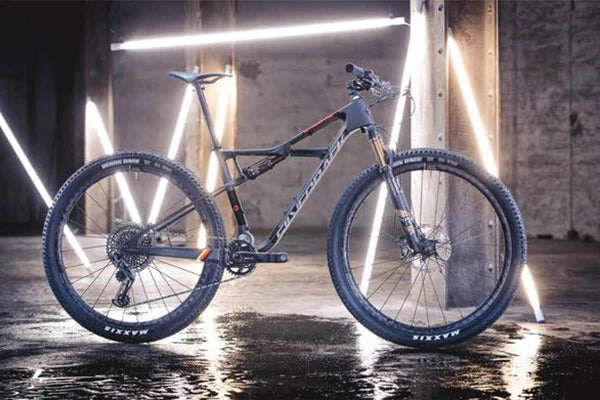
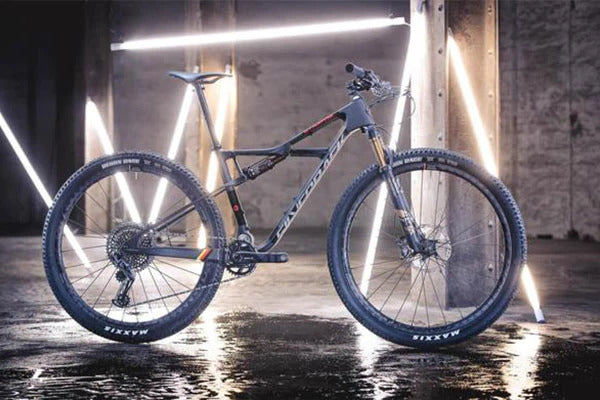
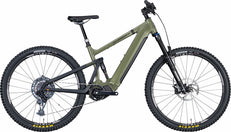
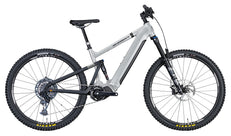
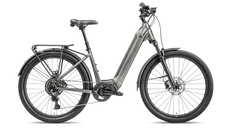
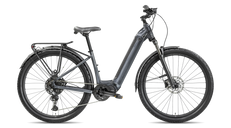
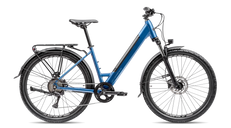
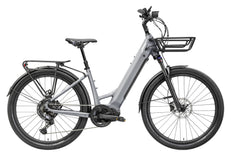
150/145mm Travel
 29" x 2.5" Wheels
 1x12 Speed SRAM AXS
 EP-801 Shimano Motor
 85Nm Torque
 720Wh Battery
 from 20.9kg
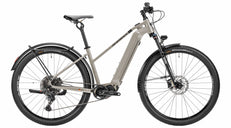
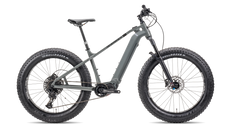
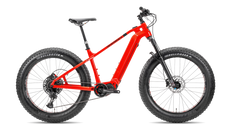

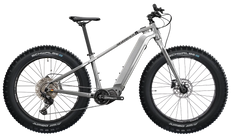

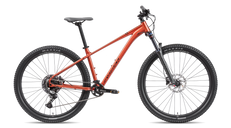
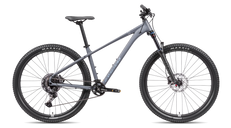
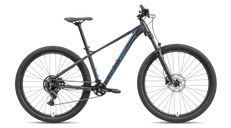
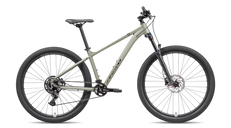
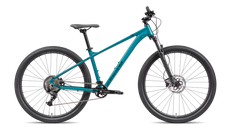
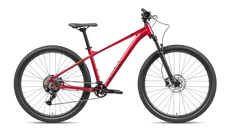
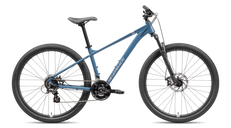
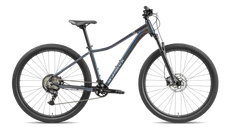
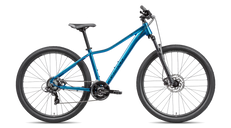
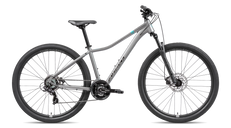
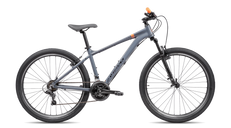
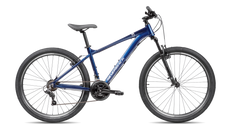
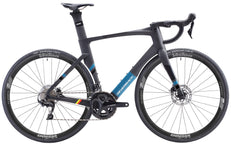
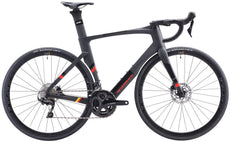
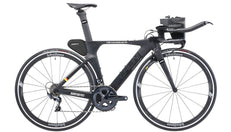
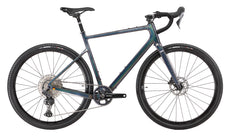
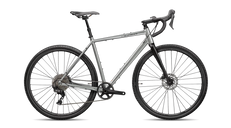
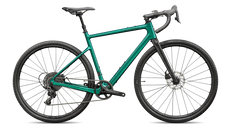
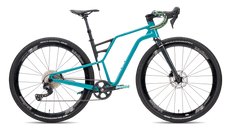
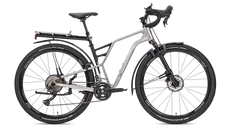
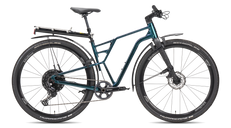
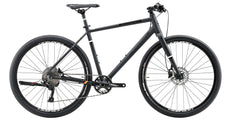
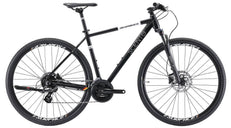
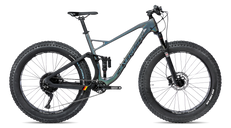
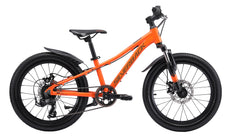
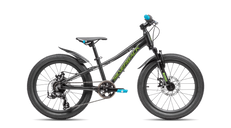
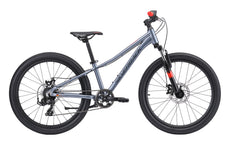
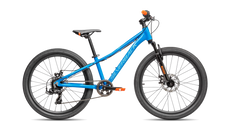




If you have ever watched a rider glide past traffic, hold a steady pace for miles, and still look fresh, chances are they were on a road bike. A good road bike feels quick the moment you start pedalling, but the real magic is how efficiently it turns your effort into speed on smooth roads.
In this guide, I will keep it practical and simple. You will understand what a road bike really means, the main types you will see in the market, and how to choose the right one for your body and riding goals without wasting money on the wrong setup.
What is a Road Bike? The Meaning
When people say Road Bikes, they usually mean a lightweight bicycle built to ride fast and efficiently on paved roads. If you are asking, What is a Road Bike, think drop handlebars, narrow tires, and a position that helps you cut through wind.
The frame is designed to feel quick under power, not cushy like a comfort bike. That is why road bikes reward smooth pedalling and good fit more than brute strength.
Understanding the Purpose of a Road Bikes
The main purpose is speed with efficiency, especially on long rides where energy savings matter. A road bike helps you maintain steady pace, climb better, and cover more distance without feeling like the bike is holding you back.
It also gives a very direct connection to the road, which many riders love. With the right setup, you can ride farther with less fatigue compared to heavier, upright bikes.
What is a road bike used for?
Road bikes are used for fitness rides, group rides, commuting on smooth roads, and weekend endurance adventures. They are also the standard choice for events like sportives, charity rides, and road racing formats.
Many riders use a road bike as their base training tool because it builds strong aerobic fitness. If your rides are mostly pavement, it is often the most practical and enjoyable option.
Difference between Road Bikes and Other Bikes
The easiest way to compare bikes is to look at tires, body position, and intended terrain. Road bikes focus on low rolling resistance and aerodynamics, while other categories trade speed for comfort or off road ability.
Here is how the key comparisons usually feel in real life. Use these points to decide based on your local roads and your riding goals.
Road Bikes vs Mountain Bikes
A mountain bike is built for loose dirt, rocks, and steep trails, so it uses wide tires and suspension for control. A road bike feels faster on pavement, but it is not designed for big hits or chunky surfaces.
If your route includes rough trails, a mountain bike will feel safer and more forgiving. If your route is mainly tarmac, a road bike will feel smoother and quicker at the same effort.
Road Bikes vs City Bikes
City bikes prioritize comfort and convenience, usually with upright posture and practical add ons. Road bikes prioritize efficiency, so they often feel lighter and more responsive when you accelerate.
If you ride in regular clothes, carry groceries, or stop often, a city bike can be stress free. If you care about pace and distance, a road bike tends to win.
Road Bikes vs Gravel Bikes
Gravel bikes sit between road and off road, with wider tire clearance and more stable geometry. Road bikes feel sharper and faster on clean pavement, but less confident when roads get broken or sandy.
If your riding includes mixed surfaces, a gravel bike gives flexibility without feeling slow. If you stay on smooth roads, a road bike still feels more lively.
Road Bikes vs Hybrid Bikes
Hybrids aim for an easy, upright ride with flat bars and moderate tires. Road bikes use drop bars and a forward position, which can feel intense at first but becomes natural with proper fit.
Hybrids are great for casual rides and shorter commutes, especially with frequent turns and stops. Road bikes are better when you want speed, distance, and structured training.
Different Types of Road Bikes Explained
Road Bike Types can be grouped by how aggressive the position is and how much comfort they build in. Most brands offer race-focused bikes, endurance bikes, aero bikes, and all road options that sit between road and gravel.
Race bikes feel sharp and quick, but they demand flexibility and confident handling. Endurance bikes feel smoother and more relaxed, which is why many first-time buyers start there.
Aero bikes focus on cutting wind at high speed, often with deep tube shapes and integrated parts. All road bikes add clearance for wider tires, which helps comfort and grip on imperfect pavement.
How to choose a road bike: Your ultimate buying guide
Start with your riding goals, because the best bike is the one that matches your weekly reality. If you want long comfort rides, go endurance. If you love fast group rides, race or aero can make sense.
Next, set a budget that includes pedals, a helmet, lights, and a basic maintenance kit. A slightly simpler bike with correct fit and reliable components often beats an expensive bike that does not suit your body.
Use this practical checklist before you buy:
-
Fit first: The right frame size and reach should feel natural, not like you are stretching or cramped. If the fit is off, even the best bike will feel uncomfortable on longer rides.
-
Tires: Slightly wider tires smooth out rough roads and reduce fatigue, while still rolling fast. Most riders feel the comfort difference on the first ride itself.
-
Gearing: If your routes include climbs, easier gears save your knees and keep you spinning instead of grinding. It is one of the biggest “real-world” upgrades for enjoyable riding.
-
Brakes: Disc brakes give steadier stopping power in rain and on long descents, which builds confidence. They also handle heat better when you brake more often.
-
Test ride: A bike can feel great for 30 seconds and wrong after 10 minutes. Ride long enough to notice pressure on hands, neck, and saddle before you decide.
What Size Road Bike Do You Need?
Road Bike Size is not just about height, because torso length, arm length, and flexibility change the ideal fit. A good starting point is the brand’s size chart, then adjusting the reach and saddle position for comfort.
If you feel stretched, your neck and hands will complain first. If you feel cramped, breathing feels restricted, and you will struggle to stay smooth on longer rides.
A simple way to get close before a fitting is to measure your inseam and compare it to the manufacturer's chart. After that, fine-tuning with stem length and handlebar height can transform comfort.
Common FAQs
Why are all-road bikes ideal?
All road bikes are ideal for riders who want one bike that stays quick on pavement but feels calm on rough roads. Wider tire clearance lets you run lower pressure, which improves comfort and grip without complex upgrades.
They are also a smart choice if your routes change with seasons or travel. You get flexibility without fully committing to a gravel-specific setup.
How to measure road bike size?
Measure your height and inseam, then compare both to the brand’s sizing chart for the model you want. If you land between sizes, choose based on reach, because a slightly smaller frame is often easier to adjust.
After buying, confirm saddle height, saddle setback, and handlebar reach. A basic professional fit saves time, discomfort, and money later.
How to air up road bike tires?
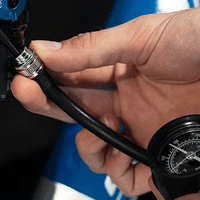
Check the tire sidewall for the recommended pressure range, then use a pump with a gauge for accuracy. If roads are rough, slightly lower pressure often feels faster because the bike tracks better and skips less.
Also, match pressure to tire width and rider weight, not just a number you saw online. Consistency matters more than chasing the highest pressure.
How to change a road bike tire?
Shift to the smallest rear cog, open the brake if needed, and remove the wheel carefully. Use tire levers to lift one bead, replace or patch the tube, then reseat the tire and inflate slowly while checking alignment.
Before reinstalling, inspect the tire for glass or debris to avoid instant flats. Spin the wheel and confirm the brake is centered before riding.
How fast can a road bike go?
Speed depends on fitness, wind, terrain, and tire choice, but road bikes are built to hold steady pace efficiently. Many riders cruise comfortably on flat roads and can go much faster in a group due to drafting.
If you want more speed, focus on position, tire pressure, and consistent training. Those gains usually beat expensive upgrades.
How to wrap road bike handlebars?
Start at the bar end, overlap the tape evenly, and keep tension consistent as you move upward. Cover the clamp area neatly, then finish with strong tape and clean edges for comfort and durability.
Take your time around the brake hoods because that is where your hands rest most. A clean wrap improves grip and reduces hand fatigue.
How much does a road bike cost?
Pricing varies widely based on frame material, components, and brand, so set a budget around your riding frequency. A solid entry-level road bike can be excellent for learning, while higher tiers add lighter weight and smoother shifting.
Also budget for fit, maintenance, and essentials like a pump and spare tubes. Those small items are what keep you riding consistently.
Conclusion
A road bike is a fast, efficient tool for paved miles, fitness, and long rides that feel rewarding. If you choose the right style, get the fit right, and keep the setup simple, you will enjoy every ride more.
If you share your height, inseam, and the kind of roads you ride most, I can suggest a starting size range and the most sensible bike type for your budget.