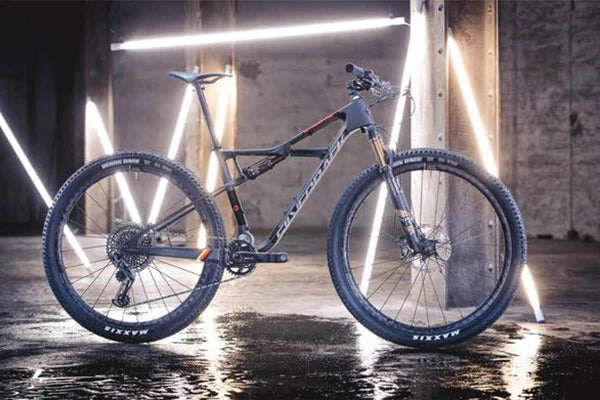
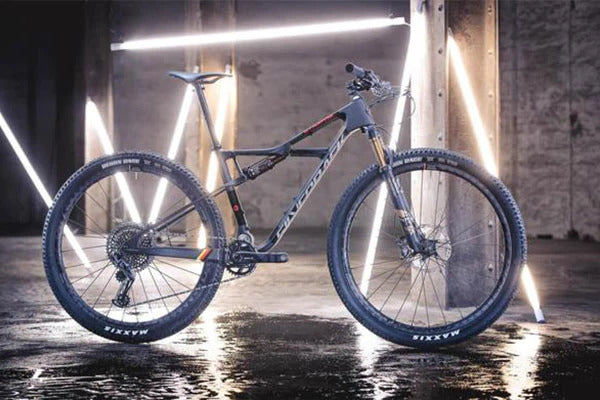
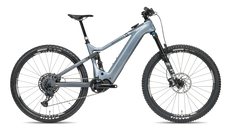
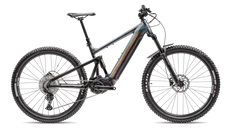
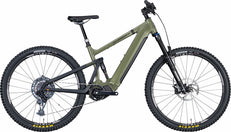
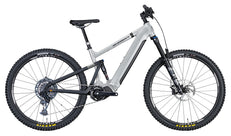
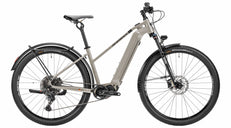
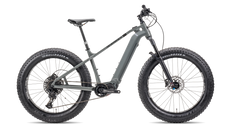
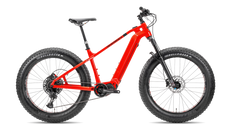
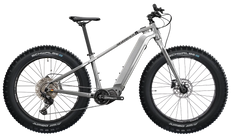
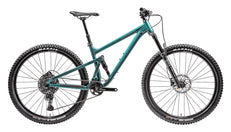
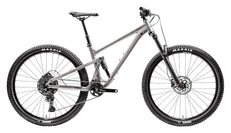
150/145mm Travel
 29" x 2.5" Wheels
 1x12 Speed SRAM AXS
 EP-801 Shimano Motor
 85Nm Torque
 720Wh Battery
 from 20.9kg


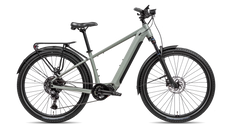
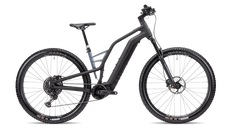
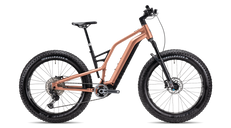
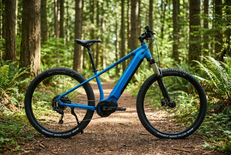
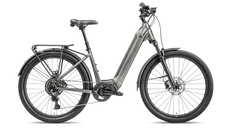
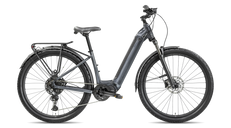
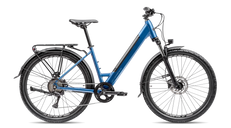
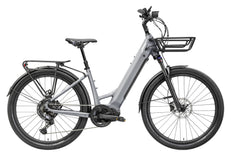
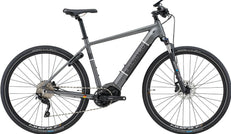
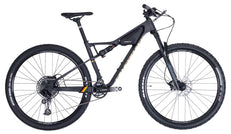
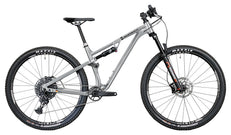
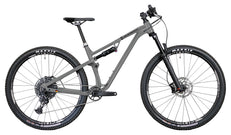
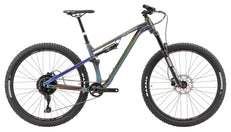
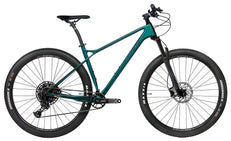
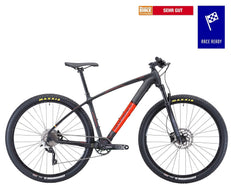
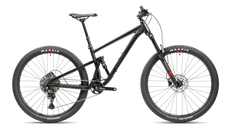
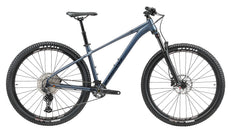
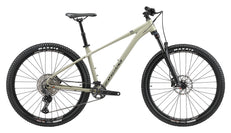
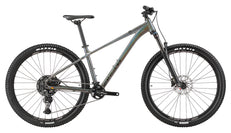
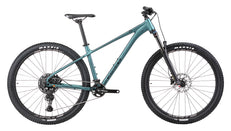
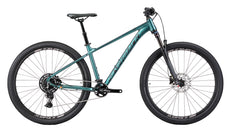
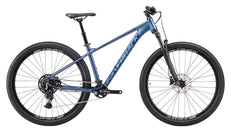
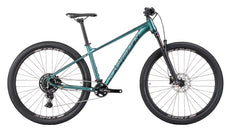
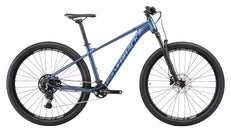
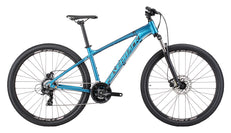
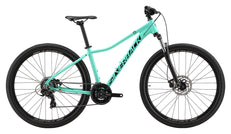
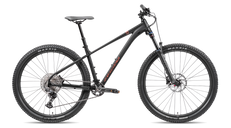
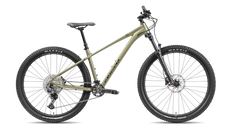
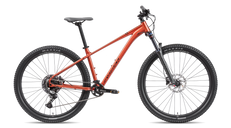
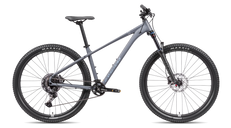
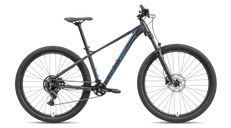
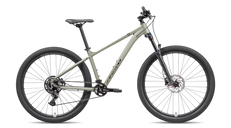
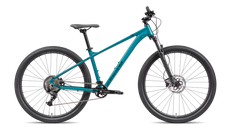
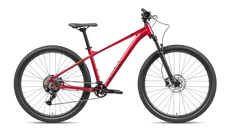
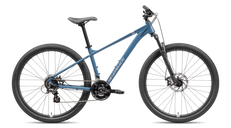
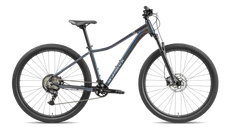
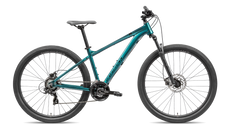
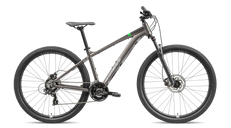
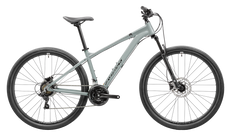
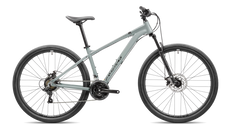
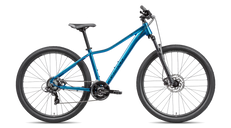
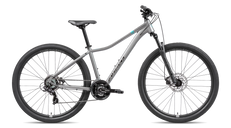
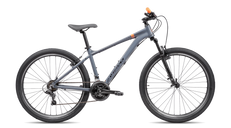
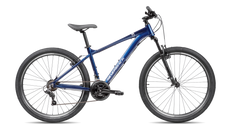
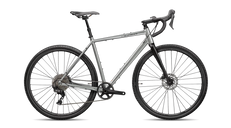
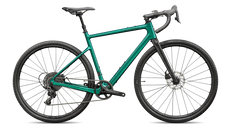
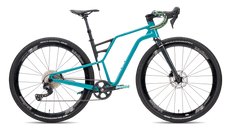
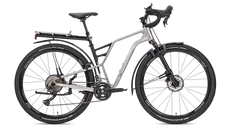
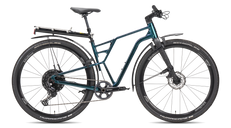
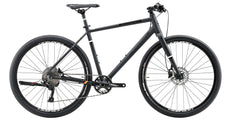
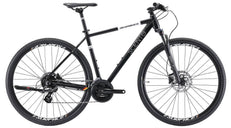
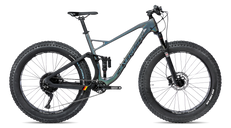
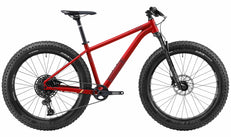
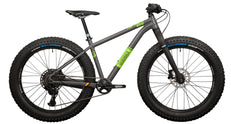
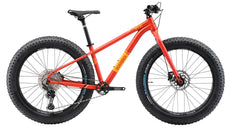
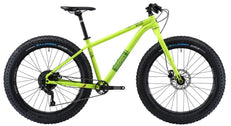
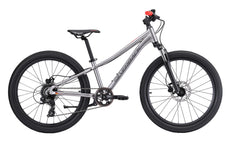
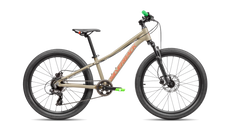
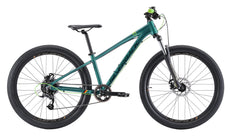
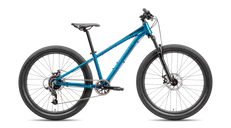




If you have ever watched riders float through rock gardens and still look calm, that is the magic of downhill riding done right. It is fast, technical, and addictive, but it also rewards the right bike setup and a smart approach to choosing gear.
In this guide, I will break down what downhill mountain biking really is, what makes a downhill bike different, and how to pick one that fits your trails and riding style. Think of this as the practical advice I would give a friend before their first serious bike park or shuttle season.
What is Downhill Mountain Biking?
Downhill mountain biking is the gravity-focused side of MTB where the goal is simple, get down steep, rough trails fast while staying in control. It demands sharp braking, confident cornering, and smart line choice on rocks, roots, and drops.
Most riders start on easier bike park tracks, then progress to natural descents with tighter turns and bigger hits. If you like speed with technical problem-solving, downhill is a perfect skill-building playground.
Overview of Downhill Mountain Bikes (DH MTB Bikes)
DH MTB Bikes are purpose-built for descending, with long travel suspension, slack geometry, and tough components that survive repeated impacts. They feel planted at speed, but they are heavier and less friendly when you need to pedal uphill.
The design prioritizes stability, traction, and composure, which is why they shine on steep trails and jump lines. Common features include dual crown forks, powerful brakes, wide bars, and aggressive tires for grip.
What is a DH MTB Used For?
A Downhill MTB is mainly used for bike park laps, shuttle runs, and race-style descents where climbing is not the priority. It is the right tool when the trail is fast, steep, and rough enough to overwhelm lighter trail bikes.
It also suits riders who want maximum confidence on drops, rock gardens, and high-speed corners. For mixed rides with long climbs, most riders choose a different category to stay efficient.
Benefits of DH MTB Bikes
The biggest benefit is control, because extra suspension travel and stable geometry help the bike track the ground instead of deflecting off it. That stability reduces fatigue and lets you focus on braking points, body position, and smooth lines.
Another advantage is durability, since frames, wheels, and drivetrains are chosen to handle hard landings and repeated hits. For many riders, that toughness lowers long term repair stress and increases ride time.
How to Choose a Downhill MTB: A Complete Guide
Start with your terrain and access, because bike parks and shuttle routes reward a full DH setup, while mixed climbs often do not. Be honest about where you ride most, and choose a bike that matches that reality instead of a fantasy season.
Look at fit and geometry next, because the right reach and stack make you calmer when speeds rise, and mistakes get expensive. A proper size also helps you stay centered on steep chutes, which improves traction and braking control.
Pay close attention to suspension quality and setup support, because a great shock and fork feel better than extra travel with poor damping. Choose a platform with easy tuning, then set sag, rebound, and tire pressure for your weight and trails.
Focus on braking and wheels, since downhill riding punishes weak parts faster than any spec sheet suggests. Strong rims, reliable hubs, and four-piston brakes with big rotors can turn a sketchy descent into a confident one.
Use this quick checklist before you buy:
-
Terrain match (bike park, shuttle, or mixed riding): Buy for where you ride most, not what looks cool online. If you do lap lifts or shuttles, go DH focused. If you pedal and descend in the same ride, you will want something more balanced.
-
Suspension (quality fork and shock, plus service access): A well-damped fork and shock can make an average frame feel amazing, and a cheap setup can ruin a great bike. Also, check service support in your area, because suspension needs regular care to stay smooth.
-
Brakes (four piston calipers and large rotors): On long, steep descents, weak brakes overheat and lose bite, and that is when mistakes happen. Four piston brakes with bigger rotors give you stronger control and more consistent braking lap after lap.
-
Wheels and tires (tough rims and grippy casings): Downhill trails destroy flimsy wheels and thin tires fast. Look for tough rims and proper DH or enduro casings so you get fewer flats and better grip when you commit to a line.
-
Sizing (stable but not cramped, room to move): You should feel centered with space to shift your weight, especially on steep chutes and big compressions. Too small feels twitchy, too big feels hard to handle, so confirm reach and standover, not just the label on the frame.
Common FAQs
DH MTB Bikes Vs. Enduro Mountain Bikes - How are they different?
Downhill bikes prioritize descending above all else, so they use more travel, slacker angles, and heavier-duty parts for stability at speed. Enduro bikes still descend hard, but they balance that with pedalling efficiency for long climbs.
If you compare them back to back, the downhill bike feels calmer in rough sections, while the enduro bike feels more versatile across an entire mountain loop. Your local trails and uplift access usually decide which one makes more sense.
What is the latest Silverback Enduro Mountain Bike can you recommend?
I would recommend one of the latest Silverback SE:SERIES ENDURO 11 model which is engineered for riders who demand confidence, control, and speed on technical terrain. Designed with a lightweight alloy frame and long-travel dual suspension, this bike delivers exceptional handling for aggressive descents, enduro racing, and demanding trail adventures.

What bike should I buy, a downhill MTB or an Enduro MTB?
Buy a downhill bike if most of your riding is lift-served or shuttle-based, and you want maximum confidence on steep and rough tracks. Buy an enduro bike if you regularly earn your descents and need one bike to climb and descend well.
A simple rule works for most riders, if you climb for more than you descend, choose enduro, and if you descend for more than you climb, choose downhill. When in doubt, rent both for a day at your local park and compare fatigue and control.
What are the best downhill mountain bikes?
The best bike is the one that fits your body, matches your trails, and has suspension you can set up correctly. Brand names matter less than geometry, component quality, and how well the bike is maintained.
Shortlist models that have strong warranty support, available spares, and a proven suspension platform. If possible, test ride on a familiar trail and judge stability, braking feel, and corner grip.
Can I use a hardtail MTB for downhill biking?
You can ride a hardtail on downhill trails, but it demands more skill, smoother lines, and lower speed to stay safe on big impacts. It is easier to get bounced offline, and you will feel more fatigue in your legs and hands.
For mild descents and learning basics, it can still be fun and educational. For high-speed rock gardens, drops, and repeated bike park laps, a full suspension bike is the safer and faster choice.
Which is the better wheel size for an MTB, 27.5 or 29er?
A 29er rolls over rough terrain more easily and tends to feel stable at speed, which many riders like for steep and choppy trails. A 27.5 wheel can feel more playful, easier to whip, and quicker to change direction in tight turns.
Your height, riding style, and trail layout matter more than internet debates. If you can, try both sizes on the same trail and pay attention to corner entry confidence and how the bike handles braking bumps.
Do I need a full suspension mountain bike for downhill?
For true downhill riding, full suspension is strongly recommended because it improves traction, control, and comfort on repeated impacts. It helps you brake later, hold lines better, and stay less tired across multiple laps.
That said, not every descent requires the same tool, and some riders enjoy underbiking for skill development. If your trails are steep, fast, and rough, full suspension is the practical choice for progress and safety.
Conclusion
Downhill riding is one of the fastest ways to build bike handling, confidence, and trail awareness, but it rewards the right equipment and setup. Choose a bike that fits your terrain, then invest time in suspension tuning, braking technique, and smart progression.
If you tell me your height, typical trails, and whether you ride lifts or pedal up, I can suggest a category, sizing direction, and a practical spec checklist for your budget.