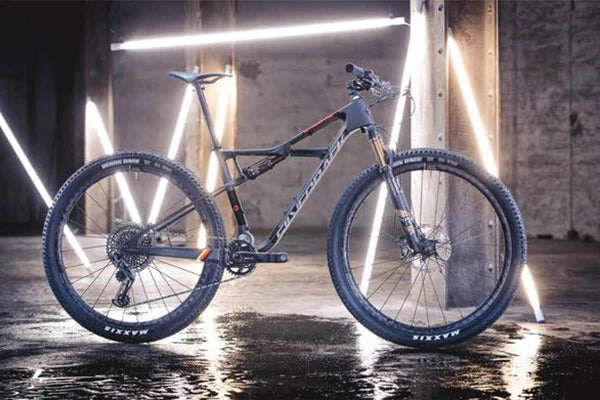
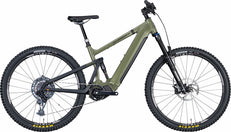
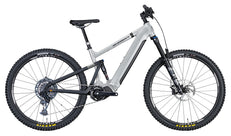
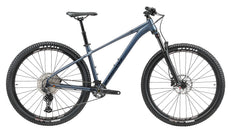
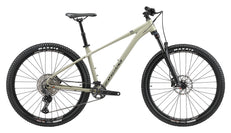
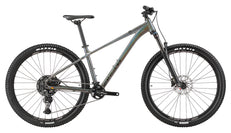
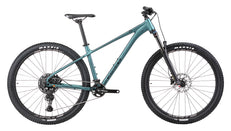
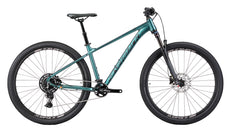
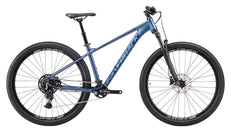
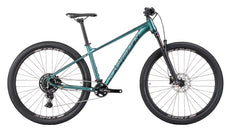
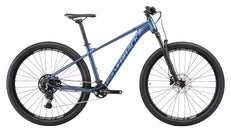
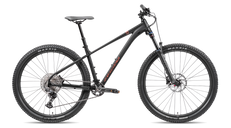
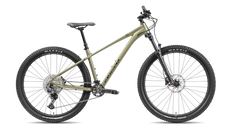
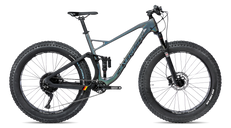
150/145mm Travel
 29" x 2.5" Wheels
 1x12 Speed SRAM AXS
 EP-801 Shimano Motor
 85Nm Torque
 720Wh Battery
 from 20.9kg


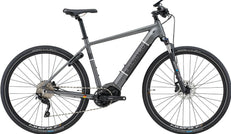
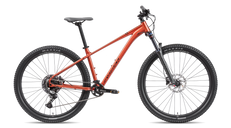
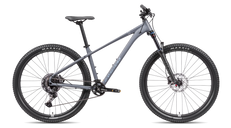
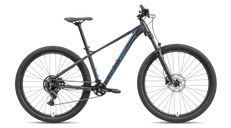
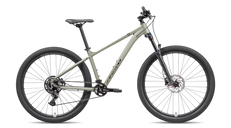





Basics of E-bikes & How They Work
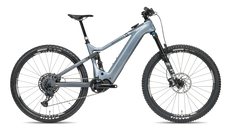
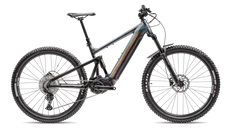
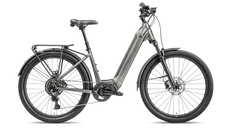
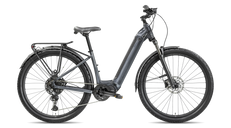
Let's start simple. An electric bike is still a bike. You've got two wheels, a frame, pedals, and brakes, all doing exactly what they've always done. The difference sits in three extra parts: a battery, a motor, and a small sensor that tells the motor when and how much to help. Most electric bikes work on what's called pedal assist, sometimes labelled PAS. You pedal, the sensor notices, and the motor kicks in to amplify your effort rather than replace it. It's not a scooter, and it's not a motorbike; it's more like someone giving you a gentle push from behind every time your legs are already moving. Some bikes also come with a throttle, which lets you get moving without pedalling at all, similar to twisting a gas pedal in a car.
Almost every e-bike gives you a few assist levels to choose from, usually numbered zero through four or five. Zero means no help at all, and the top level means the motor is doing most of the work. In most of Europe, pedelecs are capped at 25 km/h of motor assistance, and after that speed you're riding on your own leg power, motor or no motor. In the US, the numbers run a bit higher depending on the bike's class, generally somewhere between 20 and 28 mph before assistance cuts out.
Understanding this one thing, that the motor is a helper and not a replacement for pedalling, changes how riders approach that first ride. It's genuinely the whole foundation of how to ride an electric bicycle confidently instead of nervously.
You may like to read this: What is an E-Bike and How do Electric Bikes work?
Step-By-Step Guide to Ride an E-Bike
Here's the thing about a first e-bike ride: nothing about it is complicated, but a few small missteps can make it feel that way. Follow these in order, and you'll be riding smoothly within minutes.
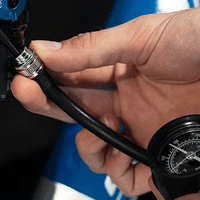
Step 1: Check the bike before you get on. Squeeze the tyres or use a gauge to confirm they're properly inflated, test both brake levers to make sure they respond, and glance at the battery to see it's seated correctly with clean, dry contacts. Adjust your saddle so your leg is almost fully extended at the bottom of the pedal stroke, and set the handlebars so your wrists stay straight and your shoulders relaxed. Put your helmet on now, before you forget.
Step 2: Power on and pick a low assist level. Find the power button, usually on the battery pack or the handlebar display, and hold it until the screen lights up. For your very first ride, select the lowest assist setting or even zero. You want to feel the bike's natural weight and balance before you let the motor start doing any of the work.
Step 3: Start off slowly. Push off the way you would on any regular bike, pedal gently, and let the assist build in underneath you rather than expecting an instant surge. If your bike has a throttle, resist the urge to test it in a crowded spot, since throttles get you moving on their own and it's easy to underestimate how quickly.
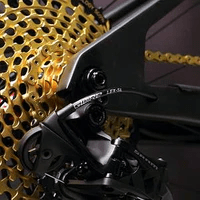
Step 4: Settle into a rhythm and use your gears. A cadence somewhere around 70 to 90 pedal strokes a minute is the sweet spot for most motor systems, so shift into whatever gear lets you spin comfortably at that pace rather than mashing down on the pedals. Try to avoid changing gears under heavy load, since that's what causes a chain to slip or pop off.
Step 5: Brake with both levers together. Squeeze the front and rear brakes at the same time, easing in the pressure rather than grabbing hard, and shift your weight slightly back as you slow down. Coming to a stop should feel gradual, not sudden.
Step 6: Wind down and recharge. Once you're back, power the bike off, wipe down anything muddy or wet, and plug the charger into the battery before plugging it into the wall. That small habit protects the connectors over the long run.
Do this a handful of times, and it stops being a checklist. It becomes muscle memory, the same way regular cycling did.
Important Tips for Beginners Who Are Riding an Electric Bike for the First Time
A few habits make that first week of riding go a lot smoother. Pick a quiet street or an empty parking lot for your first few outings, so you can focus entirely on how the bike responds instead of dodging traffic while you're still getting a feel for the throttle or the assist levels. Keep your first rides short and your speed moderate until braking, turning, and starting all feel automatic rather than deliberate, and resist jumping straight to the highest assist setting even though it's tempting. The extra weight of an e-bike, mostly from the motor and battery, disappears almost completely once you're moving, but only if you build up to higher speeds gradually rather than launching into them.
Wear a proper helmet every single time, regardless of whether it's legally required where you live. If you're riding somewhere unfamiliar, plan your route ahead of time rather than figuring it out mid-ride, stick to bike-friendly paths where you can, and carry the basics too: a multitool, a spare tube, and a way to see and be seen if you'll be out near dusk.
If your dealer or local bike shop offers an e-bike safety course, it's worth an hour of your time, especially if you haven't been on a regular bike in years. Instructors cover exactly the kind of muscle memory that's hardest to build on your own, like how to handle sudden braking or how the bike behaves on an incline.
Recommended Electric Bicycles for Beginners: Find the Ideal E-Bike Today!
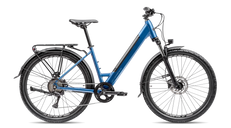
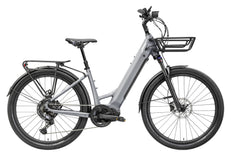
Not every e-bike suits a first-time rider equally well. What tends to work best is something with a low step-through frame, predictable pedal assist rather than an aggressive throttle, and a manageable overall weight, since a lighter bike is simply easier to handle while you're still building confidence.
If you're just starting to browse, our E-Bikes collection is a good place to get a feel for what's out there, since it spans everything from relaxed city cruisers to sportier options for once you've got a few months of riding behind you. For riders who want the option to switch between an electric and a fully manual ride depending on the day, it's also worth taking a look through our Bike Cycles range alongside the electric models. And if a smooth, confidence-building first bike is exactly what you're after, our Electric Bicycles lineup includes several models built with beginners specifically in mind, low frames, gentle assist curves, and nothing that feels like it's fighting you.
Whichever model you land on, take a short test ride before committing. The right e-bike should feel familiar within the first few minutes, not like something you have to fight to control.
Common FAQs
Is it difficult to ride an electric bike?
Not really. If you already know how to ride a regular bike, you already know most of what you need. The one adjustment is getting used to the motor's added push, especially when starting from a stop, and that usually takes no more than a ride or two to feel natural.
Are e-bikes easy to ride for beginners?
Yes, and often easier than a standard bike, especially on hills or over longer distances, since the motor takes the edge off the hardest parts. Starting on a low assist level and practising in a quiet area is really all it takes to get comfortable quickly.
Do you have to keep pedalling on an electric bike?
On a pedal assist system, yes, the motor only helps while you're pedalling; it doesn't move the bike on its own. If your e-bike also has a throttle, that part lets you ride without pedalling at all, but pedal assist is what most riders use for the bulk of a ride.
What Are All the Controls on an Electric Bike and How to Use Them?
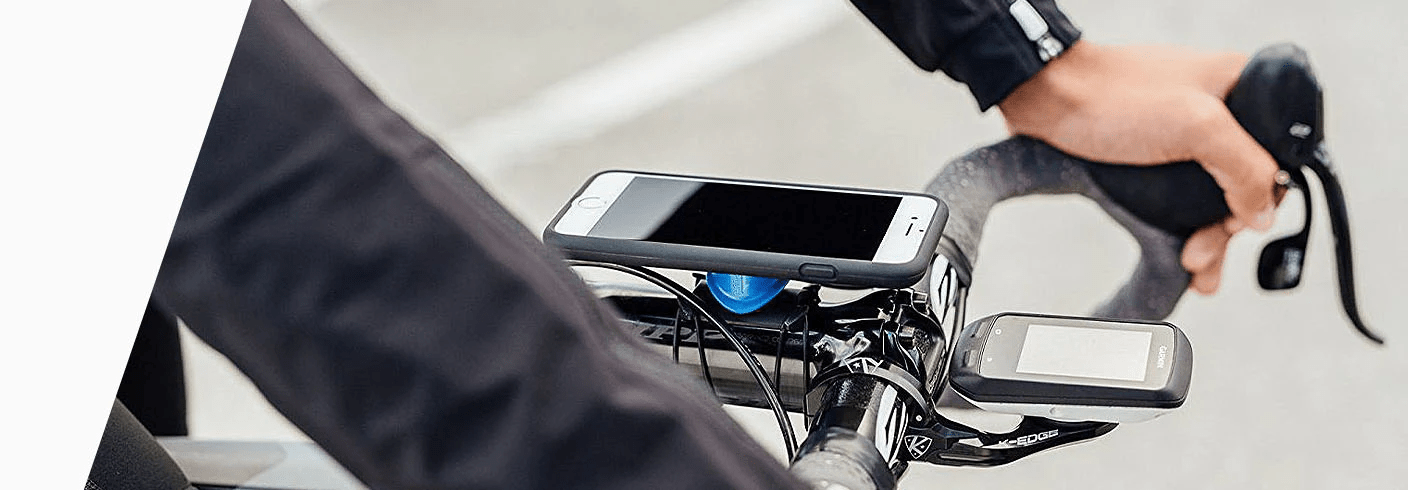
You'll typically find a power button, a display screen, and plus and minus buttons for adjusting your assist level, usually mounted on the left side of the handlebar. If the bike has a throttle, it sits nearby too, often as a small lever or twist grip. The display itself usually shows your current assist level, speed, remaining battery, and sometimes distance travelled, giving you a quick snapshot of everything at once.
When Not to Ride an Electric Bike?
Skip the ride if the battery isn't securely seated or the terminals are wet, since moisture on the contacts can cause problems mid-ride. The same goes for worn brake pads, underinflated tyres, or any unusual noise from the motor, all worth sorting out before you head out rather than during. Heavy rain, ice, or any surface you wouldn't trust on a regular bike is also a reasonable time to leave the e-bike parked, since the extra weight and speed don't do you any favours in low-traction conditions.
Do electric bikes accelerate quickly?
They can, especially compared to what most riders expect coming from a standard bike. How sudden it feels really depends on the assist level you've chosen and how gently you start pedalling, which is exactly why starting on a lower setting for your first few rides makes such a difference.
How fast should I ride on my first eBike ride?
Keep it comfortable and moderate rather than pushing for top speed. The goal on your first outing is to get a feel for braking, turning, and starting smoothly, not to see how fast the motor can take you.
Conclusion
Riding an electric bike really does come down to a handful of basics: understand that the motor assists rather than replaces your pedalling, start slow on a low assist level, get your braking technique down, and build up from there. Most riders feel completely at home within their first few outings.
From that point on, an e-bike stops feeling like new technology and starts feeling like exactly what it is: a bike that makes the ride a little easier and a lot more fun.