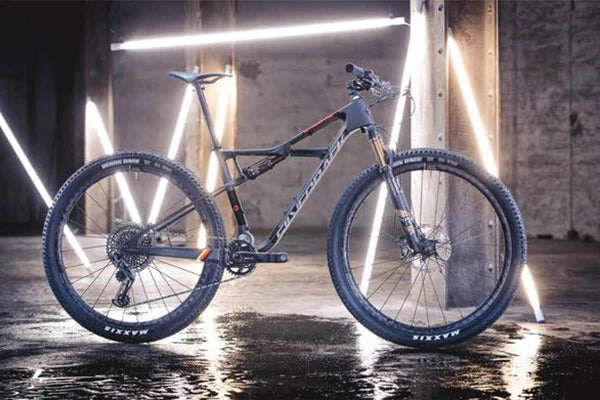
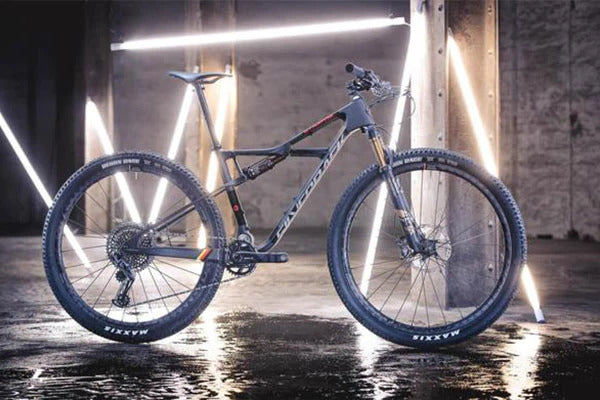
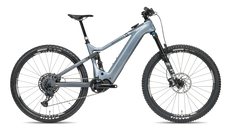
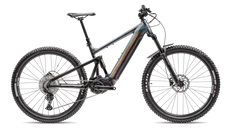
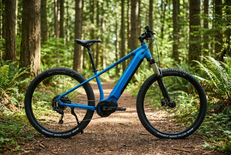
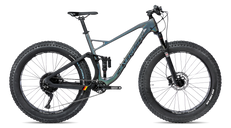
150/145mm Travel
 29" x 2.5" Wheels
 1x12 Speed SRAM AXS
 EP-801 Shimano Motor
 85Nm Torque
 720Wh Battery
 from 20.9kg
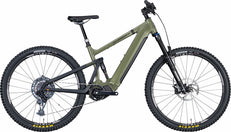
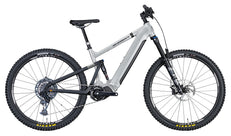
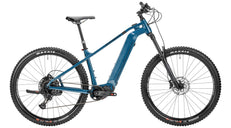
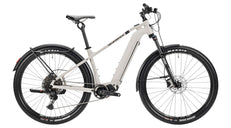
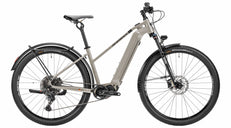
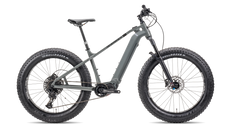
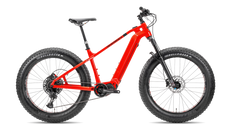

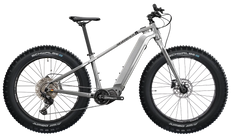

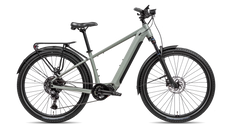
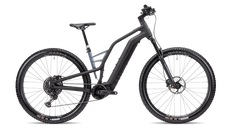
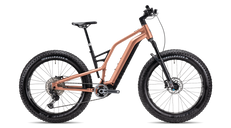
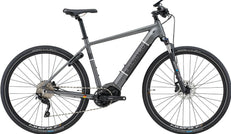
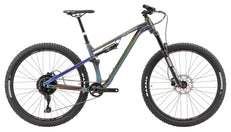
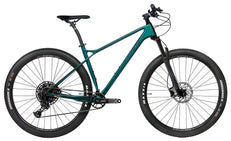
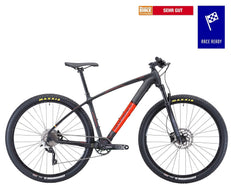
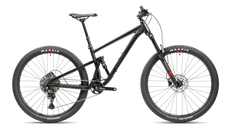
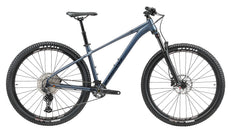
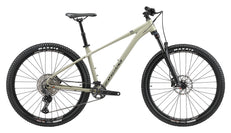
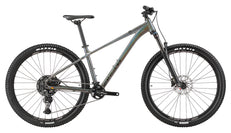
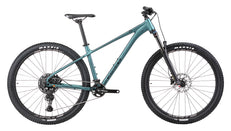

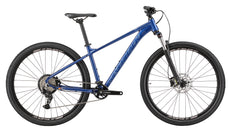
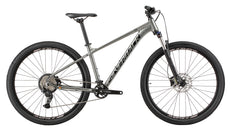
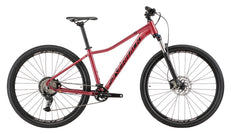
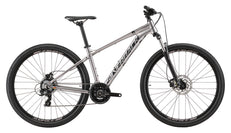
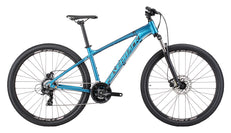
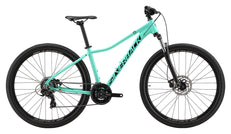
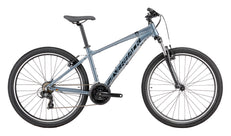
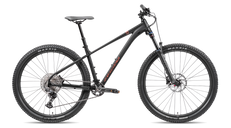
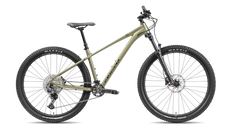
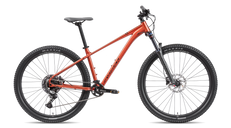
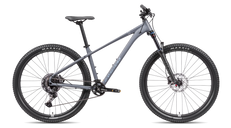
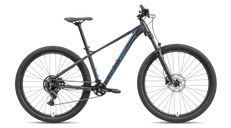
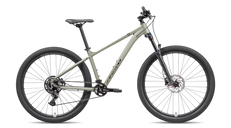
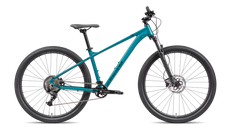
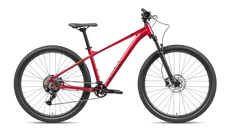
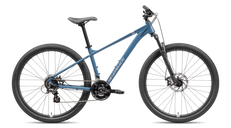
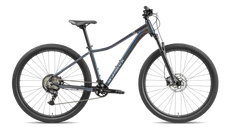
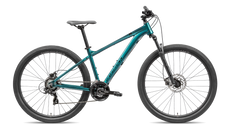
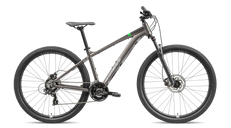
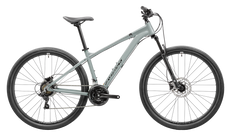
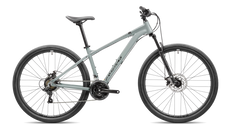
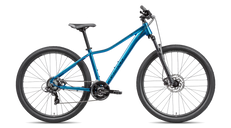
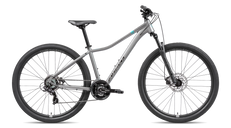
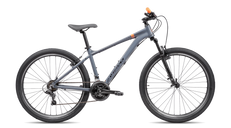
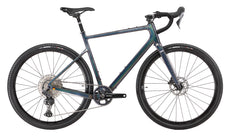
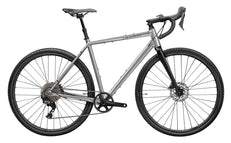
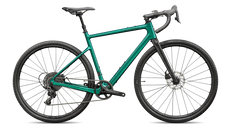
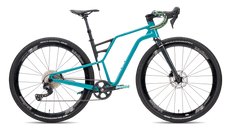
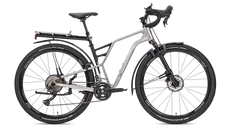
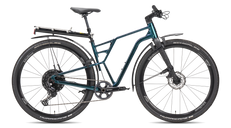
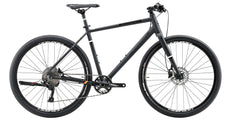
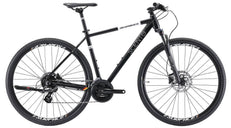
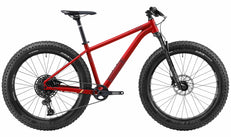
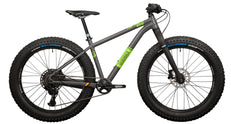
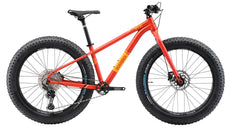
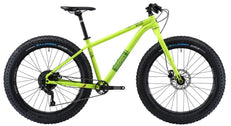
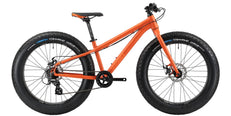
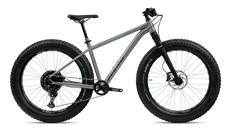
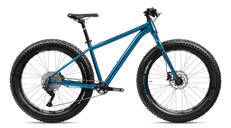
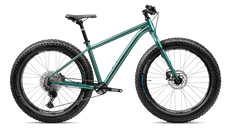
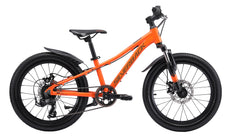
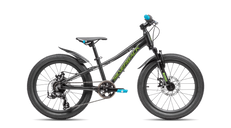
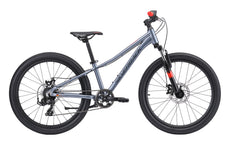
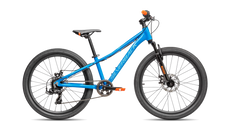
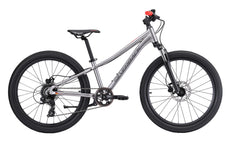
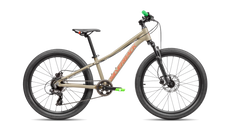
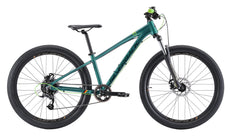
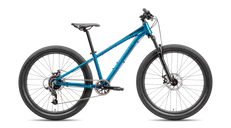
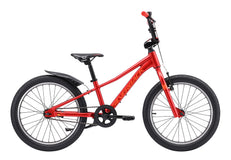
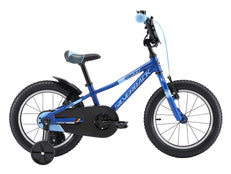
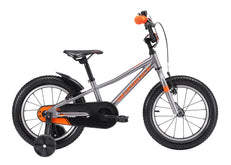




Choosing the right bike is not just about design or brand—it directly impacts your comfort, performance, and overall riding experience. With so many bike types available today, selecting the right one can feel overwhelming. The key is to match the bike with your riding style, terrain, and personal goals. This guide will help you understand what to look for so you can make a confident and informed decision.
Understand Your Riding Style
Before buying a bike, consider how, where, and how often you plan to ride to choose one that fits your lifestyle and riding goals.
-
Daily Commuting: Bikes designed for practical, comfortable, and reliable everyday travel.
-
Fitness and Leisure Riding: Bikes focused on comfort and light exercise for casual or weekend rides.
-
Long-Distance Road Cycling: Lightweight, speed-oriented bikes built for endurance on paved roads.
-
Off-Road and Trail Riding: Durable bikes with wide tyres and suspension for rugged terrain and trails.
-
Family and Kids’ Cycling: Safe, easy-to-handle bikes designed for kids and family rides.
-
Adventure or Touring: Sturdy bikes built for long journeys with load-carrying capacity and comfort.
Choosing a bike that aligns with your riding style ensures a comfortable, enjoyable, and efficient cycling experience every time.
Types of Bikes Based on Riding Style
Road Bikes
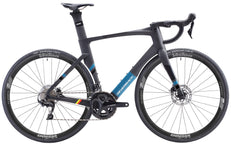
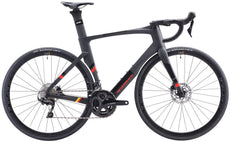
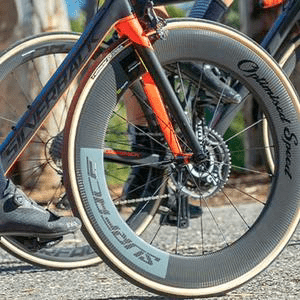
Road bikes are designed for speed and smooth paved roads. They feature lightweight frames and narrow tyres that reduce rolling resistance. The riding posture is more aggressive, helping riders maintain high speeds over long distances. These bikes are best suited for fitness enthusiasts and long-distance riders. If performance and speed are your priorities, road bikes offer an efficient riding experience.
Mountain Bikes
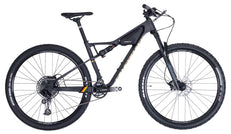
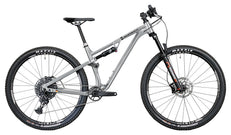
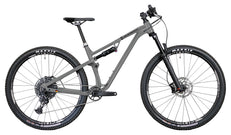
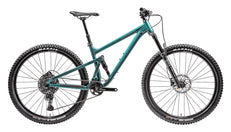
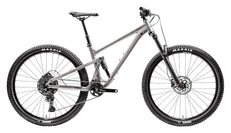
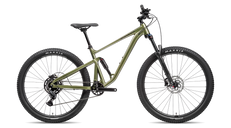
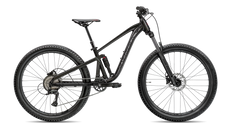
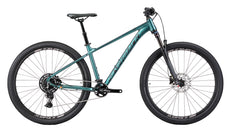
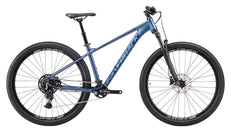
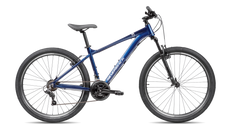
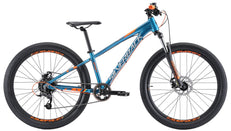
Mountain bikes are built for durability and control on rough terrain. They come with wider tyres and strong suspension systems to handle bumps and obstacles. These bikes provide excellent grip and stability, making them ideal for trails, hills, and off-road adventures. Strong frames ensure long-term reliability. Mountain bikes are perfect for riders who prefer challenging routes and outdoor exploration.
Hybrid Bikes
Hybrid bikes combine the best features of road and mountain bikes. They offer comfort, versatility, and balanced performance. With medium-width tyres and upright posture, they are suitable for city roads, bike paths, and light trails. Hybrid bikes are beginner-friendly and easy to handle. They are a great option for riders who want flexibility without committing to a specific riding style.
City/Commuter Bikes
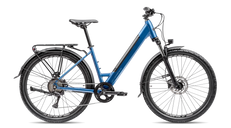
City or commuter bikes are designed for everyday use. They focus on comfort, durability, and practicality rather than speed. These bikes often include features like carriers, mudguards, and comfortable saddles. Upright riding posture improves visibility and reduces strain. They are ideal for daily travel and short-distance commuting.
Electric Bikes
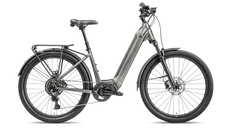
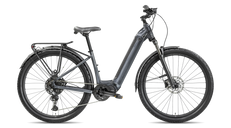
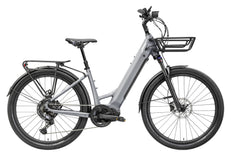
Electric bikes (E-bikes) offer pedal assistance, making cycling easier and more accessible. They are ideal for longer distances, hilly areas, or riders who need extra support. E-bikes reduce effort while maintaining the cycling experience. They are suitable for commuting, fitness, and recreational riding. These bikes are gaining popularity due to convenience and versatility.
Kids’ Bikes
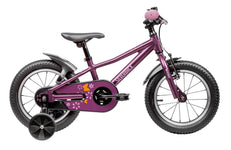
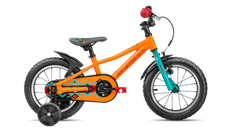
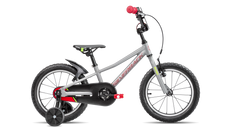
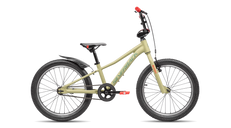
Kids’ bikes are designed with safety and learning in mind. They focus on balance, lightweight frames, and easy handling. Different sizes and styles cater to various age groups and skill levels. Safety features like training wheels or hand brakes are common. These bikes help children develop confidence and enjoy cycling safely.
Key Factors to Consider Before Buying a Bike
Before buying a bike, several key factors influence comfort, performance, and safety. Considering these points helps you select a bike that fits your needs perfectly.
-
Terrain (Road, Trail, Mixed): Choose a bike suited to the surfaces you ride for better performance and safety.
-
Riding Frequency: Frequent riders need durable components, while occasional riders can opt for simpler models.
-
Comfort vs Performance: Balance comfort for casual rides and posture with performance for speed and efficiency.
-
Weight and Frame Material: Lighter frames improve handling, while materials like steel, aluminum, or carbon affect durability.
-
Gears and Braking System: Reliable gears and brakes ensure smooth rides and safe control on varied routes.
By keeping these factors in mind, you can select a bike that provides a smooth, safe, and enjoyable riding experience every time.
Choosing the Right Bike Size and Fit + Budget Considerations
A properly sized bike ensures comfort, efficiency, and injury prevention. Your height and riding posture play a major role in selecting the right frame size. A good fit allows easy control and reduces strain on your back, shoulders, and knees. Along with fit, budget is another key factor. Entry-level bikes are suitable for beginners and casual riders, while mid-range and premium bikes offer better components, durability, and performance. Choosing a bike that fits both your body and your budget ensures long-term satisfaction.
Common Mistakes to Avoid When Choosing a Bike
-
Choosing a Bike Based Only on Appearance - Many riders are attracted to stylish designs or popular brands without considering functionality. While looks matter, performance, comfort, and suitability should always come first. A visually appealing bike may not meet your riding needs.
-
Focusing Only on Price - Buying the cheapest bike to save money can lead to poor quality and frequent maintenance issues. On the other hand, purchasing an expensive bike without need often results in wasted investment. Price should align with usage and value.
-
Ignoring Bike Size and Fit - Incorrect bike size is one of the most common mistakes. A poorly fitted bike can cause back pain, knee strain, and discomfort. Proper sizing ensures better control, safety, and long-term riding comfort.
-
Not Matching the Bike to Your Riding Style - Each bike is designed for a specific purpose. Choosing a high-performance road bike for casual city riding or a mountain bike for smooth roads reduces efficiency and enjoyment. Always match the bike to how and where you ride.
-
Overlooking Comfort for Performance - Many riders prioritise speed and advanced features over comfort. An aggressive riding posture may look appealing, but can be tiring for daily or long rides. Comfort plays a key role in consistency and enjoyment.
-
Ignoring Terrain and Road Conditions - Failing to consider where you’ll ride can lead to poor performance and faster wear. Smooth roads, rough trails, and mixed terrain all require different tyres, suspension, and frames. Terrain compatibility is essential.
-
Buying Too Many or Too Few Gears - More gears aren’t always better. Selecting a bike with unnecessary gear complexity can make riding confusing. Too few gears can make climbs difficult. Choose gears based on terrain and riding frequency.
-
Overlooking Brake Type and Quality - Brakes are critical for safety. Ignoring braking systems can lead to poor stopping power, especially in wet or steep conditions. Reliable brakes are essential for confident riding.
-
Not Considering Maintenance and Service Needs - Some bikes require frequent servicing and specialised parts. Not considering maintenance availability can increase long-term costs. Choose a bike that is easy to maintain and service locally.
-
Skipping a Test Ride or Fit Check - Buying without testing or checking fit often results in regret. Even basic test rides help assess comfort and control. A quick fit check can prevent future discomfort.
-
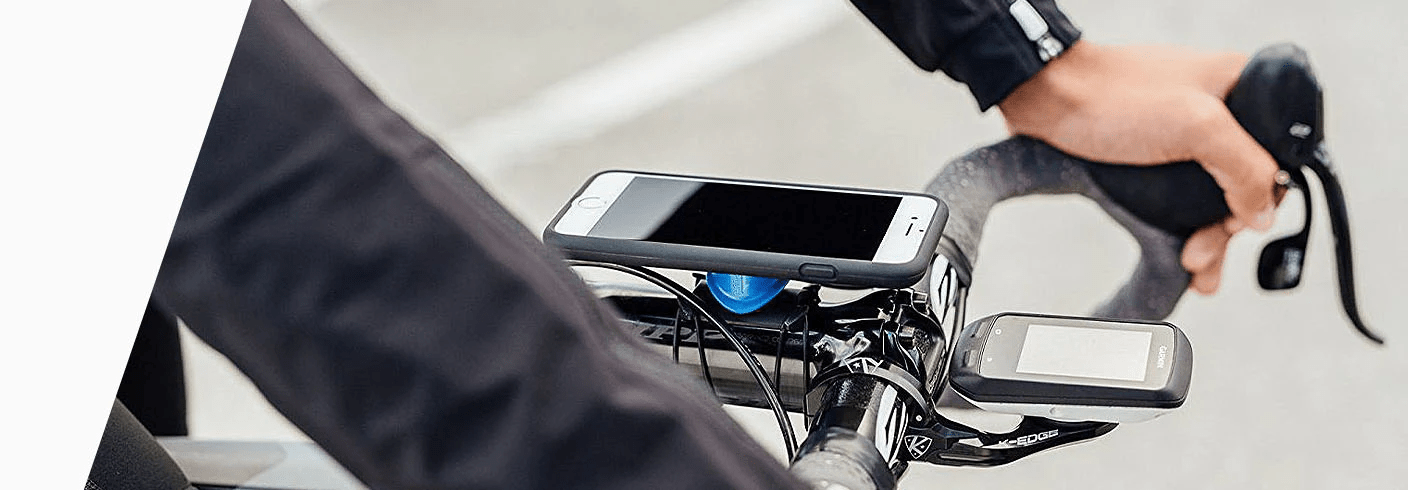
Ignoring Accessories and Add-On Costs - Many riders forget to budget for essentials like helmets, lights, locks, and bottle holders. These additional costs add up and should be considered during purchase planning.
-
Not Thinking About Future Use - Riding needs can change over time. Choosing a bike that doesn’t allow upgrades or flexibility may limit future growth. A versatile bike often offers better long-term value.
-
Buying Without Proper Research - Relying on impulse decisions or limited information can lead to poor choices. Comparing bike types, reading reviews, and understanding specifications help avoid mistakes.
-
Overestimating Skill Level - Choosing an advanced bike beyond your experience can make riding uncomfortable and discouraging. Beginners benefit from simpler, more forgiving bikes that help build confidence.
Final Thoughts
Selecting the right bike starts with understanding your riding style and aligning it with the right bike type, size, and budget. A well-chosen bike not only improves performance but also makes every ride enjoyable and safe. Take time to evaluate your needs, consider key factors, and avoid common pitfalls. With the right choice, cycling becomes a rewarding experience that fits seamlessly into your lifestyle.