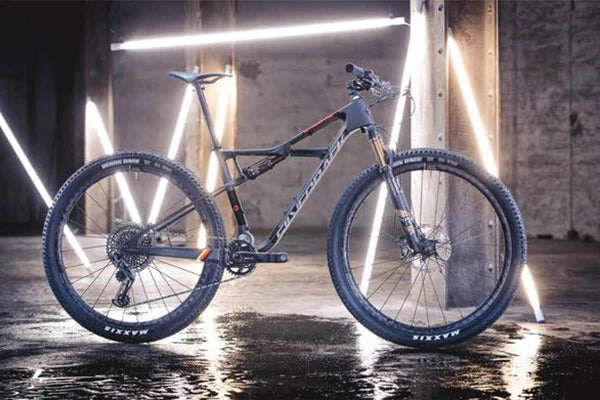
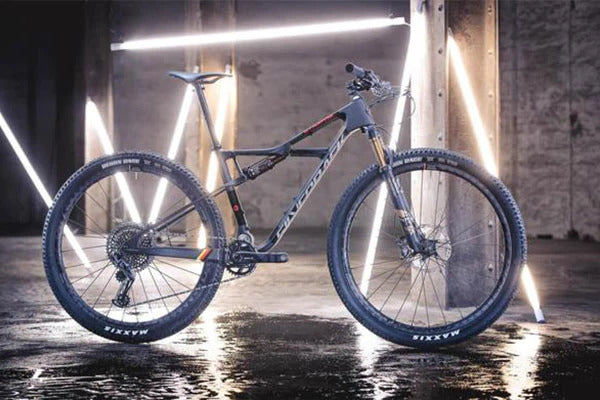
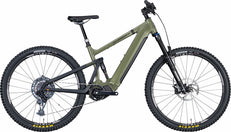
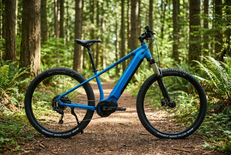
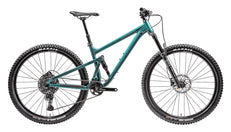
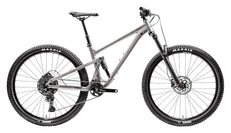
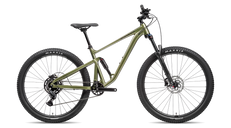
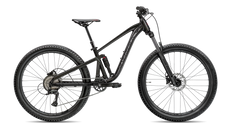
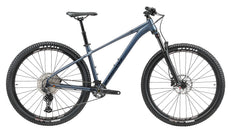
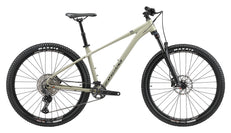
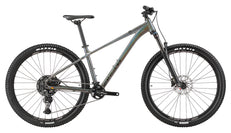
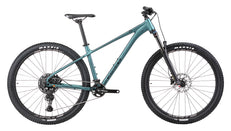
150/145mm Travel
 29" x 2.5" Wheels
 1x12 Speed SRAM AXS
 EP-801 Shimano Motor
 85Nm Torque
 720Wh Battery
 from 20.9kg
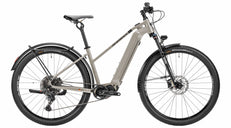
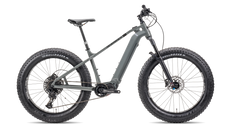
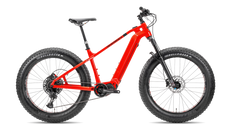

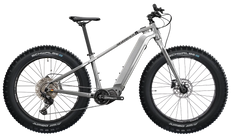

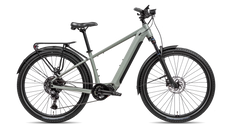
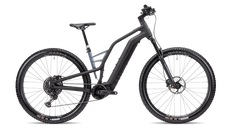
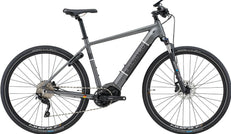
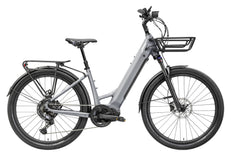
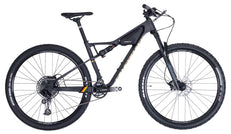
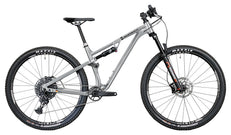
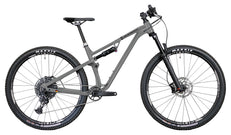
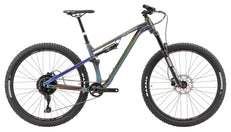
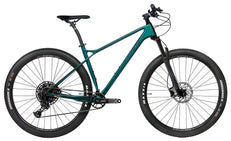
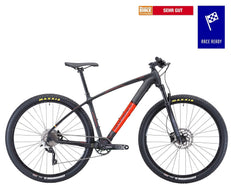
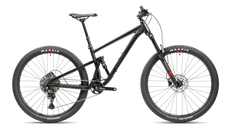

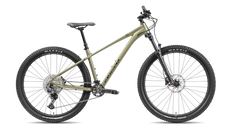
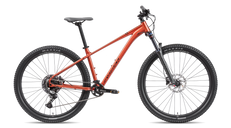
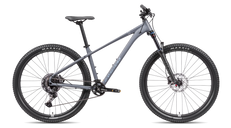
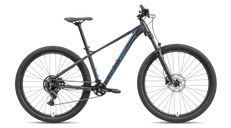
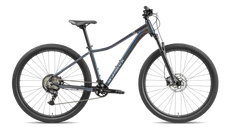
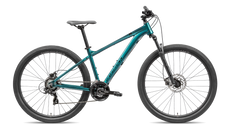
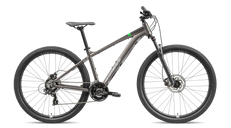
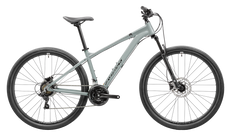
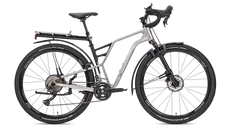
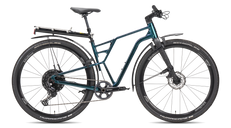
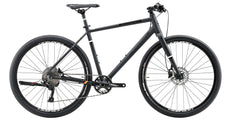
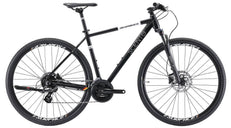




Start with the terrain question
An e-fat bike and an e-MTB can both offer electric assistance, but they solve different riding problems. Fat tyres provide a large-volume platform that can be tuned for yielding surfaces. An e-MTB is generally a more conventional choice for riders focused on mountain-bike trails, though specifications vary widely within both categories.
Neither category automatically wins on comfort, climbing or range. A fair comparison uses specific bikes and the same route, rather than a photograph of one category and an assumed specification for the other. Identify where you ride most often before deciding which compromises are worthwhile.
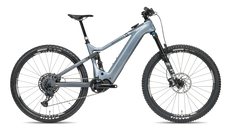
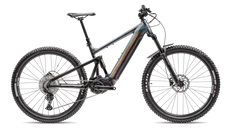
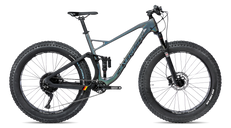
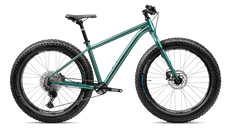
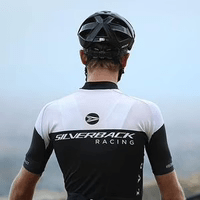
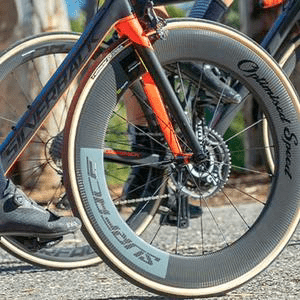
The hero image shows the black-and-white Silverback S-electro Fat Sport as an illustration of the e-fat-bike format. This model's store listing is archived; the image is not a claim of current availability.
Where an e-fat bike can make sense
Snow, sand and exploration
If yielding surfaces are central to your riding, the fat-bike format deserves consideration. Tyre volume can help spread load, provided the casing, rim and pressure are appropriate. That advantage has limits: deep unsupported snow, loose sand and ice can still force you to slow down, change route or walk.
Electric assistance can make effort more manageable, but abrupt power delivery can break traction. Smooth pedalling, suitable gearing and measured assistance remain important. Buying a bigger battery does not resolve a poor tyre setup or make every surface rideable.
Everyday journeys with specialist requirements
An e-fat bike can also suit riders whose routine combines rough tracks and paved sections. Before choosing one for commuting, check storage, security, lighting needs and transport restrictions. Wide tyres can be awkward in narrow racks and carriers. Measure those spaces rather than discovering the problem after delivery.
Where an e-MTB may be the more natural choice
If your riding centres on established mountain-bike trails, compare appropriate e-MTB geometry and suspension systems. Suspension travel, damping, tyre construction and braking equipment can influence control on repeated impacts. A fat tyre is not a direct replacement for a well-matched suspension system.
Do not treat every e-MTB as a lightweight or efficient option, either. Different designs prioritise different riding. Compare complete weights, size guidance, maintenance and permitted use from the actual listings before deciding that a category label settles the choice.
Compare the practical trade-offs
| Priority | E-fat bike question | E-MTB question |
|---|---|---|
| Soft-surface riding | Is the tyre system suitable for snow or sand? | Are the fitted tyres suitable for the surface? |
| Rough trail control | How do tyres and suspension work together? | Does the suspension suit your riding? |
| Commuting | Will it fit racks, storage and carriers? | Does the setup support daily practicality? |
| Range | What does your route consume? | What does the same route consume? |
| Maintenance | Are wide-tyre parts and service accessible? | Are suspension and electric-system services accessible? |
Compare complete systems, not tyre width
Check intended use and fit
Look at riding position, brakes, wheel construction and the electric system together. Verify that the bike's intended use matches your routes. A model designed for exploration should not automatically be treated as suitable for every aggressive trail feature. Ask for the manufacturer's usage guidance if the listing leaves the question open.
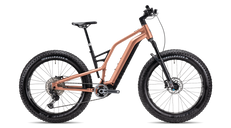
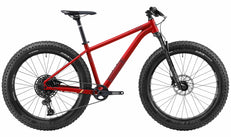
The SilverRider Fat listing confirms a removable 820 Wh battery. The red Diamond Fat Explorer listing confirms 720 Wh and compatibility with 4.7-inch fat tyres. These are useful facts for electric fat-bike research, but this article does not invent corresponding e-MTB specifications or claim a controlled performance test.
Buying advice
Arrange a test ride if possible and include the conditions that matter to you. Check low-speed steering, starts, braking and lifting the bike into storage. If you mostly ride firm trails and visit sand once a year, make the regular ride the deciding factor. If winter exploration is your main purpose, prioritise the complete soft-surface setup.
Before ordering, request the exact size guidance, complete equipment specification and service information. Confirm tyre and luggage compatibility separately. An attractive category comparison is not a substitute for checking the configuration you will actually receive.
FAQ
Is an e-fat bike always more comfortable?
No. Comfort depends on fit, casing, pressure, suspension and the surface, not simply tyre width.
Which category has more range?
There is no reliable category-wide answer. Compare actual capacity and consumption under similar riding conditions.
Can one bike do everything?
Every setup is a compromise. Choose for your main use and accept that another format may suit a different route better.
Explore bikes, equipment and related reading
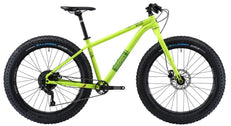
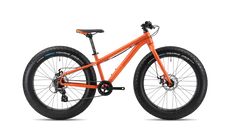
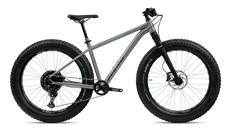
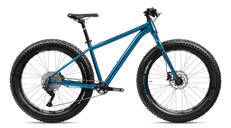
Explore Fat Bikes & E-Fat Bikes and Fat Bike Accessories. Review SilverRider Fat and S-Electro Diamond Fat Explorer (Red). For non-electric context, compare SE:Series Fat Deluxe #2, SE:Series Fat Adventure #2 and SE:Series Fat Explorer. Inspect the Vee Tire Bulldozer tyre and tube combo for replacement-tyre research. Continue with Fat Bike Buying Guide: Choose for Your Actual Riding and E-Fat Bike Range and 820 Wh Batteries: Plan a Realistic Ride.