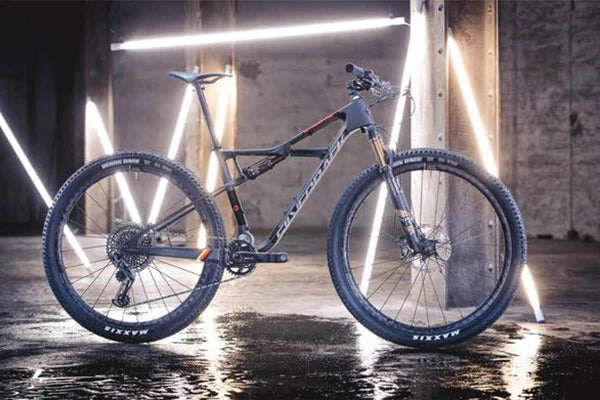
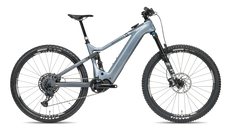
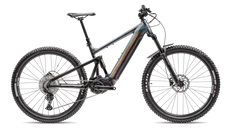
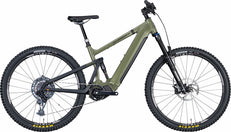
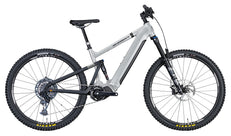
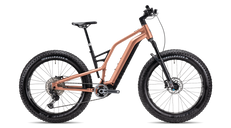
150/145mm Travel
 29" x 2.5" Wheels
 1x12 Speed SRAM AXS
 EP-801 Shimano Motor
 85Nm Torque
 720Wh Battery
 from 20.9kg
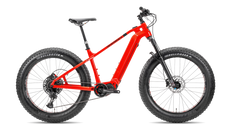

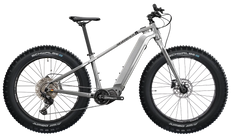





Can You Ride Fat Bikes in Snow?
Short answer: absolutely yes. In fact, snow is where fat bikes were originally invented to excel. Long before fat bikes became popular as all-season all-terrain machines, they were developed specifically for riding on snow and ice in Alaska. Today, fat bikes remain the undisputed king of winter cycling — and with the right setup, there's no snow condition that can stop you.
In this guide, we cover everything you need to know about riding fat bikes in snow: how they work, what tires to use, how to set up your bike for winter, and the techniques that make cold-weather riding safe and enjoyable.
Why Fat Bikes Are Perfect for Snow
The same physics that makes fat bikes exceptional on sand applies equally to snow. Wide tires run at very low pressure — typically 5–12 PSI in snow conditions — create a large contact patch that floats over the surface rather than sinking through it. The result is traction and stability that no other bicycle can match on snow.
Fat bikes also benefit from their low centre of gravity and relaxed geometry, which provides confidence-inspiring stability on slippery, unpredictable winter surfaces. Whether you're riding groomed trails, packed forest paths, or fresh powder, a fat bike handles it all with surprising ease.
Types of Snow Conditions and How Fat Bikes Handle Them
Groomed Trails and Packed Snow
This is the ideal fat bike snow surface. Groomed trails — common at Nordic ski centres and dedicated fat bike trail networks — offer firm, predictable snow that allows you to ride at speed with excellent traction. At 8–12 PSI, your fat bike will feel almost like riding on a hardpack dirt trail. This is where fat biking is at its most fun and accessible.
Fresh Powder
Fresh, untracked powder is more demanding but deeply rewarding. Drop your tire pressure to 5–8 PSI to maximise float, and maintain steady momentum. The key is to avoid sudden braking or sharp turns, which cause the tires to dig in. An electric fat bike is particularly capable in fresh powder, as the motor helps you maintain the momentum needed to stay on top of the snow.
Wet, Heavy Snow
Wet snow is the most challenging condition for fat bikes. It's dense, heavy, and packs into tire treads quickly. Choose a tire with an open, self-cleaning tread pattern and run it at the lowest pressure you can manage without risking a pinch flat. The Vee Rubber Snowshoe XL Studded Fatbike tyre is specifically designed for these conditions, with a tread pattern that sheds wet snow effectively.
Ice and Hard-Packed Ice
Ice is where studded tires become essential. Without studs, even fat bike tires offer limited grip on glare ice. With studded tires like the Vee Rubber Snowshoe XL Studded, you can ride confidently on frozen lakes, icy paths, and hard-packed winter trails. The metal studs bite into the ice surface and provide traction that would otherwise be impossible.
Best Fat Bike Tires for Snow
Tire choice is critical for snow performance. Here are the key options:
- Studded tires — The Vee Rubber Snowshoe XL 26×4.80 Studded is the gold standard for ice and hard-packed snow. The metal studs provide grip that no non-studded tire can match on icy surfaces.
- All-season fat tires — The VEE Bulldozer Fat 4.7" is a versatile choice for packed snow and mixed winter terrain where ice isn't the primary concern.
- High-volume performance tires — The Schwalbe Jumbo Jim 4.80" Fatbike Tyre offers low rolling resistance on groomed trails while still providing good float in softer snow.
Optimal Tire Pressure for Snow Riding
- Groomed / packed snow: 8–12 PSI
- Fresh powder: 5–8 PSI
- Wet, heavy snow: 5–7 PSI
- Ice (studded tires): 8–12 PSI
Always carry a pump and check your pressure before each ride. Cold temperatures cause tire pressure to drop — a tire inflated at room temperature will lose 1–2 PSI for every 10°C drop in temperature.
Electric Fat Bikes in Snow: A Game-Changer
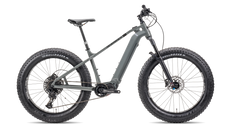
For winter riding, an electric fat bike offers significant advantages. The motor assistance helps you maintain momentum through heavy snow, power up icy climbs, and ride longer without exhausting yourself in the cold. Cold weather also drains battery capacity faster, so plan your rides accordingly and keep your battery warm before heading out.
Silverback's purpose-built e-fat bike components — including the Silverback fat e-bike crankset and Surface Fat Bike crank arms for EP8 — are engineered to handle the demands of winter riding, including the additional stress of cold-weather motor operation.
Essential Winter Fat Bike Setup
Studded Tires
If you ride in areas with ice, studded tires are non-negotiable. The Vee Rubber Snowshoe XL Studded is the most popular choice for serious winter riders.
Fenders
Snow and slush thrown up by your tires will soak you and your drivetrain without fenders. The Speedkit Fender Set for Fat Bikes is a practical addition for any winter rider.
Suspension Fork
On rough, frozen terrain, a suspension fork significantly improves comfort and control. The Wren Inverted Fat Bike Suspension Fork with 110mm travel is a popular upgrade for riders tackling technical winter terrain. Note that suspension forks can stiffen in very cold temperatures — choose a fork rated for cold-weather use.
Drivetrain Protection
Cold, wet conditions are hard on drivetrains. Use a wet-weather chain lubricant, keep your drivetrain clean, and consider a quality crankset designed for demanding conditions.
Winter Riding Technique Tips
- Dress in layers — Start slightly cold; you'll warm up quickly once riding.
- Protect your extremities — Hands and feet get cold fastest. Invest in quality winter cycling gloves and boots.
- Ride smoothly — Avoid sudden braking or sharp steering inputs on slippery surfaces. Gradual, smooth movements keep you upright.
- Lower your saddle slightly — A lower centre of gravity helps on unpredictable snow surfaces.
- Ride with others — Winter riding in remote areas is best done with a companion for safety.
Where to Ride Fat Bikes in Winter
Fat bikes open up a huge range of winter riding opportunities. Groomed fat bike trail networks are increasingly common across Europe and North America. Frozen lakes (where safe and permitted), forest trails, and snow-covered gravel roads all become accessible with a fat bike. For multi-day winter adventures, check out our guide on the best fat bikes for winter riding.
Conclusion
Fat bikes don't just survive in snow — they thrive. With the right tires, the right pressure, and a few technique adjustments, winter becomes one of the most magical seasons to ride. The silence of a snow-covered forest, the crunch of fresh powder under your tires, and the satisfaction of riding when everyone else has hung up their bikes — this is what fat biking in winter is all about.
Ready to ride through winter? Explore the Silverback fat bike range or read our guide on why fat bikes are worth choosing to find your perfect winter machine.