


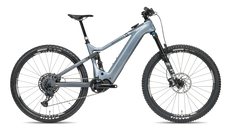
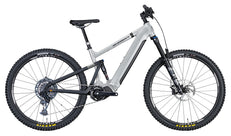
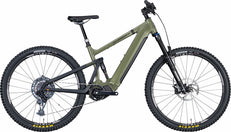
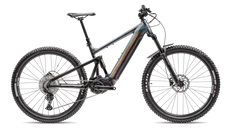
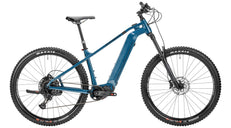
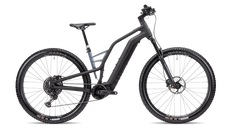
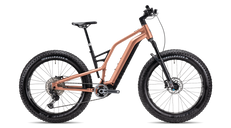
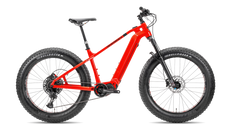
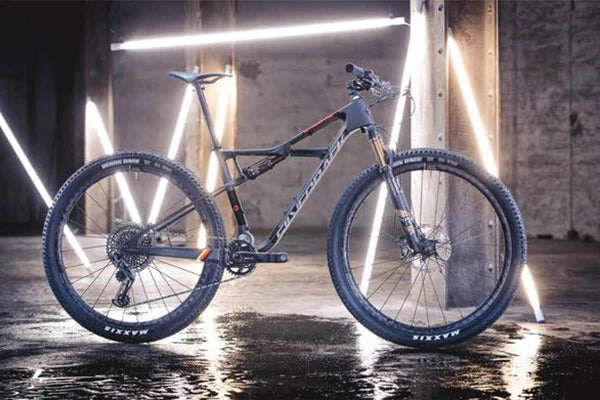
 150/145mm Travel
 29" x 2.5" Wheels
 1x12 Speed SRAM AXS
 EP-801 Shimano Motor
 85Nm Torque
 720Wh Battery
 from 20.9kg





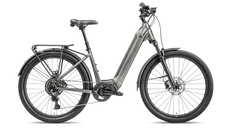
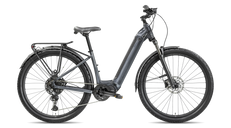
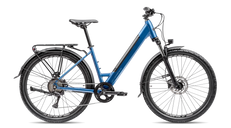
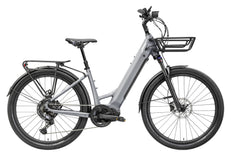
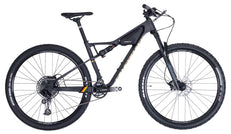
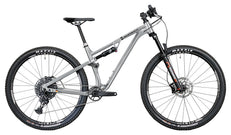
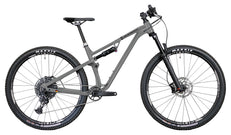
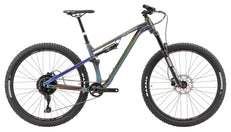
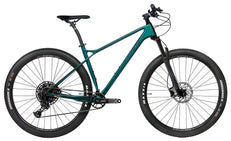
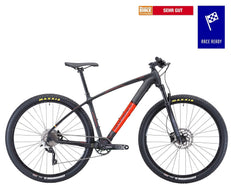
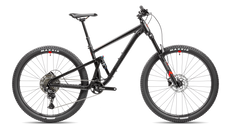
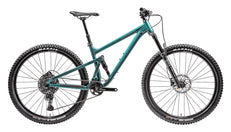
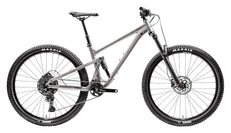
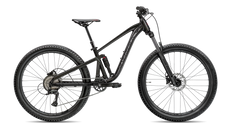
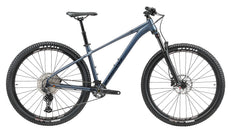
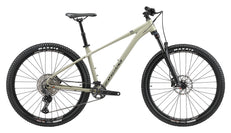
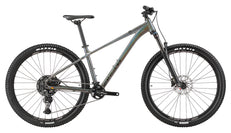
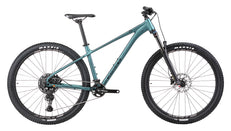
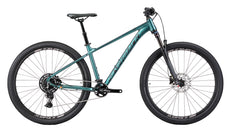
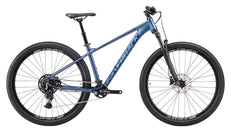
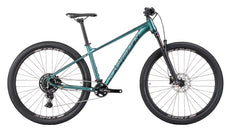
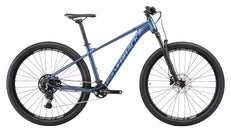

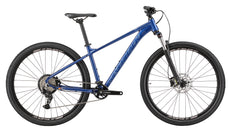
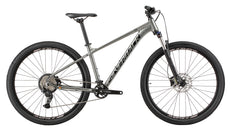
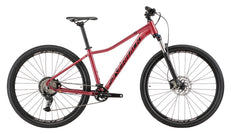
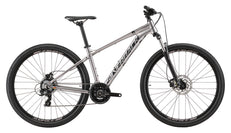
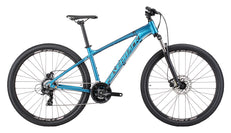
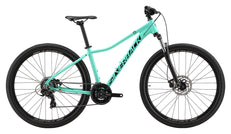
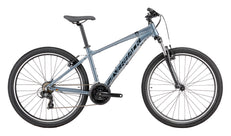
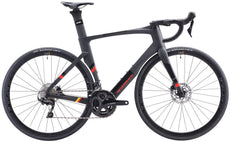
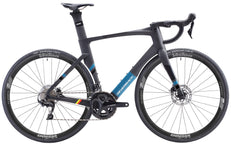
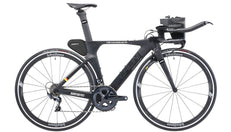
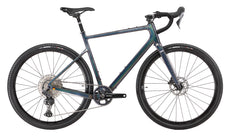
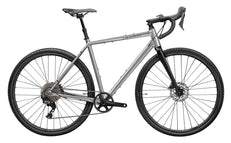
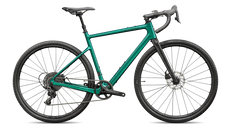
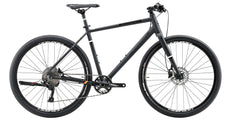
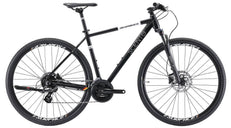

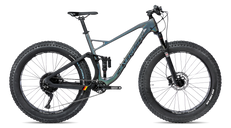
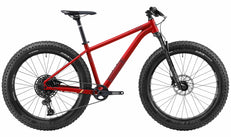
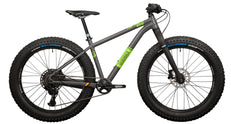
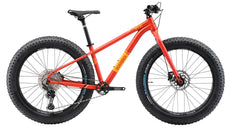
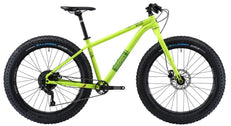
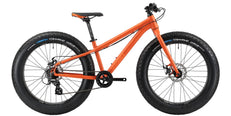
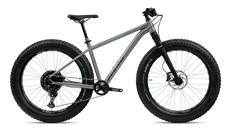
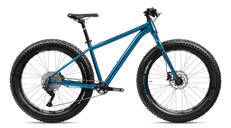
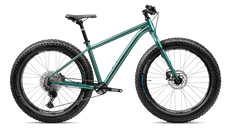
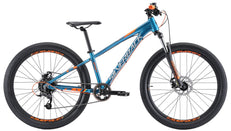
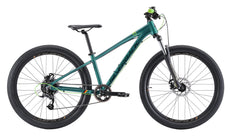
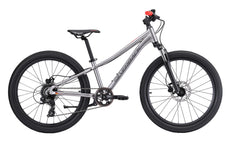
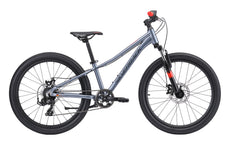
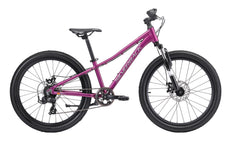
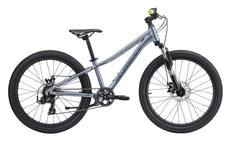
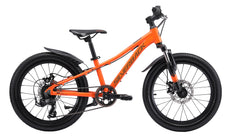
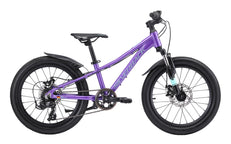
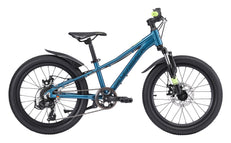
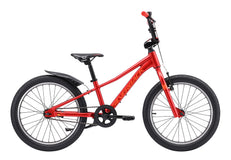
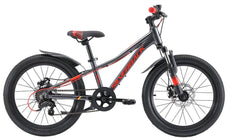
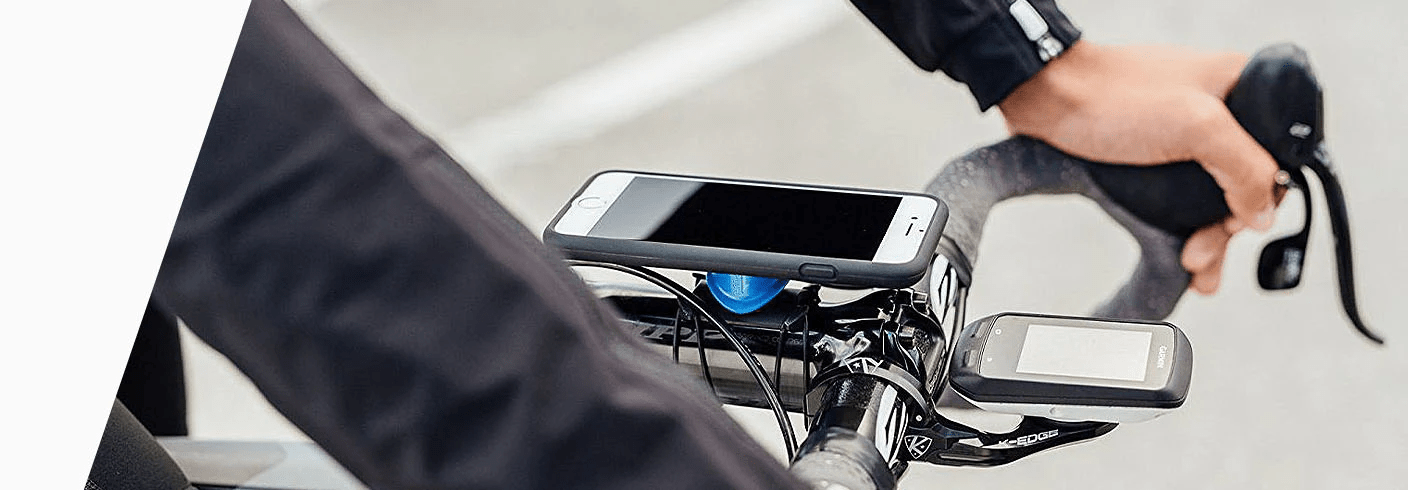





After three decades of riding road bikes, rigid mountain bikes, hybrids, gravel bikes, and a few questionable “do-it-all” machines, I have learned one simple truth: the best adventure bike is not the one with the loudest marketing name. It is the one that lets you keep riding when the road changes.
A multi-surface bike is built for that exact moment. Tarmac turns into broken lanes. Broken lanes turn into gravel. Gravel becomes a forest path. Then, after an hour of dust and stones, you roll back onto a smooth road and still want the bike to feel quick. That is the heart of adventure riding in 2026.
What Makes a Good Multi-Surface Bike?
A proper multi-surface bike should balance speed, comfort, control, and carrying capacity. The key features are:
|
Feature |
Why It Matters? |
|
Wider tyre clearance |
Let you fit 35-50 mm tyres for grip, comfort, and puncture protection |
|
Stable geometry |
Keeps the bike calm on gravel, descents, and loaded rides |
|
Disc brakes |
Gives reliable braking in rain, dust, mud, and long downhills |
|
Wide-range gearing |
Helps on steep climbs, loose surfaces, and bikepacking routes |
|
Mounting points |
Allows bags, racks, mudguards, extra bottles, and lights |
|
Comfortable cockpit |
Reduces fatigue on long mixed-terrain rides |
The mistake many riders make is buying the fastest bike for one surface. Adventure riding rewards the bike that is good across many surfaces.
Best Multi-Surface Bike Types in 2026
1. Gravel Bikes: Best Overall for Adventure Riding
For most riders, a gravel bike is the best multi-surface bike in 2026. It has drop bars for road efficiency, wide tyres for rough ground, stable handling, disc brakes, and often plenty of mounts for bikepacking.
A bike like the Canyon Grizl-style adventure gravel platform makes sense for long rides, rough lanes, forest roads, and luggage. A racier gravel bike, such as a Canyon Grail-style setup or Merida Mission-style fast gravel bike, suits riders who want speed first and luggage second.
Choose a gravel bike if your riding is roughly 50 percent road and 50 percent gravel, or if you want one bike for fitness, exploring, weekend rides, and light touring.
2. All-Road and Endurance Bikes: Best for Mostly Road, Some Gravel
All-road bikes sit between road and gravel. They feel faster and sharper than most gravel bikes but usually have less tyre clearance and fewer adventure mounts.
These are ideal if your rides are 70-90 percent paved, with occasional gravel, farm roads, canal paths, or broken tarmac. A modern endurance road bike with 35-38 mm clearance can be surprisingly capable, especially with tubeless tyres.
Choose this type if you still care about road speed but want freedom to leave perfect tarmac.
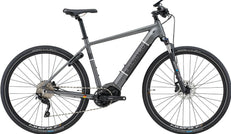
3. Hybrid and Flat-Bar Multi-Surface Bikes: Best for Comfort and Commuting
A hybrid bike blends road and mountain bike ideas. In practice, that means flat handlebars, an upright position, medium-width tyres, disc brakes, and often mounts for racks and mudguards.
This is the sensible choice for commuting, fitness rides, towpaths, city streets, and light gravel. It is not as fast as a drop-bar gravel bike on long open roads, but it is easy to ride, confidence-building, and practical.
Choose a hybrid if you prefer a more upright position, ride in traffic often, or want one bike for errands, commuting, and weekend paths.
4. All-Terrain Bikes: Best for Rougher Adventure and Bikepacking
An all-terrain bike, or ATB, borrows more from mountain bikes than road bikes. Think strong frames, big tyres, simple drivetrains, lots of mounts, and a “ride anything” attitude.
ATBs are brilliant for riders who care less about average speed and more about exploring unknown tracks. They work well for bikepacking, rough forest roads, rocky trails, and remote routes where durability matters.
Choose an ATB if your rides regularly include bad surfaces, loaded bags, and “let’s see where this goes” decisions.
5. Hardtail Mountain Bikes: Best for Off-Road-First Adventures
A hardtail MTB is not the quickest option on the road, but it becomes the right bike when the adventure gets rough. Front suspension, big tyres, flat bars, and low gearing make rocky climbs, roots, ruts, and loose descents much easier.
Fit faster-rolling tyres and a hardtail can handle mixed routes well, though it will still feel slower than a gravel bike on long tarmac sections.
Choose a hardtail if your adventure riding is more trail than road.
6. Electric Multi-Surface Bikes: Best for Distance, Hills, and Loaded Riding
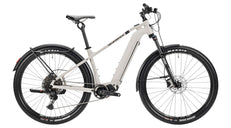
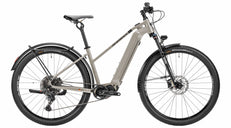
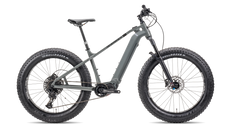
E-gravel and electric hybrid bikes are no longer oddities. For commuters, older riders, loaded bikepackers, or anyone living near steep terrain, electric assistance can turn ambitious routes into enjoyable rides.
The trade-offs are price, weight, charging, and long-term motor/battery maintenance. But for many riders, an e-bike means more riding, not less effort.
How to Choose the Right Bike
Use your real terrain split:
|
Your Riding Style |
Best Bike Type |
|
Mostly road, occasional gravel |
All-road or endurance bike |
|
Road, gravel, dirt roads, light trails |
Gravel bike |
|
City, commute, towpaths, relaxed rides |
Hybrid or flat-bar multi-surface bike |
|
Bikepacking and rough tracks |
Adventure gravel bike or ATB |
|
Technical trails and rocky terrain |
Hardtail mountain bike |
|
Long rides with hills or heavy loads |
E-gravel or electric hybrid |
My old rule still holds: buy for the roughest surface you ride regularly, not the smoothest surface you dream about.
Key Setup Choices for 2026
Tyres matter more than almost anything else. For fast road-heavy rides, 32-38 mm tyres work well. For true adventure gravel, 40-50 mm is the sweet spot. For ATB or rough bikepacking, bigger tyres can be better than suspension.
For gearing, 1x drivetrains are simple and reliable, especially off-road. A 2x setup gives closer gear steps and often suits riders who spend more time on the road. Neither is automatically better. Match it to your hills, load, and cadence.
For brakes, hydraulic discs are the best choice for most riders. Mechanical discs can still make sense for remote touring because they are easier to repair, but hydraulic brakes offer stronger, smoother control.
For frame material, aluminium is usually the best value, carbon is light and fast, steel is durable and comfortable, and titanium is expensive but excellent for long-term adventure bikes.
Essential Accessories
A good multi-surface setup should include tubeless tyres, reliable lights, bottle cages, a compact pump, a multi-tool, a spare plug kit, and a frame or saddle bag. If you ride year-round, add mudguards. If you commute or tour, make sure the frame has proper rack mounts.
Do not buy the bike and forget the tyres. The right tyre can make an ordinary bike feel sorted. The wrong tyre can make an expensive bike feel nervous.
FAQs
What is a multi-surface bike?
A multi-surface bike is designed to ride efficiently across tarmac, gravel, dirt paths, forest roads, and light trails without needing a bike change.
Is a gravel bike better than a hybrid?
For long-distance speed and adventure riding, yes. For commuting, upright comfort, and easy handling, a hybrid may be better.
Can one bike work for both road and gravel?
Yes. A gravel or all-road bike with two tyre setups, or even two wheelsets, can work very well for both.
What tyre width is best for multi-surface riding?
For mixed road and light gravel, 35-40 mm is enough. For adventure gravel and rougher paths, 40-50 mm is better.
Are multi-surface bikes good for bikepacking?
Yes, especially adventure gravel bikes and ATBs with frame, fork, rack, and bottle mounts.
Which is the best multi-surface bike for 2026?
For most riders, the best choice is an adventure-focused gravel bike with 40-50 mm tyre clearance, hydraulic disc brakes, stable geometry, and enough mounts for bags and bottles.
Final Word
The best multi-surface bike for adventure riding in 2026 is not always the lightest or most expensive bike. It is the bike that matches your roads, your trails, your luggage, and your riding confidence.
If I had to choose one bike for most riders, I would start with a gravel bike. If the route is smoother and faster, I would look at the all-road. If comfort and commuting matter most, I would choose a hybrid. If the map gets rough and remote, I would take an ATB or hardtail.
Adventure starts when the surface changes. The right bike simply lets you say yes.



Be the first to comment