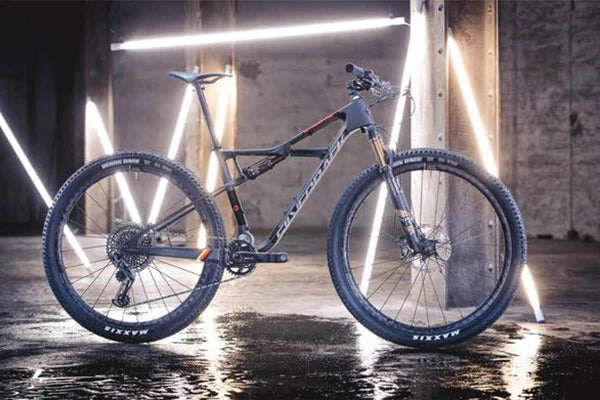
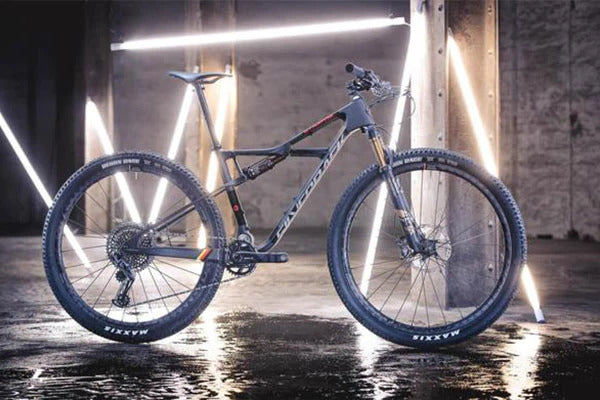
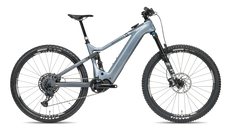
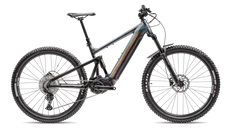
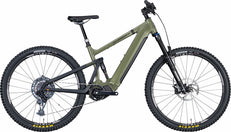
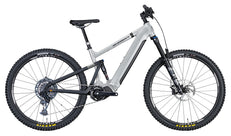
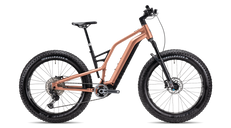
150/145mm Travel
 29" x 2.5" Wheels
 1x12 Speed SRAM AXS
 EP-801 Shimano Motor
 85Nm Torque
 720Wh Battery
 from 20.9kg
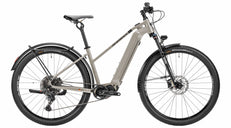
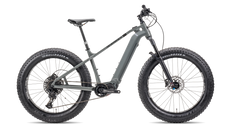
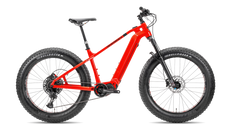

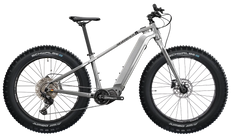

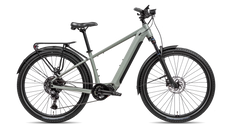
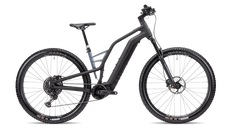
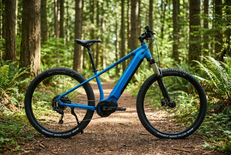
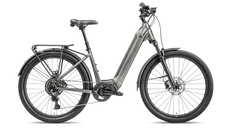
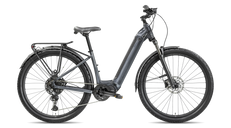
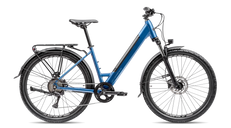
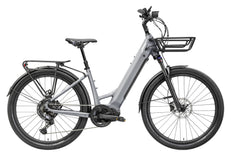
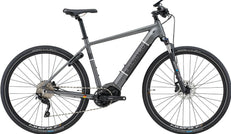
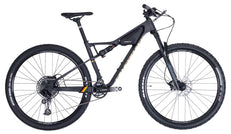
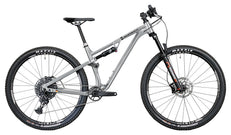
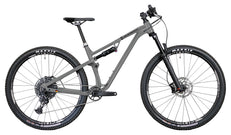
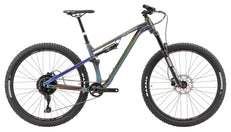
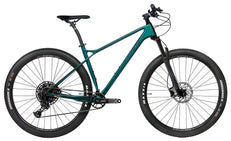
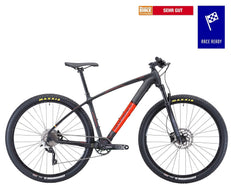
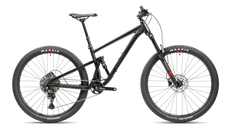
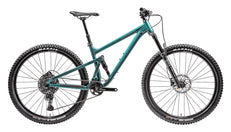
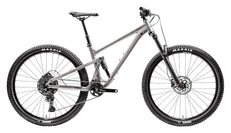
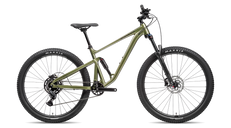
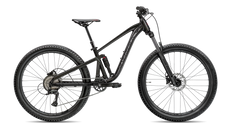
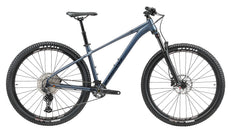
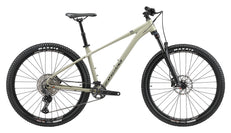
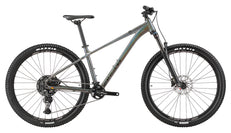
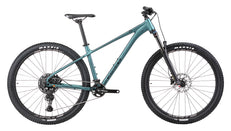
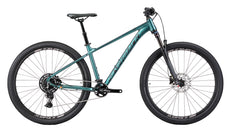
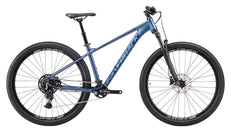
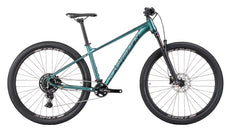
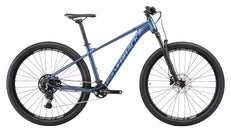
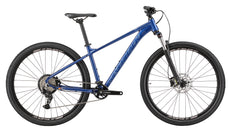
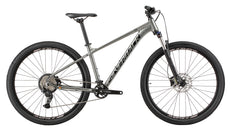
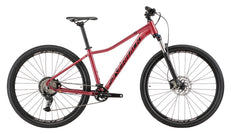
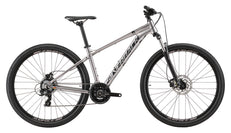
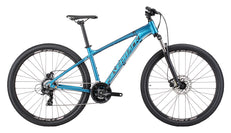
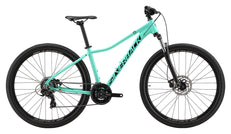
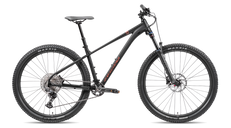
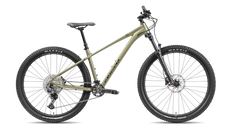
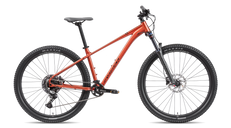
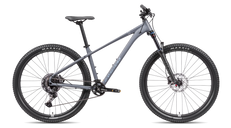
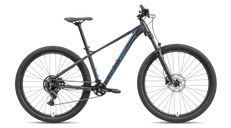
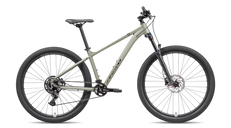
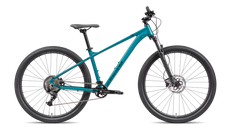
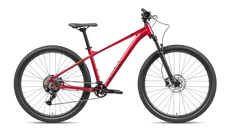
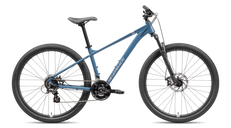
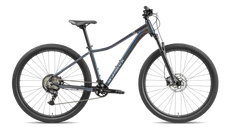
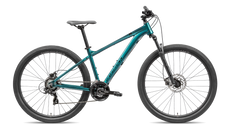
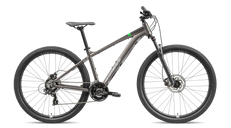
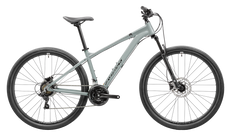
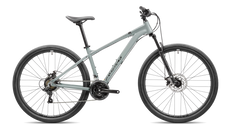
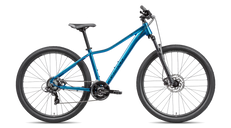
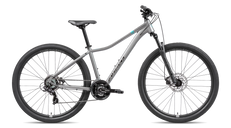
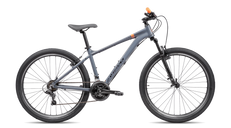
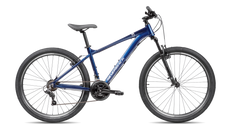
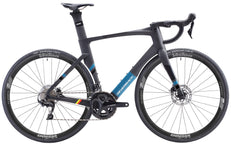
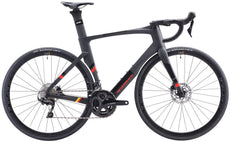
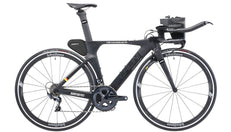
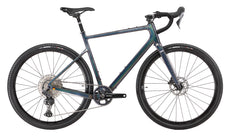
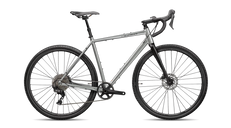
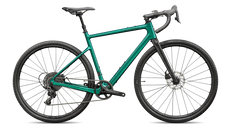
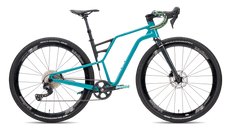
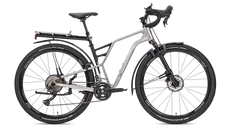
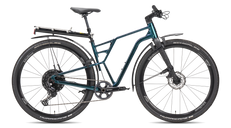
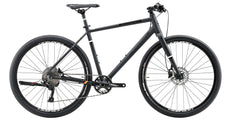
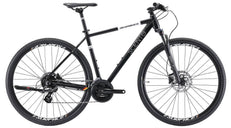
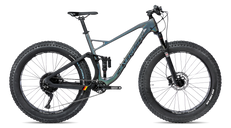
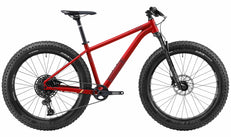
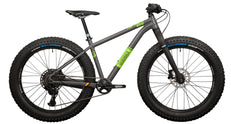
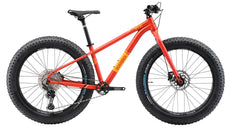
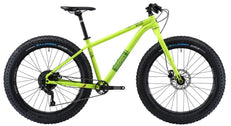
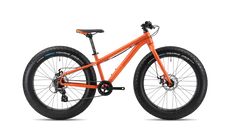
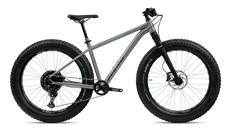
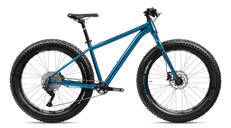
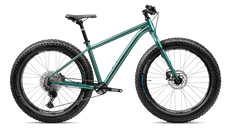
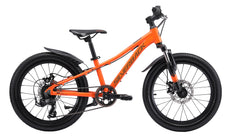
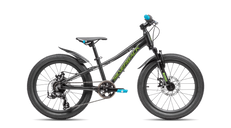
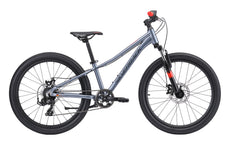
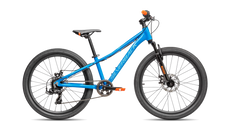
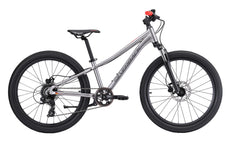
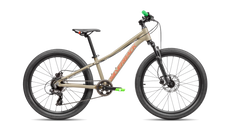
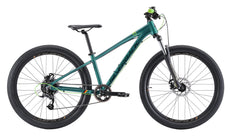
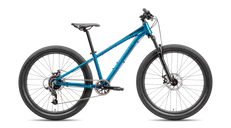
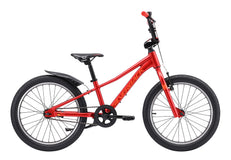
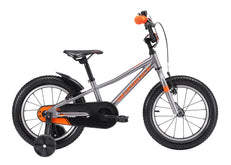
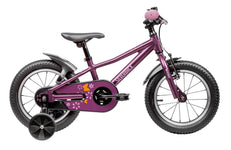
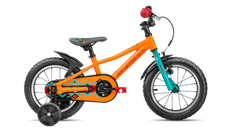




Fat bikes have evolved from a niche curiosity into a legitimate all-season, all-terrain category. In 2026, the best fat bikes combine lightweight frames, modern geometry, and component quality that rivals traditional mountain bikes. Whether you're riding snow-covered trails in winter, sandy beaches in summer, or muddy forest tracks year-round, a fat bike opens terrain that no other bike can touch.
This guide covers the best fat bikes of 2026 — what makes them great, what to look for, and how to choose the right one for your riding.
Why Fat Bikes Are More Relevant Than Ever in 2026
Year-Round Versatility
The defining feature of a fat bike is its oversized tyres — typically 3.8" to 5.0" wide — run at very low pressures (5–15 PSI). This creates a massive contact patch that floats over soft surfaces and absorbs trail chatter without suspension. In 2026, fat bikes are increasingly used as year-round commuters, bikepacking rigs, and adventure bikes — not just winter novelties.
Modern Geometry
Early fat bikes were upright and sluggish. Today's best models feature trail-inspired geometry: slack head angles, longer reach, and dropper post compatibility. The result is a bike that's genuinely fun to ride fast, not just capable of riding slowly in difficult conditions.
What to Look for in a Fat Bike
Frame Material
Aluminium is the sweet spot for most riders — light enough to be fun, durable enough for hard use, and affordable. Carbon frames exist at the premium end and save meaningful weight. Steel offers a compliant ride and is easy to repair in remote locations — ideal for bikepacking.
Tyre Width & Clearance
Most fat bikes run 4.0"–4.8" tyres. Wider isn't always better — 4.0"–4.5" is the sweet spot for trail riding, while 4.8"+ excels on snow and sand. Check frame clearance before upgrading tyres.
Drivetrain
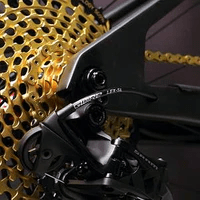
A 1x drivetrain (single chainring, wide-range cassette) is now standard on quality fat bikes. Look for Shimano Deore or SRAM NX Eagle as a minimum — the wide gear range is essential for climbing in soft conditions.
Best Fat Bikes of 2026
1. Silverback Synergy Fat
The Synergy Fat is Silverback's all-terrain fat bike built for riders who want to go everywhere. Paired with the SilverRider MTB, it represents the best of what modern fat bike design can achieve. Trail geometry, quality components, and a frame built for adventure.
2. Best Fat Bike for Bikepacking
Planning a multi-day adventure? Read our dedicated guide: Bestes Fat Bike für Bikepacking — covering load capacity, frame bag compatibility, and the best setups for long-distance fat bike touring.
3. The Fat Bike Ratgeber (Ultimate Guide)
New to fat bikes entirely? Our comprehensive guide Fatbike: Der ultimative Ratgeber covers everything from tyre pressure to trail selection.
Key Components & Upgrades
Carbon Fork Upgrade
One of the best weight-saving upgrades for a fat bike is a carbon fork. Our SBC Carbon Fork for Fat Bikes reduces unsprung weight significantly, improving handling and reducing arm fatigue on long rides.
Drivetrain Protection
Fat bike riding — especially in mud, snow, and sand — is hard on drivetrains. A chainstay protector keeps your frame looking new and reduces chain slap noise. Pair with quality Maxxis tyres for maximum traction in all conditions.
Braking Performance
Reliable stopping power is non-negotiable in slippery conditions. Keep your disc brake pads fresh — contaminated or worn pads are dangerous on snow and ice.
Fat Bike Maintenance Tips
Fat bikes take a beating. Keep yours running with our complete bike maintenance guide. Key fat-bike-specific tips:
- Rinse after every muddy or salty ride — salt from winter roads accelerates corrosion
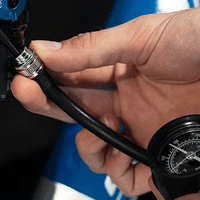
- Check tyre pressure before every ride — fat bike pressures are so low that small changes have big effects
- Inspect the freehub regularly — our Freehub Body Scoop for Shimano makes this easy
Fat Bike vs. Regular MTB: Which Should You Choose?
If you ride primarily on hardpack trails in dry conditions, a standard MTB will be faster and more efficient. But if you want to ride year-round, explore beaches, snow, or mud, or simply want the most versatile adventure bike possible — a fat bike wins every time.
Read our Switching From Road To Mountain Biking guide if you're new to off-road riding and want to understand the broader landscape before committing.
Frequently Asked Questions
Are fat bikes good for beginners?
Yes — the massive tyre volume and low pressures make fat bikes very forgiving and stable, which is ideal for new riders building confidence on technical terrain.
Can you ride a fat bike on normal trails?
Absolutely. Modern fat bikes with trail geometry are genuinely fun on hardpack singletrack. The extra rolling resistance is minimal on firm surfaces.
How do I choose the right fat bike tyre pressure?
Start at 10 PSI and adjust based on terrain and rider weight. Softer (lower pressure) for snow and sand; firmer for hardpack. Experiment in 1–2 PSI increments.
Conclusion
The best fat bike of 2026 is the one that matches your terrain and ambitions. From winter commuting to multi-day bikepacking, fat bikes offer a riding experience unlike anything else. Explore our full collection and best sellers to find your next adventure machine.